
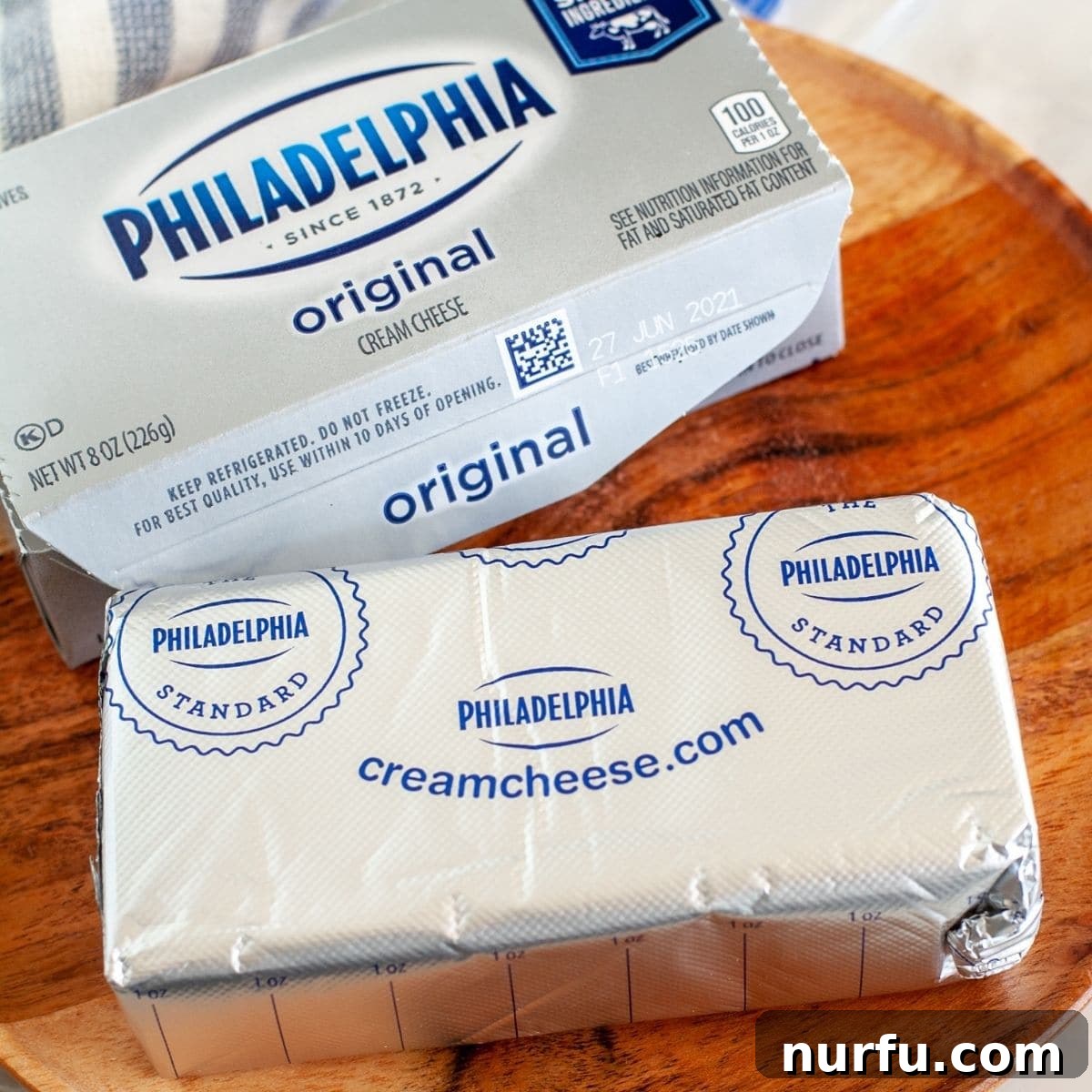
For many food enthusiasts and home cooks, the freezer is an indispensable tool for preserving food, extending shelf life, and minimizing waste. While some dairy products, like hard cheeses, freeze beautifully, others, such as soft, high-moisture cheeses, can be a bit more temperamental. This often leads to a common question: “Can you freeze cream cheese?”
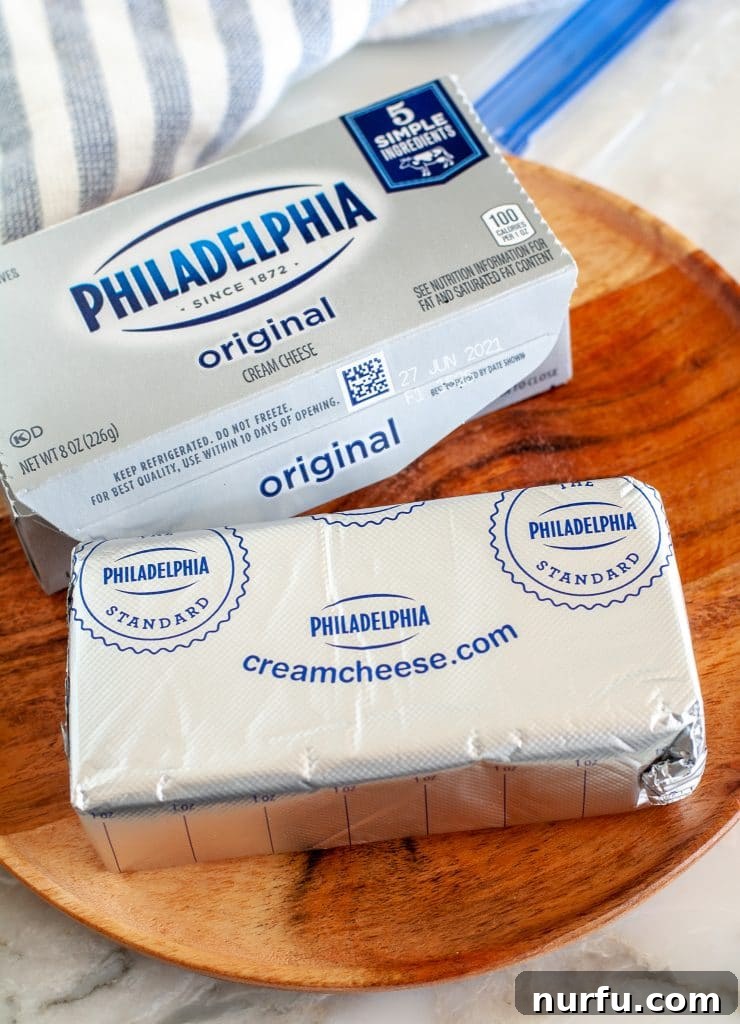
Cream cheese, a delightful and versatile dairy product, is a fresh, soft, and spreadable cheese made from pasteurized milk and cream. It’s characterized by its rich, tangy flavor and smooth, creamy texture, thanks to its significant milk fat content – typically at least 33 percent, with a maximum moisture content of 55 percent. Its widespread use in everything from savory dips and spreads to iconic desserts like cheesecake makes it a staple in countless kitchens. The thought of extending its freshness, especially when you find a great deal or have excess on hand, is certainly appealing.
Many people notice frozen cheesecakes in the grocery store freezer aisle and naturally wonder if the primary ingredient, cream cheese, can also withstand freezing. While the answer is generally “yes,” there are important considerations regarding its texture after thawing. Understanding these nuances is key to successfully freezing and using cream cheese.
Can You Freeze Cream Cheese? The Definitive Answer
The straightforward answer is indeed yes, you can freeze cream cheese. However, it’s crucial to manage expectations regarding its post-thaw consistency. The freezing process noticeably alters the texture of cream cheese, making it less ideal for applications where its signature smoothness is paramount, such as a plain bagel spread, unless specific steps are taken to restore it.
When cream cheese is frozen, the water content within the cheese forms ice crystals. Upon thawing, these crystals melt, causing the water to separate from the milk solids and fats. This separation results in a grainier, sometimes crumbly, and less uniformly smooth texture compared to its fresh state. While the flavor typically remains intact, the textural change is undeniable. This is why it’s often recommended for specific culinary uses rather than direct spreading.
How to Properly Prepare Cream Cheese for Freezing
To minimize textural degradation and prevent freezer burn, proper preparation and storage are vital. The method varies slightly depending on whether the cream cheese package is opened or unopened.
For Unopened Cream Cheese: If the cream cheese is still in its original, unopened, and sealed packaging, you can generally place it directly into the freezer. The factory seal provides an adequate barrier against air exposure, which is the primary cause of freezer burn. For an extra layer of protection, especially if you plan to store it for an extended period, you can place the entire package into a heavy-duty freezer bag or wrap it tightly in an additional layer of plastic wrap or aluminum foil.
For Opened Cream Cheese: Once opened, the cream cheese is no longer airtight and requires more careful preparation. To prevent freezer burn and preserve quality:
-
Transfer to an Airtight Container: Spoon the cream cheese into a freezer-safe, airtight container. Press plastic wrap directly onto the surface of the cream cheese before sealing the container lid. This creates a barrier to prevent air from reaching the surface.
-
Vacuum Seal: For the best results and longest storage, a vacuum sealer is an excellent tool. If using a block of cream cheese, remove it from its cardboard box but leave it in its foil wrapping before vacuum sealing. This foil acts as an additional protective layer. For tub cream cheese, transfer it to a vacuum-sealable bag.
-
Wrap in Portions: If you only need small amounts of cream cheese at a time, consider dividing the opened block or tub into smaller, individual portions. Wrap each portion tightly in plastic wrap, then aluminum foil, and finally place them all into a freezer bag. This allows you to thaw only what you need, reducing waste.
Freezing Flavored Cream Cheese: Good news for flavor enthusiasts – flavored cream cheese (e.g., strawberry, chive, garlic and herb) can also be frozen using the same methods as plain cream cheese. The added ingredients often help slightly stabilize the texture, but some separation upon thawing may still occur.
Regardless of whether the cream cheese is opened or unopened, always make sure to label the container with the date of freezing. It’s incredibly easy to lose track of items stashed away in the freezer, and dating helps you ensure optimal quality and food safety.
How Long Can You Keep Cream Cheese in the Freezer?
The shelf life of frozen cream cheese is a common concern. While some sources might suggest varying durations, generally, frozen cream cheese maintains its quality for a significant period.
According to reputable sources like The Old Farmer’s Almanac and various food safety guidelines, unopened cream cheese can be safely stored in the freezer for up to 6 months without a significant decline in quality. Beyond this period, it may still be safe to eat, but its texture and flavor could further degrade.
For properly sealed opened cream cheese, it’s best to use it within 1 to 2 months. While it might last longer, the risk of freezer burn and quality deterioration increases after this timeframe. Always prioritize using older items first to maintain freshness.
How to Thaw Frozen Cream Cheese for Best Results
The thawing process is just as important as the freezing process in preserving the quality of your cream cheese. Improper thawing can exacerbate textural issues or even pose food safety risks.
The safest and most recommended method for thawing frozen cream cheese is to transfer it from the freezer to the refrigerator. This slow, gradual thawing process helps to minimize separation and maintains a safe temperature to prevent bacterial growth. A standard block or tub of cream cheese will typically take about 24 hours to fully thaw in the refrigerator.
Once thawed, cream cheese should be used within a few days, similar to fresh cream cheese. Avoid leaving cream cheese out at room temperature for extended periods to thaw, as this can lead to rapid bacterial growth and spoilage. While placing it at room temperature for a short time (e.g., an hour or two) might speed up thawing, it’s generally safer to stick to the refrigerator method.
When placing cream cheese in the fridge to thaw, consider its placement. The back of the refrigerator is often colder than the front, which could prolong thawing or even re-freeze parts of it if the temperature is too low. Placing it towards the front or middle shelf ensures a more consistent thawing environment.
How to Make Defrosted Cream Cheese Creamy Again
As mentioned, thawed cream cheese often has a grainy or crumbly texture due to water separation. While achieving the exact smooth, fresh consistency is challenging, you can significantly improve its texture for most applications. The key is to re-emulsify the fats and solids with the separated liquid.
Whipping with an Electric Mixer (Recommended Method)
This is arguably the most effective method for restoring smoothness. Once the cream cheese is fully thawed and has been allowed to come to room temperature for about 30 minutes, transfer it to a mixing bowl. Using an electric hand mixer or stand mixer with the paddle attachment, beat the cream cheese on medium speed for several minutes. Scrape down the sides of the bowl periodically. The vigorous mixing action helps to recombine the separated water and fats, resulting in a much smoother, more uniform texture. If it still seems too dry or stiff, you can add a tiny amount (e.g., a teaspoon) of milk or heavy cream and continue whipping until desired consistency is achieved.
Microwave Method
For a quicker fix, especially if you need it softened for baking or a dip, the microwave can be used. Place the thawed cream cheese in a microwave-safe bowl. Heat it on low power (e.g., 50%) for 10-15 second intervals, stirring well after each interval. The goal is to gently warm and soften it, not to cook or melt it completely. Continue until it reaches a more workable, spreadable consistency. This method is best for small quantities and when you’re attentive.
Stovetop Double Boiler Method
This method offers more controlled, even heating, which can be beneficial for larger quantities or if you prefer not to use a microwave. Set up a double boiler by filling a saucepan with a few inches of water and placing a heat-safe bowl (preferably glass or stainless steel) on top, ensuring the bottom of the bowl does not touch the water. Add the thawed cream cheese to the top bowl. Heat the water over low to medium heat, allowing the steam to gently warm the cream cheese. Continually stir or whisk the cream cheese until it becomes smooth and creamy. This constant agitation, combined with gentle heat, helps to re-emulsify the texture.
Can You Freeze Cream Cheese Frosting?
Absolutely! Cream cheese frosting freezes remarkably well, often even better than plain cream cheese. This is primarily due to the presence of other ingredients like powdered sugar, butter, and vanilla extract, which act as stabilizers. The sugar content, in particular, helps to bind moisture and prevent the formation of large ice crystals, thereby preserving a smoother texture.
To freeze cream cheese frosting, transfer it to an airtight, freezer-safe container. Press a layer of plastic wrap directly onto the surface of the frosting before sealing the lid. This prevents air exposure and freezer burn. Thaw frozen cream cheese frosting in the refrigerator overnight. Once thawed, it may appear slightly separated or stiff. A quick whip with an electric mixer for a minute or two will usually restore its fluffy, creamy texture, making it ready for piping or spreading.
Can You Freeze Dips Made with Cream Cheese?
Many dips incorporating cream cheese can indeed be frozen, especially those that are baked or contain ingredients that freeze well. However, similar to plain cream cheese, you might notice some textural changes upon thawing, particularly if the dip contains high-moisture vegetables (like raw tomatoes or cucumbers) or delicate herbs. These ingredients can become watery or mushy after freezing and thawing.
For best results, choose cream cheese dips that are baked, hot, or have a denser consistency. Store them in airtight freezer-safe containers. When ready to use, thaw in the refrigerator, and then, if necessary, use one of the re-creaming methods (like whipping or gentle warming) to improve the texture. You may also need to stir in fresh herbs or crunchy toppings after thawing and before serving.
Best Uses for Frozen and Thawed Cream Cheese
While thawed cream cheese might not be perfect for spreading directly onto a bagel without some effort to restore its creaminess, it excels in applications where its texture will be integrated or altered by cooking. The slight graininess becomes virtually unnoticeable once mixed into a batter or melted into a sauce.
Baking Applications: This is arguably where frozen and thawed cream cheese shines brightest. Its distinct tangy flavor remains, making it perfect for:
-
Cheesecakes: The star ingredient in classic cheesecakes, cream cheese blends seamlessly into the batter. The baking process will smooth out any textural irregularities.
-
Muffins, Cakes, and Cupcakes: Incorporate it into batters for cream cheese swirl muffins, red velvet cake with cream cheese frosting, or other baked goods where cream cheese adds moisture and richness.
-
Cookies and Brownies: Cream cheese swirl brownies, cream cheese sugar cookies, or even fillings for pastries benefit greatly from its unique flavor profile.
-
Pastry Fillings: From danishes to turnovers, cream cheese fillings are delightful and hold up well after thawing and baking.
-
Strawberry Cheesecake Pancakes: Elevate your Sunday brunch with these delectable pancakes, where the thawed cream cheese contributes a rich, creamy element to the batter or a delightful drizzle.
Savory Dishes: Don’t limit thawed cream cheese to sweets; it’s also excellent in savory recipes:
-
Cream Cheese Mashed Potatoes: Adds incredible richness and a subtle tang to your mashed potatoes.
-
Smoked Salmon Dip: A classic, but you’ll want to re-whip the cream cheese before combining it with other ingredients to ensure a smooth dip.
-
Cream Cheese Pasta: Creates a creamy, luxurious sauce for pasta dishes.
-
Cream Cheese Stuffed Poppers: A mouthwatering appetizer where the texture of the cream cheese filling is not as critical due to baking.
-
Sauces and Casseroles: Thickens and enriches various sauces, soups, and casseroles, adding a creamy dimension.
Spreads (with adjustment): If you absolutely want to use it as a spread for bagels or toast, remember to utilize the electric mixer, microwave, or stovetop method to restore its creaminess first. A classic cream cheese and lox bagel can still be enjoyed, but the re-whipping step is essential for that desired smooth mouthfeel.
How to Tell if Frozen Cream Cheese is Spoiled
Even when frozen, food can eventually spoil or lose quality. While freezing significantly slows down bacterial growth, it doesn’t halt it indefinitely, especially after thawing. Always trust your senses when checking for spoilage:
-
Off-Color: Fresh cream cheese is typically white or off-white. If you notice any yellowing, graying, or green/blue mold spots (beyond any intentional flavoring like herbs), it’s a clear sign of spoilage.
-
Bad Smell: Fresh cream cheese has a mild, slightly tangy aroma. A strong, sour, pungent, or yeasty smell indicates it has gone bad. Don’t taste it to confirm.
-
Slimy Consistency: While thawed cream cheese can be grainy, it should not be slimy or excessively watery. A slimy texture is a definite indicator of spoilage.
-
Mold: Any visible mold, even a tiny speck, means the entire package should be discarded. Unlike hard cheeses where you can cut off mold, soft cheeses allow mold to spread deeper.
When in doubt, it’s always best to err on the side of caution and discard the cream cheese. Food safety is paramount.
More Freezing Methods and Tips for Your Kitchen
Mastering the art of freezing extends beyond cream cheese. Explore these other helpful guides for preserving various ingredients:
- How To Freeze Guacamole
- How To Freeze Mint Leaves
- How To Freeze Egg Salad
- How To Freeze Lettuce
- How To Freeze Hummus
- How To Freeze Butter
Freezing cream cheese is a practical solution for extending its shelf life, especially for those who bake frequently or like to buy in bulk. While its texture may change, with the right thawing and re-creaming techniques, it remains a valuable ingredient for a wide array of culinary creations. Don’t let excess cream cheese go to waste; embrace the freezer and unlock its potential!