
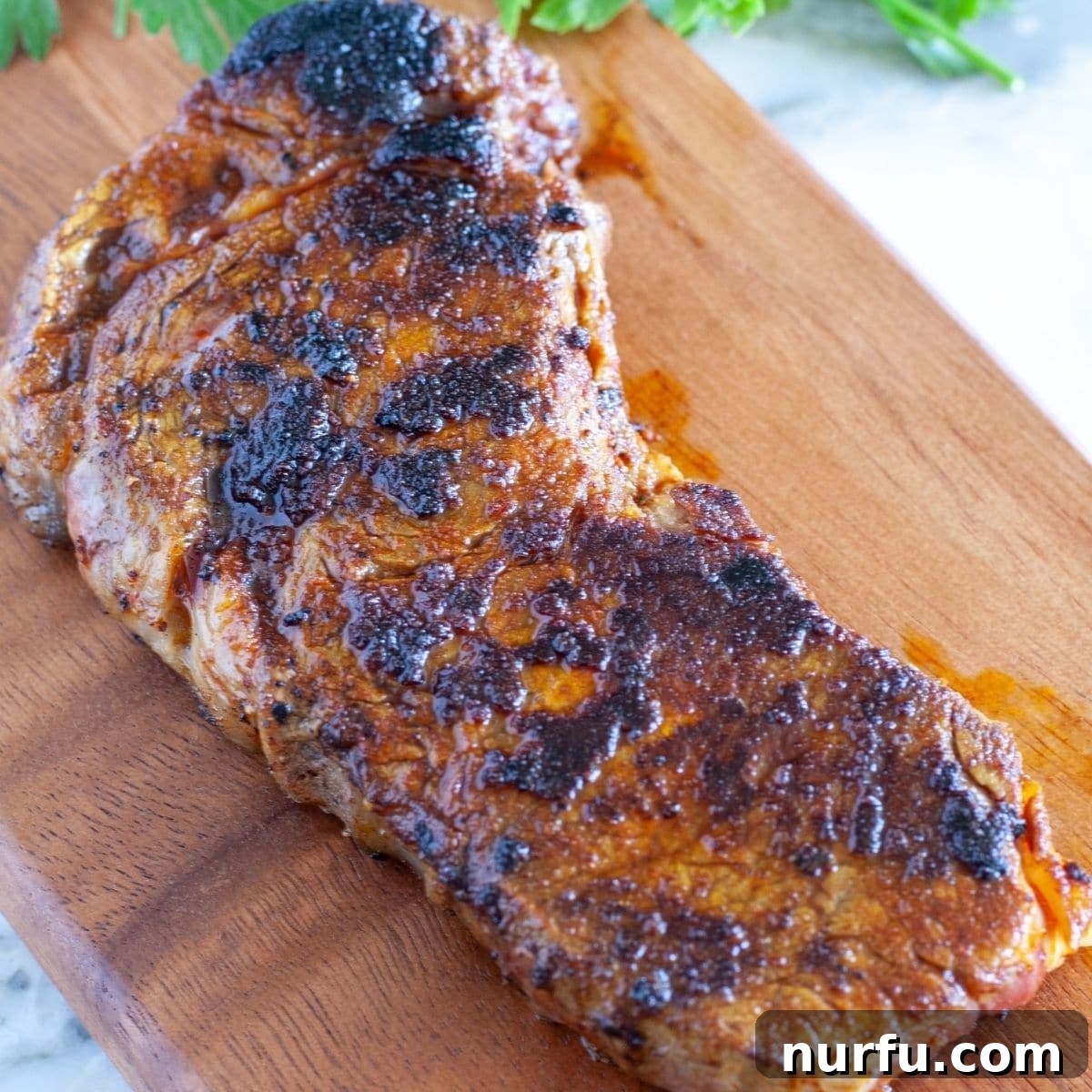
Unlock the Secret: Crafting the Perfect Copycat Texas Roadhouse Steak at Home
Dreaming of that legendary, melt-in-your-mouth steak from Texas Roadhouse? Imagine bringing that incredible flavor and tenderness right to your dining table. With this ultimate copycat Texas Roadhouse Steak Seasoning recipe and our comprehensive guide, you can achieve restaurant-quality results every time. Forget long waits and expensive bills; we’ll show you exactly how to make this iconic spice rub and master the art of cooking the perfect steak, just like your favorite steakhouse.
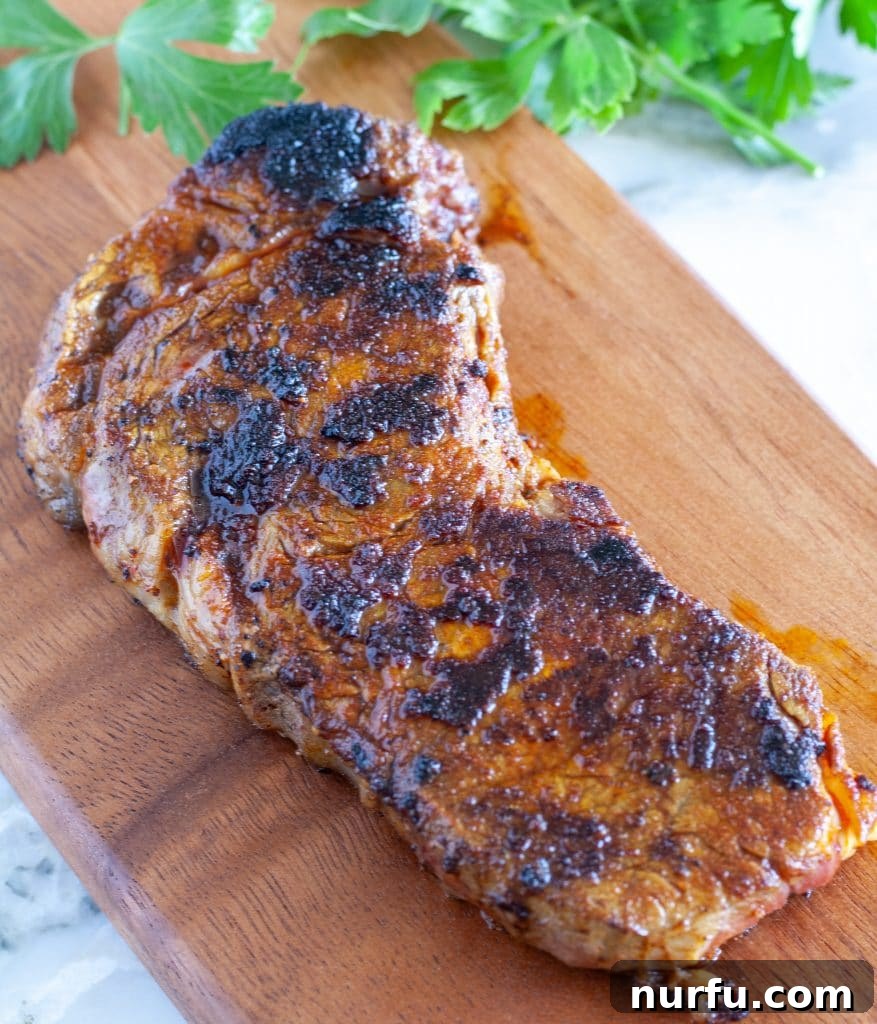
Why You’ll Fall in Love with This Texas Roadhouse Steak Seasoning
Texas Roadhouse has built its reputation on serving exceptional, hand-cut steaks alongside beloved staples like their irresistible rolls with cinnamon butter, flavorful seasoned rice, classic green beans, and hearty chili. But the real star is always the steak. This copycat seasoning blend captures the essence of that signature savory, slightly sweet, and perfectly seasoned crust that makes their steaks so famous. Not only will you save money by cooking at home, but you’ll also gain the satisfaction of recreating a beloved classic, tailored precisely to your taste preferences.
Making this seasoning and cooking your own Texas Roadhouse-style steak offers several advantages. You have complete control over the quality of your meat, the amount of seasoning, and the cooking method, ensuring a personalized culinary experience. Plus, it’s a fantastic way to impress family and friends with a meal that tastes like it came straight from a professional kitchen, all from the comfort of your home.
Unveiling the Key Ingredients for Your Texas Roadhouse Steak Rub
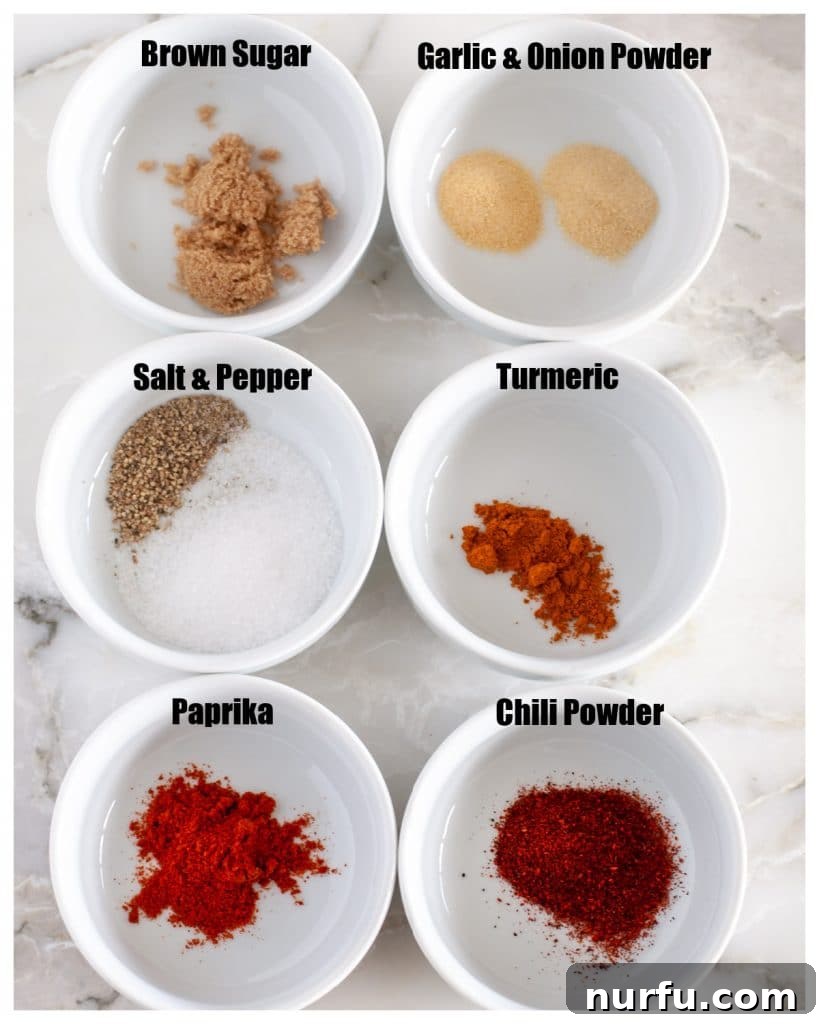
The magic of Texas Roadhouse steak lies in its perfectly balanced seasoning. Each ingredient plays a vital role in creating that unforgettable flavor profile. Here’s a closer look at what you’ll need for this essential rub:
- Coarse Salt: This is fundamental for building a perfect crust and drawing out the meat’s natural flavors. Opt for Kosher salt or a good quality Himalayan sea salt. The larger granules adhere better to the steak and provide a satisfying texture.
- Freshly Ground Black Pepper: While pre-ground works, freshly ground pepper offers a more vibrant, aromatic kick, contributing to the rub’s overall depth.
- Brown Sugar: This secret weapon adds a subtle sweetness that balances the savory spices and promotes a beautiful caramelization on the steak’s surface during cooking, enhancing both flavor and color.
- Garlic Powder: A staple in any good steak rub, garlic powder delivers a potent, savory aroma and flavor that penetrates the meat deeply.
- Onion Powder: Complementing the garlic, onion powder adds another layer of aromatic savoryness, contributing to the rub’s complex base.
- Paprika: Beyond its vibrant color, paprika imparts a mild, earthy, and slightly sweet flavor. It’s crucial for the rub’s visual appeal and warmth.
- Chili Powder: A touch of chili powder introduces a gentle warmth and subtle smoky undertones, adding complexity without making the rub overtly spicy.
- Turmeric: Often overlooked in steak rubs, turmeric is a distinctive ingredient in this copycat recipe. It provides an earthy, slightly bitter, and peppery note that expertly ties all the other flavors together, giving the rub its unique depth and a beautiful golden hue.
Selecting the Best Steak Cuts for Your Copycat Texas Roadhouse Steaks
The quality of your meat significantly impacts the final taste and tenderness of your steak. For an authentic Texas Roadhouse experience, aim for high-quality cuts, ideally USDA Choice or Prime grade, known for their excellent marbling and flavor. Here are some of the best beef cuts to consider for your homemade steakhouse meal:
- Ribeye: A favorite among steak lovers, the Ribeye is celebrated for its rich marbling, which melts during cooking, infusing the meat with incredible flavor and juiciness. It’s often considered one of the most flavorful cuts.
- New York Strip: Known for its fine texture and robust beefy flavor, the New York Strip offers a great balance of tenderness and chew. It has a nice fat cap along one side that renders beautifully.
- Filet Mignon: If tenderness is your top priority, the Filet Mignon is the answer. It’s incredibly lean and buttery soft, though it has a milder flavor compared to fattier cuts.
- T-Bone and Porterhouse: These impressive cuts feature a T-shaped bone separating two distinct steaks: a tender filet on one side and a flavorful New York Strip on the other. A Porterhouse is simply a T-Bone with a larger portion of the filet.
- Sirloin: A more economical choice, sirloin still offers great beef flavor and is relatively tender, especially when cooked to medium-rare or medium. It’s a versatile cut that holds up well to grilling.
- Delmonico: This term can refer to various thick-cut, boneless steaks, often from the rib or short loin. It’s prized for its rich flavor and tenderness, making it an excellent choice for a premium steak.
When selecting your steak, look for good marbling (the white flecks of fat distributed throughout the muscle), a bright red color, and firm texture. Some Texas Roadhouse restaurants even sell uncooked steaks for home cooking, which can be a great option if available locally.
How to Prepare Your Texas Roadhouse Steak Seasoning
Making this incredible steak rub is incredibly simple, requiring just a few minutes of your time. The ease of preparation means you can always have a fresh batch ready for your next steak night.
- Combine Ingredients: In a medium-sized bowl, simply add all of the specified dry ingredients: coarse salt, ground black pepper, brown sugar, garlic powder, onion powder, paprika, chili powder, and turmeric.
- Mix Thoroughly: Stir all the spices together with a spoon or whisk until they are completely combined and evenly distributed. Ensure there are no clumps of any single spice.
- Adjust for Quantity: This recipe yields enough seasoning for one large steak or two smaller cuts. If you’re cooking for a crowd or preparing multiple steaks, easily double or triple the recipe to ensure you have plenty of rub.
- Storage: If you have any leftover spice mix, transfer it to an airtight container or a glass jar. Store it in a cool, dry place away from direct sunlight. When stored properly, this homemade seasoning blend will retain its potency and flavor for approximately 6-9 months, ensuring you always have the taste of Texas Roadhouse within reach.
- Versatility: Don’t limit this fantastic seasoning to just steaks! Its robust and balanced flavor profile makes it an excellent rub for other proteins. Try it on grilled or air-fried chicken breasts, pork chops, burgers, or even roasted vegetables for an extra burst of flavor. It’s a truly versatile blend that will elevate many of your favorite dishes.
Mastering the Art of Seasoning a Texas Roadhouse Steak
The way you apply the seasoning is just as important as the seasoning itself. Follow these tips to ensure your steak turns out flavorful and delicious every time, with that perfect crust you crave.
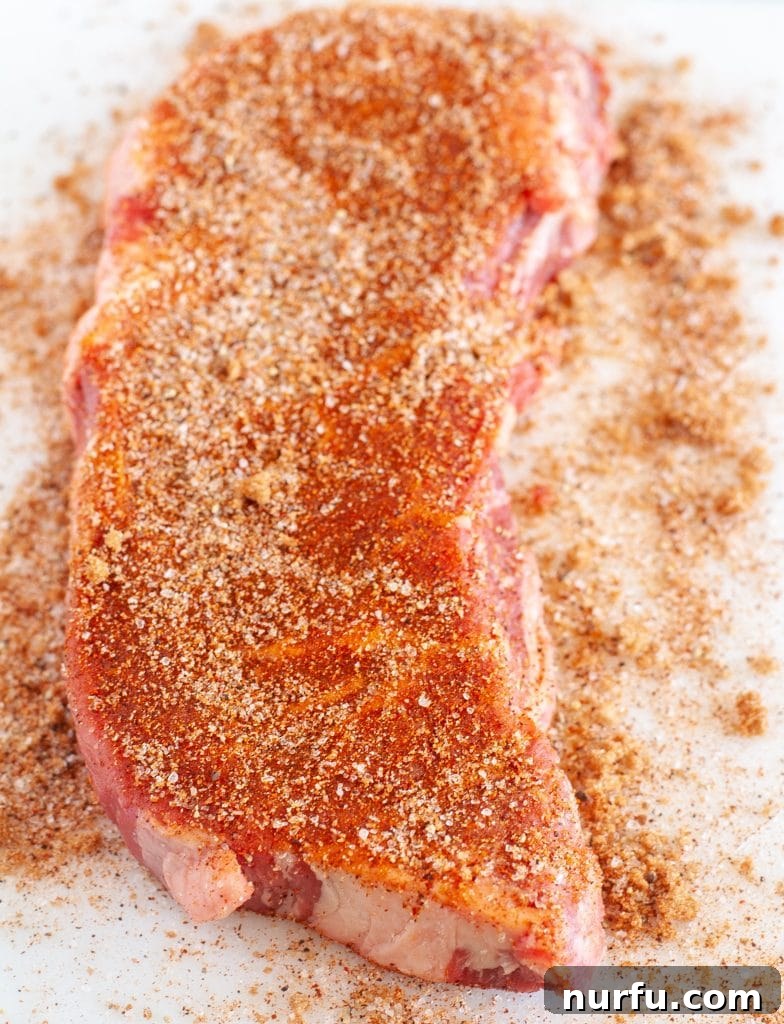
Be Generous: One of the most crucial tips is to be incredibly generous with the seasoning. You want to create a thick, even coat on all sides of the steak—top, bottom, and edges. Don’t be shy; this generous application is key to developing that signature flavorful crust. Sprinkle the seasoning over the steak, then use your fingers to gently rub it in, ensuring it adheres well to the meat’s surface.
The Resting Period: Once seasoned, allow the steak to sit at room temperature for at least 30 minutes before cooking. This resting period is vital for several reasons: it allows the salt and other spices to begin penetrating the meat, tenderizing the muscle fibers and infusing flavor throughout. It also brings the steak closer to room temperature, which promotes more even cooking. If you’ve seasoned your steak ahead of time, you can store it in the refrigerator for up to 24 hours. Just remember to take it out and let it sit at room temperature for about 30-60 minutes before you plan to cook it.
Expert Tips for Cooking Your Copycat Texas Roadhouse Steaks to Perfection
Cooking a perfect steak is an art, but with a few simple techniques, you can achieve steakhouse results at home. Whether you prefer grilling, pan-searing, or a combination, consistency and precision are key.
Choosing Your Cooking Method:
- Grilling: For a smoky flavor and beautiful char marks, grilling is an excellent choice. Preheat your grill to a high temperature.
- Pan-Searing (Cast Iron): A heavy-bottomed cast iron skillet is ideal for developing an incredible, crispy crust. Sear at high heat with a little oil or butter.
- Flat Top Griddle: If you have one, a flat top griddle mimics the commercial cooking surfaces used in steakhouses, providing an even, consistent sear.
- Oven Finishing (Reverse Sear): For thicker cuts (1.5 inches or more), consider the reverse sear method. Cook slowly in a low oven first, then finish with a quick sear on the stovetop for the perfect crust.
Achieving the Perfect Doneness:
The cooking time for each steak will vary depending on its thickness, the cut, and your desired level of doneness. The most reliable way to ensure a perfectly cooked steak is to use an instant-read meat thermometer. Insert the thermometer into the thickest part of the steak, avoiding any bones.
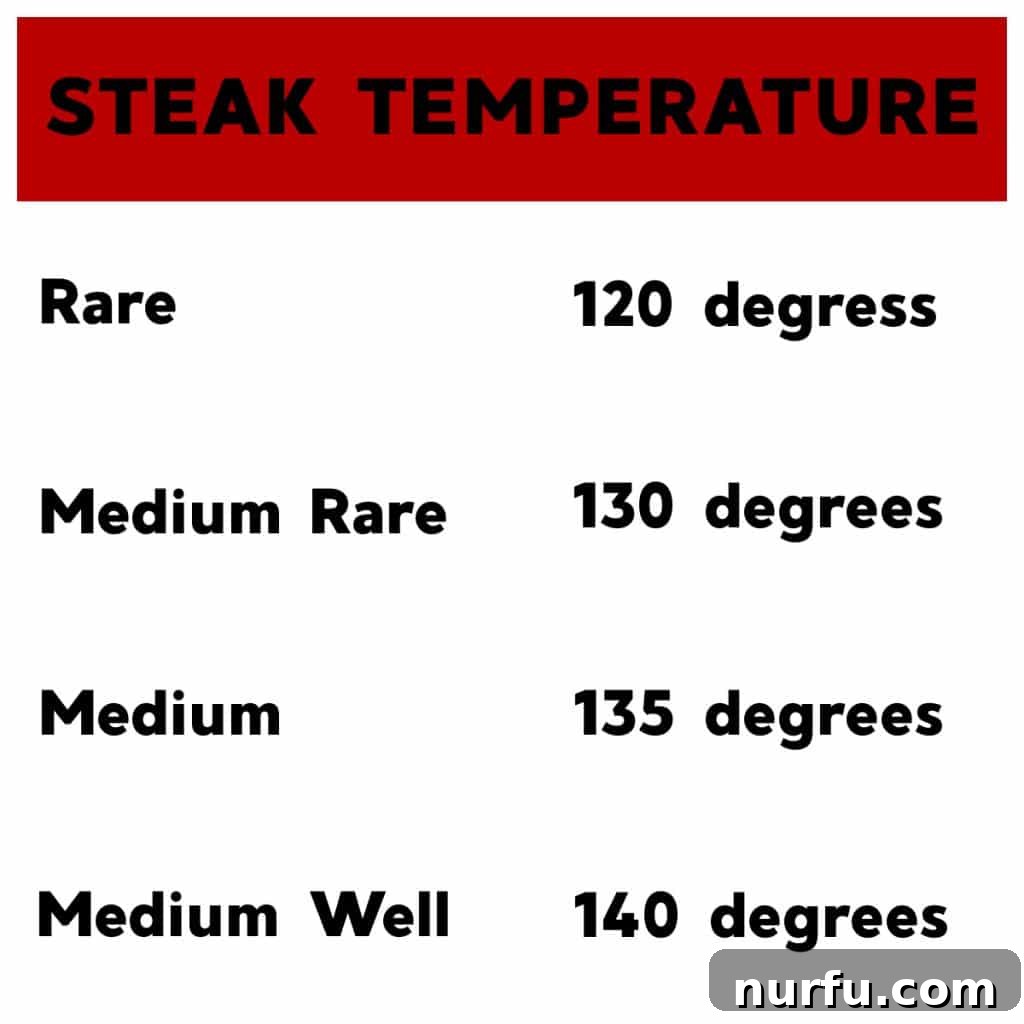
Here’s a general guide to internal temperatures for various levels of doneness (remember that the temperature will rise a few degrees during resting):
- Rare: 120-125°F (49-52°C) – Cool red center.
- Medium-Rare: 130-135°F (54-57°C) – Warm red center. This is often recommended for maximum flavor and tenderness.
- Medium: 135-140°F (57-60°C) – Warm pink center.
- Medium-Well: 140-150°F (60-66°C) – Slightly pink center.
- Well-Done: 155°F (68°C) and above – Little to no pink.
The Crucial Resting Period:
Once your steak reaches your desired internal temperature, remove it from the heat and let it rest on a cutting board, loosely tented with foil, for 5-10 minutes before slicing. This step is absolutely critical. Resting allows the juices, which have been pushed to the center of the steak during cooking, to redistribute evenly throughout the meat. Skipping this step will result in a dry steak, as all the flavorful juices will simply run out onto your cutting board.
How to Serve Your Texas Roadhouse Steak: Perfect Pairings
A delicious steak deserves equally delicious accompaniments. Texas Roadhouse is known for its incredible side dishes, and recreating that experience at home is part of the fun. Here are some favorite side dishes that perfectly complement your homemade Texas Roadhouse steak:
- Baked Potato: A classic for a reason. Serve it with butter, sour cream, chives, bacon bits, and shredded cheese for a loaded experience.
- Baked Sweet Potato Slices: A slightly healthier, sweeter alternative to a regular potato. Season with a touch of cinnamon or brown sugar.
- Sweet Potato Fries: Crispy, savory, and a little sweet, these are a popular choice that pairs wonderfully with rich steak.
- Corn Salad: A refreshing and vibrant side, offering a nice contrast to the richness of the steak. Consider a creamy or zesty lime dressing.
- Roasted Vegetables: Asparagus, broccoli, green beans, or carrots roasted with a little olive oil, salt, and pepper make a simple yet elegant side.
- Texas Roadhouse Rolls with Cinnamon Butter: Don’t forget the iconic rolls! While not a side dish in the traditional sense, these sweet and fluffy rolls with their unique cinnamon butter are a must-have for the full experience.
- Fresh Garden Salad: A crisp green salad with a light vinaigrette can cut through the richness of the steak beautifully.
Texas Roadhouse Steak Seasoning FAQs
Here are answers to some common questions about making Texas Roadhouse quality steaks at home:
What does Texas Roadhouse do to make their steaks so tender?
The secret to Texas Roadhouse’s tender steaks lies in a few key steps. First, they use high-quality, often USDA Choice, cuts of meat. Second, a crucial step in their process, and one you can replicate at home, is allowing the steak to rest after it has been generously seasoned. This rest period, ideally 30 minutes to an hour at room temperature, allows the salt and other spices to begin breaking down the muscle fibers, resulting in a more tender bite and infusing the flavor deep into the meat. When cooking, they often sear the steak on a flat griddle with a touch of butter for a minute on each side to create that beautiful caramelization and crust, then finish it to the desired doneness, either on the griddle or on a grill. Finally, and perhaps most importantly, they emphasize a 5-minute resting period after cooking. This allows the internal juices to redistribute throughout the steak, preventing them from escaping when you slice into it, which keeps the meat incredibly moist and tender.
What kind of steak does Texas Roadhouse use?
Texas Roadhouse proudly serves USDA Choice steaks. They offer a diverse selection of cuts to cater to every preference, including various sizes of their popular Sirloin, the classic New York Strip, impressive Porterhouse steaks, tender Filet Medallions and full Filets, the robust T-Bone, and the richly marbled Ribeye. Their commitment to USDA Choice ensures a good balance of flavor, tenderness, and juiciness for their diners.
Can I make a large batch of the seasoning ahead of time?
Absolutely! Preparing a larger batch of the Texas Roadhouse steak seasoning is a fantastic idea for convenience. Simply scale up the ingredient quantities proportionately. Store the extra seasoning in an airtight jar or container in a cool, dark pantry. Properly stored, it will maintain its peak freshness and potency for 6-9 months, so you’ll always have it on hand for your next steak night or to season other meats and vegetables.
How do I know my steak is at room temperature before cooking?
To ensure your steak cooks evenly, it’s beneficial to bring it close to room temperature before hitting the heat. For a standard 1-inch thick steak, letting it sit out on the counter for 30-60 minutes after seasoning is usually sufficient. You’ll notice the chill come off the meat. Avoid leaving it out for excessively long periods (more than 2 hours) for food safety reasons. A good rule of thumb is that if the steak feels cool but not ice-cold to the touch, it’s ready to cook.
More Copycat Restaurant Recipes to Try
If you love recreating your restaurant favorites at home, explore these other delicious copycat recipes:
- Wingstop Fries
- Wingstop Louisiana Rub
- Wingstop Ranch
- Taco Bell Chicken Quesadilla
- Taco Bell Quesadilla Sauce
- McDonald’s Steak, Egg, and Cheese Bagel
Recipe: Texas Roadhouse Seasoning for Steak
Prep Time: 10 mins
Total Time: 10 mins
Servings: 1 steak
Ingredients
- 2 teaspoons coarse salt (Kosher or Himalayan sea salt recommended)
- 1 teaspoon ground black pepper
- 2 teaspoons brown sugar
- 1/4 teaspoon garlic powder
- 1/4 teaspoon onion powder
- 1/2 teaspoon paprika
- 1/2 teaspoon chili powder
- 1/4 teaspoon turmeric
Instructions
- Add the salt, pepper, brown sugar, garlic powder, onion powder, paprika, chili powder, and turmeric to a bowl. Stir until all spices are thoroughly combined.
- When you are ready to cook, generously season your steak on all sides with the prepared rub. Allow the seasoned steak to rest at room temperature for at least 30 minutes before cooking. Cook using your preferred method (grilling, pan-searing, etc.) until it reaches your desired doneness.
Nutrition Information (Approximation per serving of seasoning)
- Calories: 47 kcal
- Carbohydrates: 11g
- Protein: 1g
- Fat: 1g
- Saturated Fat: 1g
- Polyunsaturated Fat: 1g
- Monounsaturated Fat: 1g
- Sodium: 4672mg
- Potassium: 107mg
- Fiber: 1g
- Sugar: 8g
- Vitamin A: 800IU
- Vitamin C: 1mg
- Calcium: 27mg
- Iron: 1mg
Nutrition information is automatically calculated and should only be used as an approximation. Actual values may vary.
Additional Info
- Course: Main Course
- Cuisine: American
We hope you enjoy crafting your own Texas Roadhouse-style steak at home. This recipe is designed to bring that beloved steakhouse experience directly to your kitchen, offering incredible flavor, tenderness, and satisfaction. Don’t forget to share your experience and leave a comment below!