

Exploring 40 Delicious Foods That Start with G: A Culinary A-Z Guide
Ever wondered how many delicious and diverse foods begin with the letter ‘G’? From savory delights to sweet treats, and from everyday staples to exotic ingredients, the world of ‘G’ foods is incredibly rich and varied. Whether you’re a seasoned chef, a curious foodie, or simply looking for inspiration for your next meal or trivia night, this comprehensive guide has something for everyone. We’ve meticulously compiled a fascinating list of 40 fantastic foods that start with G, showcasing a global array of culinary wonders. Prepare to expand your palate and knowledge as we journey through items like Genoa Salami, Granola, Garam Masala, Ghost Pepper, Granita, Gelato, Grand Marnier, Gochujang, Gouda, Goat Cheese, Ganache, Grits, Gravy, Gnocchi, Guava, Guacamole, Giblets, Garlic, Goulash, Ground Meat, Grapes, Grapefruit, Ginger, Gumbo, Ghee, Gherkin, Gelatin, Graham Crackers, Garden Peas, Garbanzo Beans, Green Beans, Greek Yogurt, Gingersnaps, Gammon, Galantine, Galliano, Glogg, Garambulla, Genipap, and Genip.

This article delves into each of these intriguing foods, answering common questions and shedding light on their unique characteristics. From deciphering “What’s in Glogg?” to understanding “What exactly is a Garambulla?”, we’ll provide engaging descriptions, culinary uses, and interesting facts. Join us as we explore the origins, flavors, and versatility of these 40 incredible foods that begin with the letter G, offering insights that will both inform and inspire your next culinary adventure.
Table of Contents
- 1. Genoa Salami
- 2. Granola
- 3. Garam Masala
- 4. Ghost Pepper
- 5. Granita
- 6. Gelato
- 7. Grand Marnier
- 8. Gochujang
- 9. Gouda
- 10. Goat Cheese
- 11. Ganache
- 12. Grits
- 13. Gravy
- 14. Gnocchi
- 15. Guava
- 16. Guacamole
- 17. Giblets
- 18. Garlic
- 19. Goulash
- 20. Ground Meat
- 21. Grapes
- 22. Grapefruit
- 23. Ginger
- 24. Gumbo
- 25. Ghee
- 26. Gherkin
- 27. Gelatin
- 28. Graham Crackers
- 29. Garden Peas
- 30. Garbanzo Beans
- 31. Green Beans
- 32. Greek Yogurt
- 33. Gingersnaps
- 34. Gammon
- 35. Galantine
- 36. Galliano
- 37. Glogg
- 38. Garambulla
- 39. Genipap
- 40. Genip
- More foods that start with…
1. Genoa Salami
Originating from Genoa, Italy, Genoa salami is a highly prized dry-cured sausage, renowned for its rich flavor and distinctive texture. This variety of salami is primarily made from high-quality pork, often with a small amount of veal, meticulously seasoned with garlic, salt, and both white and black peppercorns. The production process involves curing, fermentation, and extended air-drying, which contributes to its firm texture and complex, tangy taste profile. Visually, Genoa salami is easily identifiable by its marbled appearance, showcasing small, delicate specks of fat evenly distributed throughout the meat. Unlike some harder salami varieties, Genoa salami boasts a higher fat content, lending it a slightly greasier, yet incredibly tender and flavorful texture that melts in the mouth. It’s a staple on charcuterie boards, a delicious addition to sandwiches, and a sophisticated appetizer when paired with cheese and olives.

2. Granola
Granola is a popular breakfast and snack food consisting of a mixture of rolled oats, nuts, dried fruits, seeds, and a sweetener (like honey or maple syrup) that has been baked until crisp and golden brown. This versatile blend can be enjoyed as a cereal with milk, sprinkled over yogurt, used as a topping for fruit crumbles, or simply eaten by the handful as a healthy snack. When selecting granola, it’s beneficial to prioritize varieties that emphasize nuts and seeds, as these ingredients significantly boost the protein and fiber content, making it a more satiating and nutritious option. Always check labels to avoid mixes that are overly high in added sugars, ensuring you get the most health benefits from this wholesome food.
3. Garam Masala
Garam Masala is a cornerstone spice blend in Indian cuisine, celebrated for its “warming” properties and aromatic complexity. The finest Garam Masala is traditionally crafted from whole spices that are first roasted to release their essential oils and then finely ground. Common ingredients include cumin, coriander, cardamom, black pepper, cinnamon, cloves, nutmeg, and mace. The exact composition can vary significantly by region and even by family, with each northern Indian household often boasting its own unique blend. While sometimes compared to curry powder, Garam Masala typically contains fewer spices and offers a distinct flavor profile—best described as sweet-smelling with a spicy, pungent taste. It’s usually added towards the end of cooking or as a finishing sprinkle to preserve its delicate aromas. If you find yourself without this unique blend, a good quality curry powder can serve as a suitable, though not identical, substitute in many recipes.
4. Ghost Pepper
For those who dare to embrace extreme heat, the Ghost Pepper, also known as Bhut Jolokia, stands as a formidable culinary contender. This small, cone-shaped red chili pepper held the title of the world’s hottest chili for several years and remains incredibly high on the Scoville heat index. Consuming a Ghost Pepper can induce an intense, painful stinging sensation on the tongue, lips, gums, and the inside of the mouth, far exceeding the heat of common chilies. It’s estimated to be approximately four hundred times hotter than Tabasco sauce, making it a powerful ingredient used sparingly in extreme hot sauces, chili powders, and very carefully in some ethnic dishes to impart an unparalleled level of spice. Handle with caution and always wear gloves when working with this potent pepper.
5. Granita
Hailing from Sicily, Granita is a refreshingly semi-frozen dessert that offers a delightful alternative to ice cream. Unlike its creamier counterparts, Granita is a non-dairy treat made simply from water, sugar, and various flavorings, such as fruit purees, coffee, or almond extract. While it shares similarities with sorbet and Italian Ice, Granita distinguishes itself with a unique, coarser, crystal-like texture that makes it crunchier, akin to finely shaved ice. This distinctive texture is achieved during its preparation: the mixture is semi-frozen and then scraped or beaten repeatedly during the freezing process, preventing the formation of large ice crystals and incorporating small pockets of air. The result is a light, icy, and intensely flavored dessert perfect for hot summer days.
6. Gelato
This classic food that starts with G is an Italian frozen dessert often mistaken for ice cream, but with several key differences that give it a denser, richer flavor. Gelato starts with a custard base, but typically uses a higher proportion of milk and lower amounts of cream and egg yolks compared to traditional ice cream. It is also churned at a much slower speed, which incorporates less air into the mixture. This slower churning and lower air content result in a significantly denser and smoother product with a more intense flavor profile. Furthermore, gelato is often served at a slightly warmer temperature than ice cream, enhancing its creamy texture and allowing its flavors to be more vibrant and immediate on the palate. Gelato generally contains fewer calories, less sugar, and less fat than traditional ice cream, making it a popular choice for those seeking a luxurious yet lighter indulgence.
7. Grand Marnier
Grand Marnier is an exquisite French liqueur, globally recognized for its vibrant orange flavor and luxurious taste. It is crafted from a sophisticated blend of distilled bitter orange essences and Cognac brandy, creating a unique and complex profile that balances the sweet with a subtle bitterness. This iconic liqueur has a syrupy consistency and a remarkably sweet taste, making it a versatile ingredient in both culinary and mixology applications. Grand Marnier is a celebrated component in classic cocktails like the Margarita and the Cosmopolitan, and it also lends its distinctive aroma and flavor to a wide array of desserts, including cakes, soufflés, and crepes. It’s also used in savory applications such as marinades and glazes for poultry or pork. In a pinch, if you need a substitute, one teaspoon of orange extract can often replace one tablespoon of orange liqueur, though the depth of flavor will differ.
8. Gochujang
Gochujang is a cornerstone condiment in Korean cuisine, a fermented red chili paste that is both sweet, savory, and spicy. Its deep umami flavor and vibrant reddish-brown color are derived from a concentrated blend of Korean red pepper powder (gochugaru), glutinous rice, fermented soybeans (meju), and salt. The fermentation process gives Gochujang its distinctive complex flavor and thick, sticky texture, often compared to tomato paste. This versatile paste is a fundamental ingredient in countless Korean dishes, including bibimbap, tteokbokki, and various marinades for meats. Its unique balance of heat and sweetness adds depth to soups, stews, and dipping sauces. For those without Gochujang, a combination of Sriracha chili sauce or Thai chili paste, perhaps with a touch of miso paste and a hint of sugar, can serve as a reasonable, though not identical, substitute.
9. Gouda
Gouda is one of the most famous cheeses from the Netherlands, beloved worldwide for its mild, nutty, and slightly sweet flavor. This semi-hard, yellow cow’s milk cheese is named after the city of Gouda, where it has been traded for centuries. Its high moisture content makes it an excellent melting cheese, ideal for grilled sandwiches, casseroles, and pasta dishes. The flavor profile of Gouda evolves significantly with age: young Gouda is delicate, creamy, and subtly fruity, while aged Gouda develops a much richer, butterscotch-like sweetness and a firm, crumbly texture with delightful protein crystals. If you’re out of Gouda, Edam, another Dutch cheese with a similar texture but slightly lower fat content, can be a good substitute, offering a milder flavor. Gouda is a versatile cheese that pairs well with fruit, nuts, and a variety of wines.
10. Goat Cheese
Goat cheese, known as “chevre” in French, is a distinct dairy product made from goat’s milk, celebrated for its unique tangy and earthy flavor. Unlike cow’s milk cheeses, goat cheese has a lower lactose content, making it a more digestible option for some individuals. Its texture and flavor can vary dramatically depending on its age: fresh goat cheese is typically soft, creamy, and spreadable with a bright, tart flavor, while aged varieties can become harder, crumbly, and develop a more intense, sometimes “gamey,” taste. This versatility makes goat cheese a popular ingredient in salads, tarts, and pizzas, and it pairs wonderfully with fruits, honey, and crusty bread. Its characteristic piquant flavor adds a sophisticated touch to both sweet and savory dishes, making it a favorite among culinary enthusiasts.
11. Ganache
Ganache is a luscious and versatile chocolate mixture that forms the backbone of countless desserts. It’s a remarkably simple yet elegant combination of melted chocolate and heavy cream, typically prepared using a one-to-one ratio for a standard recipe, though ratios can be adjusted for desired consistency. The magic of ganache lies in its adaptability: when warm and fluid, it serves as a glossy glaze for cakes, a rich dip for fruits, or a decadent sauce for pastries. As it cools and thickens, it can be whipped into a light and airy frosting, piped as a filling for macarons, or rolled into luxurious truffles. Achieving the perfect ganache requires careful temperature control; if heated too high or too quickly, the mixture can separate, leading to an oily, unappealing texture. When made correctly, ganache offers a smooth, intensely chocolatey experience that elevates any sweet creation.
12. Grits
Grits, a beloved culinary staple deeply embedded in the culinary traditions of the American South, are essentially a porridge made from coarsely ground cornmeal. Traditionally, the corn is ground by a stone mill, which results in varying textures from fine to coarse. Depending on the variety of corn used, grits can be white or yellow, each offering a slightly different flavor profile. Often served as a breakfast dish, typically savory with butter, cheese, or bacon, grits also make an excellent accompaniment to shrimp and other seafood in classic “shrimp and grits” dishes. It’s crucial to understand that grits cannot be simply substituted for cornmeal, as grits are specifically designed to be coarser, requiring a different cooking method to achieve their characteristic creamy consistency. Their humble origins belie their versatility, making them a comforting and satisfying food.
13. Gravy
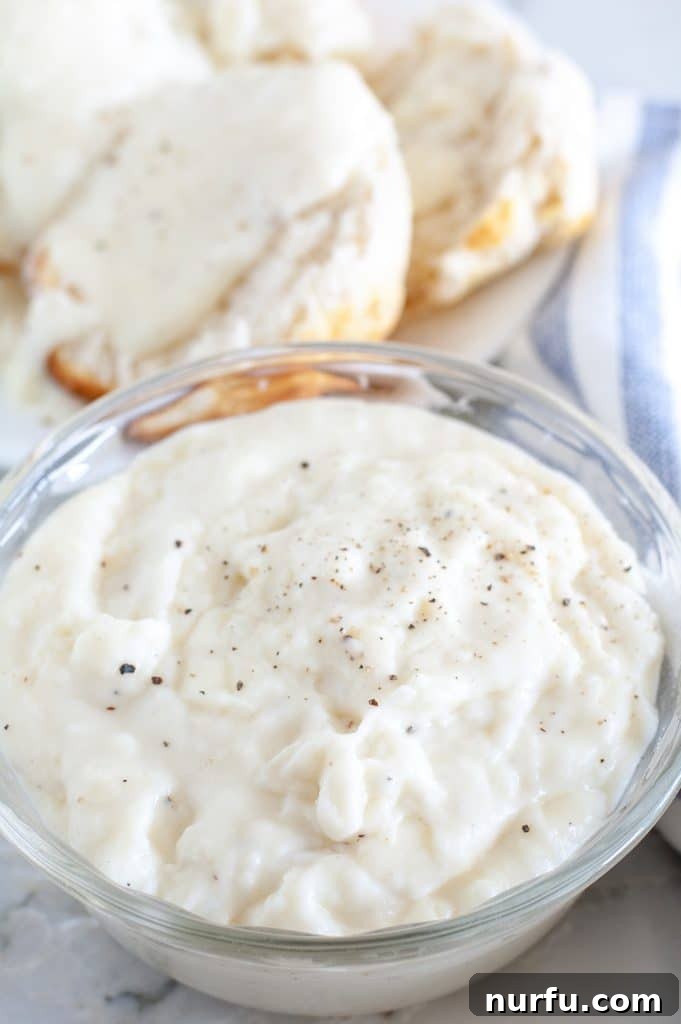
Gravy is a quintessential sauce, celebrated across many cultures for its ability to elevate simple meals into rich, flavorful experiences. It is fundamentally made from the flavorful pan drippings and juices secreted by meat during cooking, which are then thickened to a desired consistency, most commonly with flour or cornstarch. The diversity of gravy is vast, with regional and cultural variations providing distinct tastes and textures. Popular types include rich beef gravy, often served with roasts; creamy sawmill gravy, a Southern delight typically accompanying biscuits; and savory chicken gravy, a perfect complement to poultry. There’s also the classic white gravy, known for its milky base. Each type offers a unique profile, but all share the common goal of adding moisture, depth, and a comforting warmth to dishes, making gravy a beloved fixture at countless dinner tables.
14. Gnocchi
Gnocchi, pronounced “NYOH-kee,” are delightful small, soft dumplings that are a beloved part of Italian cuisine. Traditionally, they are made from a simple dough of cooked potato, flour, and egg, resulting in a light, pillowy texture that sets them apart from pasta. These barrel-shaped morsels are incredibly versatile and can be served in numerous ways. They are most commonly enjoyed tossed with a variety of sauces, from classic tomato-based ragus to creamy pesto or rich butter and sage. Gnocchi also make a wonderful addition to hearty soups, adding a comforting, substantial element. For a different twist, they can be baked in the oven as part of a sheet pan dinner, developing a slightly crispy exterior while remaining tender inside. Their comforting nature and adaptability have made gnocchi a favorite around the world.
15. Guava
Guava is an incredibly aromatic and flavorful tropical fruit, native to Central and South America. Typically oval or pear-shaped, its skin can range from light green to vibrant yellow, often with a slightly bumpy texture. Beneath its skin lies flesh that varies in color from white and pale pink to deep red, housing numerous small, edible seeds that contribute a pleasant fibrous crunch and are a great source of dietary fiber. Guava is often hailed as a “superfruit” due to its impressive nutritional profile; it contains as much potassium as a banana and its rind boasts even more Vitamin C than an orange. Each of the many varieties of guava offers subtle taste differences, with notes ranging from strawberry and pear to lemon or pineapple, making it a wonderfully complex and refreshing fruit enjoyed fresh, in juices, jams, and desserts.
16. Guacamole
Guacamole is a vibrant, creamy, and flavorful dip originating from Mexico, centered around the beloved avocado. This iconic condiment is a harmonious blend of mashed ripe avocados, finely minced garlic, chopped onion, fresh cilantro, diced seeded jalapeno for a hint of heat, bright lime juice, and a seasoning of salt and pepper. The result is a richly textured dip that balances creaminess with a refreshing tang and subtle spice. Guacamole is most famously enjoyed as a dip with crisp tortilla chips, but its versatility extends to being a fantastic garnish for a wide variety of Tex-Mex and other dishes, including tacos, burritos, and grilled meats. Did you know that you can easily freeze guacamole for up to three months, preserving its deliciousness for future enjoyment?
17. Giblets
Often found tucked inside the cavity of whole poultry, giblets refer to the edible offal of a bird, typically comprising the liver, heart, gizzard, and neck. These components are traditionally removed from a chicken, turkey, or other fowl before cooking the main bird. While some might discard them, giblets are highly prized in many culinary traditions for their rich flavor and nutritional value. They are frequently used to prepare deeply savory gravies, adding an unmatched depth to sauces often served with roast poultry. Additionally, giblets are a classic ingredient in stuffings, imparting a hearty, meaty flavor, and can be simmered to create flavorful broths for soups and stews. Utilizing giblets is a wonderful way to practice nose-to-tail cooking and make the most of every part of the animal.
18. Garlic
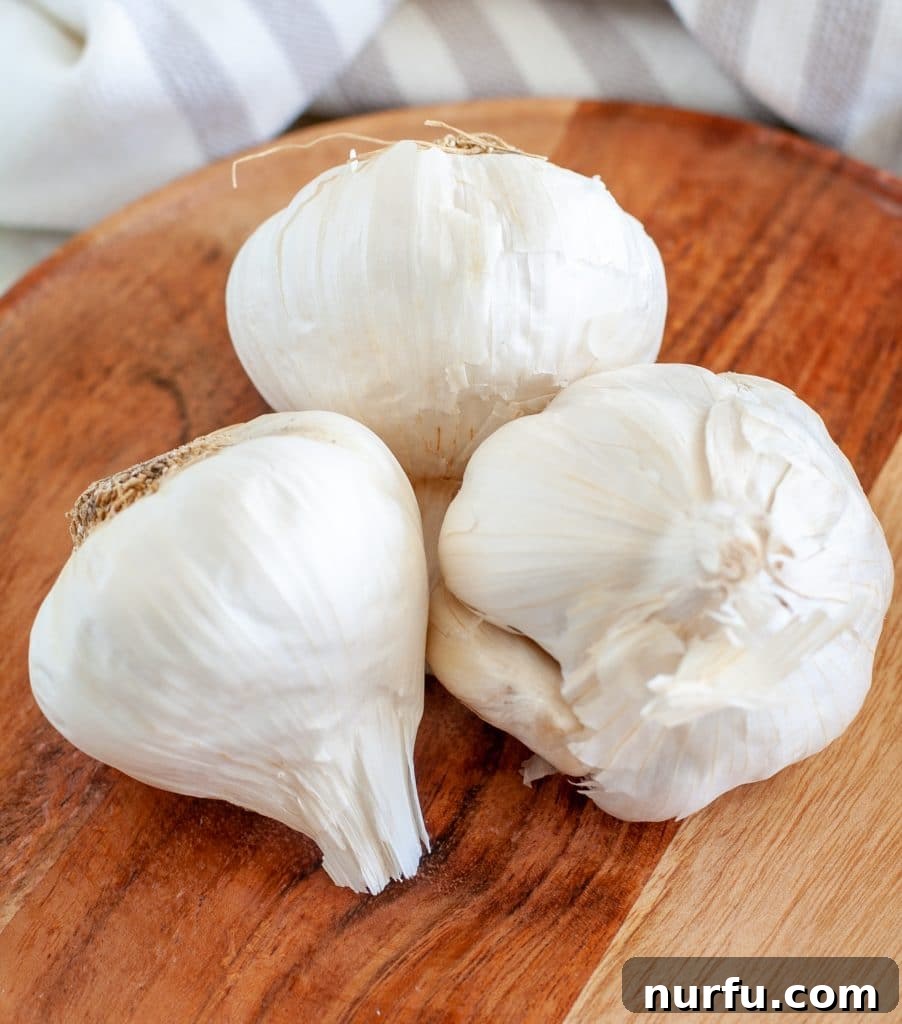
Garlic, a pungent and indispensable member of the onion family, alongside shallots, leeks, and chives, is a globally cherished ingredient. It grows as a bulb underground, composed of several individually wrapped cloves, each bursting with intense flavor. This common seasoning is a cornerstone in cuisines from virtually every corner of the world, imparting a distinctive savory, aromatic depth to countless dishes. Beyond its fresh form, an intriguing variation is black garlic, which undergoes a unique aging process. Whole bulbs are gently heated over several weeks, resulting in a caramelization that transforms the cloves into a deep brown, almost black, color. This process mellows garlic’s sharp pungency, yielding a sweet, syrupy flavor with delightful notes of balsamic vinegar and tamarind, making it a gourmet ingredient prized for its complex umami taste.
19. Goulash
Goulash is a hearty and iconic dish, primarily associated with Hungarian cuisine, where it typically presents as a rich soup or stew. Central to traditional goulash is its robust seasoning, with paprika being the star spice, imparting both vibrant color and a smoky, sweet warmth. It features tender pieces of meat (usually beef) combined with vegetables such as potatoes, carrots, and onions, all simmered slowly to create a deeply flavorful and comforting meal. In contrast, “American goulash” or “Johnny Marzetti” is a distinctly different, more economical casserole-style dish. This American version combines macaroni pasta, ground beef, and tomatoes, often seasoned simply and baked, creating a satisfying and family-friendly meal that, while comforting, bears little resemblance to its Hungarian namesake.
20. Ground Meat
Ground meat, also widely known as minced meat, refers to any cut of meat that has been finely chopped or “ground” using a meat grinder. This process significantly increases the surface area of the meat, making it cook faster and absorb flavors more readily. The texture of ground meat can vary from coarse to very fine, depending on the grinding plate used, allowing for versatility in recipes and catering to different taste preferences. A staple in kitchens worldwide, ground meat is incredibly versatile, forming the basis for countless dishes such as meatballs, burgers, tacos, meatloaf, and hearty casseroles. Its affordability and ease of preparation make it a popular choice for everyday cooking. For example, it’s a key ingredient in dishes like this comforting ground beef rice casserole and this flavorful crockpot taco meat.
21. Grapes
Grapes are succulent fruits botanically classified as berries, growing in inviting clusters on woody vines. Revered since ancient times, grapes are incredibly versatile and consumed in numerous forms globally. They can be enjoyed fresh as a sweet and refreshing snack or transformed into a myriad of products, including wine, jam, juice, jelly, raisins, and vinegar. Grape seed oil is also extracted and valued for its culinary and health properties. Grapes exhibit a spectacular range of colors, from crimson and deep black to dark blue, vibrant yellow, green, orange, and delicate pink, each offering subtle differences in flavor and sweetness. Commercially, grapes are primarily categorized into two types: table grapes and wine grapes. Table grapes are typically large, often seedless, with thinner skins and a sugar content of around fifteen percent, bred for direct consumption. Wine grapes, on the other hand, are usually smaller, possess thicker skins, contain higher sugar levels (around twenty-five percent), and are cultivated specifically for their juice’s fermentation into wine.
22. Grapefruit
Grapefruit is a subtropical citrus tree known for producing large, round fruits that range in taste from tart and semi-sweet to distinctly bitter. Interestingly, the grapefruit is a relatively recent citrus hybrid, believed to be a cross between a sweet orange and the pomelo, discovered in Barbados. Its segmented interior flesh varies dramatically in color, from a pale yellow to a vibrant dark pink or ruby red, with the darker varieties generally being sweeter. Grapefruit is a popular breakfast fruit, often cut in half and eaten with a spoon, and is also frequently juiced or used in salads and desserts for its refreshing, tangy kick. Beyond its culinary uses, grapefruit is rich in Vitamin C and antioxidants, making it a healthy and invigorating addition to one’s diet.
23. Ginger
Ginger, derived from the rhizome (underground stem) of the ginger plant, is a globally celebrated spice and a staple in traditional folk medicines across various cultures. This fragrant, fibrous root is renowned for its distinctive pungent, spicy, and slightly sweet flavor, making it incredibly versatile in the culinary world. It finds its way into a vast array of dishes, from savory stir-fries, soups, and stews to sweet candies, baked goods, and refreshing beverages like ginger ale and alcoholic cocktails. When using fresh ginger, it should typically be minced or grated into recipes to best disperse its powerful flavor. A useful conversion for cooking is that fresh ginger can be substituted with ground ginger using a six-to-one ratio (e.g., 6 parts fresh to 1 part ground); however, it’s important to note that the taste profiles are not identical, with fresh ginger offering a brighter, more vibrant zest.
24. Gumbo
Gumbo is a quintessential Louisiana Creole soup or stew, deeply rooted in the rich culinary traditions of the region. This iconic dish is characterized by a strongly flavored stock, a choice of meat or shellfish, a distinct thickener, and the aromatic “holy trinity” of Cajun/Creole cooking: celery, bell peppers, and onions. The signature dense quality of gumbo’s broth is often achieved through a roux, a classic French-inspired mixture of oil and flour cooked slowly over low heat until it reaches a dark, nutty brown color, imparting incredible depth of flavor. However, variations exist; some cooks prefer to thicken their gumbo with okra, a vegetable native to Africa, or with file powder, which is made from dried sassafras leaves. Creole gumbo typically highlights seafood like shrimp, crab, and oysters, while Cajun gumbo often features fowl such as chicken or duck, alongside sausage or ham. Regardless of the regional style, gumbo is traditionally served piping hot over a bed of white rice, offering a truly comforting and complex taste experience.
25. Ghee
Ghee is a type of clarified butter, integral to South Asian, Middle Eastern, and African cuisines, particularly Indian cooking and Ayurvedic medicine. It’s essentially butter from which milk solids and water have been removed through a slow heating process, leaving behind pure butterfat. While it retains the beloved taste of butter, ghee boasts a distinct slightly roasted, nutty flavor and aroma that adds a unique richness to dishes. Its origins trace back to ancient India, where it was developed as a practical method to preserve butter without the need for refrigeration, thanks to its higher smoke point compared to regular butter. The flavor of ghee can vary depending on the heat used during clarification: a low, slow heat yields a milder taste, while higher heat produces a more pronounced, stronger, and nuttier flavor. Ghee is prized for its golden color, robust flavor, and its ability to withstand high temperatures without burning, making it excellent for sautéing, frying, and tempering spices.
26. Gherkin
A gherkin is a specific and distinct variety of small cucumber, cultivated primarily for the purpose of pickling. These tiny cucumbers are typically harvested when they are young and immature, resulting in a firm texture and a slightly bumpy, wart-like skin. While gherkins can technically be eaten raw, their tough skin is often peeled if consumed fresh. Their true culinary calling, however, lies in their transformation into pickles. Brined and spiced, gherkins become the crisp, tangy, and sometimes sweet-and-sour pickles enjoyed worldwide as a condiment, a snack, or an accompaniment to various meals. Their small size makes them perfect for individual servings and their intense flavor adds a delightful contrast to richer foods.

27. Gelatin
Gelatin is a fascinating, colorless, and tasteless protein that is water-soluble and plays a crucial role as a gelling agent in numerous applications. It is prepared from collagen, a protein naturally found in animal connective tissues, bones, and skin. In the culinary world, gelatin is indispensable for creating a wide array of foods, including jellies, mousses, gummy candies, and aspics, giving them their characteristic wobbly or firm texture. Beyond food, it’s also utilized in beverages, medications, the encapsulation of drugs and vitamins, and even in photographic films. In its dry form, gelatin is brittle, but when moistened, it becomes gummy and pliable. It’s commonly sold in individual pouches, with each standard packet typically containing two and a half teaspoons of unflavored gelatin, ready to be dissolved and activated to create stable, appealing textures in a myriad of products.
28. Graham Crackers
Graham crackers are a beloved sweet-flavored cracker that originated in the United States in the mid-19th century, named after Sylvester Graham, a Presbyterian minister who advocated for dietary reform. These distinctive crackers are made with graham flour, a coarsely ground whole wheat flour that gives them their unique texture and slightly nutty flavor. Typically flavored with honey or cinnamon, graham crackers are a popular snack food enjoyed on their own, often paired with milk or coffee. However, their culinary utility extends far beyond simple snacking; they are an essential ingredient in many desserts. They form the crunchy base for countless pie crusts, especially cheesecakes and key lime pies, and are famously used to make classic American treats like s’mores (roasted marshmallow and chocolate sandwiched between two graham crackers) and moon pies.
29. Garden Peas
Garden peas, also widely known as sweet peas or English peas, are small, spherical seeds grown inside a protective pod on a vining plant. These vibrant green legumes are prized for their tender texture and naturally sweet flavor, making them a popular vegetable in cuisines worldwide. Unlike snow peas or snap peas, garden peas are typically removed from their fibrous pods before consumption, either eaten fresh, boiled, steamed, or added to various dishes. They are a good source of vitamins K and C, as well as dietary fiber. Garden peas are incredibly versatile, featuring prominently in side dishes, salads, soups, and stews. One of our favorite and easiest dishes to make with these delightful legumes is this refreshing and creamy easy pea salad, perfect for a light meal or potluck.

30. Garbanzo Beans
Garbanzo beans are simply the Spanish name for chickpeas, a versatile and highly nutritious legume with a rich, nutty taste and a buttery texture. These round, beige beans are a staple in many global cuisines, particularly in the Middle East, India, and the Mediterranean. Garbanzo beans are an excellent source of both fiber and protein, making them a superb ingredient for vegetarian and vegan diets, contributing to satiety and overall digestive health. They are the key ingredient in hummus, the creamy and popular Middle Eastern dip, and are also extensively used in salads, hearty soups, flavorful stews, and aromatic curries. Furthermore, roasted garbanzo beans make for a wonderfully crispy and healthy snack. Their ability to absorb flavors and add a substantial texture makes them a favorite for both home cooks and professional chefs.
31. Green Beans
Green beans are the unripe, young fruits of the common bean plant, harvested and consumed with their tender pods before the bean seeds within have fully matured. Known by a variety of names including French beans, string beans, snap beans, and the French “haricot vert,” they are a widely popular and versatile vegetable. With over 130 varieties, green beans can be grown as bush beans (compact and self-supporting), pole beans (vining and requiring support), or half-runners (a combination of both). They are available fresh, frozen, or canned, offering convenience year-round. Green beans can be enjoyed in numerous ways: raw in salads, lightly steamed or boiled, stir-fried to retain their crispness, or baked in classic casseroles. Their mild, slightly sweet flavor and satisfying snap make them a fantastic addition to soups, stews, and countless side dishes across various cuisines.
32. Greek Yogurt
Greek yogurt, also commonly referred to as strained yogurt, is a dairy product that undergoes a specific straining process to remove most of its whey (the liquid component of milk). This removal of whey results in a significantly thicker, creamier consistency and a tangier flavor profile compared to regular yogurt. Nutritionally, Greek yogurt stands out for its lower sugar content and notably higher protein value, making it a favorite among health-conscious individuals and athletes. Its robust texture and lower tendency to curdle when heated make it incredibly versatile in the kitchen, suitable for both cooked and uncooked dishes. It shines in sweet preparations like parfaits and smoothies, and equally well in savory applications such as dips (like tzatziki), marinades, and as a creamy base for sauces, offering a healthier alternative to sour cream or mayonnaise.
33. Gingersnaps
Gingersnaps are a classic, crispy cookie, celebrated for their distinctively bold and spicy flavor profile. These delightful treats derive their characteristic warmth from a generous blend of ground ginger, cinnamon, and cloves, all harmonized by the deep, rich sweetness of molasses. The name “gingersnap” itself hints at their signature crisp texture, as they are designed to “snap” when broken. Popular during the holiday season and throughout the colder months, gingersnaps are perfect for pairing with a cup of tea or coffee, or as a flavorful addition to dessert crusts. Their robust spice blend offers a comforting and invigorating taste that has made them a timeless favorite across generations.
34. Gammon
Gammon refers to the hind leg of a pig that has been cured, much like bacon or ham, but is sold raw and requires cooking before consumption. This term is most commonly used in the United Kingdom and Ireland. While similar to ham in its curing process, gammon is distinct because it still needs to be cooked, whereas ham is typically sold already cooked or dry-cured to be eaten cold. Gammon steaks are a popular pub and home meal, often grilled or fried and served with eggs or pineapple. The curing process gives gammon a characteristic salty flavor that is less intense than some hams, making it a versatile meat that can be boiled, roasted, or pan-fried to produce tender, flavorful results. It’s comparable to eating fresh pork meat that has been flavored and preserved through curing.
35. Galantine
Galantine is an exquisite and elaborate dish in French cuisine, renowned for its elegant presentation and rich flavors. This sophisticated preparation involves deboning a whole fowl, typically a chicken, duck, or other poultry, and then stuffing it with a highly seasoned forcemeat. The forcemeat is usually a mixture of other minced meats (sometimes the bird’s own flesh), herbs, spices, and sometimes truffles or pistachios. Once stuffed, the deboned and filled bird is rolled into a cylindrical shape, often tied with string, and then poached or braised in a flavorful stock. After cooking, it’s typically chilled and served cold, sliced into elegant rounds, often coated in its own natural jelly (aspic). Galantine is a traditional dish for festive occasions and banquets, showcasing a chef’s skill and offering a truly luxurious culinary experience.
36. Galliano
Galliano is a distinctive Italian herbal liqueur, immediately recognizable by its tall, slender bottle and bright yellow hue. Developed in 1896 in Tuscany by Arturo Vaccari, this sweet liqueur is characterized by its complex and aromatic flavor profile, derived from an infusion of over 30 different herbs and spices. Key notes often include vanilla (a dominant flavor), anise, ginger, and citrus, creating a wonderfully balanced and intriguing taste. Galliano is frequently used in cocktails, most notably as a crucial ingredient in the Harvey Wallbanger, where it’s floated on top of a screwdriver. Its unique botanical sweetness also makes it a delightful addition to various dessert recipes or simply enjoyed neat or on the rocks as a sophisticated after-dinner drink, offering a taste of Italian heritage in every sip.
37. Glogg
Glogg is a cherished traditional Nordic drink, a spiced, hot mulled wine or spirit that is deeply intertwined with winter festivities and the holiday season. With a history dating back to the 16th century, Glogg is more than just a beverage; it’s a symbol of warmth and hospitality in Scandinavian countries. It typically consists of red wine (or sometimes a stronger spirit like brandy or aquavit) infused with a fragrant blend of spices such as cinnamon sticks, cardamom pods, cloves, and bitter orange peel, often sweetened with sugar and sometimes fortified with raisins and almonds. Numerous variations of Glogg recipes exist, ranging from non-alcoholic versions made with berry juice to potent alcoholic concoctions. It is traditionally served warm in small mugs, making it the perfect comforting drink to ward off the winter chill and celebrate togetherness.
38. Garambulla
Garambulla (Myrtillocactus geometrizans) is an intriguing and relatively rare fruit, native to Mexico, particularly found in arid and semi-arid regions. This small, tasty, berry-like fruit grows on a columnar cactus and bears a striking resemblance to grapes or blueberries in size and appearance. The fruit is typically dark purple or blue when ripe, offering a sweet and slightly tart flavor with a delicate texture. While not as widely known as other fruits, garambulla is prized locally for its refreshing taste and is often consumed fresh. It can also be used to make jams, jellies, and desserts, offering a unique flavor profile that captures the essence of its desert origins. Discovering garambulla is a delightful journey into the lesser-known but equally delicious fruits of the world.
39. Genipap
Genipap, also known as Huito, is a remarkable fruit that starts with G, primarily found in the lush forests of South and Central America, as well as parts of the Caribbean. This fruit, botanically known as Genipa americana, is roughly the size and shape of an orange or grapefruit, encased in a thick, hard rind that changes color from green to yellowish-brown when ripe. The pulp inside is edible and somewhat fibrous, offering a unique sweet-sour taste that is often described as a mix of dried apples and berries. While the ripe fruit can be eaten fresh, it is more commonly used to make juices, jams, and ice creams. Historically, the unripe fruit has also been used by indigenous communities to produce a blue-black dye for body painting and tattooing, which is temporary but long-lasting on the skin, adding to its cultural significance.
40. Genip
Rounding out our extensive list of foods that start with G is the Genip, a term that refers to both the fruit and the fruit-bearing tree (Melicoccus bijugatus), predominantly found in the Caribbean, Central, and South America. Often called Spanish lime or quenepa, the genip tree produces abundant clusters of small, round, green fruits that are highly sought after for their sweet and tangy pulp. The fruit itself has a thin, brittle green skin that is typically cracked open to reveal a single large seed encased in a translucent, salmon-colored, juicy pulp. This succulent pulp is the edible part, offering a refreshing and subtly sweet-tart flavor profile. While the Genipap (from the Genipa americana tree) is a larger fruit known for its dye properties, the Genip is cherished for its delightful, easy-to-eat pulp, making it a popular street snack and seasonal treat in many tropical regions.
More foods that start with…
- Foods that start with L
- Foods that start with H
- Foods that start with Y
- Foods that start with E
- Foods that start with N
- Foods that start with W