
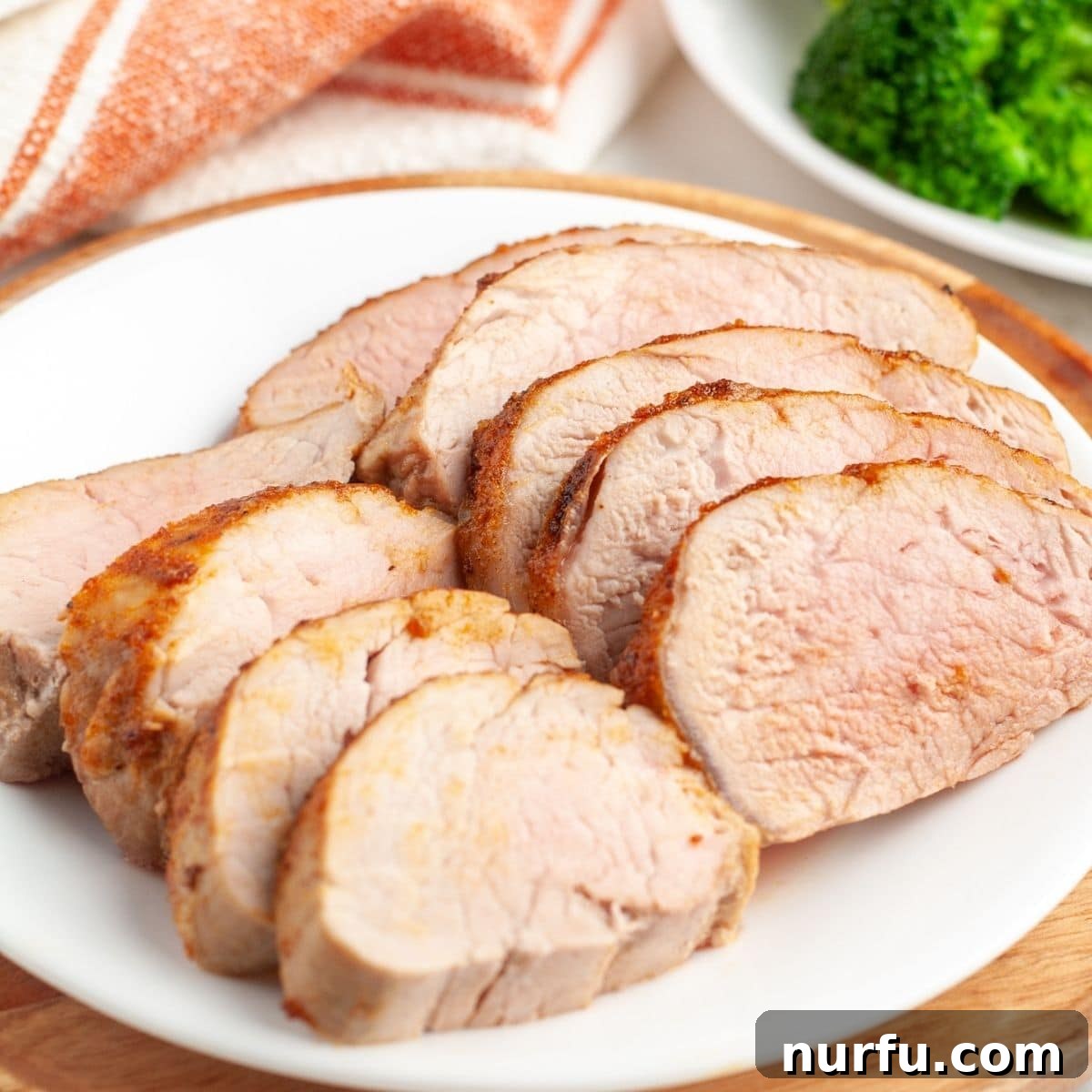
Perfectly Baked Pork Tenderloin at 400 Degrees: Your Guide to Juicy, Tender Results
Discover the secret to a mouthwatering, juicy baked pork tenderloin that becomes an instant family favorite! This comprehensive guide answers the common question: how long to cook pork tenderloin in the oven at 400 degrees Fahrenheit, providing you with a simple yet incredibly flavorful recipe for perfectly tender results every single time. Get ready to impress with minimal effort and maximum taste.
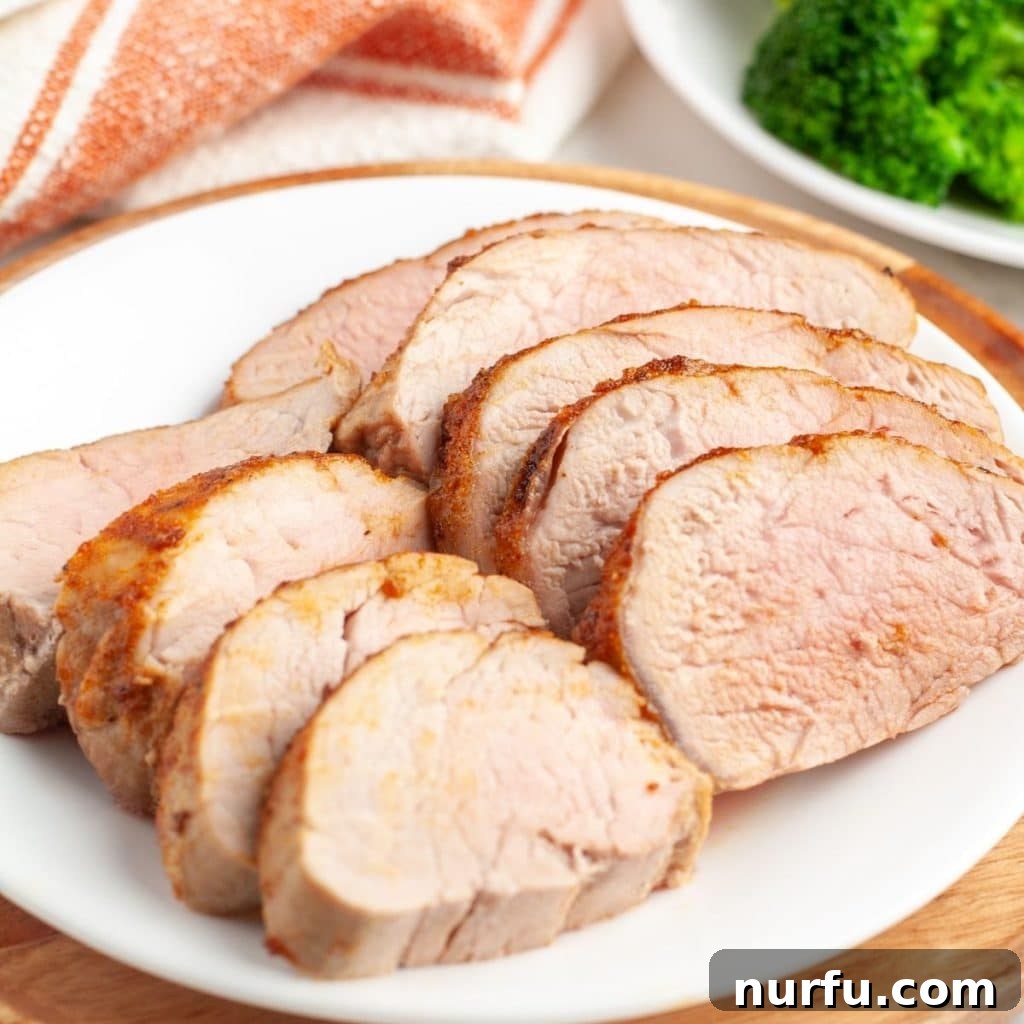
This easy baked pork tenderloin recipe is a staple in many kitchens for good reason. It’s not only bursting with flavor but also incredibly simple to prepare, making it an ideal choice for busy weeknights or a relaxed weekend meal. Much like our popular baked pork chops, this dish is versatile and pairs wonderfully with a wide array of side dishes. Imagine it alongside fresh steamed broccoli, crispy sweet potato fries, savory seasoned rice, or delightful fried okra. This article will walk you through everything you need to know to achieve pork tenderloin perfection.
Table of Contents
- How Long to Cook Pork Tenderloin at 400 Degrees F?
- Why Choose Pork Tenderloin for Your Next Meal?
- Essential Ingredients for a Flavorful Tenderloin
- Step-by-Step Guide to Oven-Baked Pork Tenderloin at 400 Degrees
- Optimal Oven Temperature and Internal Doneness for Pork Tenderloin
- Pro Tips for the Best Baked Pork Tenderloin
- What to Serve with Baked Pork Tenderloin
- Storing and Reheating Leftover Pork Tenderloin
- Easy Baked Pork Tenderloin Recipe Card
- More Delicious Pork Recipes
How Long to Cook Pork Tenderloin at 400 Degrees F?
The cooking time for pork tenderloin in the oven can vary slightly based on a few factors, primarily the thickness of the tenderloin and your desired level of doneness. Generally, when baking at a high temperature like 400 degrees Fahrenheit, a single pork tenderloin will typically take about 20-25 minutes to cook through. This higher temperature helps create a beautiful sear on the outside while keeping the inside incredibly moist and tender. Always rely on an instant-read meat thermometer to ensure perfect results and food safety, aiming for an internal temperature of 145 degrees F.
Why Choose Pork Tenderloin for Your Next Meal?
Pork tenderloin is often hailed as a chef’s secret for quick, healthy, and satisfying meals, and for good reason! This lean cut of meat offers numerous advantages that make it a fantastic choice for any home cook. Firstly, its inherent tenderness means it cooks quickly, making it ideal for those busy weeknights when time is of the essence. You can go from raw meat to a gourmet-quality meal in under an hour. Secondly, pork tenderloin is incredibly versatile, acting as a blank canvas for a vast array of flavors. Whether you prefer sweet, savory, spicy, or herby profiles, it adapts beautifully to various marinades and spice rubs. Furthermore, it’s a very lean protein source, making it a healthier option compared to some other cuts of meat, allowing you to enjoy a flavorful meal without excess fat. Its mild flavor also makes it appealing to a wide range of palates, including picky eaters, ensuring everyone at the table will enjoy this delectable dish.
Essential Ingredients for a Flavorful Tenderloin
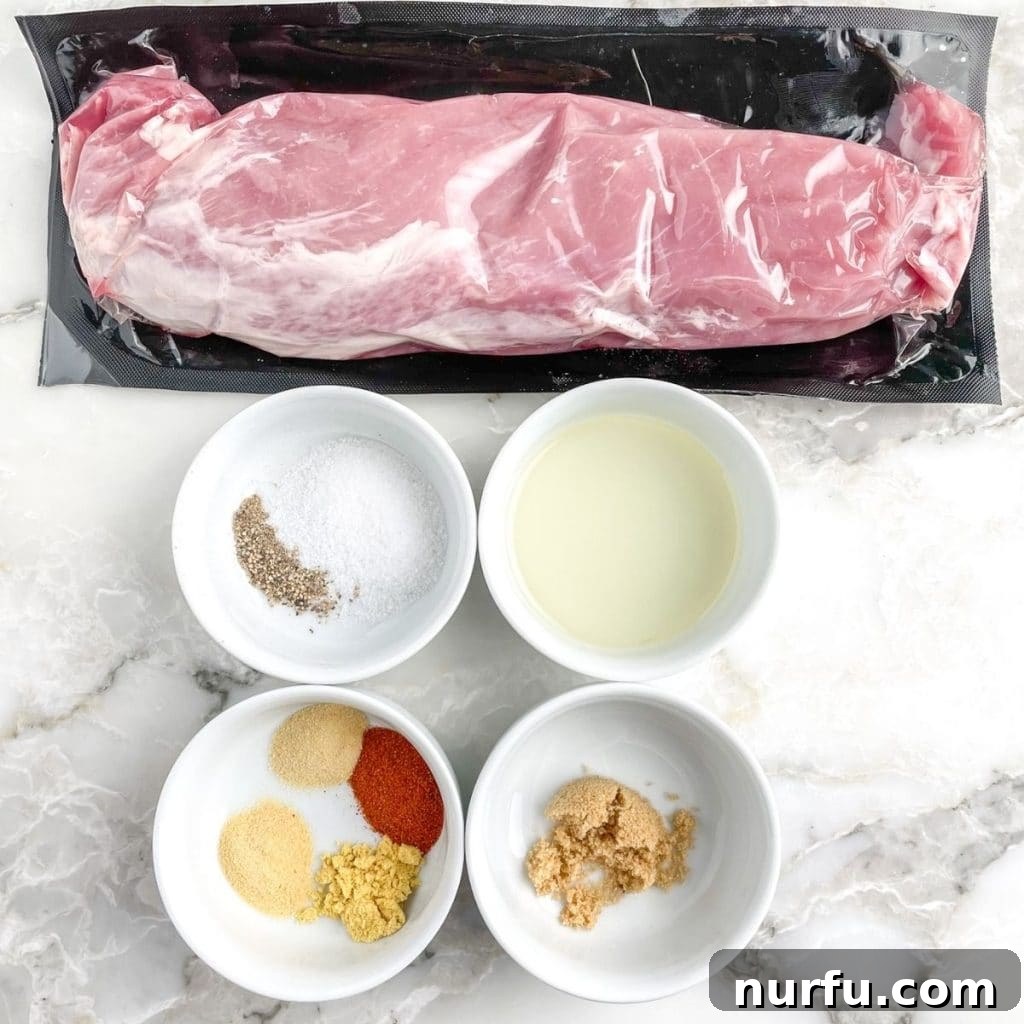
Creating an exceptionally juicy and flavorful baked pork tenderloin starts with a few simple, high-quality ingredients. Here’s what you’ll need:
- Pork Tenderloin: The star of our dish! You can bake one or two tenderloins simultaneously. If preparing two, remember to double the spice mixture to ensure both pieces are generously coated for maximum flavor. Look for tenderloins that are roughly similar in size for even cooking.
- Olive Oil: A crucial ingredient that not only helps the spices adhere to the meat but also contributes to browning the exterior of the pork during baking, creating a delicious crust. Extra virgin olive oil adds a subtle fruity note.
- Seasonings: This recipe features an easy-to-mix dry rub that delivers incredible depth of flavor. Our blend includes:
- Garlic Powder: For a foundational savory aroma.
- Onion Powder: Adds another layer of aromatic savory flavor.
- Ground Mustard: Provides a subtle tangy kick that complements pork beautifully.
- Paprika: Contributes a mild sweetness and vibrant color.
- Brown Sugar: A touch of sweetness helps balance the savory spices and promotes caramelization, enhancing the crust.
- Salt: Essential for seasoning the meat and bringing out its natural flavors.
- Ground Black Pepper: Adds a hint of warmth and pungency.
Feel free to customize this mixture based on your preferences. You can experiment with different herbs like dried thyme or rosemary, or even try a store-bought chicken seasoning or pork rub if you have a favorite.
Step-by-Step Guide to Oven-Baked Pork Tenderloin at 400 Degrees
Follow these simple steps to prepare a perfectly cooked, juicy pork tenderloin:
Step One: Prepare the Pork Tenderloin
Begin by carefully inspecting your pork tenderloin. If present, remove the silver skin – a tough, silvery membrane that doesn’t break down during cooking and can make the meat chewy. Use a sharp knife to gently slide it under the silver skin and slice it away. Trim off any excessive fat as well. Once prepared, pat the tenderloin thoroughly dry with paper towels. This crucial step helps create a better crust during baking.
Step Two: Preheat and Prepare Baking Dish
Preheat your oven to a consistent 400 degrees Fahrenheit (200 degrees Celsius). While the oven preheats, lightly spray a casserole dish or a sturdy baking dish with a non-stick cooking spray to prevent the pork from sticking. Once prepped, place the dried pork tenderloin in the prepared baking dish.
Step Three: Season the Pork
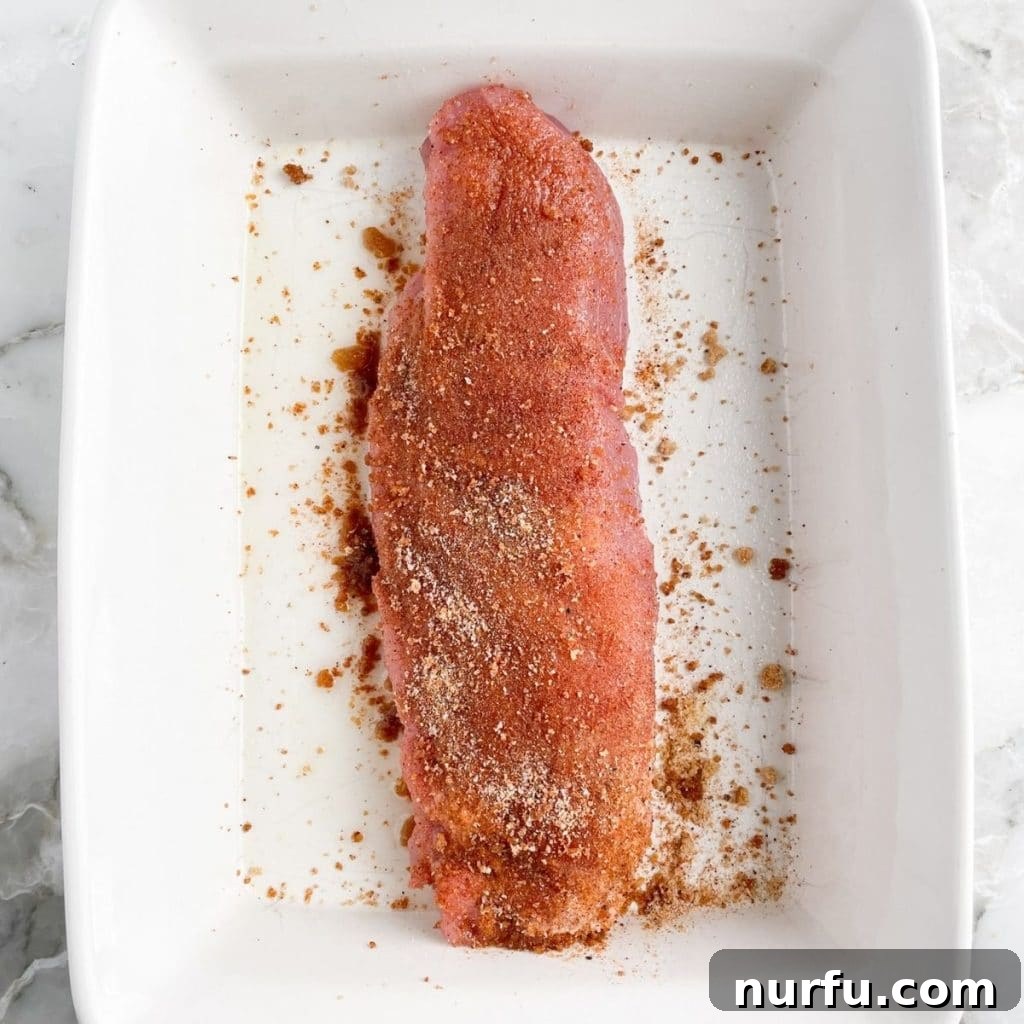
In a small bowl, combine all your chosen spices and brown sugar. Mix them well until uniformly blended. Now, rub a tablespoon of olive oil evenly over the entire surface of the pork tenderloin. This acts as a binder for the seasoning and aids in browning. Generously sprinkle the spice mixture over the oiled pork, ensuring you cover all sides of the tenderloin for maximum flavor penetration and an even crust.
Step Four: Bake to Perfection
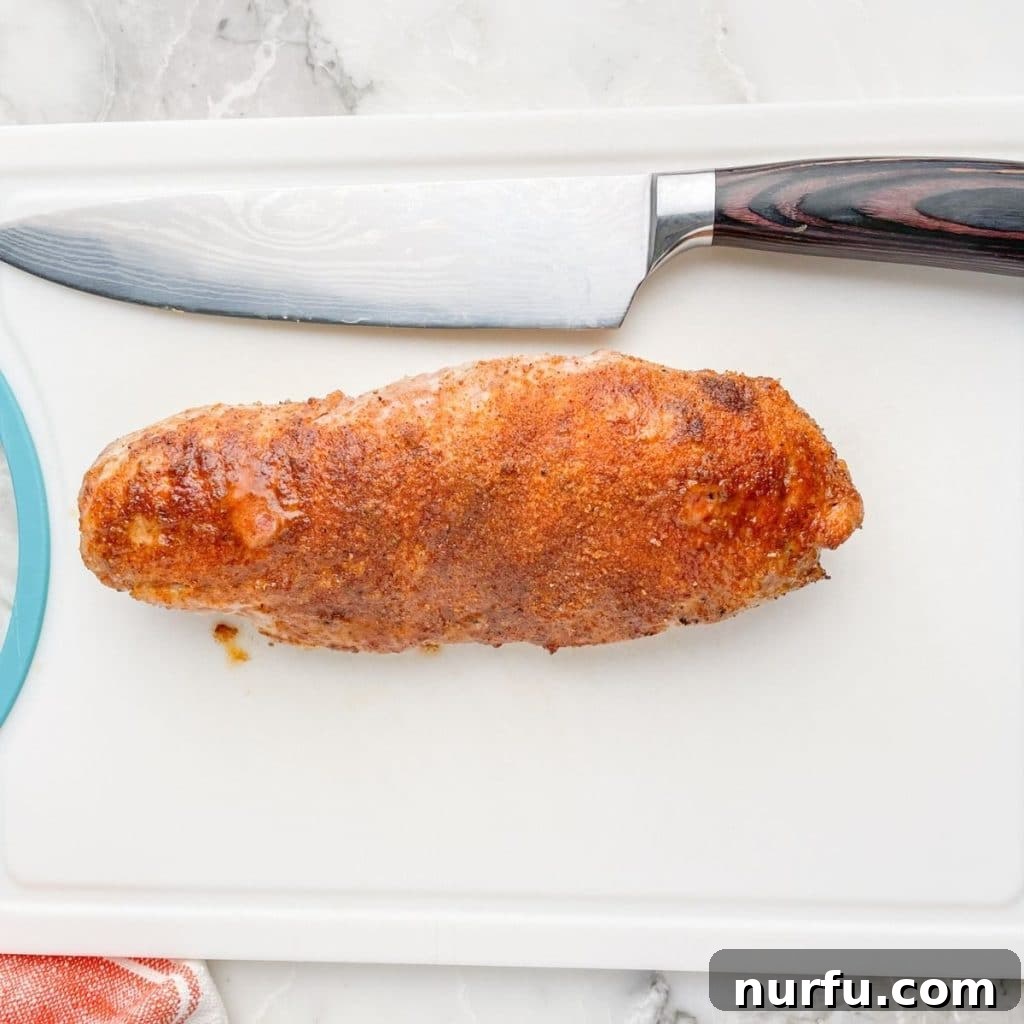
Place the seasoned pork tenderloin in the preheated oven and bake for approximately 20-25 minutes. The key to perfectly cooked pork is reaching the correct internal temperature. After 20 minutes, insert an instant-read meat thermometer into the thickest part of the tenderloin, being careful not to touch any bone (though tenderloins are typically boneless). The National Pork Board recommends an internal temperature of 145 degrees F for a medium-rare, juicy result with a hint of pink in the center. If your pork hasn’t reached 145 degrees F, continue cooking for another 2-5 minutes, checking again until the desired temperature is achieved. For those who prefer no pink, cook for closer to 25-30 minutes, aiming for 150-155 degrees F before resting.
Step Five: Rest and Serve
Once the pork tenderloin reaches its target internal temperature, carefully remove the baking dish from the oven. Transfer the tenderloin to a clean cutting board and allow it to rest for at least 5-10 minutes. This resting period is critical as it allows the juices within the meat to redistribute, ensuring a moist and tender result. Skipping this step can lead to dry pork as the juices will simply run out when you slice it. After resting, slice the tenderloin against the grain with a sharp knife and serve immediately. Enjoy your perfectly baked, juicy pork!
Optimal Oven Temperature and Internal Doneness for Pork Tenderloin
While pork tenderloin can be cooked at various temperatures, baking it at a higher temperature, such as 400 degrees Fahrenheit, is often preferred for several reasons. This elevated temperature facilitates a beautiful Maillard reaction on the exterior, resulting in a golden-brown crust and enhanced flavor. It also cooks the tenderloin relatively quickly, which is beneficial for a lean cut that can dry out if overcooked or exposed to heat for too long. The rapid cooking at 400°F ensures the exterior develops a delicious texture while the interior remains incredibly moist.
According to the National Pork Board, the optimal internal temperature for cooked pork tenderloin is 145 degrees Fahrenheit. This temperature yields a medium doneness, characterized by a slight pinkness in the center, guaranteeing a tender and exceptionally juicy piece of meat. It’s a common misconception that pork must be cooked to a dry, gray well-done stage to be safe. Modern pork production practices have made it safe to enjoy pork at a medium internal temperature, similar to how beef steaks are prepared. However, if you prefer your pork more cooked, you can certainly take it up to 150-155 degrees Fahrenheit for a medium-well finish, or even 160 degrees Fahrenheit if you prefer it completely well-done. Just be mindful that cooking past 145 degrees F will gradually reduce the juiciness. Always use an accurate instant-read meat thermometer to confidently achieve your desired doneness.
Pro Tips for the Best Baked Pork Tenderloin
Achieving a perfectly cooked pork tenderloin is easy with a few expert tips:
- To Cover or Not to Cover: It is generally not necessary to cover the baking dish with aluminum foil when cooking pork tenderloin at 400°F. Leaving it uncovered allows for better browning and a delicious crust to form on the outside of the meat. If you find it browning too quickly towards the end of cooking, you can loosely tent it with foil, but this is rarely needed for a quick-cooking tenderloin.
- The Importance of a Meat Thermometer: This is arguably the most crucial tool for baking pork tenderloin. To guarantee perfect doneness and food safety, always use an instant-read meat thermometer to check the internal temperature of the pork. Inserting the thermometer into the thickest part of the meat will give you the most accurate reading.
- Avoid Overcooking: Pork tenderloin is a wonderfully lean cut of meat, which means it can dry out very quickly if overcooked. This is why paying close attention to the internal temperature is vital. Remove it from the oven as soon as it reaches 145-150°F to ensure it remains incredibly juicy and tender.
- Don’t Skip the Rest: The resting period is not just a suggestion; it’s a critical step for moist pork. Make sure to let the pork rest for at least 5-10 minutes on a cutting board before slicing. During this time, the muscle fibers relax, and the internal juices, which have migrated to the center during cooking, redistribute throughout the meat, resulting in a much more succulent and tender slice.
- Works with Pre-Marinated Tenderloins: This cooking method is incredibly versatile and can be used not only for homemade seasoned tenderloins but also for pre-marinated or pre-seasoned pork tenderloins purchased from your grocery store. Adjust your seasoning step accordingly if using a pre-seasoned product.
- Add Fresh Herbs: Elevate the flavor profile by adding fresh herbs. Sprigs of fresh thyme, rosemary, or even a few bay leaves placed directly in the baking dish with the pork can infuse it with wonderful aromatic notes as it bakes.
- Consider Searing First (Optional): For an even deeper crust and richer flavor, consider searing the tenderloin in an oven-safe skillet on the stovetop for 2-3 minutes per side before transferring the skillet to the oven to finish baking. This adds another layer of texture and caramelization.
What to Serve with Baked Pork Tenderloin
Baked pork tenderloin is a versatile main course that pairs beautifully with a variety of side dishes, allowing you to create a complete and satisfying meal. Here are some popular and delicious pairing ideas:
- Roasted Vegetables: Roasting vegetables like asparagus, Brussels sprouts, carrots, or root vegetables with a little olive oil, salt, and pepper alongside the pork (or separately) creates a hearty and flavorful accompaniment.
- Potatoes: Mashed potatoes, roasted potatoes, crispy potato wedges, or even a creamy potato gratin make excellent partners. Sweet potato fries or baked sweet potatoes also offer a nice contrast in flavor.
- Rice Dishes: A simple seasoned rice, wild rice pilaf, or even a light risotto can provide a comforting base for the pork.
- Green Salads: A fresh, crisp green salad with a light vinaigrette can offer a refreshing counterpoint to the richness of the pork, adding texture and brightness.
- Fruit Salsas or Chutneys: The sweetness and acidity of fruit salsas (like apple, peach, or pineapple) or savory chutneys can beautifully complement pork, cutting through its richness and adding a vibrant flavor burst.
- Dinner Rolls or Crusty Bread: Perfect for soaking up any delicious pan juices or simply enjoying alongside the meal.
Storing and Reheating Leftover Pork Tenderloin
Leftover pork tenderloin can be just as delicious the next day, offering a fantastic base for quick and easy meals. To store leftovers safely and effectively, ensure the cooked meat has cooled down to room temperature within two hours of cooking. Once cooled, transfer the pork tenderloin to an airtight container and store it in the refrigerator for up to 3 days. Freezing is also an option; wrap slices tightly in plastic wrap and then foil, or place in a freezer-safe bag for up to 2-3 months.
When reheating, it’s best to do so gently to avoid drying out this lean cut. For individual servings, slice the pork and reheat briefly in a microwave, or gently warm in a skillet with a splash of broth over medium-low heat until just heated through. For larger portions, you can reheat in the oven at a low temperature (around 275°F) until warmed, covering with foil to retain moisture. Leftover pork tenderloin is fantastic in sandwiches, salads, stir-fries, or even diced into tacos or quesadillas.
Easy Baked Pork Tenderloin Recipe Card
Cook Pork Tenderloin In The Oven At 400 Degrees
Heather Seeley
5 mins
22 mins
28 mins
6
Rate Recipe
Print Recipe
Ingredients
- 1 pork tenderloin
- 1 tablespoon olive oil
- 1/2 teaspoon garlic powder
- 1/2 teaspoon onion powder
- 1/2 teaspoon paprika
- 1/4 teaspoon ground mustard
- 1 tablespoon brown sugar
- 1/4 teaspoon salt
- 1/4 teaspoon ground black pepper
Instructions
-
Preheat the oven to 400 degrees F (200 degrees C). Lightly spray a casserole dish or baking dish with non-stick cooking spray.
-
Combine all of the spices and brown sugar in a small bowl and mix well.
-
Place pork tenderloin in the baking dish. Rub evenly with olive oil. Sprinkle the seasoning mix generously over the pork, ensuring all sides are covered.
-
Bake for 20-25 minutes, or until the internal temperature reaches 145 degrees F (63 degrees C) for a juicy, medium doneness. If you prefer no pink, cook for 25-30 minutes, aiming for 150-155 degrees F. Always use an instant-read meat thermometer to verify.
-
Let the meat rest on a cutting board for about 5-10 minutes before slicing to allow the juices to redistribute for maximum tenderness. Slice against the grain and serve.
Nutrition
Carbohydrates: 2g |
Protein: 63g |
Fat: 13g |
Saturated Fat: 4g |
Polyunsaturated Fat: 2g |
Monounsaturated Fat: 6g |
Trans Fat: 1g |
Cholesterol: 197mg |
Sodium: 255mg |
Potassium: 1201mg |
Fiber: 1g |
Sugar: 2g |
Vitamin A: 89IU |
Vitamin C: 1mg |
Calcium: 22mg |
Iron: 3mg
Nutrition information is automatically calculated, so should only be used as an approximation.
Additional Info
Main Course
American
More Delicious Pork Recipes
If you loved this baked pork tenderloin recipe, you’ll be thrilled to explore more easy and delicious pork dishes that are perfect for any occasion. Here are some of our other favorite pork-centric recipes to add to your culinary repertoire:
- Air Fryer Pork Loin: A fantastic way to get a crispy exterior and tender interior with minimal oil.
- Leftover Pulled Pork Recipes: Creative and delicious ideas for transforming your leftover pulled pork into exciting new meals.
- Instant Pot Country Style Ribs: Fall-off-the-bone tender ribs made quickly and easily in your Instant Pot.
We hope this guide helps you achieve the most delicious, juicy baked pork tenderloin! We’d love to hear about your experience. Did you try this pork recipe? Let me know how it turned out in the comments below!