
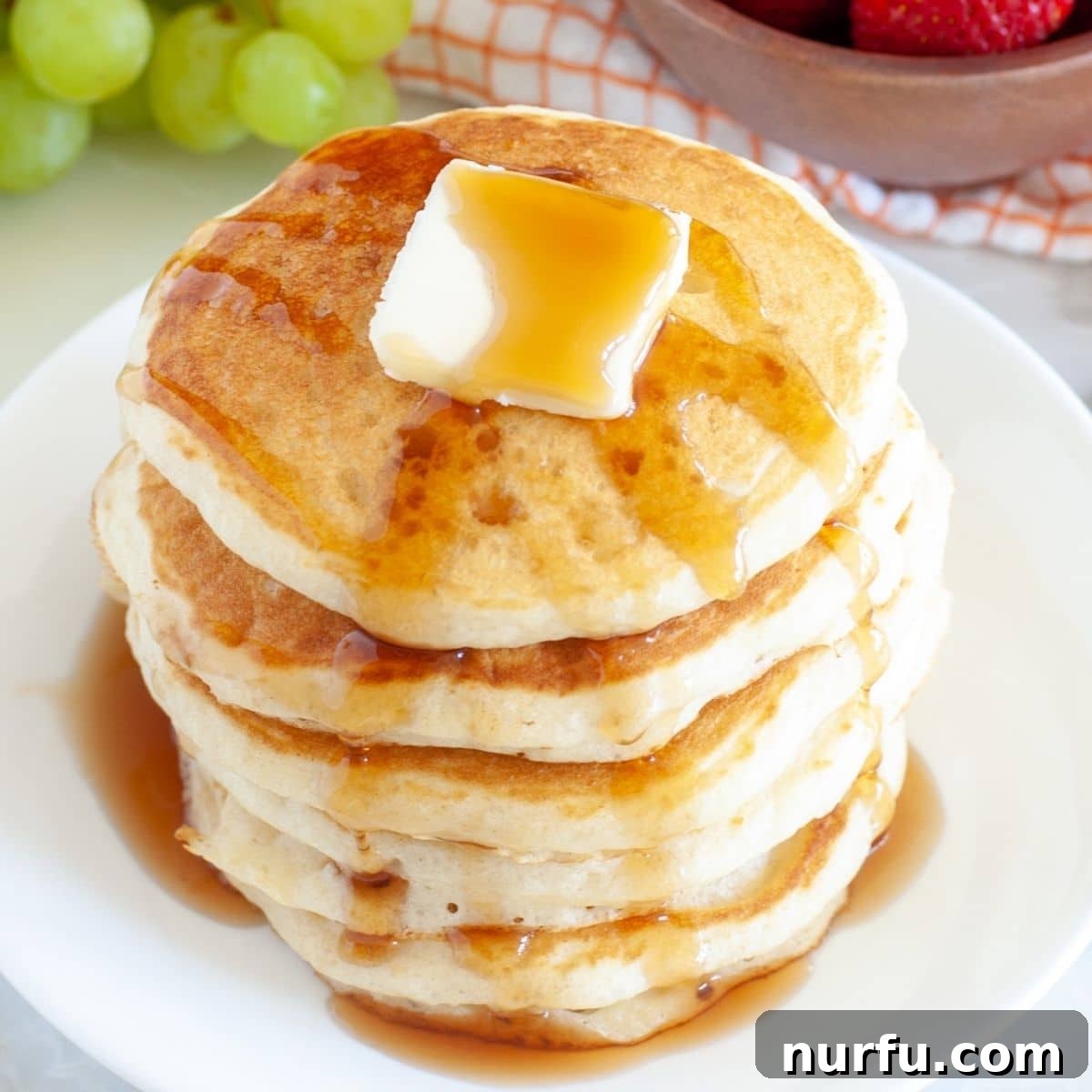
Pancakes are a beloved breakfast staple, cherished for their fluffy texture and comforting warmth. However, preparing a fresh batch every morning might not always be feasible. This is where the magic of reheating comes in! Don’t let delicious leftover pancakes go to waste; with the right method, you can easily transform them back into a delightful meal, tasting almost as good as when they were first made. Whether you’re aiming for crispy edges or a soft, pillowy texture, mastering the art of reheating pancakes means you can enjoy this classic treat any day of the week, saving time and reducing food waste.
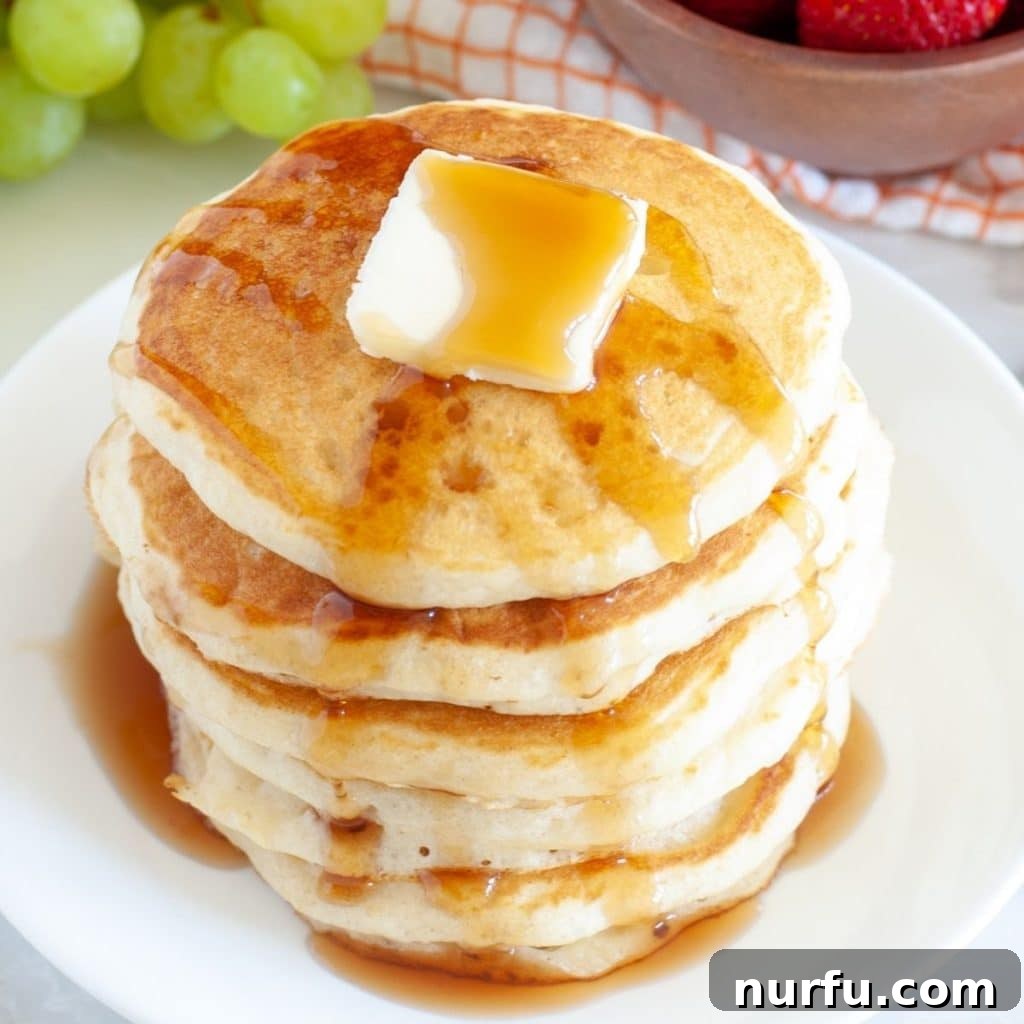
There’s a special joy in waking up to a stack of warm, fluffy pancakes without the hassle of making them from scratch. Many of us, myself included, often whip up a large batch on weekends, specifically to have some delightful leftovers for quick and easy breakfasts during busy weekdays. But the secret to a successful reheated pancake lies not just in its initial preparation, but in how you bring it back to life. Forget tough, rubbery, or soggy pancakes – with our comprehensive guide, you’ll learn five simple yet highly effective methods to reheat your pancakes, ensuring they remain wonderfully delicious and satisfying, just as they were on day one.
Whether you’ve used a convenient pancake mix or meticulously crafted them homemade, these tricks and tips will guarantee a perfect breakfast every time. So, grab your favorite maple syrup, prepare your toppings, and let’s explore the best ways to reheat pancakes, transforming them into a warm and inviting meal once again.
The Art of Reheating Pancakes: Five Foolproof Methods for Perfect Breakfasts
Reheating pancakes can be a game-changer for meal prep and busy mornings. The key is choosing the right method to achieve your desired texture. Do you crave a slightly crispy exterior, or do you prefer them soft and uniformly warm? Each appliance offers a unique approach to revive your pancakes. Below, we delve into the top five methods, detailing the steps, benefits, and considerations for each.
1. How to Reheat Pancakes in the Toaster: Crispy Edges, Fluffy Centers
For many, the toaster is undeniably one of the quickest and most effective ways to reheat pancakes, especially if you’re only warming a single serving. This method excels at delivering a desirable texture: a slightly crispy, golden-brown exterior coupled with a wonderfully warm and fluffy interior. It’s particularly convenient for pancakes stored in the refrigerator or even those straight from the freezer.
- Carefully place one or two pancakes into the toaster slots. Avoid overcrowding to ensure even heating.
- Set your toaster to a medium-high setting, similar to what you would use for perfectly toasted bread or a bagel. A setting of 6 or 7 is often ideal.
- Toast for approximately 1 to 1.5 minutes. Keep a close eye on them to prevent burning.
- If reheating frozen pancakes, they may require a slightly longer toasting time, possibly an additional 30 seconds to a minute, to heat through completely.
Expert Tip: While the toaster is fantastic for plain pancakes, exercise caution with pancakes that contain fillings like chocolate chips, blueberries, or other fruits. These fillings can melt and potentially cause a mess or even smoke within your toaster, posing a fire hazard. For filled pancakes, consider alternative reheating methods.
2. How to Reheat Pancakes in the Air Fryer: Modern Convenience Meets Classic Comfort
The air fryer has quickly become a versatile kitchen powerhouse, and reheating pancakes is yet another task it handles with impressive results. Similar to the toaster method, the air fryer excels at creating a slightly crispy exterior while preserving the soft and fluffy warmth inside, making it an excellent choice for achieving that freshly-made feel.
- Arrange your pancakes in a single layer within the air fryer basket. It’s crucial not to overlap them, as this ensures uniform air circulation and even cooking.
- Set your air fryer to 350 degrees Fahrenheit (175 degrees Celsius).
- Air fry for 2 to 3 minutes. For thicker pancakes or those directly from the freezer, you might need an extra minute. Check for desired warmth and crispness.
- Carefully remove the pancakes and serve them immediately while still warm.
Air Fryer Advantages: This method is great for small to medium batches and offers excellent control over the crispiness. It’s quicker than an oven and provides a more consistent result than a microwave for texture-conscious pancake lovers.
3. How to Reheat Pancakes in the Oven: Best for Feeding a Crowd
When you’re faced with a large batch of leftover pancakes and need to feed several people simultaneously, the oven method is your best friend. It allows for even, gentle heating, ensuring all your pancakes are perfectly warm and delicious without becoming dry or soggy. This method is also fantastic for maintaining a soft texture throughout.
- Preheat your oven to 350 degrees Fahrenheit (175 degrees Celsius). This ensures the oven is at the optimal temperature for even heating.
- Place the desired number of pancakes on a baking sheet in a single layer. Avoid stacking them, as this can lead to uneven reheating.
- To help retain moisture and prevent the tops from drying out or burning, loosely cover the baking sheet with aluminum foil.
- Bake for 5 to 7 minutes. Thicker or frozen pancakes might require a couple of extra minutes. Check for warmth by gently pressing a pancake or using a food thermometer.
- Carefully remove from the oven and serve immediately.
Moisture Boost Tip: For an extra touch of decadence and to prevent any dryness, lightly brush a tiny amount of melted butter over the pancakes before placing them in the oven. This adds flavor and keeps them wonderfully tender.
4. How to Reheat Pancakes on the Stove: Controlled Warmth and Golden Perfection
If you prefer a hands-on approach and enjoy the subtle browning a griddle or frying pan can provide, reheating pancakes on the stove is an excellent choice. This method gives you direct control over the heat and allows you to achieve a beautiful golden finish on your pancakes, mirroring their fresh-off-the-griddle appeal.
- Place a non-stick frying pan or griddle over low to medium-low heat. You want gentle heat to warm the pancakes through without burning the exterior.
- If desired, add a tiny pat of butter or a light spray of cooking oil to the pan for extra flavor and to prevent sticking.
- Place the pancakes in the pan. Do not overcrowd; work in batches if necessary.
- Gently flip the pancakes every 30-60 seconds until they are thoroughly warmed through, typically about 3 to 4 minutes in total. The low heat prevents rapid scorching while allowing the interior to heat evenly.
- Serve immediately and enjoy the controlled warmth and slightly crispy exterior.
Crucial Tip: The most common mistake with this method is using heat that is too high, which can quickly burn the pancakes before they’ve had a chance to warm up inside. Always opt for a lower heat setting and be patient. Brushing with a little melted butter before placing them in the pan can also add a rich flavor and help achieve that perfect golden hue.
5. How to Reheat Pancakes in the Microwave: Quick and Easy (with Caveats)
When time is of the essence and you need warm pancakes in a flash, the microwave is undeniably the fastest option. However, it’s often my least favorite method due to its potential drawbacks. While it excels at heating quickly, microwaved pancakes can sometimes become tough, chewy, or even soggy if not handled correctly. The trick is to use short bursts and manage moisture carefully.
- Place a single paper towel on a microwave-safe plate. This helps absorb excess moisture, preventing sogginess.
- Arrange your pancakes on the plate. For the best and most even results, I recommend reheating only 1 to 4 pancakes at a time. Stacking too many can lead to cold spots.
- Lay another paper towel on top of the pancakes. This helps trap steam to keep them moist while preventing the top from drying out.
- Microwave for approximately 10 to 15 seconds per pancake. For example, if you’re heating two pancakes, start with 20-30 seconds.
- Check for warmth. If they’re not warm enough, flip them over and microwave in additional 5-10 second increments until heated through.
Microwave Best Practices: Avoid over-microwaving, as this is the primary cause of tough, rubbery pancakes. Short bursts are key to success, allowing you to gradually bring them to the desired temperature while minimizing negative texture changes. Serve immediately to enjoy them before they cool and potentially become less appealing.
Storing Leftover Pancakes: Freshness for Days or Months
Proper storage is essential for preserving the freshness and quality of your leftover pancakes, whether you plan to enjoy them tomorrow or in a few months. Taking a few simple steps upfront can make all the difference in their taste and texture when reheated.
- Refrigerator Storage: If you anticipate eating your leftover pancakes within the next few days, storing them in the refrigerator is ideal. First and foremost, ensure the pancakes have completely cooled down to room temperature before storing them. Storing warm pancakes can create condensation, leading to soggy pancakes and a breeding ground for bacteria. Once cooled, place them in an airtight container or a resealable plastic bag. You can stack them, but placing a piece of parchment paper or wax paper between each pancake can help prevent them from sticking together. Stored properly, pancakes will maintain their quality for 3 to 4 days in the refrigerator.
- Freezer Storage: Freezing is an excellent option for long-term storage, allowing you to enjoy homemade pancakes for weeks or even months. Again, the golden rule is to let them cool completely to room temperature before freezing. To prevent them from clumping together and to make it easy to grab individual servings, flash freeze them first. Lay a piece of parchment paper or wax paper on a baking sheet and arrange the cooled pancakes in a single layer on the lined pan. Place the entire baking sheet in the freezer for at least one hour, or until the pancakes are solid. Once frozen, transfer the individual pancakes into a freezer-safe container or a heavy-duty freezer bag. For added protection against freezer burn and to make separation even easier, you can still place a piece of parchment or wax paper between each pancake within the container or bag. Properly frozen pancakes can be kept in the freezer for up to 3 months, offering a convenient breakfast solution for a long time.
Essential Tips for Perfectly Reheated Pancakes
Beyond the specific methods, a few general tips can elevate your pancake reheating game, ensuring consistent deliciousness:
- Don’t Overcook: This is perhaps the most crucial rule for reheating. Whether in a toaster, oven, or microwave, overcooking leads to dry, tough, or rubbery pancakes. Always err on the side of caution and check frequently.
- Add Moisture: Especially with oven or stove methods, a light brush of melted butter or even a sprinkle of water (for steam) can help keep pancakes moist and tender.
- Single Layer for Evenness: Whenever possible, reheat pancakes in a single layer. This allows heat to penetrate evenly, avoiding cold spots or uneven textures.
- Consider Fillings: Remember the warning about fillings in toasters. For pancakes with fruit or chocolate, methods like the oven or air fryer are generally safer and more effective.
- Serve Immediately: Reheated pancakes are best enjoyed right away. As they cool, their texture can change, potentially becoming less appealing.
- Customize Your Toppings: A fresh stack of reheated pancakes is the perfect canvas for your favorite toppings. Think classic maple syrup, fresh berries, whipped cream, chocolate sauce, or a dusting of powdered sugar.
- Preheat Appliances: Just as you would for cooking, preheating your oven or air fryer ensures a consistent temperature from the start, leading to more predictable and better results.
Frequently Asked Questions About Reheating Pancakes
- Q: Can I reheat pancakes that have been sitting out overnight?
- A: It’s generally not recommended. For food safety, pancakes should not be left at room temperature for more than two hours. Always store leftovers in the refrigerator or freezer promptly.
- Q: What’s the best way to reheat crispy pancakes?
- A: The toaster or air fryer are your best bets for achieving crispy pancakes. Both methods use dry heat to crisp up the exterior while keeping the inside fluffy.
- Q: How do I prevent pancakes from becoming soggy when reheating?
- A: Avoid stacking too many pancakes when reheating, especially in the microwave. Using paper towels in the microwave helps absorb moisture. For oven and air fryer methods, ensure they are in a single layer to allow moisture to evaporate.
- Q: Can I reheat frozen pancakes without thawing them first?
- A: Yes, many methods work well with frozen pancakes. The toaster, air fryer, and oven are particularly good for reheating straight from the freezer, though they will require slightly longer heating times.
- Q: Do different types of pancakes reheat differently?
- A: Generally, standard buttermilk or plain pancakes reheat similarly. Thicker pancakes or those with substantial fillings might need slightly longer heating times compared to thinner ones.
Quick Glance: Pancake Reheating Recipe Summary
How To Reheat Pancakes
Summary: Discover the best methods to reheat leftover pancakes, ensuring they remain deliciously warm and fluffy, or perfectly crispy, ready for your next breakfast.
By: Heather Seeley
Prep Time: 1 min | Cook Time: 5 mins | Total Time: 6 mins | Servings: 2
Ingredients
- Leftover pancakes
- Optional: Butter, maple syrup, fresh berries, or other toppings for serving
Instructions
Toaster Method
- Place 1-2 pancakes in toaster slots.
- Set to medium-high (e.g., 6 or 7).
- Toast for 1-1.5 minutes (longer for frozen).
- Serve immediately.
Air Fryer Method
- Arrange pancakes in a single layer in the basket.
- Air fry at 350°F (175°C) for 2-3 minutes.
- Serve warm.
Oven Method
- Preheat oven to 350°F (175°C).
- Place pancakes in a single layer on a baking sheet.
- Cover with foil and bake for 5-7 minutes.
- Serve warm.
Microwave Method
- Place a paper towel on a microwave-safe plate, then add 1-4 pancakes.
- Cover with another paper towel.
- Microwave for 10-15 seconds per pancake, flipping once if needed.
- Serve immediately.
Stove Method
- Heat a frying pan over low to medium-low heat.
- Add a touch of butter (optional).
- Place pancakes in the pan and flip until warmed through (3-4 minutes).
- Serve immediately.
Nutrition (Approximate)
- Serving: 2 pancakes
- Calories: 280kcal
- Carbohydrates: 45g
- Protein: 6g
- Fat: 9g
Nutrition information is automatically calculated and should only be used as an approximation. Actual values may vary significantly based on specific ingredients, preparation methods, and portion sizes.
Additional Info
Course: Breakfast | Cuisine: American
With these five reliable methods and essential storage tips, you’ll never have to discard leftover pancakes again. From the satisfying crunch of a toaster-reheated pancake to the gentle warmth of an oven-baked stack, there’s a perfect technique for every preference and situation. Embrace the convenience of delicious breakfasts throughout the week and make every pancake count. Enjoy your perfectly reheated, fluffy masterpieces!