
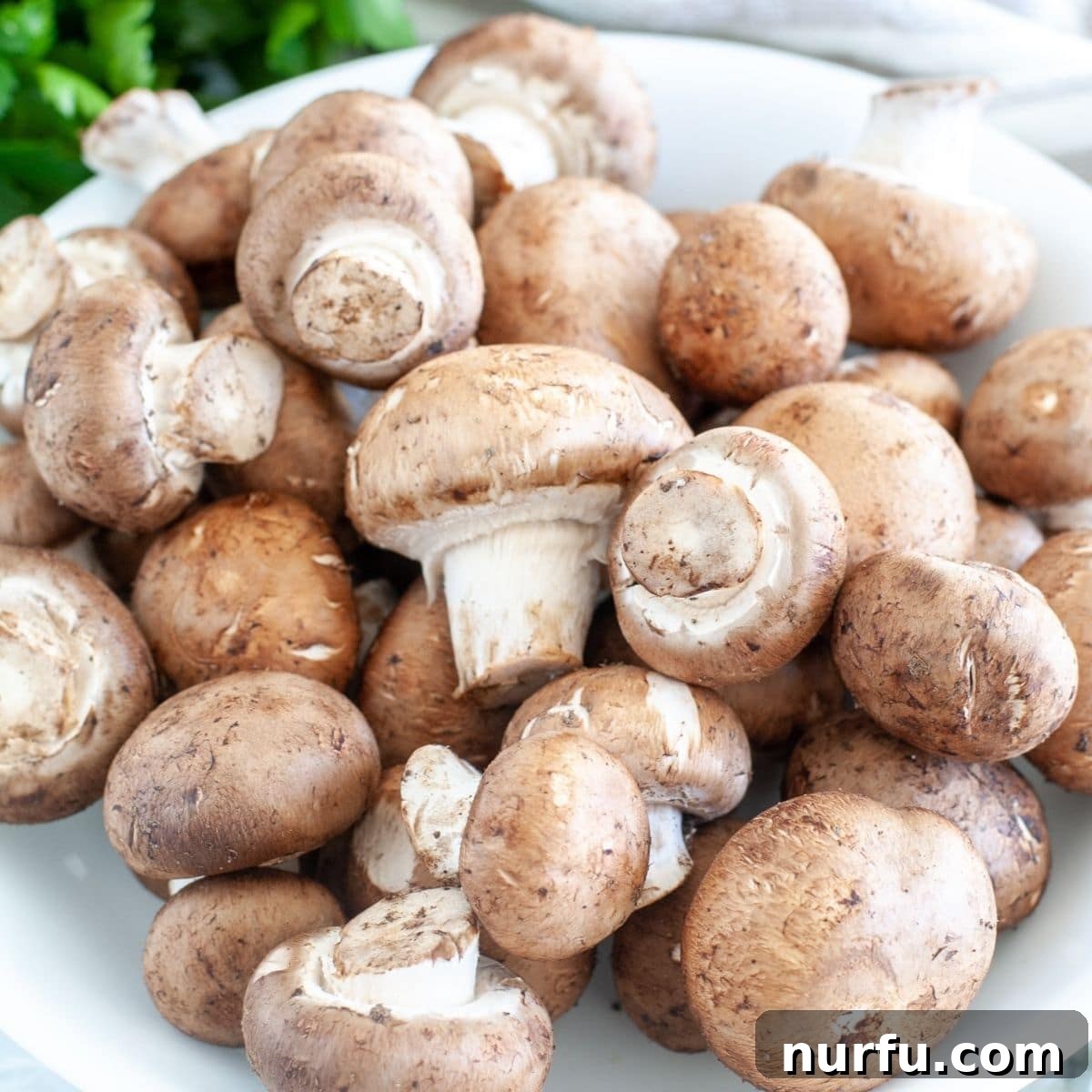
Mushrooms, with their unique earthy flavor, meaty texture, and rich umami notes, are a cornerstone in countless culinary traditions worldwide. From savory stir-fries and hearty stews to elegant pasta dishes and gourmet pizzas, their versatility is undeniable, contributing depth and a satisfying mouthfeel. Beyond their culinary appeal, mushrooms are also celebrated for their nutritional profile, packed with essential vitamins, minerals, and antioxidants, making them a healthy addition to any diet.
However, despite their widespread popularity and numerous benefits, mushrooms aren’t a universal favorite, nor are they always a viable option for everyone. There are several common reasons why you might be seeking an excellent mushroom substitute. Perhaps you have a mushroom allergy, which can range from mild discomfort to severe reactions. Or maybe you simply don’t enjoy their distinct taste or spongy texture. For some, fresh mushrooms can be quite pricey, especially certain gourmet varieties, making them an occasional luxury rather than a pantry staple. Others might face availability issues, live in areas where fresh mushrooms are hard to come by, or are following a specific diet that excludes fungi. Whatever your reason, whether it’s an allergy, a preference, a budget constraint, or simply a desire to try something new, finding the right replacement is key to enjoying your favorite dishes without compromise.
The good news is that the culinary world offers a diverse array of fantastic mushroom substitutes that can beautifully mimic their texture, absorb flavors, or provide a similar bulk and richness to your meals. This comprehensive guide will explore the best alternatives for mushrooms, ensuring your dishes remain flavorful, satisfying, and perfectly suited to your needs. Prepare to discover versatile vegetables and plant-based ingredients that will become your new go-to replacements, opening up a world of culinary possibilities.
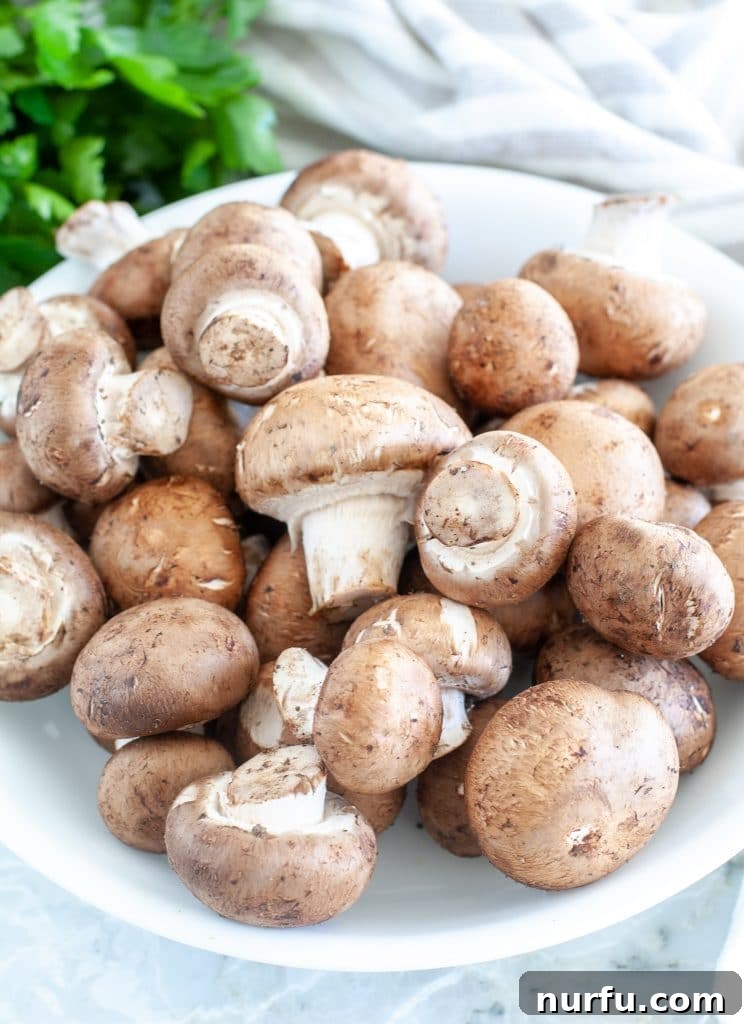
Table of Contents
- Best Mushroom Substitutes: Texture, Flavor, and Versatility
- Zucchini: The Versatile Texture Mimic
- Summer Squash: Golden Hue, Mild Flavor, and Nutritional Punch
- Eggplant: The Meaty Texture Champion
- Tofu: The Protein-Rich Texture Transformer
- Garbanzo Beans (Chickpeas): The Hearty, Nutty Legume
- Onions: The Flavorful Aromatic Foundation
- Russet Potatoes: The Hearty Starchy Stunner
- Sun-Dried Tomatoes: Concentrated Flavor and Chewy Texture
- Conclusion: Embracing Culinary Creativity with Mushroom Alternatives
- Related recipes
Best Mushroom Substitutes: Texture, Flavor, and Versatility
The appeal of mushrooms extends far beyond their taste; it encompasses their unique texture, their ability to soak up surrounding flavors, and their capacity to add substance to a wide variety of dishes. Finding the perfect mushroom substitute, therefore, often involves considering what specific quality of the mushroom you wish to replicate. Are you looking for that earthy umami depth? Or perhaps the satisfying, chewy “meaty” texture that holds up well in cooking? Or simply a versatile vegetable to add bulk and nutrition to your meal?
While it might seem challenging to perfectly match the distinct profile of mushrooms, many vegetables and plant-based proteins offer remarkable versatility and can be excellent stand-ins, each bringing its own strengths to the table. Some excel at mimicking the firm bite, while others are champions at absorbing flavors, becoming delicious sponges for your sauces and seasonings. This section delves into some of the most effective and popular mushroom alternatives, each capable of transforming your recipes without sacrificing flavor or enjoyment.
Whether you’re crafting a hearty vegan bolognese, a comforting casserole, a quick stir-fry, or a vibrant salad, these ingredients offer a spectrum of possibilities. We’ve curated a list of 8 exceptional mushroom substitutes that are readily available and simple to incorporate into your cooking. Discover how zucchini, summer squash, eggplant, tofu, garbanzo beans (chickpeas), onions, russet potatoes, and sun-dried tomatoes can seamlessly take the place of mushrooms in your favorite recipes, ensuring your meals remain delicious and satisfying for every palate.
Let’s explore each of these versatile ingredients in detail, uncovering their unique characteristics and best uses as mushroom replacements.
Zucchini: The Versatile Texture Mimic
Zucchini, often known as courgette in many parts of the world, is a member of the diverse squash plant family, sharing kinship with other garden favorites like melons, cucumbers, and spaghetti squash. This highly adaptable vegetable is typically harvested when it’s young and tender, a stage at which it boasts a soft, pliable flesh and a subtly mild flavor. This early harvest ensures optimal texture and taste, making it incredibly appealing for a myriad of culinary applications.
While some might describe zucchini’s natural flavor as somewhat “bland,” this characteristic is precisely what makes it an exceptional mushroom substitute, especially when texture is your primary concern. Zucchini acts as a culinary chameleon, readily absorbing and complementing the flavors of other ingredients in a dish without overpowering them. This makes it an ideal canvas for spices, herbs, and sauces, allowing the intended flavor profile of your meal to shine through while adding significant bulk and a satisfying mouthfeel.
Its ability to adopt the “meaty” or tender-firm texture often sought in mushrooms makes zucchini a top-tier alternative for those who appreciate the structural contribution of mushrooms but wish to avoid their distinct earthy taste. Imagine it cubed in a hearty stew, sliced into a vibrant stir-fry, or julienned for a pasta dish where mushrooms would typically feature. Zucchini holds its shape well when cooked properly, providing a pleasant chewiness that can beautifully mimic the firmness of sautéed mushrooms.
To best prepare zucchini as a mushroom replacement, particularly in slow-cooked dishes, stir-fries, casseroles, or pasta sauces, chefs often recommend chopping, dicing, or slicing it into bite-sized pieces. This not only aids in even cooking and flavor absorption but also ensures easy consumption and digestion, blending seamlessly into the overall texture of your meal. Its delicate nature makes it a perfect addition to everything from a summer vegetable medley to a robust winter gratin.
One crucial consideration when cooking with zucchini is its inherently high water content. If not managed, this can lead to overly soggy dishes, diluting flavors and compromising texture. A simple yet effective technique to mitigate this is to “sweat” the zucchini before adding it to your main dish. After slicing or chopping the zucchini, lightly salt the pieces and let them sit for about 10-15 minutes. This draws out excess moisture. Then, gently blot the zucchini dry with a paper towel before cooking. This pre-treatment helps achieve a firmer texture and prevents your dish from becoming watery, ensuring your mushroom-free meal is as delightful as it is delicious.
Summer Squash: Golden Hue, Mild Flavor, and Nutritional Punch
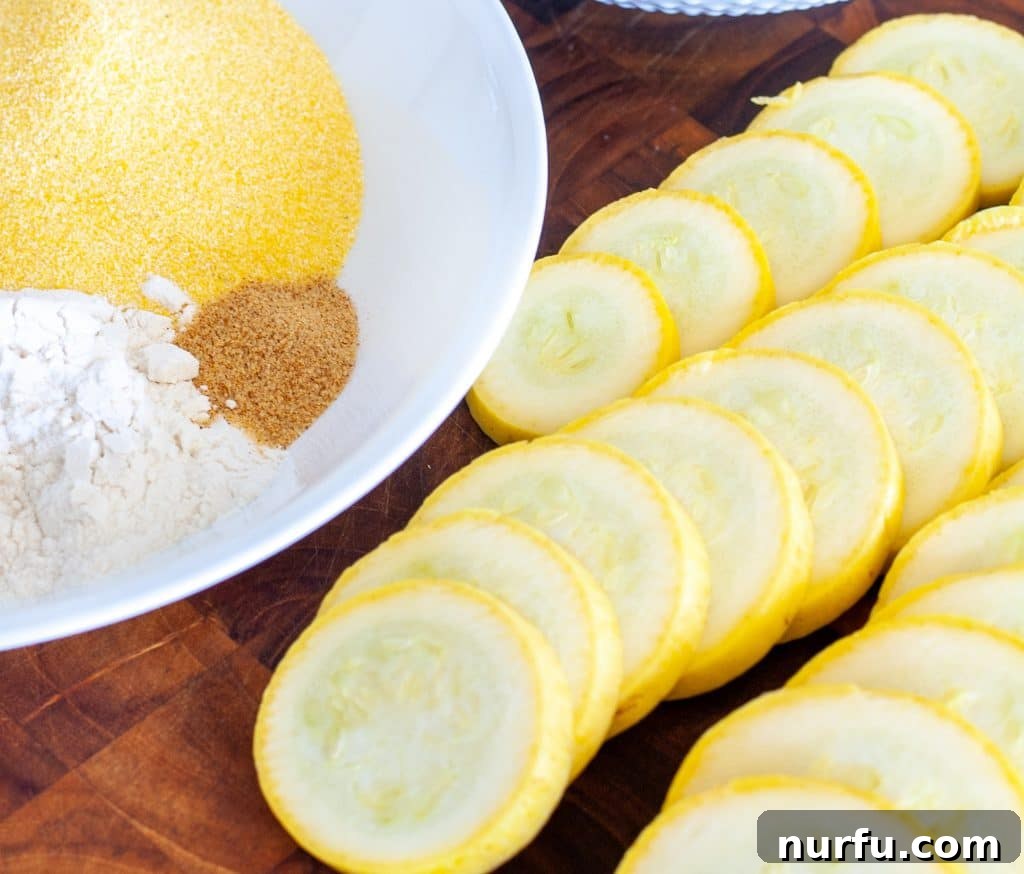
Summer squash, often characterized by its vibrant golden-yellow outer shell and diverse shapes—from classic straightneck to the more distinct crookneck varieties—presents another superb option for replacing mushrooms. Like zucchini, summer squash is best harvested when immature, ensuring its skin remains tender and edible, and its flesh is at its peak of flavor and texture. This allows for effortless integration into various dishes, often without the need for peeling.
A significant advantage of summer squash is its impressive shelf life when stored correctly in refrigeration, allowing you to enjoy its fresh taste long after purchase. Its internal flesh typically ranges from a pale yellow to a creamy white, providing a beautiful visual contrast when combined with other ingredients, enhancing the aesthetic appeal of your meals. In terms of texture, when cooked, it offers a tender yet slightly firm bite that can be a delightful stand-in for mushrooms, particularly in dishes where you appreciate a soft but not mushy vegetable component.
Summer squash is remarkably versatile and can be enjoyed both raw and cooked. For raw applications, thin slices can add a refreshing crunch to salads, contributing a mild flavor that won’t compete with dressings or other vegetables. When cooked, its potential truly shines as a mushroom substitute. Consider grating it into savory porridges, simmering it in soups for added body and nutrients, incorporating it into creamy risotto, or baking it into casseroles and gratins. Its mild flavor ensures it absorbs the rich seasonings of your chosen recipe, much like a mushroom would, but without the fungal notes.
When selecting the finest summer squash for your culinary endeavors, look for specimens with a blemish-free shell that feels firm to the touch but not excessively hard. Smaller squashes are generally preferred over their oversized counterparts, as they tend to be more tender, less watery, and possess a more concentrated, delicate flavor. Avoiding overly large squashes also helps prevent a stringy or seedy texture that can sometimes develop in mature vegetables.
Beyond its versatility, summer squash is a nutritional powerhouse. It’s an excellent source of essential vitamins, including A, B, C, and K, and boasts a significant amount of beta-carotene, a powerful antioxidant. Furthermore, it’s rich in crucial minerals such as potassium, magnesium, calcium, iron, folate, and zinc, among others. Its high fiber content is particularly beneficial, promoting healthy digestion and contributing to a feeling of fullness, making it a valuable addition to a balanced diet and a healthy replacement for mushrooms for those seeking a nutritious alternative.
Eggplant: The Meaty Texture Champion
Eggplant, also widely known as aubergine, is a distinctive vegetable recognized by its iconic egg-like shape and glossy, thin, deep purple skin, although varieties in white, green, and striped patterns also exist. While its flavor profile is generally mild and sometimes described as subtly bitter, eggplant stands out as an outstanding mushroom substitute due to its remarkable ability to mimic the “meaty” and substantial texture often associated with cooked mushrooms. When prepared correctly, eggplant offers a satisfying chewiness and robust mouthfeel that makes it a perfect textural stand-in.
This quality makes eggplant particularly valuable for dishes where the texture of mushrooms is paramount, such as in stir-fries, curries, or even vegetarian main courses where you want a firm, toothsome vegetable component. While it won’t replicate the earthy umami flavor of mushrooms, its mildness allows it to absorb and carry the flavors of marinades, spices, and sauces beautifully, creating a rich and complex taste experience within your dish.
Historically, eggplant has faced some culinary challenges, often being criticized for becoming soggy or acquiring a slightly bitter taste if not prepared properly. However, with a few expert techniques, these concerns can be easily overcome. Chefs frequently laud eggplant for its nutritional benefits, including its rich content of dietary fiber, potassium, and various B vitamins, making it a healthy addition to any meal.
To prepare eggplant as a mushroom replacement, begin by washing and then slicing or cubing it to your desired size, much like you would mushrooms. A common concern is that peeled eggplant can rapidly oxidize and turn brown. To prevent this, you can briefly steep the cut pieces in a bowl of water, perhaps with a squeeze of lemon juice, while you continue your other preparations.
The most effective method to ensure eggplant delivers its best texture and prevents it from becoming soggy or bitter involves a pre-treatment step. After cutting, liberally salt the eggplant pieces and let them sit for 15-30 minutes. This process, known as “degorging,” draws out excess moisture and bitter compounds. After resting, rinse the eggplant thoroughly to remove the salt and any expelled liquid, then pat it completely dry with a paper towel. This crucial step not only enhances its texture by preventing wetness but also reduces its natural astringency, ensuring your dish is imbued with its delicious, tender qualities without any unwanted sogginess or bitterness.
Tofu: The Protein-Rich Texture Transformer
For those seeking a substantial, protein-packed alternative that replaces both meat and mushrooms, tofu—also known as bean curd—is an outstanding choice. Derived from soybeans, tofu is created by condensing soy milk into curds, which are then pressed into firm, white blocks. Its neutral flavor and varied textures make it incredibly versatile, capable of absorbing virtually any seasoning and mimicking a range of food consistencies, including the “meaty” chew of mushrooms.
Tofu boasts a rich history, with its origins tracing back over 2000 years to ancient China, where it was reputedly discovered by accident when a chef used nigari (the residue from sea salt extraction) to coagulate fresh soy milk. This ingenious method not only solidified the soy milk but also locked in its nutritional value and distinct, adaptable texture.
Today, tofu is a staple in vegetarian and vegan diets worldwide, celebrated for its high protein content, which rivals that of meat and fish, making it an indispensable component for muscle building and overall satiety. Furthermore, it’s a favorite for individuals managing their weight due to its relatively low caloric density. Beyond its protein, tofu is a good source of iron, calcium, and magnesium, contributing to bone health and energy levels.
To best utilize tofu as a mushroom substitute, opt for firm or extra-firm varieties, which hold their shape well during cooking and can achieve a satisfyingly chewy texture. Before cooking, pressing the tofu is crucial to remove excess water, allowing it to better absorb marinades and crisp up beautifully. You can press it between paper towels under a heavy object for 20-30 minutes. Once pressed, cube or slice the tofu, then marinate it in soy sauce, tamari, vegetable broth, and your favorite spices to infuse it with umami depth similar to mushrooms.
Tofu’s culinary applications are limitless. It excels in stir-fries, where it can be sautéed until golden and slightly crispy, providing a wonderful textural contrast. It’s also fantastic in soups, stews, scrambles, and even grilled or baked, taking on the flavors of the dish seamlessly. When used as a mushroom replacement, it offers not just a similar bite but also a significant nutritional upgrade, making your meals heartier and more nourishing. However, it’s always important to consider potential soy intolerances or allergies among your diners.
Garbanzo Beans (Chickpeas): The Hearty, Nutty Legume
Universally recognized as chickpeas, garbanzo beans are incredibly versatile legumes that serve as an excellent and highly nutritious substitute for mushrooms. They offer a firm, slightly nutty texture and a mild flavor that can easily adapt to a multitude of dishes, adding significant bulk and protein. Their adaptability makes them a valuable addition to both savory and even some sweet recipes, enhancing appeal and nutritional value.
The two most common varieties of garbanzo beans are the larger, light-beige ‘Kabuli’ type, which you’ll typically find in cans or bulk bins in grocery stores and salad bars, and the smaller, darker ‘Desi’ type, prevalent in Indian and Middle Eastern cuisines. Beyond these, varieties with black and red hues also exist, each bringing unique visual and subtle flavor nuances to your culinary creations.
One of the most appealing aspects of garbanzo beans is their convenience. Canned chickpeas are pre-cooked and can be used directly from the tin after a thorough rinse, making them a quick and easy addition to salads, wraps, or as a snack. For those starting with dried chickpeas, the preparation involves soaking them overnight, then boiling them until tender. A fantastic tip for achieving a more “meaty” or chewy texture, reminiscent of cooked mushrooms, is to allow the cooked chickpeas to sit in their hot cooking water for a few hours. This slow cooling process helps them retain their shape and develop a satisfying firmness.
As a mushroom substitute, chickpeas shine in applications where you need a robust texture and a neutral base to absorb flavors. They work wonderfully in stews, curries, and casseroles, contributing a hearty bite. Roasted chickpeas, seasoned with herbs and spices, can also make a fantastic crunchy topping for salads or a savory snack, offering a delightful textural contrast. Their mild flavor ensures they won’t clash with your main ingredients, instead enhancing the dish with their pleasant chewiness.
Nutritionally, garbanzo beans are powerhouses. They are exceptionally rich in plant-based protein and dietary fiber, which are crucial for digestive health, blood sugar regulation, and prolonged satiety. Additionally, they provide an impressive array of essential vitamins and minerals, including iron, zinc, folate, magnesium, and phosphorus, all contributing to overall well-being, from bone health to energy metabolism. Incorporating chickpeas into your diet as a mushroom replacement is a delicious way to boost nutrient intake and enjoy a satisfying meal.
Onions: The Flavorful Aromatic Foundation
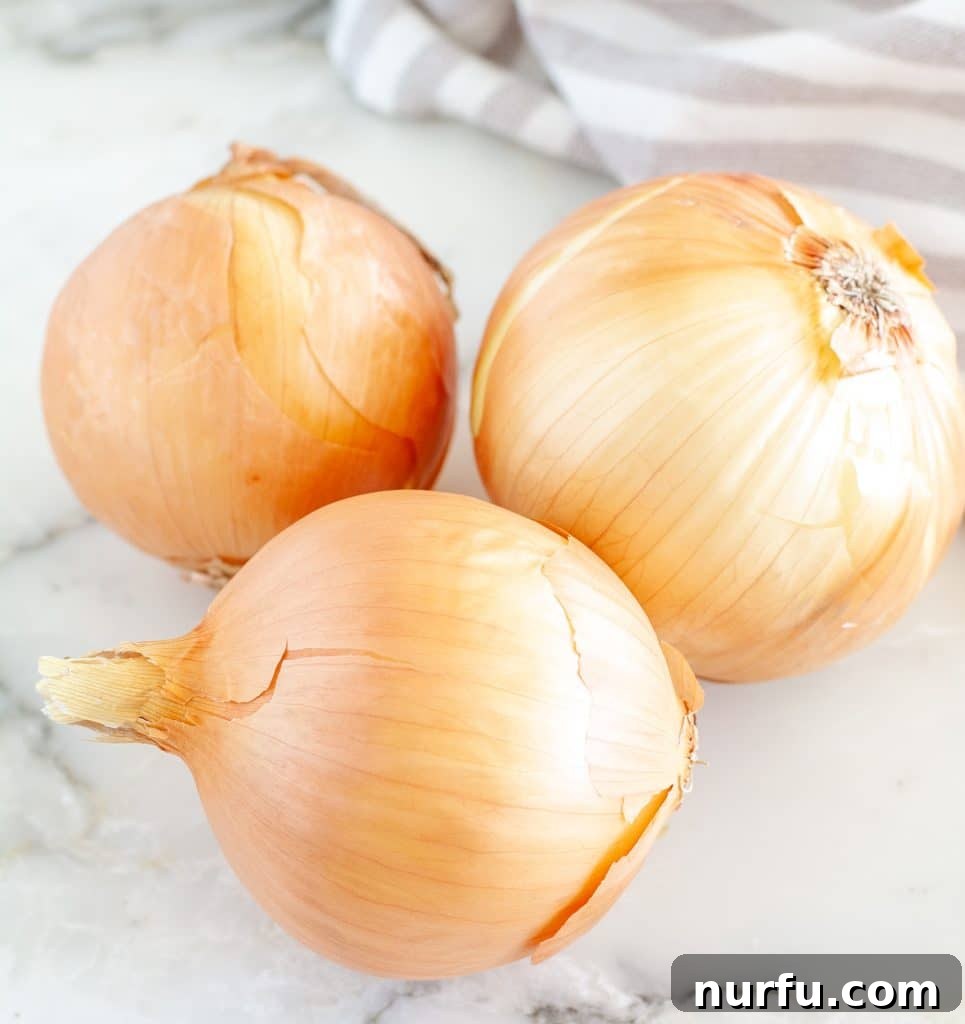
Onions, ancient and ubiquitous in nearly every cuisine across the globe, stand as one of humanity’s most essential and versatile culinary ingredients. This pungent bulbous vegetable is a close relative of chives, garlic, and scallions, belonging to the Allium family. While their flavor profile is distinct from mushrooms, their ability to add depth, sweetness, and a savory backbone to dishes makes them an excellent, albeit different, type of mushroom substitute, particularly when sautéed or caramelized.
Onions come in an astonishing array of shapes, sizes, and colors, each offering unique flavor nuances. Red onions, known for their sharp, peppery bite and beautiful color, are often best used raw in salads or as a garnish. Yellow or brown onions are the workhorses of the kitchen, developing a rich sweetness when cooked. White onions offer a milder, crisper texture, making them a fantastic choice for a mushroom replacement, particularly when you desire a softer, sweet element to your dish. Their milder profile allows them to blend seamlessly into various preparations, from topping burgers to accompanying fish and poultry.
Beyond their profound impact on flavor, onions are also lauded for their impressive health benefits. They are packed with antioxidant compounds, such as flavonoids and polyphenols, which play a crucial role in neutralizing free radicals within the body, potentially reducing oxidative stress and inflammation. Studies suggest that onions can support cardiovascular health, aid digestion, and may even have protective effects against certain chronic diseases. With a low caloric content—approximately 40 calories per 100 grams—and being predominantly water, they add robust flavor without significant calorie load.
When substituting mushrooms with onions, the key lies in their preparation. Sautéing or caramelizing onions transforms their raw pungency into a tender, sweet, and deeply savory component. Thinly sliced onions, slowly cooked in a bit of oil or butter until golden brown, develop a rich, complex flavor and a soft, yielding texture that can echo the tender bite of cooked mushrooms. They integrate beautifully into stir-fries, soups, casseroles, baked dishes, and gravies, offering a fundamental aromatic base that enhances the entire meal.
While onions won’t replicate the specific umami of mushrooms, their inherent versatility and ability to provide a flavorful, tender bulk make them an indispensable substitute. They are perfect for adding depth to fast and healthy snacks, side dishes, or as a foundational ingredient in complex main courses. Experiment with different onion types and cooking methods to discover how this humble bulb can elevate your mushroom-free recipes.
Russet Potatoes: The Hearty Starchy Stunner
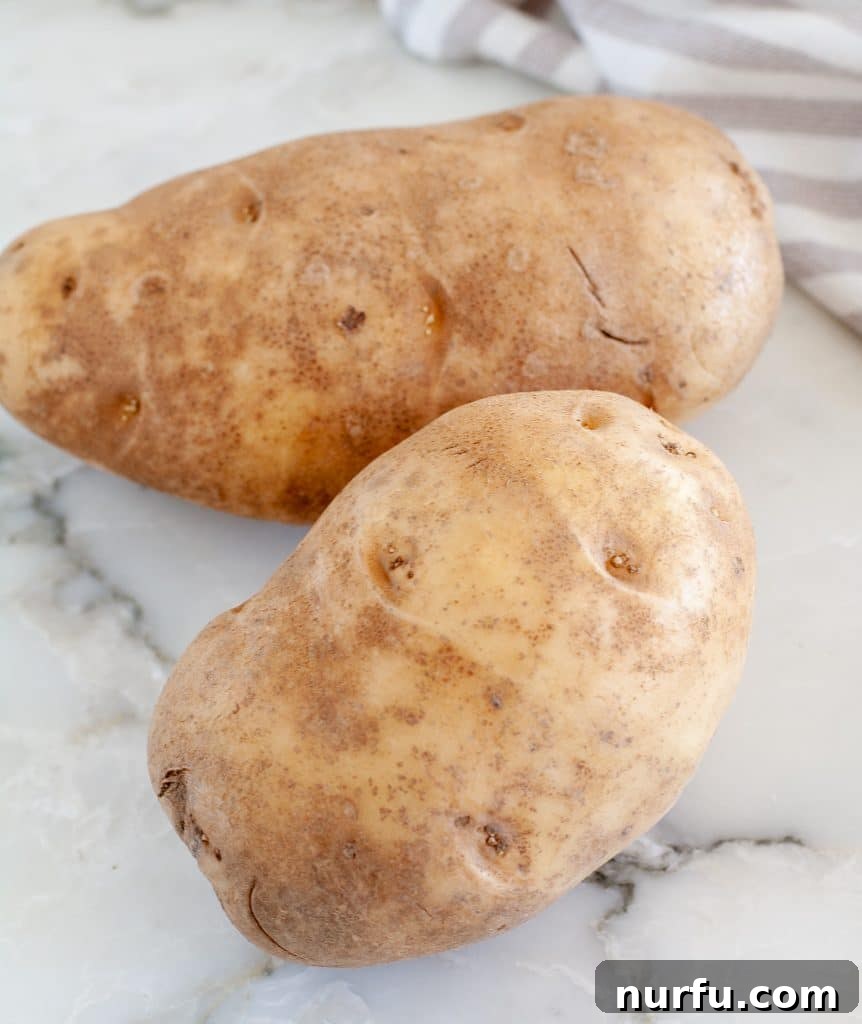
Among the vast array of potato varieties, the russet potato holds a special place, particularly among culinary enthusiasts, for its unique characteristics and adaptability. Distinctive for their elongated shape, rough brown skin, and substantial size, russets are often the go-to choice for specific cooking applications, making them an unexpected yet effective mushroom substitute in certain contexts, particularly where a hearty, absorbent texture is desired.
What sets russet potatoes apart is their high starch content and relatively dry, floury flesh, which cooks up to a wonderfully creamy white or light yellow color. This composition makes them exceptionally well-suited for baking, roasting, and frying, where they develop a desirable crisp exterior and a fluffy interior. It’s this unique texture that can, in some dishes, provide a satisfying heft and mouthfeel similar to what mushrooms offer, especially when cut into cubes or slices.
A standout feature of russet potatoes is their remarkable ability to absorb liquids and flavors. This characteristic is precisely why they are the star of perfectly mashed potatoes, soaking up butter, milk, and seasonings to create a rich, smooth consistency. When used as a mushroom substitute, this absorbent quality means they can readily take on the flavors of sauces, broths, and herbs, infusing the dish with whatever seasoning profile you’re aiming for.
However, it’s important to note that russet potatoes are not universally suitable for all recipes calling for mushrooms. Due to their high absorbency and starchy nature, they can become overly soggy or disintegrate when boiled extensively, making them less ideal for clear soups or light salads where mushrooms might be used for a firmer bite. Instead, focus on recipes where their texture can truly shine: hearty stews, robust casseroles, baked gratins, or even roasted vegetable medleys.
When selecting russet potatoes for replacing mushrooms, look for firm, unblemished potatoes without any green spots or excessive sprouting. Their preparation is straightforward: thoroughly clean the skin, then peel if desired (though leaving the skin on can add fiber and rustic appeal), and carefully remove any “eyes” or blemishes. Then, cut them into the appropriate sizes and shapes—cubes, wedges, or slices—to match the intended texture and appearance of your dish. By leveraging their starchy texture and absorbent nature, russet potatoes can contribute a comforting and substantial element, providing a satisfying alternative to mushrooms in many savory preparations.
Sun-Dried Tomatoes: Concentrated Flavor and Chewy Texture
While fresh tomatoes are a staple in countless recipes, sun-dried tomatoes possess a distinct culinary profile that makes them a surprisingly effective and highly flavorful substitute for mushrooms, particularly when you’re seeking to add a concentrated burst of umami and a satisfying chewiness. These intensely flavored gems are created by allowing ripe tomatoes to dry in the sun, a process that removes most of their water content and concentrates their natural sugars, acids, and savory notes.
Naturally, sun-dried tomatoes offer a taste experience quite different from mushrooms, presenting a tangy, sweet, and deeply savory flavor that is uniquely their own. However, it’s their firm, chewy, and somewhat leathery texture when rehydrated or cooked that makes them an excellent textural stand-in. If you dislike the earthy flavor of mushrooms but desire a component that provides a similar robust mouthfeel and adds depth to your dishes, sun-dried tomatoes are an inspired choice.
You can purchase sun-dried tomatoes already dried, either packed in oil or dry in bags, or you can make them yourself by thinly slicing fresh, ripe tomatoes and slow-drying them in a dehydrator or a very low oven. For an extra layer of flavor that complements many dishes, consider seasoning the fresh slices with herbs like parsley, oregano, basil, or thyme before the drying process. This infusion of aromatics creates a multi-dimensional ingredient that elevates any meal.
The rich, intensely savory (umami) flavor of sun-dried tomatoes, coupled with their chewy texture, makes them ideal for enriching a wide array of slow-cooked dishes. They are fantastic when chopped and tossed into salads, blended into flavorful spreads and dips, simmered in soups, or incorporated into sauces for pasta and grains. Their concentrated flavor can add a gourmet touch to vegetarian and meat dishes alike, providing a vibrant counterpoint to other ingredients.
Beyond flavor, sun-dried tomatoes also contribute valuable bulk and a delightful chewiness to meals, mirroring a key function of mushrooms. They pair exceptionally well with dough-based recipes such as pizza, focaccia, quiches, and sandwiches, where their texture and taste can truly shine. To maintain their softness and ensure they are ready for immediate use, especially the dry-packed varieties, store them submerged in olive oil in a jar. This also creates a delicious infused oil that can be used in other culinary applications. Incorporating sun-dried tomatoes allows you to introduce a new personality to your dishes while still achieving a satisfying, full-bodied outcome in place of mushrooms.
Conclusion: Embracing Culinary Creativity with Mushroom Alternatives
Mushrooms undoubtedly hold a special and often irreplaceable position in the culinary world, lending their distinctive earthy notes, rich umami, and satisfying textures to beloved dishes such as homemade pizzas, hearty stir-fries, vibrant salads, and comforting soups. Their absence, whether due to allergies, personal taste preferences, budget constraints, or simple unavailability, can indeed pose a challenge for home cooks and professional chefs alike. This is precisely where the art of substitution becomes an invaluable skill, allowing us to navigate dietary needs and preferences without sacrificing flavor or the joy of cooking.
As we’ve explored, while no single ingredient can perfectly replicate every nuanced aspect of a mushroom, a diverse pantry of vegetables and plant-based proteins offers excellent alternatives. Each substitute brings its own unique strengths to the table: zucchini and summer squash offer tender bulk and absorb flavors, eggplant and tofu excel at mimicking a “meaty” texture, garbanzo beans provide hearty substance, onions build a savory foundation, russet potatoes add comforting starchiness, and sun-dried tomatoes deliver concentrated umami and a chewy bite. The key lies in identifying which characteristic of the mushroom—be it texture, flavor absorption, or overall bulk—you wish to replace in your specific recipe.
Empowered with this comprehensive guide to the best mushroom substitutes, you are now equipped to tackle any recipe that calls for mushrooms with confidence and creativity. Don’t let allergies or dislikes limit your culinary adventures. Instead, view these alternatives as opportunities to discover new flavors, experiment with different textures, and expand your cooking repertoire. Embrace the versatility of these ingredients to craft delicious, satisfying meals that cater to every palate and preference, proving that a dish can be just as delightful, if not more so, without its fungal component.
So, go ahead and experiment! Try swapping mushrooms for eggplant in a rich pasta sauce, use roasted chickpeas in a hearty stew, or add sautéed zucchini to your next stir-fry. You might just discover a new favorite ingredient that brings unexpected layers of flavor and texture to your culinary creations.
Related recipes
- Farmers casserole
- Polish sausage skillet
- Air Fryer vegetables