
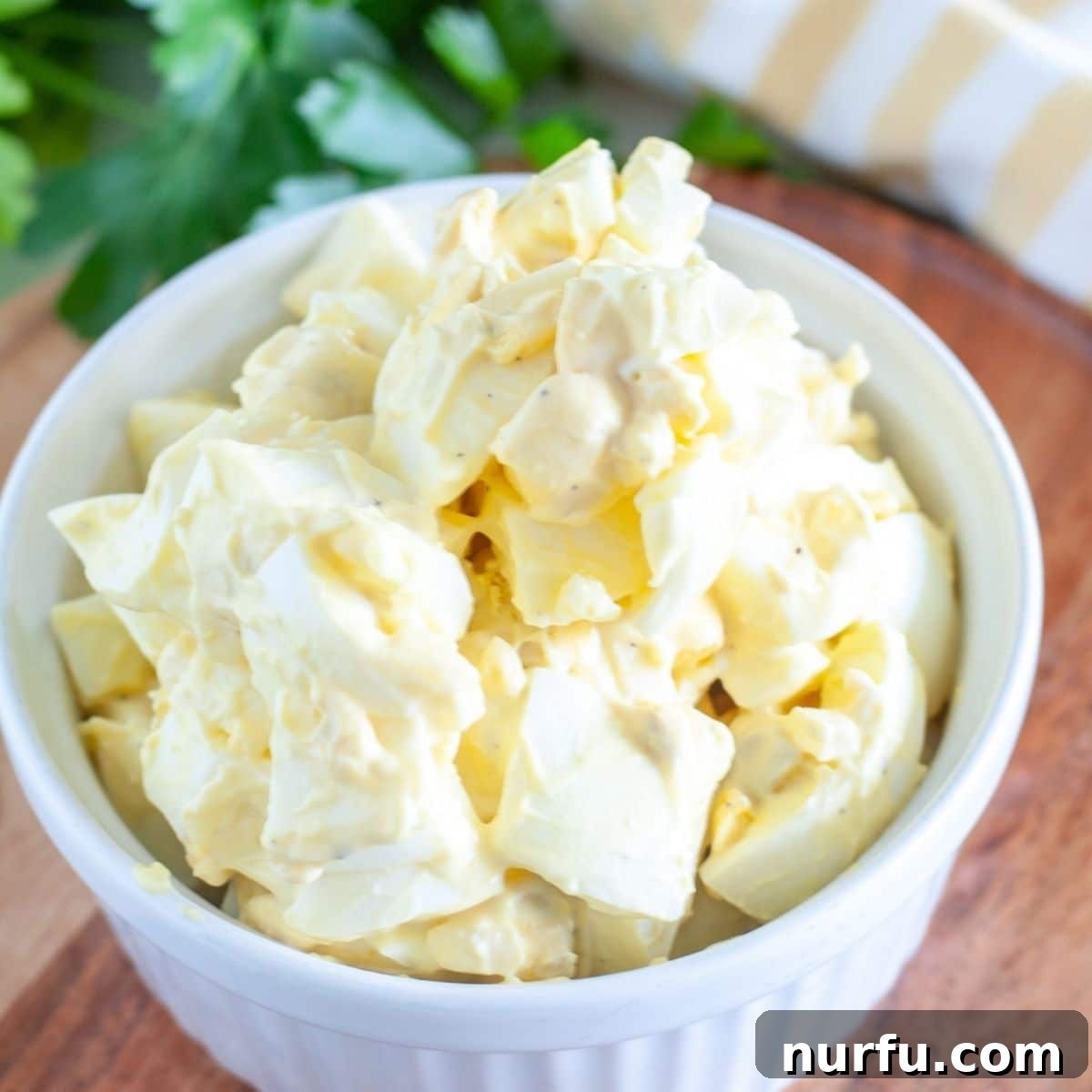
Can You Freeze Egg Salad? The Definitive Guide to Storage and Freshness
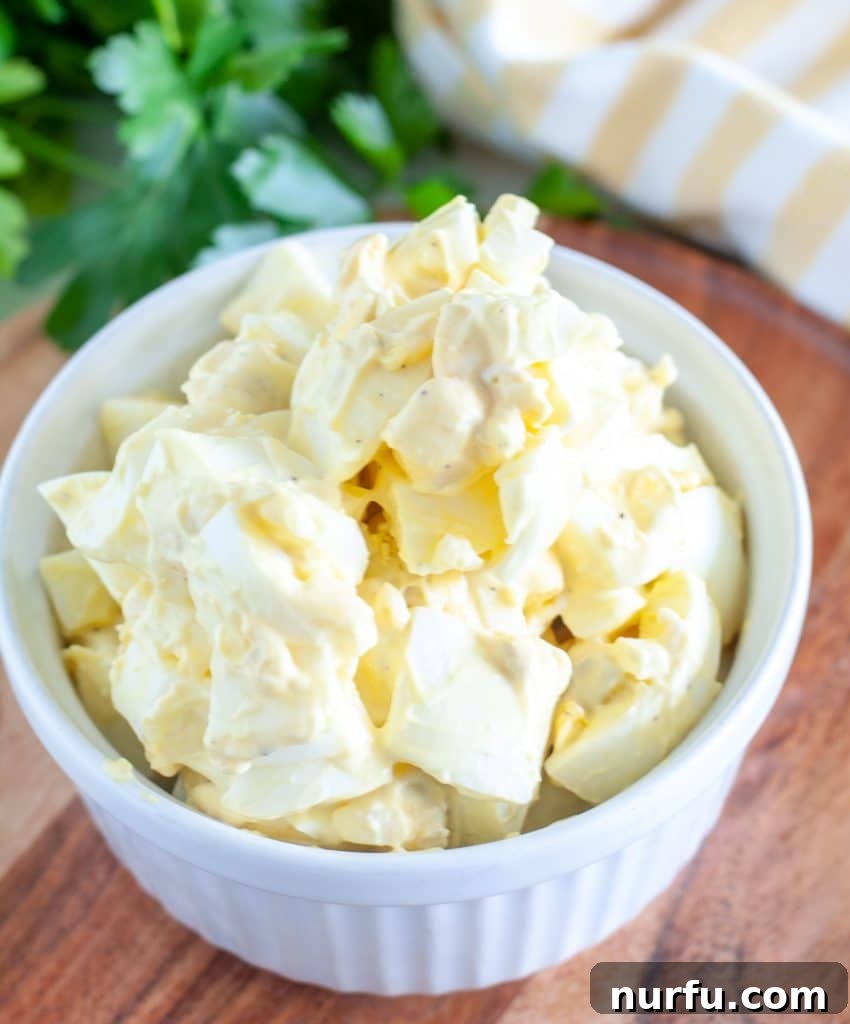
Egg salad stands as a timeless classic, a staple for quick lunches, picnics, and comforting meals. This simple yet satisfying dish, typically made from hard-boiled eggs and mayonnaise, can be elevated with a variety of seasonings and additional ingredients. Its creamy texture and rich flavor make it incredibly versatile, perfect for sandwiches, wraps, or as a light salad on its own. However, its delicate nature often leads to a common culinary dilemma: can you freeze egg salad? While the prospect of extending its shelf life is appealing, the answer is nuanced, involving considerations of texture, taste, and food safety. In this comprehensive guide, we’ll delve into the intricacies of storing egg salad, exploring why freezing might not be the best option and providing an easy, fresh recipe to enjoy this beloved dish at its peak.
The Essential Ingredients of a Classic Egg Salad
At its heart, egg salad is a minimalist masterpiece. The foundation consists of two primary components:
- Hard-Boiled Eggs: These provide the bulk and unique texture, offering a rich source of protein.
- Mayonnaise: The creamy binder that brings everything together, imparting moisture and a tangy flavor.
Beyond these basics, the beauty of egg salad lies in its adaptability. Many recipes incorporate ingredients like chopped celery for crunch, finely diced onions or chives for a subtle bite, mustard for a piquant kick, or fresh herbs like dill or parsley for aromatic depth. Salt and pepper are crucial for seasoning, enhancing all the other flavors. Regardless of the additions, the harmonious blend of perfectly cooked eggs and a well-seasoned dressing creates a dish that’s both comforting and incredibly satisfying.
Can You Freeze Egg Salad? Understanding the “Yes, But No”
The short answer to whether you can freeze egg salad is technically “yes,” but with a strong recommendation against it. While freezing will render the egg salad safe to eat, it will almost certainly compromise its desirable texture and flavor significantly. This degradation is primarily due to how freezing affects its two main components: hard-boiled eggs and mayonnaise.
The Impact of Freezing on Hard-Boiled Eggs
Hard-boiled eggs, when frozen and then thawed, undergo an undesirable transformation. The protein structure within the egg whites changes as ice crystals form and expand, disrupting their cellular integrity. Upon thawing, the water separates, leaving the egg whites with a tough, rubbery, and somewhat watery consistency. The yolks also become crumbly and dry. This change results in a texture that is far from the smooth, tender bite you expect from fresh egg salad, often making the dish unappetizing.
The Mayonnaise Meltdown: A Saucy Problem
Mayonnaise is an emulsion, a delicate blend of oil, egg yolk, and an acid (like vinegar or lemon juice) that are held together in a stable suspension. Freezing causes the water content within the mayonnaise to crystallize. When it thaws, these ice crystals melt, leading to a breakdown of the emulsion. The result is a separated, oily, and watery mess that no longer has the smooth, creamy consistency vital to egg salad. This separation not only affects the texture but also dilutes the flavor, making the entire dish less appealing.
Overall Quality Degradation
Considering the combined effects on both eggs and mayonnaise, freezing egg salad almost guarantees a noticeable drop in overall quality. The fresh, vibrant flavors tend to mute, and the once-creamy texture becomes grainy, watery, and rubbery. For a dish cherished for its simplicity and texture, compromising these elements can be a significant disappointment. Therefore, while it might be safe from a bacterial standpoint, the culinary outcome makes freezing egg salad an ill-advised practice for those who appreciate its optimal taste and texture.
Is It Safe to Eat Frozen Egg Salad?
Despite the adverse effects on taste and texture, egg salad that has been properly frozen and thawed is generally considered safe to eat. The primary concern with food safety revolves around bacterial growth, which is largely inhibited at freezing temperatures. If you decide to freeze egg salad, ensure it is placed in an airtight, freezer-safe container to prevent freezer burn and contamination. It can typically be stored in the freezer for about one month without significant food safety risks.
When you’re ready to eat it, the safest way to thaw frozen egg salad is by transferring the container to the refrigerator overnight. Avoid thawing at room temperature, as this can promote rapid bacterial growth. Once thawed, you will likely observe the textural and watery changes mentioned earlier. To salvage some of the lost quality, you might consider draining any excess liquid and gently stirring in a spoonful or two of fresh mayonnaise, perhaps with a pinch of salt and pepper, to try and restore some creaminess and flavor. However, manage your expectations, as it will still differ from a freshly made batch.
The Optimal Storage Method: Refrigeration
For retaining the delectable taste and texture of your egg salad, the refrigerator is unequivocally the best storage solution. Proper refrigeration ensures food safety and preserves the quality of the ingredients for a reasonable period.
How to Properly Store Egg Salad in the Refrigerator
To maximize the freshness and safety of your egg salad, follow these simple guidelines:
- Airtight Container: Always transfer your egg salad to an airtight container immediately after preparation. This prevents exposure to air, which can lead to oxidation, flavor degradation, and the growth of undesirable bacteria.
- Maintain Cold Temperature: Store the sealed container in the coldest part of your refrigerator, typically below 40°F (4°C). Consistent cold temperatures are crucial for inhibiting bacterial growth.
- Serve Chilled: Keep the egg salad refrigerated until just before serving. Prolonged exposure to room temperature should be avoided.
How Long Does Egg Salad Last in the Fridge?
When stored correctly in an airtight container in the refrigerator, egg salad is best consumed within 3 to 5 days. This timeframe ensures optimal taste, texture, and safety. Beyond this period, even if it appears fine, the risk of bacterial spoilage increases.
Recognizing Signs of Spoilage
Before consuming any leftover egg salad, always perform a quick check for signs of spoilage:
- Unpleasant Odor: A sour, sulfuric, or generally off-putting smell is a clear indicator that the egg salad has gone bad.
- Discoloration: Any changes in color, such as a greenish or grayish tint, suggest spoilage.
- Slimy or Watery Texture: If the salad appears excessively watery, slimy, or has separated significantly, it’s best to discard it.
When in doubt, it’s always safer to err on the side of caution and dispose of the egg salad rather than risk foodborne illness.
Tips for Maximizing Freshness (Beyond Storage)
While proper refrigeration is paramount, a few other practices can help your egg salad stay fresh longer:
- Don’t Leave It Out: Avoid leaving egg salad at room temperature for more than two hours (or one hour if the ambient temperature is above 90°F/32°C). Bacteria multiply rapidly in the “danger zone” between 40°F (4°C) and 140°F (60°C).
- Use Fresh Ingredients: Start with the freshest hard-boiled eggs and high-quality mayonnaise. Fresh ingredients contribute to a longer shelf life for the finished dish.
- Consider Separate Storage: If you’re making a large batch for future use, you might consider storing the chopped hard-boiled eggs and the mayonnaise dressing separately. Mix them only when you’re ready to serve, as this can prolong the overall freshness.
Creative Ways to Enjoy Leftover Egg Salad
Instead of freezing and sacrificing quality, consider these delicious ways to use up any leftover egg salad:
- Classic Sandwiches: The most obvious choice! Serve on your favorite bread, toast, or a croissant.
- Lettuce Wraps: For a lighter, low-carb option, scoop egg salad into crisp lettuce leaves.
- Crackers or Toast Points: A quick and easy snack or appetizer.
- Stuffed Tomatoes or Avocados: Hollow out tomatoes or avocados and fill them with egg salad for an elegant presentation.
- In a Wrap: Spread it inside a tortilla with some fresh greens for a portable meal.
- Deviled Egg Dip: For a twist, blend leftover egg salad with a little extra mustard and relish, then serve as a dip with crackers or vegetable sticks. (If you love deviled eggs, be sure to try this easy deviled egg dip!)
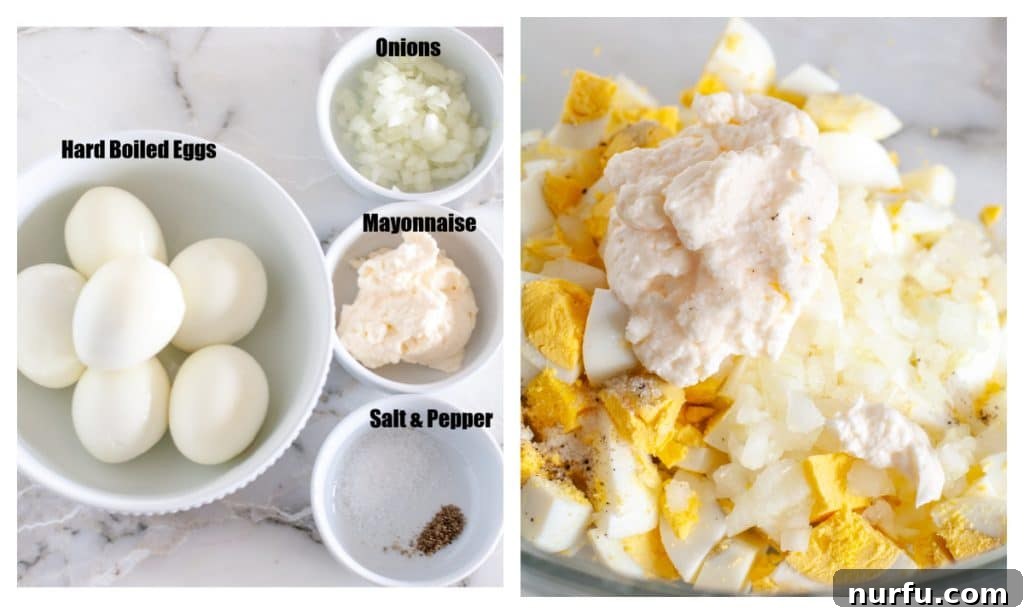
Easy Egg Salad Recipe: Fresh & Flavorful Every Time
This simple egg salad recipe ensures a fresh, creamy, and flavorful batch perfect for any occasion. It’s quick to prepare and uses basic ingredients you likely already have on hand. It’s fantastic in a sandwich, served atop fresh lettuce, or as a protein-rich snack.
Ingredients
- 6 Large Hard-Boiled Eggs: For the best results, use eggs that are a few days old as they tend to peel more easily. Ensure they are fully cooled before chopping.
- 1/4 cup Mayonnaise: Your favorite brand works best. For a healthier twist or different flavor profile, you can substitute with Greek yogurt or a blend of mayo and Greek yogurt.
- 1/4 cup Chopped Onion: Sweet Vidalia onions offer a milder flavor, but green onions (scallions) provide a subtle sharpness, and red onions can add a beautiful color and stronger bite. Adjust to your preference.
- 1/4 teaspoon Salt: Adjust to taste.
- 1/4 teaspoon Ground Black Pepper: Freshly ground pepper offers the best aroma and flavor. Adjust to taste.
- Optional Additions: Consider adding 1 teaspoon of yellow mustard for tang, sweet or dill relish for a hint of sweetness or sourness, or finely chopped celery for extra crunch. A pinch of paprika can also add a nice touch of color and subtle flavor.
How to Make the Perfect Egg Salad
Step One: Perfectly Hard-Boil the Eggs
Achieving perfectly cooked hard-boiled eggs is key to great egg salad. Here’s a reliable stove-top method:
- Place eggs in a single layer at the bottom of a saucepan.
- Cover the eggs with cold water by about one inch.
- Bring the water to a rolling boil over high heat.
- Once boiling, immediately remove the saucepan from the heat, cover it with a lid, and let the eggs sit undisturbed for 12 minutes.
- While the eggs are sitting, prepare an ice bath by filling a large bowl with ice and cold water.
- After 12 minutes, use a slotted spoon to transfer the eggs from the hot water directly into the ice bath. Let them cool there for at least 5-7 minutes. This step is crucial for preventing a green ring around the yolk and making the eggs easier to peel.
Alternative methods: You can also make perfect hard-boiled eggs in an Instant Pot (5-5-5 method: 5 mins cook, 5 mins natural release, 5 mins ice bath) or even use an air fryer for hard-boiled eggs. Whichever method you choose, ensure they are fully cooled before proceeding.
Step Two: Peel and Chop
Once the eggs are thoroughly chilled, it’s time to peel them. Gently tap the cooled eggs on a hard surface to crack the shell all over. Roll the egg between your hands to loosen the shell further, then peel under cool running water. The ice bath helps create an easier peeling process. After peeling, chop the eggs into your desired size – some prefer a finer chop, while others like larger, chunkier pieces for more texture.
Step Three: Combine and Season
In a medium-sized mixing bowl, combine the chopped hard-boiled eggs, mayonnaise, chopped onions, salt, and black pepper. If using any optional ingredients like mustard, relish, or celery, add them now. Gently mix all ingredients until they are well combined and uniformly creamy. Be careful not to overmix, as this can break down the egg whites too much.
Step Four: Serve or Chill
Your easy egg salad is now ready to be enjoyed! You can serve it immediately for the freshest taste, or cover the bowl and chill it in the refrigerator for at least 30 minutes. Chilling allows the flavors to meld together, enhancing the overall taste. It’s particularly refreshing when served cold.
Video: Easy Egg Salad Recipe
Nutrition Information (Approximate Per Serving)
The following nutrition information is an approximation and can vary based on specific ingredient brands and quantities. This calculation is for one of the 4 servings from the recipe above.
- Calories: 216 kcal
- Carbohydrates: 2g
- Protein: 10g
- Fat: 18g
- Saturated Fat: 4g
- Trans Fat: 1g
- Cholesterol: 286mg
- Sodium: 328mg
- Potassium: 114mg
- Fiber: 1g
- Sugar: 2g
- Vitamin A: 400 IU
- Vitamin C: 1mg
- Calcium: 42mg
- Iron: 1mg
Additional Information
- Course: Main Course, Salad, Snack
- Cuisine: American
- Prep Time: 10 mins
- Cook Time: 7 mins
- Total Time: 17 mins
- Servings: 4
Frequently Asked Questions About Egg Salad Storage
Can I make egg salad ahead of time for a party?
Yes, you can absolutely make egg salad ahead of time. It often tastes even better after a few hours in the refrigerator, as the flavors have more time to meld. Prepare it up to 24-48 hours in advance, store it in an airtight container, and keep it chilled until just before serving. For best quality, try not to prepare it more than two days prior to your event.
How can I tell if my egg salad has gone bad?
The clearest signs of spoiled egg salad are a distinct sour or sulfurous odor (a common smell when eggs go bad), any unusual discoloration (like a gray or greenish tint), or a slimy or excessively watery texture. If you notice any of these signs, or if it has been stored for longer than 3-5 days, it’s safest to discard it.
What if I only want to freeze hard-boiled eggs, not the whole salad?
You can freeze hard-boiled egg yolks separately, and they generally fare better than the whites in the freezer, often maintaining a decent texture for crumbling into dishes later. However, freezing whole hard-boiled eggs or just the whites will still result in the rubbery texture described earlier. For egg salad, it’s best to prepare fresh hard-boiled eggs each time.
Conclusion: Enjoying Egg Salad at Its Best
While the idea of freezing egg salad for convenience might be tempting, the consensus remains clear: it’s not the recommended method for preserving its quality. The delicate textures of hard-boiled eggs and the stability of mayonnaise are simply not suited to the freezing and thawing process. To truly savor the creamy, flavorful delight that egg salad offers, prioritize fresh preparation and proper refrigeration. By making smaller batches and enjoying them within a few days, you ensure every bite is as delicious as intended.
We hope this comprehensive guide has clarified the best practices for storing your favorite egg salad and provided you with a reliable recipe to whip up a fresh batch anytime. Do you have any secret tips for making egg salad last longer, or a favorite ingredient you love to add? Let us know in the comments below!