
The Ultimate Guide to Sage Substitutes: Flavorful Alternatives for Every Dish
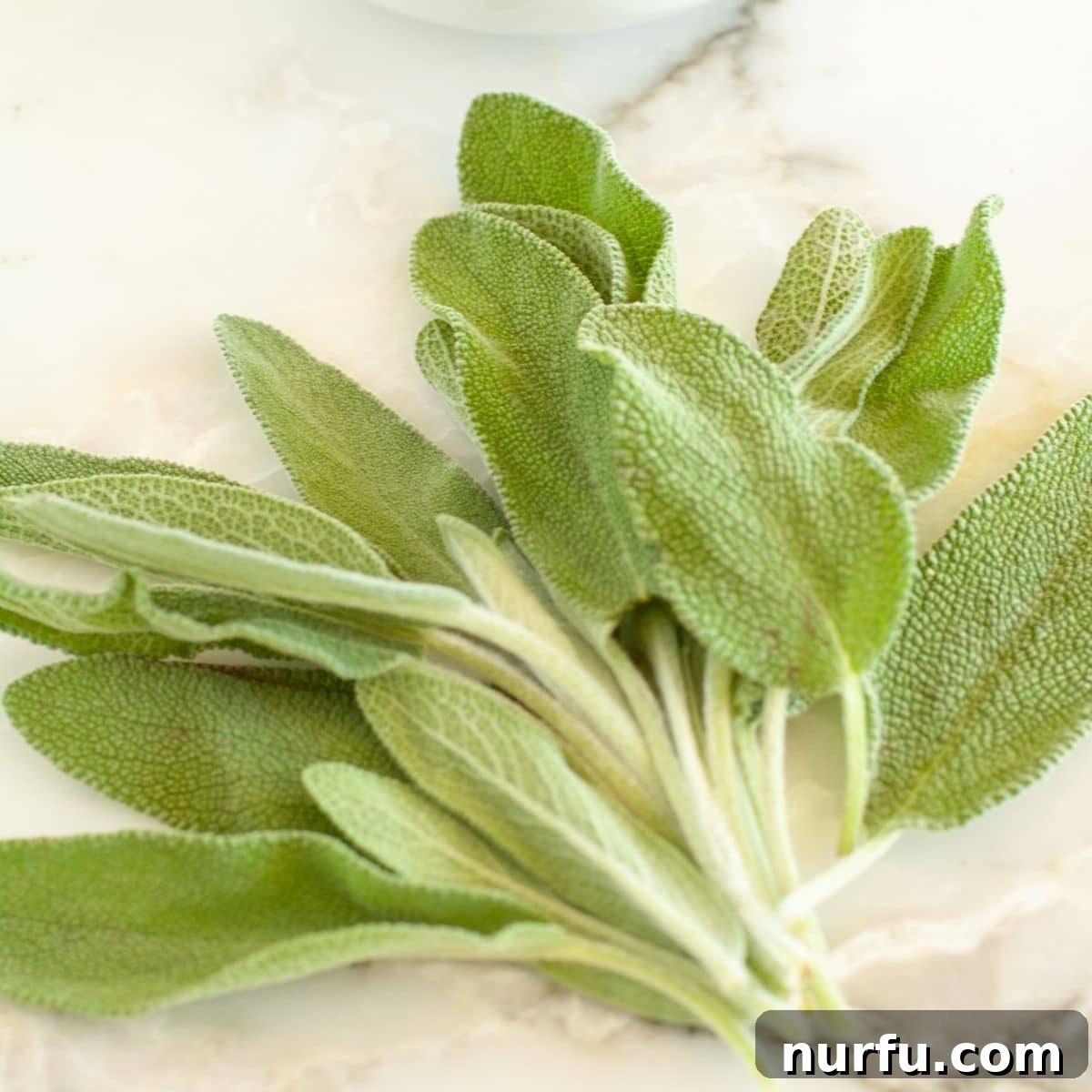
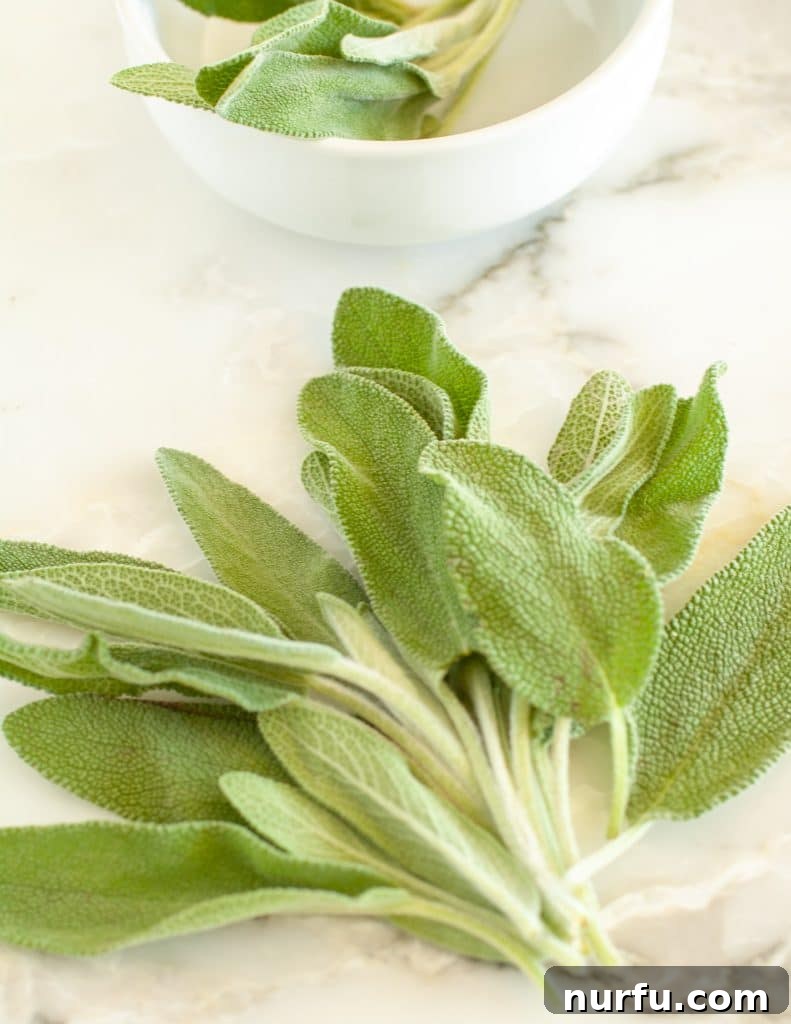
Sage, a distinctive leafy green herb, holds a revered place in kitchens worldwide. Originating from the expansive mint family, this culinary gem is celebrated for its unique flavor profile – a harmonious blend of earthy, woodsy, slightly peppery, and subtly bitter undertones, often with hints of pine and eucalyptus. While it frequently graces our holiday tables, particularly in traditional stuffings, roasted meats, and gravies, sage is a versatile herb that can elevate a wide array of dishes throughout the year.
Beyond its aromatic contributions to cuisine, sage is also prized for its remarkable medicinal properties. Historically used for its potential to aid digestion, reduce “bad” cholesterol, and offer antioxidant benefits, it’s no wonder this robust herb often pairs so perfectly with richer, fattier foods like pork, lamb, and turkey. This synergy helps balance the richness of these dishes, making them more palatable and potentially easier to digest. However, there are times when sage might be unavailable, or you might simply be looking for a new twist on a classic recipe. Fret not! The culinary world offers a plethora of excellent sage substitutes, each bringing its own nuanced character to your cooking. This comprehensive guide will explore the best alternatives, ensuring your dishes are always bursting with flavor, even when sage isn’t on hand.
Why You Might Need a Sage Substitute
Whether you’ve just run out of sage, can’t find it at your local grocery store, or are simply experimenting with new flavor combinations, knowing the best sage substitutes is an invaluable culinary skill. Sometimes, you might even prefer a milder or different flavor profile that still complements the dish in a similar way to sage. Understanding the subtle differences between these herbs and spices will empower you to make informed decisions and transform your cooking.
Rosemary: The Piney, Pungent Cousin
Rosemary, another robust member of the mint family, stands out as an excellent substitute for sage due to their shared piney, woodsy, and earthy undertones. While they share similarities, rosemary introduces a distinctly balsamic, peppery, and often citrusy or camphor-like zest that can brighten many dishes. Its potent aroma and flavor mean that a little goes a long way. When substituting rosemary for sage, it’s crucial to adjust the quantity. A general rule of thumb is to use 1 teaspoon of fresh rosemary for every 1 tablespoon of fresh sage called for in a recipe. If using dried rosemary, which is even more concentrated, you should reduce the amount even further, perhaps to half a teaspoon.
Unlike sage, rosemary is readily available all year round, typically found in both fresh sprig and dried forms. Fresh rosemary sprigs offer the purest, brightest flavor, ideal for garnishing or infusing dishes. Dried rosemary, on the other hand, delivers a more intense and spicier flavor, making it perfect for longer cooking processes where its robust taste can mellow and meld with other ingredients. Rosemary shines in roasted meats, especially lamb and chicken, root vegetables, potato dishes, and rich stews.
Marjoram: The Milder, Sweeter Companion
Marjoram is a delightful herb, also belonging to the mint family, and boasts a flavor profile that closely mimics sage but with a sweeter, milder, and more delicate character. It often presents subtle floral and citrusy notes, making it a fantastic alternative when you desire a less intense, yet still warm and herbaceous aroma. Because marjoram is less potent than sage, you can generally use it in a 1:1 ratio when substituting, particularly with fresh herbs. Both fresh and dried marjoram are widely available.
One key difference to note with marjoram is its flavor retention during cooking. It tends to lose some of its delicate aroma and taste with prolonged heat. Therefore, for optimal flavor, it is best to add marjoram towards the end of the cooking process or use it as a fresh garnish to finish a dish. It pairs beautifully with lighter meats like chicken and fish, vegetables, salad dressings, and in certain Mediterranean cuisines where its gentle sweetness can truly shine without overpowering other ingredients.
Thyme: The Earthy, Lemony Versatile Herb
Thyme, another esteemed member of the mint family, shares a very similar flavor profile with sage, making it a reliable substitute. It offers an earthy base, complemented by hints of lemon, pepper, and sometimes a faint floral or minty note. Thyme’s remarkable ability to retain its flavor even during extended cooking times makes it incredibly versatile and a favorite in braises, stews, roasted dishes, and marinades. Whether you’re simmering a rich sauce or slow-roasting a piece of meat, thyme will maintain its integrity and contribute its distinct warmth.
When substituting thyme for sage, the general rule is to use a 1:1 ratio for fresh herbs (e.g., 1 tablespoon of fresh thyme for 1 tablespoon of fresh sage). However, if you are using dried thyme, which is more concentrated, it is best to reduce the quantity. For instance, if a recipe calls for a tablespoon of fresh sage, you would use approximately 1 teaspoon of dried thyme to achieve a comparable flavor intensity. Fresh thyme leaves, especially lemon thyme varieties, offer the closest flavor resemblance to sage, providing a brighter, more nuanced aroma to your dishes. Thyme is a staple in French, Mediterranean, and Creole cuisines, making it a wonderful addition to chicken, fish, vegetables, and creamy pasta dishes.
Poultry Seasoning: The Convenient Blend
Poultry seasoning is an ingenious dry spice blend that frequently features sage as one of its primary ingredients, making it an incredibly convenient and effective substitute. Typically, this aromatic mix includes a balanced combination of thyme, sage, rosemary, marjoram, nutmeg, and black pepper. Because sage is such a dominant flavor in poultry seasoning, it naturally provides a similar aromatic foundation to your dishes. This blend is particularly well-suited for hearty, savory recipes that can benefit from a robust flavor profile, such as roasted chicken or turkey, homemade stuffing, gravies, and even fish.
When using poultry seasoning as a substitute, you can generally use it in a 1:1 ratio for dried sage. However, it’s important to consider the other potent spices present in the blend, such as nutmeg and black pepper, which can add significant depth and warmth. For more delicate dishes or those where you prefer a lighter hand with spices, it’s advisable to start with a slightly smaller amount (perhaps three-quarters of the recommended sage quantity) and then taste and adjust as needed. This allows you to achieve the desired sage-like flavor without overpowering the dish with the other components of the seasoning blend.
Savory: The Peppery, Pungent Alternative
The herb savory, true to its name, offers a wonderfully pungent and peppery flavor that makes it an excellent stand-in for sage, especially in dishes where a strong, herbaceous backbone is desired. There are two main varieties commonly used in cooking: summer savory and winter savory, each with distinct characteristics that influence their use as a substitute.
Summer Savory
Summer savory is the more popular and widely used variety. It presents a delightful balance of sweet, peppery, and minty notes, often reminiscent of thyme and marjoram but with its own unique herbaceous depth. Its flavor is generally milder compared to its winter counterpart, making it highly versatile. Summer savory pairs exceptionally well with beans (it’s often called “the bean herb”), cabbage, poultry, and sausages. Due to its more subdued yet complex flavor, you can typically use summer savory in a 1:1 ratio when substituting for sage in recipes, providing a similar earthy warmth without being overly aggressive.
Winter Savory
Winter savory, in contrast, possesses a much stronger, more earthy, and significantly more bitter flavor than summer savory, often with pronounced piney and peppery notes that align closely with sage’s more robust qualities. However, its intensity means it can easily dominate a dish if used too liberally. When utilizing winter savory as a substitute, it is best to use a conservative approach, starting with half the amount of sage called for. It is particularly suited for hearty, long-cooked dishes such as stews, game meats, and rich gravies, where its potent flavor can mellow and integrate beautifully with other ingredients.
Oregano: The Mediterranean Powerhouse
Oregano, another prominent member of the mint family, shares an earthy and slightly bitter flavor profile with sage, making it a viable substitute, particularly in savory dishes. Beyond its fundamental earthiness, oregano also offers hints of sweetness, pepperiness, and sometimes a subtle citrus or minty edge, providing a complex and robust character. This aromatic herb is known for its ability to withstand prolonged cooking times, retaining its potent aroma and flavor, which is a significant advantage in many recipes.
You can find oregano in both fresh leafy form and as a dried seasoning. Fresh oregano typically has a more potent and vibrant flavor than its dried counterpart, making it a strong contender for replacing fresh sage in savory preparations. When using fresh oregano as a substitute for fresh sage, a 1:1 ratio generally works well. However, if using dried oregano, which is more concentrated, start with about two-thirds to three-quarters of the amount specified for dried sage and adjust to taste. Oregano is a cornerstone of Italian, Greek, and Mexican cuisines, pairing wonderfully with tomato-based sauces, roasted vegetables, grilled meats, and pizzas. Just be mindful that fresh oregano leaves can be quite strong, so if using them in a dish where they won’t be cooked down, you might want to remove them before serving to avoid an overly bitter bite.
Basil: The Sweet and Peppery Touch
Basil, yet another esteemed member of the mint family, offers a flavor profile that can surprisingly work as a sage substitute in certain contexts. While sage is known for its earthy, woodsy notes, basil brings a distinctly sweeter, peppery, and often anise-like or slightly lemony flavor. It also possesses a mild bitter undertone that connects it to sage. This contrast in sweetness can be a welcome change, particularly in dishes where a brighter, more aromatic lift is desired without losing the underlying herbaceous quality.
Basil is widely available in stores year-round, both fresh and dried. For a more potent and concentrated flavor, dried basil is often preferred when substituting for dried sage. Fresh basil, on the other hand, offers a milder, more vibrant taste that pairs exquisitely with tomatoes in salads, pasta sauces, or as a fresh topping for pizzas. When substituting basil for sage, you can generally use a 1:1 ratio, especially if you’re comfortable with the subtle shift in flavor profile towards a sweeter, more aromatic direction. It’s a fantastic choice for Mediterranean-inspired dishes, poultry, and vegetable preparations where its unique characteristics can enhance rather than simply mimic sage.
Mint: The Refreshing Aromatic
Given that sage originates from the expansive mint family, it’s no surprise that mint itself can be considered a viable, albeit distinct, option for substitution, especially in a pinch. However, it’s important to acknowledge that while they share familial ties, their flavor profiles also have notable dissimilarities. Mint is characterized by a much stronger, more refreshing, often sweet, and intensely peppery flavor, accompanied by its signature cooling sensation (menthol).
Due to its potent and sometimes overpowering flavor, especially the fresh leaves, mint requires careful handling when used as a sage substitute. It is generally best to cut the amount of mint in half from the original sage measurement. For example, if a recipe calls for 1 tablespoon of sage, start with half a tablespoon of mint. Fresh mint leaves have the most potent flavor and aroma, delivering a striking taste. If you prefer a milder effect or are concerned about the menthol overpowering your dish, using dried mint leaves can help cut back on the intensity. Mint pairs well with lamb, certain salads, fruit dishes, and some Middle Eastern cuisines, where its refreshing quality is celebrated. Consider the overall flavor profile of your dish and whether a burst of freshness would be a welcome addition.
Sage Essential Oil: Concentrated Power
For those looking for an extremely potent and concentrated sage flavor, sage essential oil can be an unexpected yet effective substitute in cooking. It’s crucial to emphasize that not all essential oils are food-grade, so always ensure you are using a high-quality, pure essential oil specifically labeled for internal use and culinary applications. This highly concentrated form means that its flavor is exponentially more powerful than fresh or dried sage leaves.
When using sage essential oil in cooking, the principle “a little goes a very, very long way” cannot be overstated. Even a single drop can infuse an entire dish with a profound sage essence. For most recipes that call for fresh or dried sage, a mere drop or two of sage essential oil will suffice. It’s best to add it towards the end of cooking or incorporate it into a liquid component (like broth, oil, or sauce) to ensure even distribution and prevent hot spots of intense flavor. This method is particularly useful for marinades, dressings, or specific baked goods where the exact flavor profile of sage is desired in a highly concentrated form without the bulk of the herb itself. Exercise extreme caution and always start with the absolute minimum, tasting and adding more if necessary.
Choosing the Right Substitute for Your Dish
When selecting a sage substitute, consider the overall flavor profile of your dish and the role sage typically plays. Do you need a strong, earthy backbone for a hearty stew, or a more delicate, aromatic touch for a lighter poultry dish? Understanding the nuances of each alternative will guide your decision:
- For Robust, Earthy Flavor (e.g., stuffings, sausages, roasted meats): Rosemary, Winter Savory, and Poultry Seasoning are excellent choices. Their strong profiles can stand up to rich ingredients.
- For Milder, Aromatic Qualities (e.g., chicken, fish, vegetables): Marjoram, Thyme, and Summer Savory offer a gentler herbaceousness that complements without overpowering.
- For Mediterranean or Italian-inspired dishes: Oregano and Basil will integrate beautifully, providing a familiar flavor landscape.
- For a refreshing twist: Mint, used sparingly, can add an unexpected brightness to certain dishes like lamb.
- For concentrated flavor or specific applications: Sage Essential Oil is a powerful tool when used with precision and care.
Remember to always start with a smaller quantity than the recipe calls for, especially with more potent herbs or dried varieties, and then gradually add more until you achieve your desired taste. This approach allows you to adjust the flavors to perfection, ensuring your culinary creations are always a success.
Conclusion: Embrace Culinary Creativity
Sage is undoubtedly a treasured herb, but running out doesn’t have to put a damper on your culinary ambitions. With a diverse array of flavorful substitutes at your disposal, you can confidently tackle any recipe, adapting it to your available ingredients or even exploring new taste dimensions. From the piney notes of rosemary to the sweet subtlety of marjoram and the pungent kick of savory, each alternative brings its own unique character to the table. By understanding their individual profiles and best uses, you empower yourself to be a more flexible and creative cook. So go ahead, experiment with these fantastic sage substitutes, and discover how they can elevate your favorite dishes to new heights of flavor!
Looking for More Substitutions?
Exploring alternatives is a cornerstone of smart cooking. If you’re seeking substitutes for other common ingredients, check out these helpful guides:
- Cornmeal Substitutes
- Mushroom Substitutes
- Ground Mustard Substitutes