
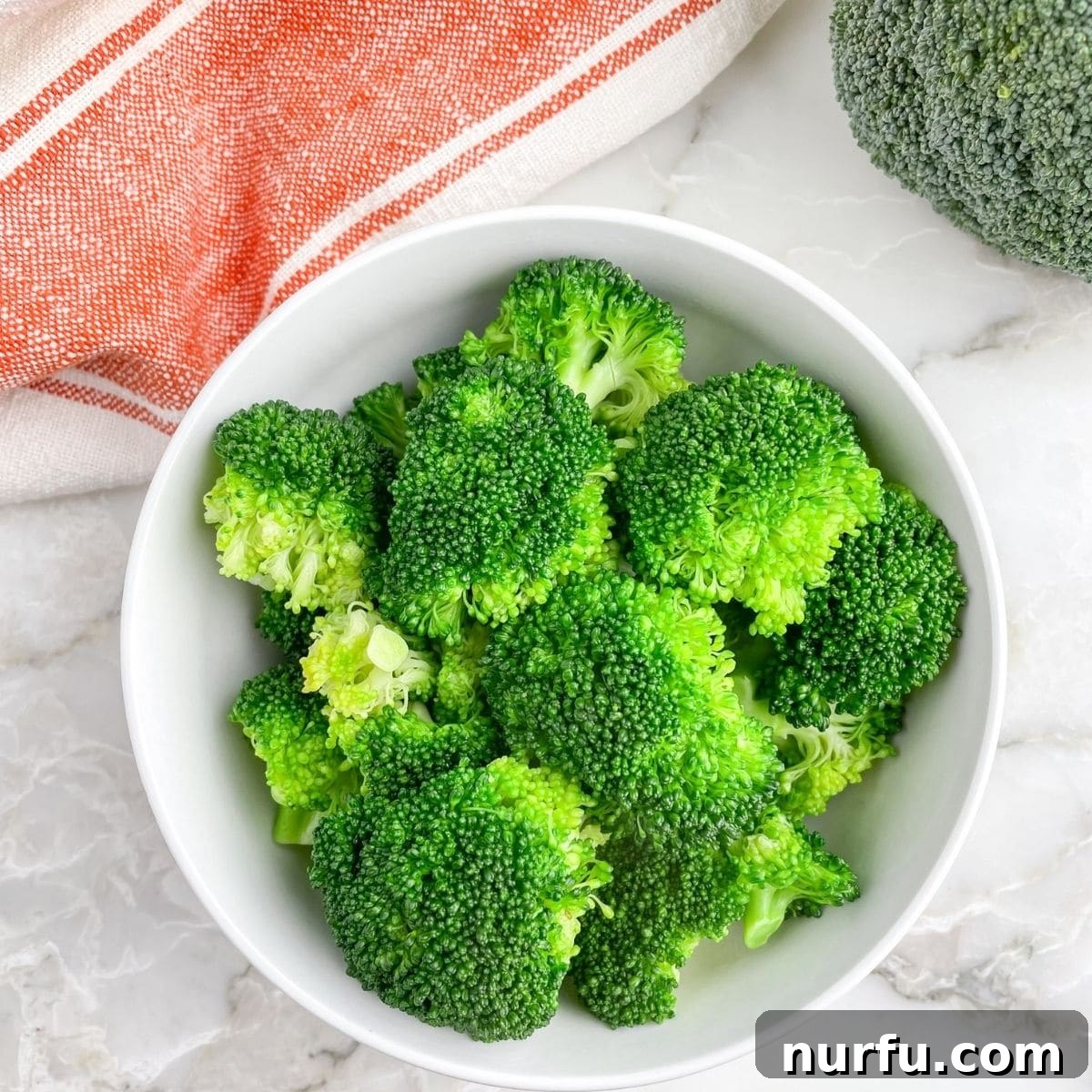
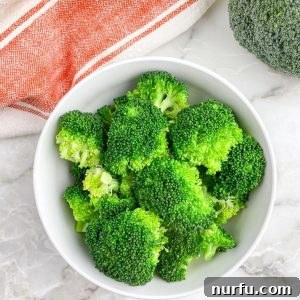
Unlock the secret to perfectly cooked broccoli with a vibrant green color and that irresistible crisp-tender texture. This comprehensive guide will walk you through every step, ensuring your boiled broccoli is consistently delicious, healthy, and a perfect addition to any meal.
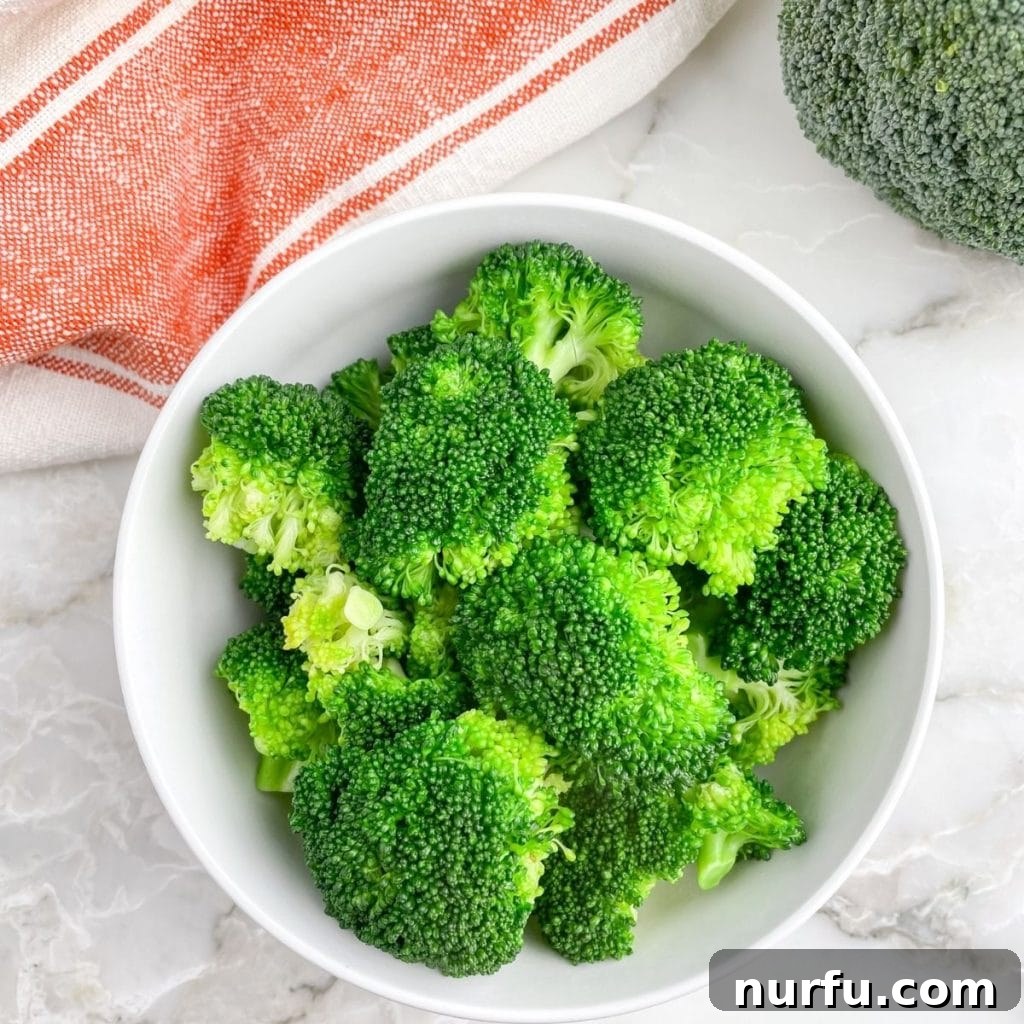
Broccoli, a nutritional powerhouse, is a beloved vegetable in countless households for good reason. It’s incredibly versatile, packed with essential vitamins and minerals, and wonderfully easy to prepare. While popular cooking methods include air frying, roasting in the oven, microwaving, or using an Instant Pot, boiling remains a classic and simple technique. Boiling broccoli correctly not only preserves its stunning, bright green hue but also guarantees a delightful, tender-crisp bite that complements a wide array of dishes.
As a healthy and quick side, boiled broccoli pairs wonderfully with hearty main courses like Lipton onion soup meatloaf, zesty orange chicken, or succulent pork tenderloin. It’s a nutrient-dense vegetable that brings a fresh flavor and textural contrast to your plate, making healthy eating both easy and enjoyable.
How Long to Boil Broccoli for Perfect Results
Achieving the ideal texture for boiled broccoli typically takes between 2 to 4 minutes. However, the exact cooking time will largely depend on a few key factors: the size of your broccoli florets and your desired level of tenderness. For perfectly crisp-tender broccoli – meaning it’s cooked through but still has a slight bite – aiming for 2-4 minutes is your best bet. Smaller florets will cook faster, while larger ones may require the full 4 minutes or even a touch longer.
If you prefer your broccoli on the softer side, you might extend the cooking time by an additional 1-2 minutes. Conversely, if you enjoy a more “al dente” texture, akin to pasta that’s firm to the bite, stick to the lower end of the 2-minute range. The key is to pay close attention and test for doneness frequently to avoid overcooking, which can lead to mushy, dull-colored broccoli that loses some of its nutritional value and appealing texture.
Step-by-Step Guide to Making Perfect Boiled Broccoli
Mastering boiled broccoli is straightforward with a few simple steps. Follow this guide for a consistently great outcome.
Step 1: Selecting and Preparing Your Broccoli
The foundation of delicious boiled broccoli begins at the store. When selecting broccoli, look for heads that are tightly bunched, firm, and have a vibrant, dark green color. Avoid any heads that appear soft, wilted, or show signs of yellowing or brown spots, as these are indicators of older or spoiled broccoli.
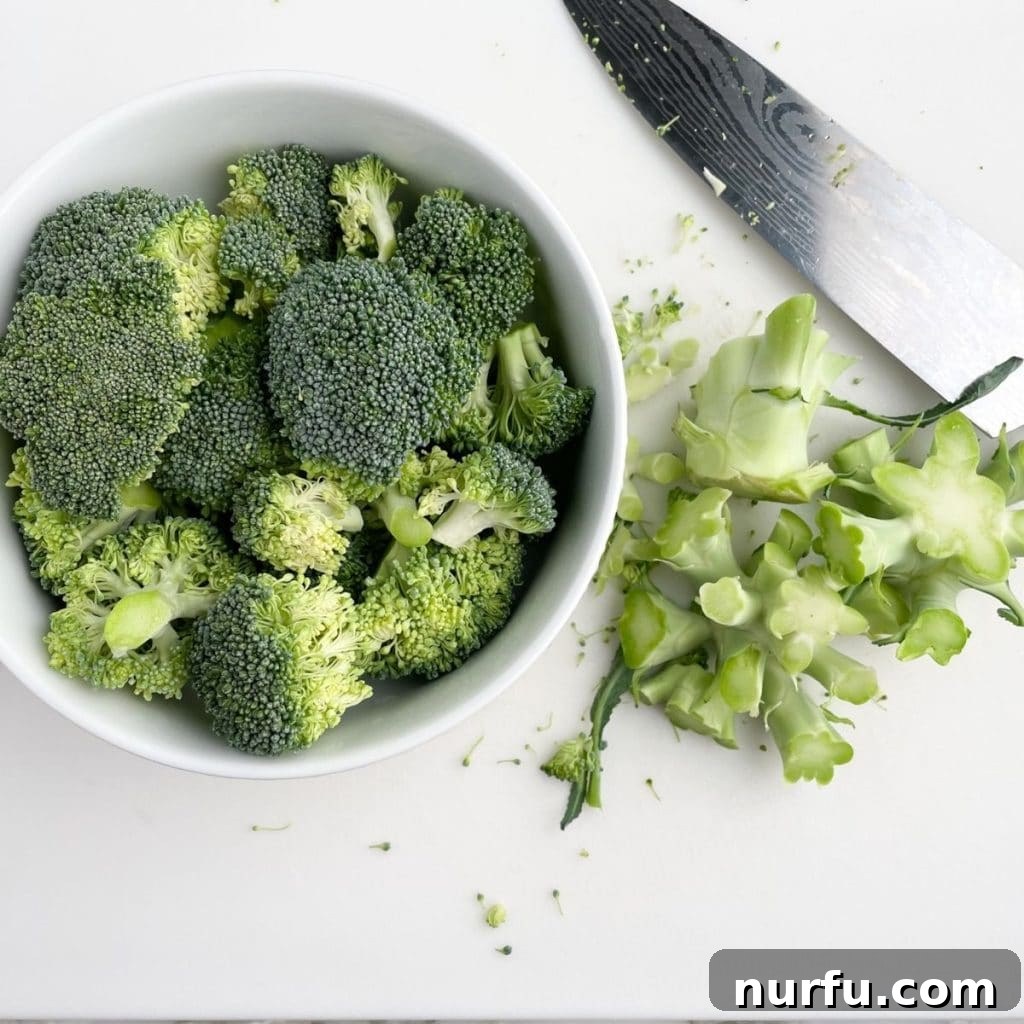
Once you’ve chosen your fresh broccoli, it’s time for preparation. Start by rinsing the entire head under cool running water to remove any dirt or debris. Using a sharp chef’s knife, carefully separate the florets from the main stalk. Aim for florets of roughly equal size (about 1 to 1.5 inches) to ensure even cooking. If you have larger florets, cut them in half or quarters. Don’t discard the stalk! It’s perfectly edible and nutritious. Simply peel the tougher outer layer and cut the inner, tender core into bite-sized slices or chunks, which can be boiled along with the florets for added flavor and less waste.
Quick Tip: For convenience, you can also use pre-cut, bagged fresh broccoli florets available at most grocery stores. Just give them a quick rinse before cooking.
Step 2: Preparing the Boiling Water
Grab a large pot and fill it with enough water to comfortably cover your broccoli florets. It’s crucial to use ample water to prevent the temperature from dropping too drastically when you add the cold broccoli, which could lead to uneven cooking. Bring the water to a rapid, rolling boil over high heat. Once the water is boiling vigorously, add a generous pinch of salt – about ½ to 1 teaspoon per quart of water. While optional, salt significantly enhances the broccoli’s natural flavor and helps to preserve its vibrant green color. Think of it like cooking pasta; well-salted water makes all the difference.
Step 3: Boiling the Broccoli to Perfection
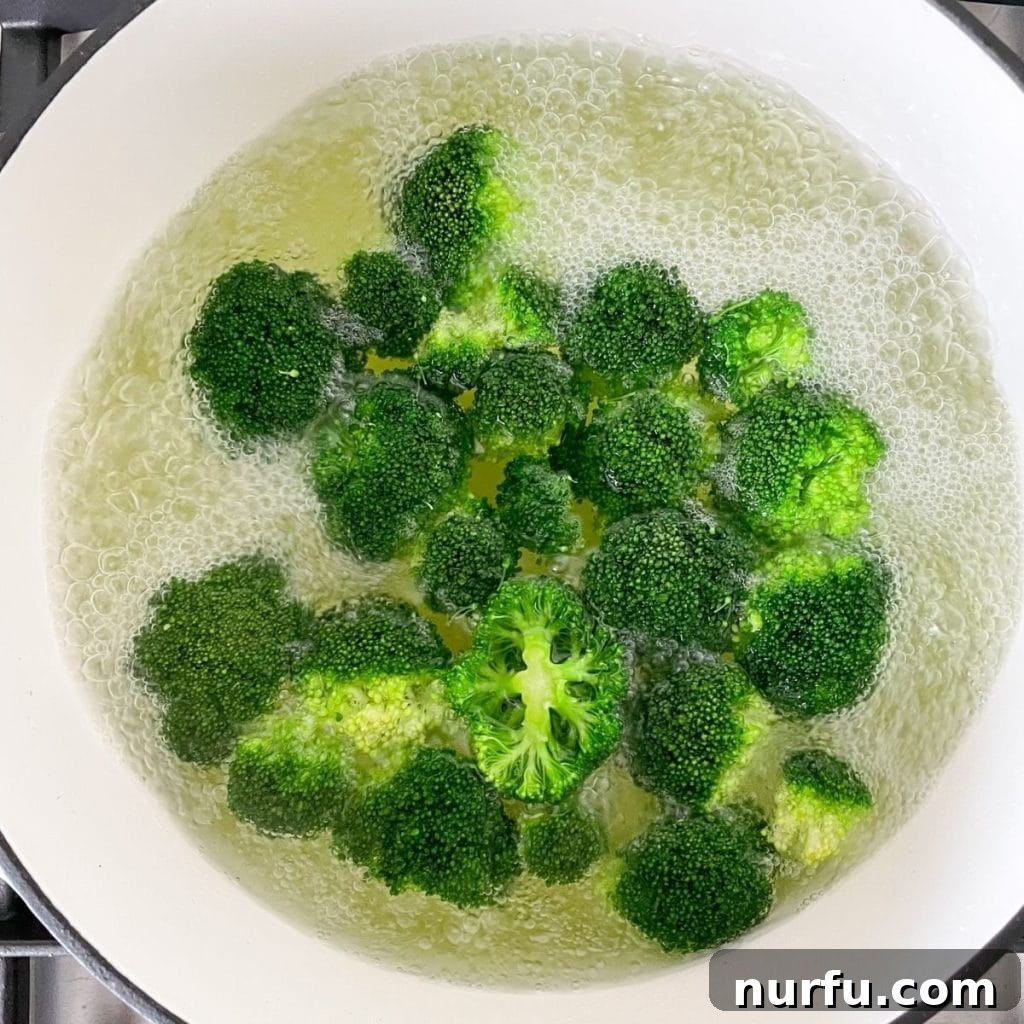
Carefully add the prepared raw broccoli florets (and any stalk pieces you’re using) to the rapidly boiling, salted water. Give them a quick stir to ensure they are all submerged. Begin timing immediately. Boil the broccoli for 2 to 4 minutes. For that coveted crisp-tender, “al dente” texture, aim for the shorter end of this range. If you prefer your broccoli a bit softer, continue cooking for another 1 to 2 minutes, but be mindful not to let it become mushy. The goal is a bright green color and a tender, yet still slightly firm, bite.
Step 4: Draining and Finishing Touches
Once your broccoli reaches the desired tenderness, immediately remove it from the heat. Carefully drain the broccoli using a colander. To halt the cooking process and preserve that beautiful vibrant green color, consider an optional step: plunge the drained broccoli into a bowl of ice water for about 30 seconds to 1 minute, a technique known as blanching. This “shock” stops the residual heat from continuing to cook the vegetable. After the ice bath, drain thoroughly again.
Serve your perfectly boiled broccoli immediately, either plain or with your favorite seasonings. A simple drizzle of extra virgin olive oil, a pat of butter, a squeeze of fresh lemon juice, or a sprinkle of salt and freshly ground black pepper can elevate its flavor beautifully. Other popular additions include garlic powder, red pepper flakes, grated Parmesan cheese, or a dash of balsamic glaze.
Expert Tips and Tricks for Perfect Boiled Broccoli
- Don’t Overcrowd the Pot: While you can boil 1-3 heads of broccoli at once, ensure your pot is large enough and filled with sufficient water to cover all the florets. Overcrowding lowers water temperature and can lead to unevenly cooked or steamed, rather than properly boiled, broccoli.
- Consistent Floret Size: Cut your broccoli florets into uniform sizes. This is crucial for even cooking, as smaller pieces will cook much faster than larger ones.
- Mind the Cooking Time: The exact cooking time can vary by a minute or two depending on whether you have small or large florets. Always test for doneness rather than relying solely on the clock.
- Avoid Overcooking: Be vigilant not to boil broccoli for too long. Overcooked broccoli turns dull green, becomes mushy, and loses its appealing texture and some of its nutritional value. It should be tender but still offer a slight resistance when bitten.
- Enhance Flavor: For an extra layer of flavor, consider adding a splash of balsamic vinegar, a squeeze of fresh lemon juice, a teaspoon of minced garlic, or a sprinkle of your favorite herbs and spices (like dried oregano or chili flakes) just before serving.
- Steamer Basket Alternative: While this guide focuses on boiling directly in water, using a steamer basket placed over boiling water is another excellent method. Steaming preserves even more nutrients and produces a similar crisp-tender result, often taking 5-7 minutes.
- Utilize the Stalk: Don’t throw away the broccoli stalk! Once peeled of its tough exterior, the inner stalk is delicious. Cut it into coins or matchsticks and boil it alongside the florets, or save it for stir-fries, soups, or slaws.
- Season Liberally: After boiling, don’t hesitate to season your broccoli generously. Besides salt and pepper, try a sprinkle of nutritional yeast for a cheesy flavor, a dash of soy sauce, or a drizzle of sesame oil for an Asian twist.
How Do You Know When Broccoli is Done Boiling?
You’ll know your broccoli is perfectly done when you can easily pierce a floret with a fork, but it still offers a slight, pleasant resistance. Visually, it should be a vibrant, bright green color. If it’s dull or army green, it’s likely overcooked. The stem portion of the floret should be tender, not hard, but the florets themselves should not be falling apart or mushy. A quick taste test is always the most reliable indicator.
Is Boiling the Same as Blanching Broccoli?
While boiling is a part of blanching, they are not entirely the same process. Blanching is a specific cooking technique where a vegetable, like broccoli, is briefly boiled until it’s just fork-tender, and then immediately plunged into an ice water bath to stop the cooking process (often referred to as “shocking”). This rapid cooling helps to preserve the vegetable’s color, texture, and often some nutrients. Blanching is typically done as a preparatory step for freezing vegetables, or for dishes where you want to ensure the broccoli remains bright and crisp, like in salads or stir-fries where it will be cooked again briefly.
Boiling for immediate consumption, as described in this guide, involves cooking the broccoli until it reaches your desired tenderness (crisp-tender to softer), and then draining it for serving. While you *can* use an ice bath for boiled broccoli to maintain color, it’s not always necessary if you’re eating it right away.
How to Store Boiled Broccoli
To store leftover boiled broccoli, first ensure it has cooled completely to room temperature. This prevents condensation and keeps it from becoming soggy. Transfer the cooled broccoli to an airtight container and store it in the refrigerator for up to 3-4 days. For best results and to prevent excessive moisture, you can place a paper towel at the bottom of the container before adding the broccoli.
If you want to store broccoli for longer periods, blanching is the ideal method. After blanching and thoroughly drying the broccoli, you can freeze it in a single layer on a baking sheet before transferring it to freezer-safe bags or containers. Frozen blanched broccoli can last for up to 8-12 months.
To reheat refrigerated boiled broccoli, you can quickly sauté it in a pan with a little oil, microwave it for 1-2 minutes, or even add it to soups and stir-fries.
More Delicious Broccoli Recipes to Try
Broccoli’s versatility extends far beyond a simple side dish. Here are a few more creative ways to enjoy this healthy vegetable:
- Orecchiette with Broccoli and Chicken Sausage – A wholesome and easy meal featuring tender broccoli florets and savory sliced chicken sausage, perfect for a weeknight dinner.
- Creamy Broccoli Cheese Casserole – Indulge in a rich, cheesy casserole that’s reminiscent of a comforting broccoli cheese soup, baked to golden perfection.
- Refreshing Broccoli Salad – A vibrant and crunchy salad, often made with bacon, raisins, and a creamy dressing, making it an ideal side dish for a BBQ, potluck, or picnic.
- Homemade Chicken and Broccoli Cheese Pockets – A family favorite! These homemade pockets are generously filled with gooey cheese and tender pieces of chicken and broccoli, offering a delicious and satisfying meal or snack.
How Long To Boil Broccoli
Pin Recipe
Rate Recipe
Print Recipe
Ingredients
- 1 crown of broccoli
- 1/2 teaspoon salt
Instructions
-
Using a sharp knife, cut the stem off a head of broccoli. Carefully cut into bite-size florets (approx. 1-1.5 inches). If eating the stem, peel the tough outer layer and cut it into small pieces.
-
Bring a large pot of water to a rapid boil. Add salt to the boiling water.
-
Add in broccoli florets (and stem pieces if using). Cook for 2-4 minutes, or until fork-tender with a vibrant green color.
-
Carefully drain the broccoli in a colander. Optionally, plunge into an ice bath for 30 seconds to preserve color, then drain again. Serve immediately, seasoned with salt, pepper, or your favorite additions.
Video
Embed video here (e.g., using an iframe with a YouTube link).
Nutrition
Carbohydrates: 10g |
Protein: 4g |
Fat: 1g |
Saturated Fat: 1g |
Polyunsaturated Fat: 1g |
Monounsaturated Fat: 1g |
Sodium: 341mg |
Potassium: 480mg |
Fiber: 4g |
Sugar: 3g |
Vitamin A: 947IU |
Vitamin C: 136mg |
Calcium: 72mg |
Iron: 1mg
Nutrition information is automatically calculated, so should only be used as an approximation.
Additional Info
Like this? Leave a comment below!