
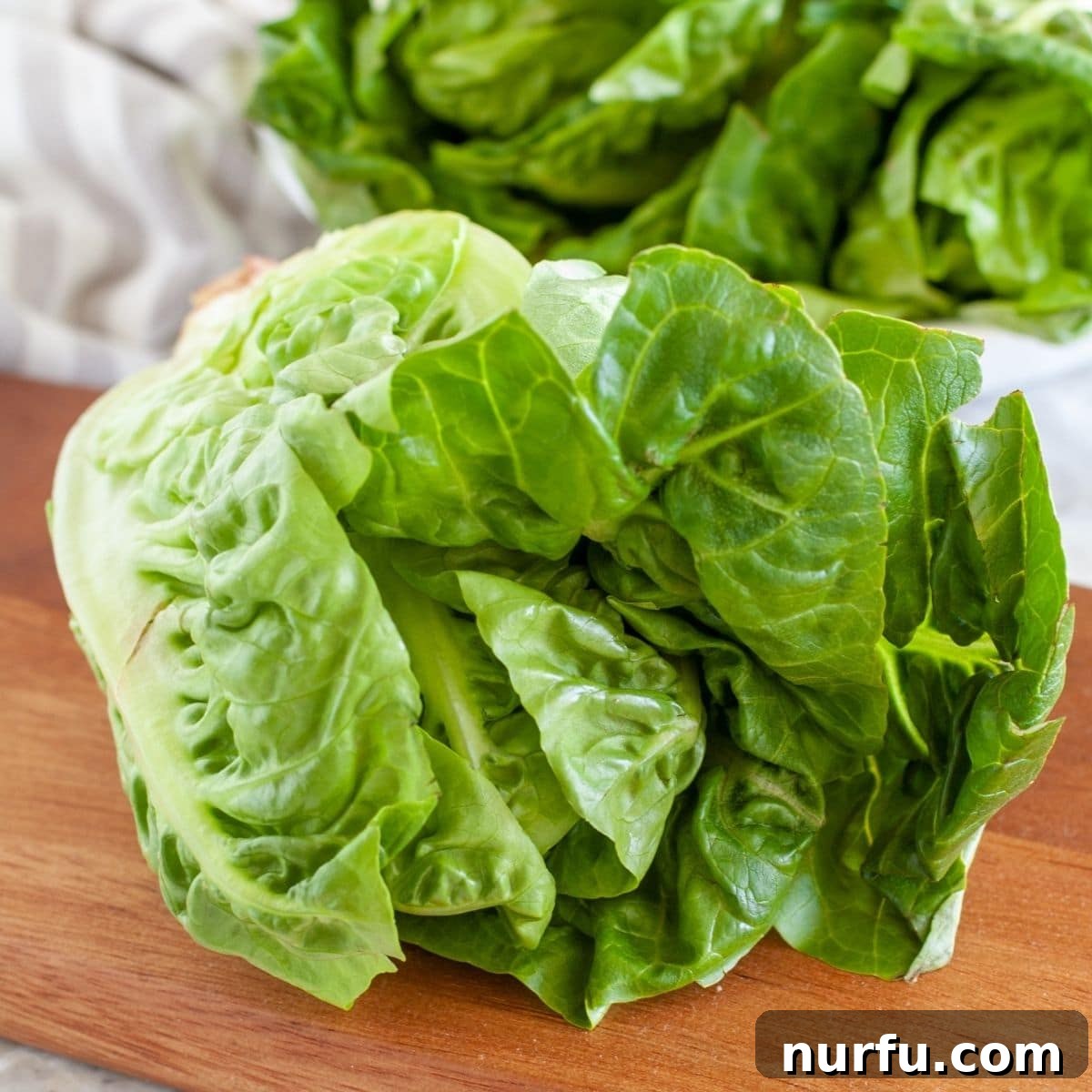
Have you ever opened your refrigerator only to find a forgotten head of lettuce looking limp and less-than-appetizing? It’s a common dilemma that often leads to food waste, but what if there was a way to extend the life of your leafy greens? The age-old question, “Can you freeze lettuce?” often elicits a mixed response: yes, but with important considerations. While freezing can certainly preserve your lettuce, not all types are suited for the freezer, and the texture will undergo a significant transformation due to its high water content. Understanding these nuances is key to successfully freezing lettuce and making the most of your produce.
We all know the importance of consuming our daily dose of vegetables, packed with essential vitamins, minerals, and fiber. Yet, the sad reality is that a significant amount of fresh produce goes to waste every year. Freezing offers a fantastic solution to combat this problem, allowing you to preserve vegetables past their fresh prime and have them ready for future use. While freezing crisp salad greens might sound counterintuitive, with the right techniques and realistic expectations, your freezer can become a powerful tool in your quest for a zero-waste kitchen, transforming once-doomed lettuce into a versatile ingredient for countless culinary creations.
Why Freeze Lettuce? The Benefits of Preservation
The primary motivation behind freezing lettuce is to reduce food waste and save money. Lettuce often comes in larger quantities than can be consumed before it wilts or spoils. By freezing it, you effectively hit pause on the spoilage clock, extending its usability for weeks or even months. This means fewer trips to the grocery store, less money spent on replacements, and a continuous supply of nutrient-rich greens at your fingertips. Freezing also allows you to capitalize on sales or seasonal abundance, ensuring you always have healthy ingredients on hand, even when fresh options are expensive or unavailable. While the texture changes post-thaw, the nutritional value largely remains intact, making frozen lettuce a valuable addition to your cooking repertoire.
Understanding Lettuce and Freezing: The Texture Transformation
The key challenge when freezing lettuce lies in its high water content, which can be upwards of 95%. When water freezes, it expands, forming ice crystals that rupture the cell walls of the lettuce leaves. Upon thawing, these damaged cell walls lead to a loss of turgor (the crispness that makes lettuce so appealing in salads), resulting in a soft, often slimy texture. This is why expectations must be adjusted; frozen and thawed lettuce will never be suitable for a crisp garden salad. Instead, it transforms into a cooked-green ingredient, perfect for dishes where texture is less critical than flavor and nutritional boost. Understanding this fundamental change is crucial for successful freezing and appropriate culinary application.
Types of Lettuce You Can Freeze for Best Results
Not all lettuce varieties are created equal when it comes to enduring the frigid temperatures of your freezer. The success of freezing lettuce largely depends on two critical factors: the type of lettuce itself and its origin. Due to its delicate, watery structure, thin-leafed and high-water-content varieties like classic iceberg lettuce are particularly ill-suited for freezing. The large ice crystals that form will cause irreparable damage to its cells, turning it into an unappetizing mush upon thawing. Instead, gravitate towards thicker-leafed, more robust varieties that can better withstand the freezing process.
Excellent choices for freezing include romaine or Cos types, known for their sturdy, slightly bitter leaves. Boston or bibb types, often referred to as Butterheads, with their soft yet relatively thick leaves, also fare well. You might also consider green leaf or red leaf lettuce for their somewhat tougher texture compared to iceberg. Even hybrid versions of these types, often boasting vibrant colors like burgundy and deep green, are good candidates. These varieties hold up better, maintaining more of their structure and nutritional integrity, even if their crispness is lost.
Beyond the varietal, the source of your lettuce plays a surprising role. Lettuce that is freshly harvested, either from your own garden or purchased directly from a local farm or farmer’s market, tends to freeze best. This is primarily because it hasn’t undergone the extensive storage, washing, and shipping processes that commercially produced lettuce endures. Farm-fresh lettuce often retains more vitality and fewer hidden moisture spots, contributing to a better freezing outcome. While you can certainly freeze grocery store lettuce, starting with the freshest, most robust leaves available will always yield superior results, minimizing the detrimental effects of freezing on texture and quality.
How to Freeze Lettuce to Make It Last Longer: A Step-by-Step Guide
Freezing lettuce effectively requires a little preparation, but the steps are straightforward and well worth the effort for preserving your greens. Follow this detailed guide to ensure your lettuce is freezer-ready and optimally stored.
- Separate the leaves and wash thoroughly. This initial cleaning step is paramount. Once frozen, you won’t want to rewash your lettuce, as it will be too delicate. Take your time to carefully separate each leaf, inspecting it for any dirt, debris, or insects. Wash them under cool, running water, gently rubbing the surfaces to ensure all grime is removed. If you prefer to remove the tougher leaf bases and stems for textural reasons or to save space, now is the ideal time to do so. A thorough wash ensures your lettuce is clean and ready for immediate use once thawed.
- Dry, dry, dry, and dry some more: The crucial step. This is arguably the most critical stage in preventing your frozen lettuce from becoming an icy, slimy mess. Excess moisture on the surface of the leaves will turn into large ice crystals during freezing, causing significant damage to the cellular structure. Think of it like a meticulous drying process for precious items. There are several effective methods to achieve optimal dryness. You can use a salad spinner to remove the bulk of the water, then gently blot the leaves dry with clean kitchen towels or paper towels. Alternatively, you can spread the washed leaves in a single layer on clean paper towels laid out on your counter or a baking sheet, allowing them to air dry for an hour or two, turning them occasionally. A combination of a salad spinner followed by blotting or air drying is often the most efficient. The goal is to remove as much surface water as humanly possible, as drier leaves lead to smaller ice crystals and a slightly better post-thaw texture.
- Store in Freezer-Safe Bags or Containers. Once your lettuce leaves are impeccably dry, it’s time to prepare them for their journey into the freezer. Standard storage bags are often too thin to prevent freezer burn effectively. Instead, opt for heavy-duty freezer bags or vacuum-sealable bags. Freezer bags are designed with thicker material to create a more robust barrier against air and moisture, which are the primary culprits of freezer burn.
Carefully place your dried lettuce leaves into the freezer bags. Avoid overpacking; you want enough room to remove as much air as possible. Air is the enemy of frozen food, leading to dehydration and flavor loss (freezer burn). If you’re using standard freezer bags, press out all excess air before sealing. For optimal protection, especially if you plan to store the lettuce for an extended period, a vacuum sealing system is your best friend. The tight, air-free seal created by a vacuum sealer is like a superhero protecting your greens from the “evil Dr. Freezer Burn.” Label your bags with the date to keep track of freshness. Place your meticulously protected leaves in the freezer and aim to use them within six months for the best quality, although they can remain safe to eat for longer.
Can You Freeze Shredded Lettuce? Absolutely!
Yes, you can absolutely freeze shredded lettuce, and it can be a fantastic way to prepare it for future cooking. The process remains the same as freezing whole leaves, with an emphasis on thorough washing and, especially, meticulous drying. Shredded lettuce is particularly susceptible to clumping if there’s any residual moisture. Just remember the golden rule: your thawed shredded lettuce will lose its crunch and crispness. Therefore, don’t plan on using it as a crunchy topping for your Taco Tuesday spread. Instead, envision it as an ingredient destined for cooked applications where its softened texture won’t be a detriment, but rather an advantage for blending seamlessly into dishes.
Can You Freeze Bagged Lettuce? Yes, with a Twist.
Many households rely on the convenience of pre-packaged, bagged lettuce from the grocery store. The good news is that you can certainly freeze this type of lettuce, but with a slight modification to its original packaging. The thin plastic bags typically used for pre-washed lettuce are not designed for long-term freezer storage. They are permeable to air and moisture, which will inevitably lead to freezer burn and a rapid decline in quality. To successfully freeze bagged lettuce, you will need to remove it from its original packaging. Follow the same steps as you would for fresh, whole lettuce: wash it again thoroughly (even if it says pre-washed, a quick rinse is good practice), and then, most importantly, dry it completely. Once dry, transfer it to a heavy-duty freezer-safe bag or container, ensuring you remove as much excess air as possible before sealing and freezing.
Creative Uses for Frozen Lettuce: Beyond the Salad Bowl
If your initial thought was to simply unfreeze your lettuce and construct the salad of your dreams, it’s time to adjust that vision. Frozen lettuce, once thawed, will not possess the crisp texture required for a fresh salad. Its transformation means it’s best suited for cooked applications where its softened consistency can shine, integrating seamlessly into a variety of dishes. Embrace a culinary world that extends far beyond the traditional salad bowl.
Frozen lettuce makes a remarkably versatile and nutritious addition to a wide array of cooked meals. Think of it as a subtle green boost for your favorite comfort foods. Throw a handful into simmering soups, stews, or broths to deepen their flavor and add an extra layer of nutrients. It blends beautifully into hearty quiches, savory casseroles, or even baked pasta dishes. For a quick and healthy meal, toss it into a pan with other vegetables, your choice of protein, and a flavorful sauce for a vibrant stir-fry. If you have a go-to recipe that typically calls for frozen spinach, consider using your thawed lettuce as a direct substitute; it offers a similar texture and nutritional profile once cooked.
For those on a low-carb journey, whole thawed lettuce leaves can be used as a fantastic wrap alternative. Simply thaw the leaves in the refrigerator beforehand, and then use them as a fresh, light casing for tacos, burritos, or sandwich fillings. You can also cook frozen lettuce much like you would other leafy greens, such as collards or kale. Sauté it with garlic and olive oil, braise it in a little broth, or steam it gently. Serve these cooked greens alongside a grilled protein, roasted vegetables, or pasta for an extra burst of nutrition and a unique side dish that’s both healthy and flavorful. The softened texture of thawed lettuce allows it to wilt down beautifully, imparting its subtle taste without overwhelming other ingredients.
Freezing Pureed Lettuce for Smoothies and Hidden Nutrition
Smoothies are an excellent and popular method for effortlessly incorporating a healthy dose of fruits and vegetables into your daily diet. They become even more powerful nutritional powerhouses when you include pureed frozen lettuce, making it incredibly easy to sneak in extra greens without altering the taste or texture significantly. This method is particularly effective for those who might be hesitant about the texture of cooked lettuce but still want the nutritional benefits.
The process for creating these nutrient-dense cubes is simple: after thoroughly washing and de-stemming your lettuce leaves, combine them in a high-speed blender or food processor with a small amount of water. Blend until you achieve a smooth, consistent puree. Then, pour this vibrant green mixture into ice cube trays and freeze until solid. When it’s time to whip up a smoothie, simply pop one or two of these frozen lettuce cubes directly into your blender along with your other ingredients. The result is an instant, unnoticeable boost of vitamins and minerals, transforming your smoothie into an even healthier concoction!
The versatility of these frozen lettuce cubes extends beyond just smoothies. They can be a clever addition to various other dishes. Drop a few cubes into soups or stews as they simmer, allowing them to melt and integrate their nutrients seamlessly. You can also use them as part of the liquid component when cooking grains such as rice, quinoa, or couscous. This method infuses the grains with a subtle green color and a nutritional kick without altering their primary flavor profile. These pureed cubes are a fantastic way to minimize waste and ensure you always have a convenient source of greens ready to enhance your meals.
How to Thaw Frozen Lettuce: Preparing for Culinary Use
Thawing frozen lettuce requires a bit of foresight and patience, as the process can take anywhere from 30 minutes to a full hour, depending on the quantity and how it was frozen (whole leaves versus pureed cubes). Planning ahead will ensure your lettuce is ready when you need it for your recipes.
One of the most popular and effective methods for defrosting frozen lettuce is to lay out a few layers of clean paper towels or absorbent kitchen towels on your kitchen counter. These towels will play a crucial role in absorbing any excess water released during the thawing process, which is critical given the lettuce’s high water content and altered cellular structure. Carefully remove the frozen lettuce leaves or cubes from their freezer bag or container and spread them out in a single layer on the prepared towels. This maximizes surface area, allowing for more even thawing and efficient water absorption.
Allow the lettuce to sit at room temperature until it has fully thawed. As it defrosts, the towels will soak up the moisture, helping to manage the softened texture. Alternatively, you can thaw frozen lettuce slowly in the refrigerator overnight, especially if you have whole leaves that you plan to use as wraps. This slower thawing method can sometimes result in a slightly firmer (though still not crisp) texture. Remember, regardless of the thawing method, your lettuce will be significantly softer than its fresh counterpart. Be gentle when handling it once thawed, as it will be delicate. Once thawed, it’s ready to be incorporated into your chosen cooked dish, smoothie, or pureed application, fulfilling its role as a nutritious and waste-reducing ingredient.
Common Mistakes to Avoid When Freezing Lettuce
To ensure the best possible outcome when freezing lettuce, it’s helpful to be aware of common pitfalls. The first and most significant mistake is attempting to freeze varieties like iceberg lettuce. Their extreme water content makes them completely unsuitable, resulting in an unusable mush. Always opt for heartier, thicker-leafed greens. Another frequent error is insufficient drying. Any residual moisture will form large ice crystals, leading to more extensive cell damage and an even slimier texture upon thawing. Invest the time to thoroughly dry your lettuce. Thirdly, using thin, standard storage bags instead of heavy-duty freezer bags or vacuum-sealed options is a common mistake that leads to freezer burn, drying out your lettuce and affecting its flavor. Finally, having unrealistic expectations about texture is key. Don’t expect crisp salad greens; embrace the softened texture for cooking. Avoiding these mistakes will significantly improve your frozen lettuce experience.
Conclusion: Embrace the Versatility of Frozen Lettuce
The journey through freezing lettuce reveals that while it may not retain its crisp salad-ready texture, it certainly holds immense value as a preserved ingredient. By selecting the right varieties, meticulously preparing them, and understanding their transformed texture, you unlock a powerful tool for reducing food waste and enriching your meals. From bolstering the nutritional content of smoothies and soups to providing a green boost for stir-fries and casseroles, frozen lettuce offers surprising versatility. So, the next time you find yourself with an abundance of fresh greens nearing their prime, remember that your freezer isn’t just for berries and ice cream; it’s a valuable ally in sustainable cooking. Embrace the practical benefits, get creative with your culinary applications, and give your lettuce a second life, one healthy, resourceful meal at a time.