
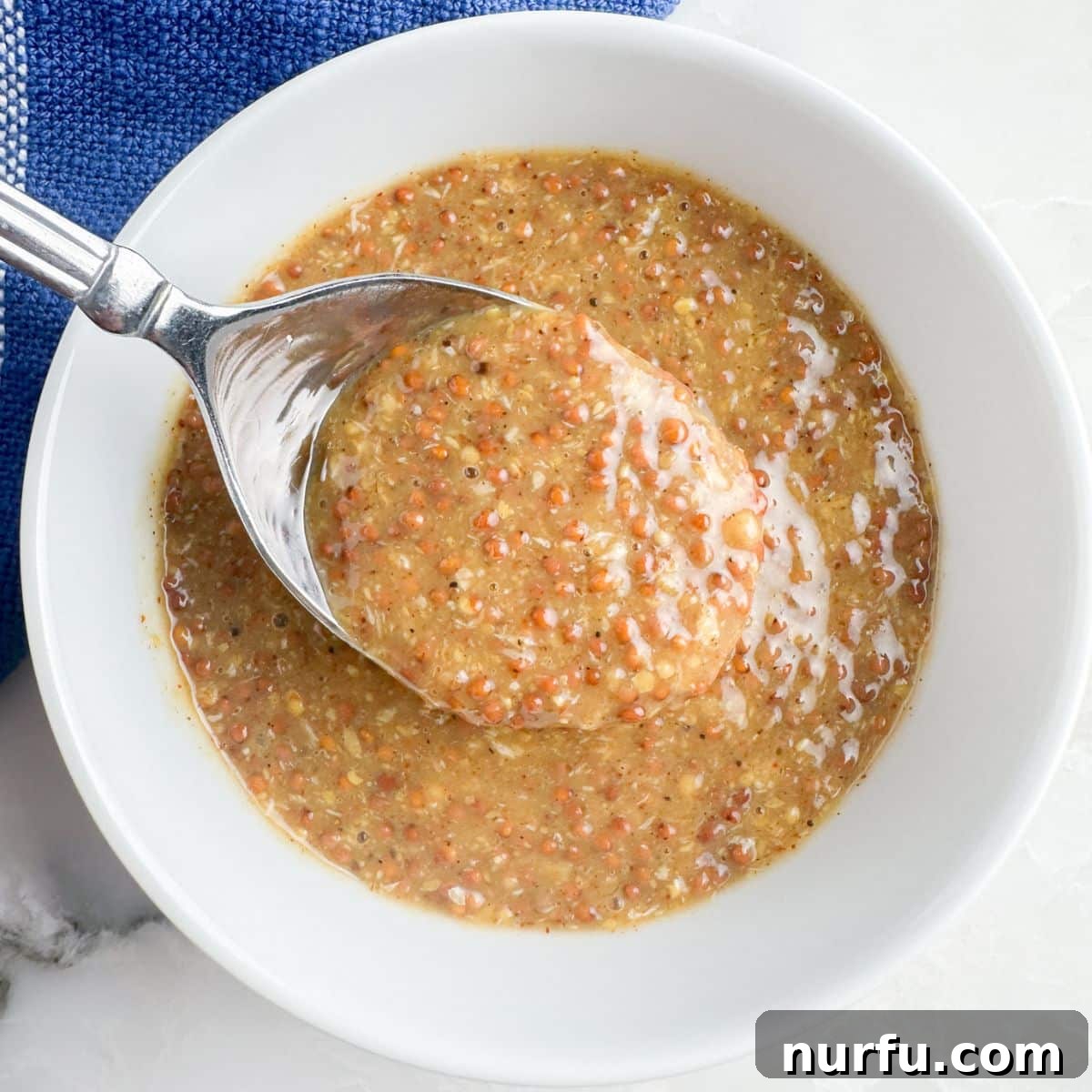
Craving that distinctive kick of Creole mustard but can’t find it on your local grocery store shelves? You’re not alone! Many culinary enthusiasts discover the challenge of sourcing this unique condiment outside of its traditional Southern strongholds. Fortunately, the solution is simpler and more rewarding than you might imagine: making your own at home. This guide will walk you through creating a batch of homemade Creole mustard that perfectly balances sweet, spicy, and savory notes, ready to elevate your sandwiches, serve as an irresistible dip, or form the flavorful base for countless sauces and dressings.
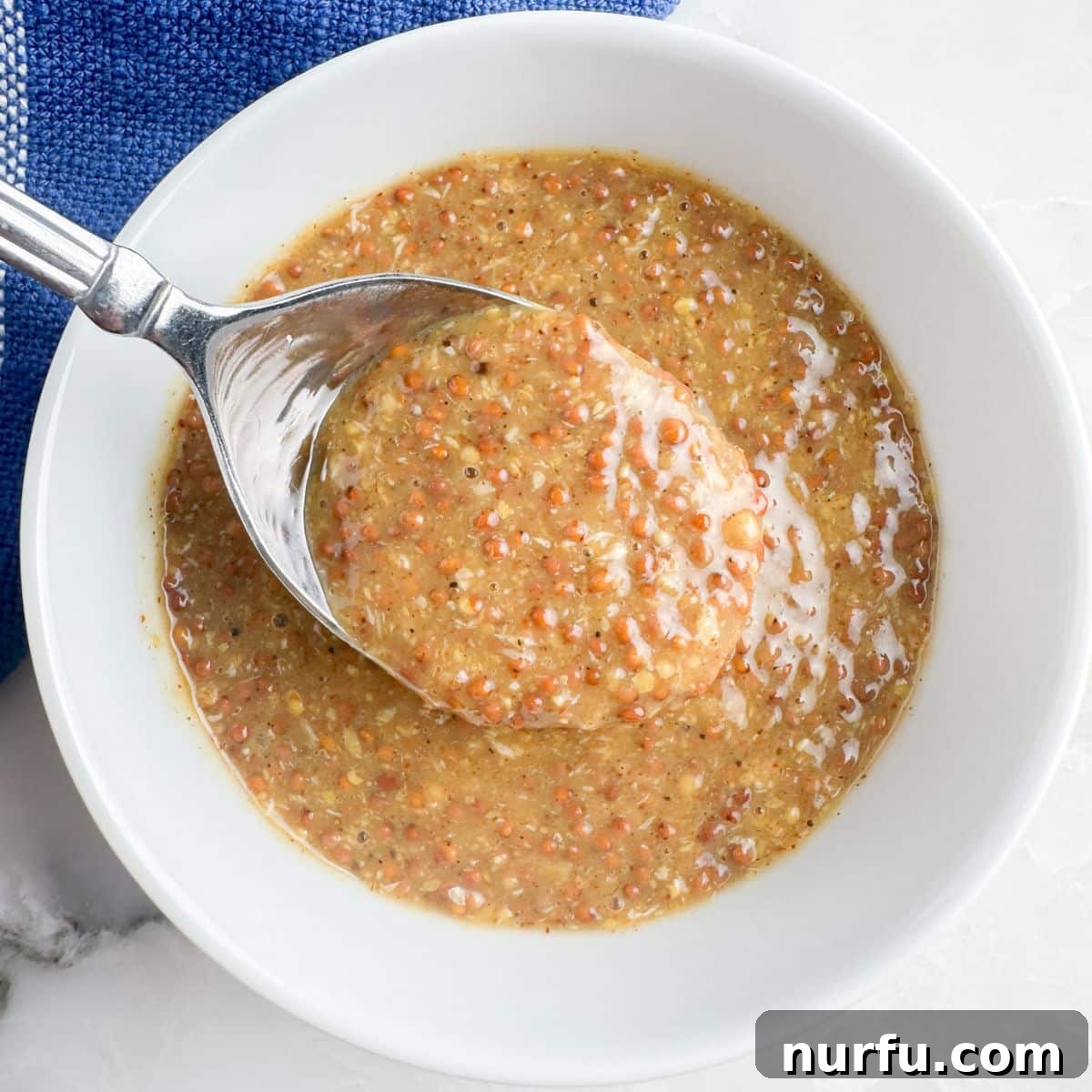
My own journey to homemade Creole mustard began out of necessity. After relocating to the West Coast, I quickly realized that some of my most cherished pantry staples from my time in Georgia were suddenly unavailable. Among them was that special, zesty Cajun-style mustard – a condiment I genuinely missed. Instead of settling for an inferior substitute or living without it, I decided to take matters into my own kitchen. What I discovered was a surprisingly easy and incredibly flavorful recipe using common pantry ingredients. The result was so delicious, so authentic, that I now prefer my homemade version over any store-bought alternative. This culinary adventure not only filled a gap in my pantry but also deepened my appreciation for the vibrant flavors of Southern cuisine.
Unveiling Creole Mustard: A Southern Staple
Creole mustard is far more than just another condiment; it’s a cornerstone of Louisiana’s rich culinary heritage, particularly prevalent in the bustling kitchens of New Orleans and throughout the wider Cajun and Creole regions. What sets it apart from your everyday yellow mustard or even gourmet Dijon varieties is its distinctive character. Traditional Creole mustard boasts a wonderfully grainy texture, a result of finely milled but not entirely smooth mustard seeds. Flavor-wise, it delivers a complex symphony of tastes: a pronounced tanginess, a robust mustard bite, a subtle sweetness often derived from honey or molasses, and a signature spicy kick, usually from horseradish and a blend of vibrant Creole seasonings. This unique combination makes it an indispensable ingredient and accompaniment in authentic Southern cooking, offering a depth of flavor that is truly unparalleled.
While often grouped with “Cajun mustard,” Creole mustard specifically refers to the style popular in New Orleans, which typically features a more refined, yet still grainy, texture and a balance of piquant, savory, and sweet elements. Its history is intertwined with the city’s diverse cultural influences, blending French, Spanish, African, and Caribbean culinary traditions. It’s not merely a sauce; it’s an experience, bringing a taste of the bayou and the French Quarter directly to your plate.
Essential Ingredients for Authentic Flavor
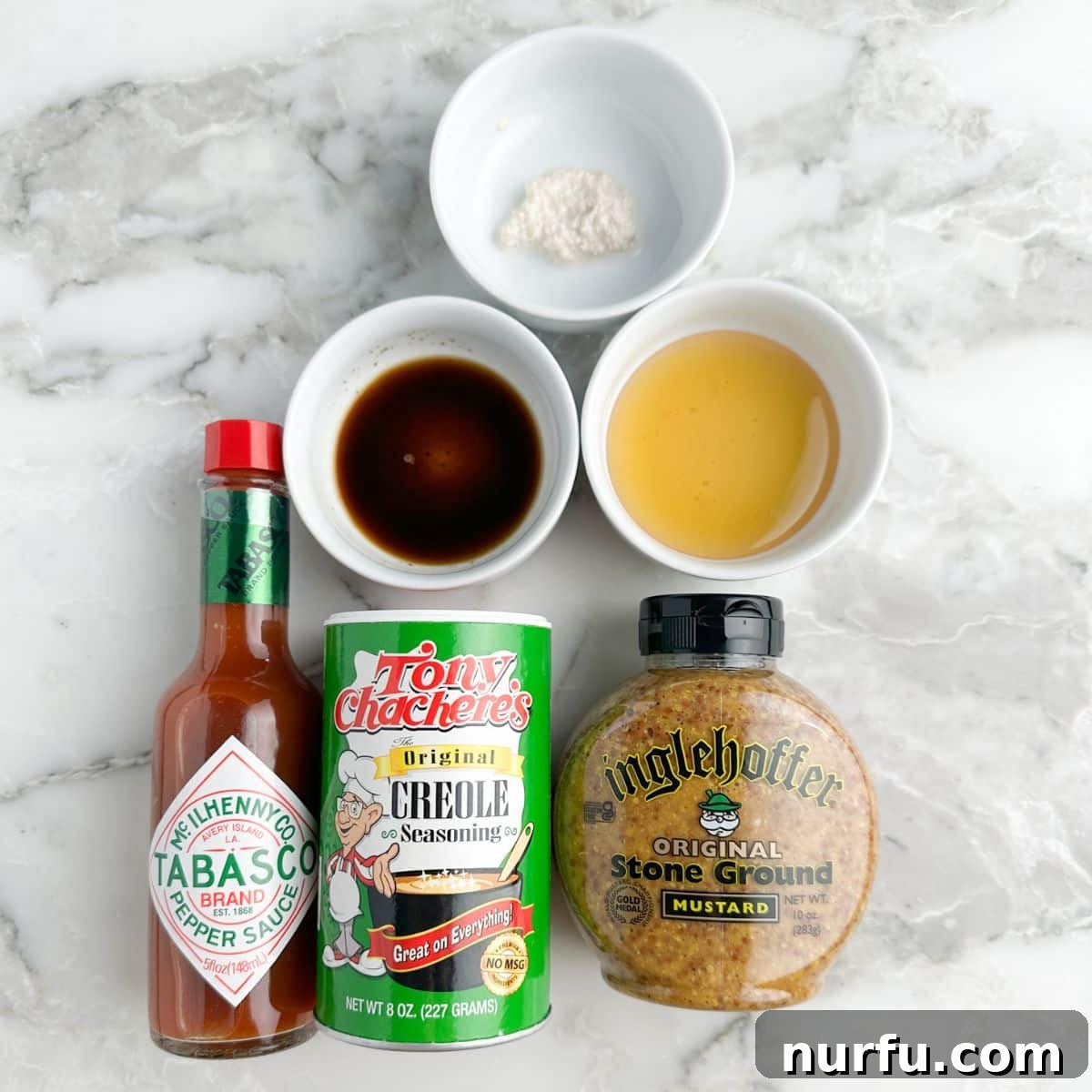
Crafting your own Creole mustard requires a careful selection of ingredients, each playing a crucial role in building its signature flavor profile. The beauty of this recipe lies in its simplicity and the accessibility of its components:
- Stone Ground Mustard: This is the backbone of our Creole mustard, providing its characteristic grainy texture and a robust, earthy mustard base. The partially crushed mustard seeds contribute to both the mouthfeel and the foundational flavor, distinguishing it from smoother mustards. While stone ground is ideal, alternatives like brown mustard or a high-quality grainy Dijon can work in a pinch, though they might slightly alter the final texture and intensity.
- Creole Seasoning Blend: The soul of the mustard! A good Creole seasoning blend introduces a complex array of spices, typically including paprika, cayenne pepper, garlic powder, onion powder, oregano, thyme, and black pepper. This blend is what infuses our mustard with that unmistakable Southern warmth and aromatic depth. You can easily find pre-made blends in most spice aisles, or you can craft your own homemade version for a truly personalized touch.
- Prepared Horseradish: This ingredient is key for delivering Creole mustard’s renowned spicy heat and pungent kick. Unlike fresh horseradish, prepared horseradish is readily available in jars and offers consistent potency. It adds a bright, sharp heat that complements the other savory notes without overwhelming them, creating that signature zing.
- Worcestershire Sauce: A secret weapon for umami depth, Worcestershire sauce adds a rich, savory complexity to the mustard. Its fermented ingredients contribute a subtle tang and a well-rounded flavor that binds all the other components together, creating a more sophisticated and deeply satisfying taste.
- Honey: To balance the heat and acidity, honey introduces a lovely hint of natural sweetness. This sweetness is crucial for rounding out the sharp flavors and making the mustard incredibly palatable. For a darker, richer, and more intense sweet note, you could experiment with a touch of molasses as a substitute.
- Hot Sauce: For those who love an extra layer of heat and a touch of vinegary brightness, a few drops of your favorite hot sauce can be a game-changer. Crystal or Tabasco are classic Louisiana choices, adding an authentic regional flair. This allows you to customize the spice level precisely to your preference, from a gentle warmth to a fiery kick.
Crafting Your Homemade Creole Mustard: A Simple Process
Making Creole mustard at home is incredibly straightforward, requiring minimal effort for maximum flavor payoff. The key is in combining the right ingredients and allowing them time to meld.
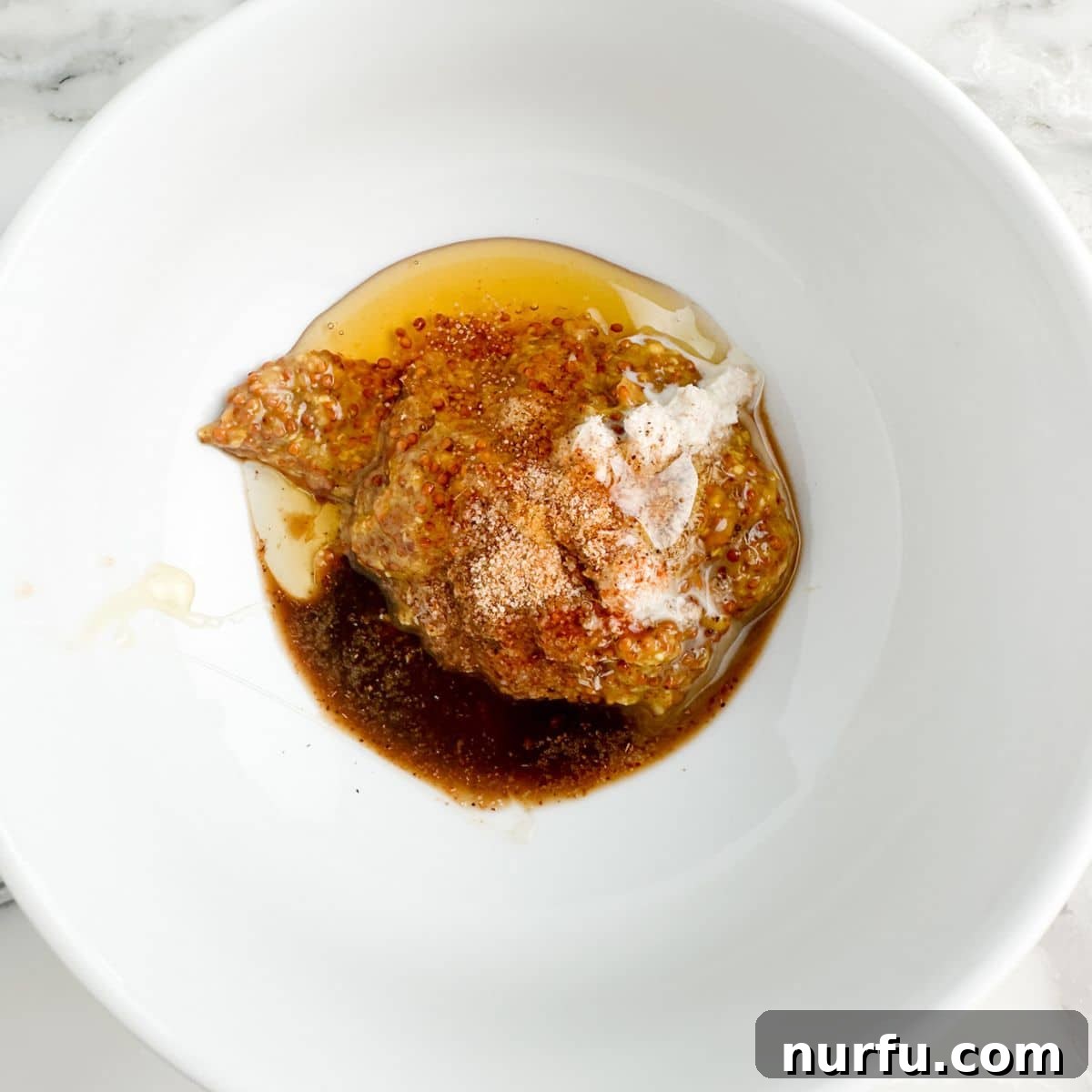
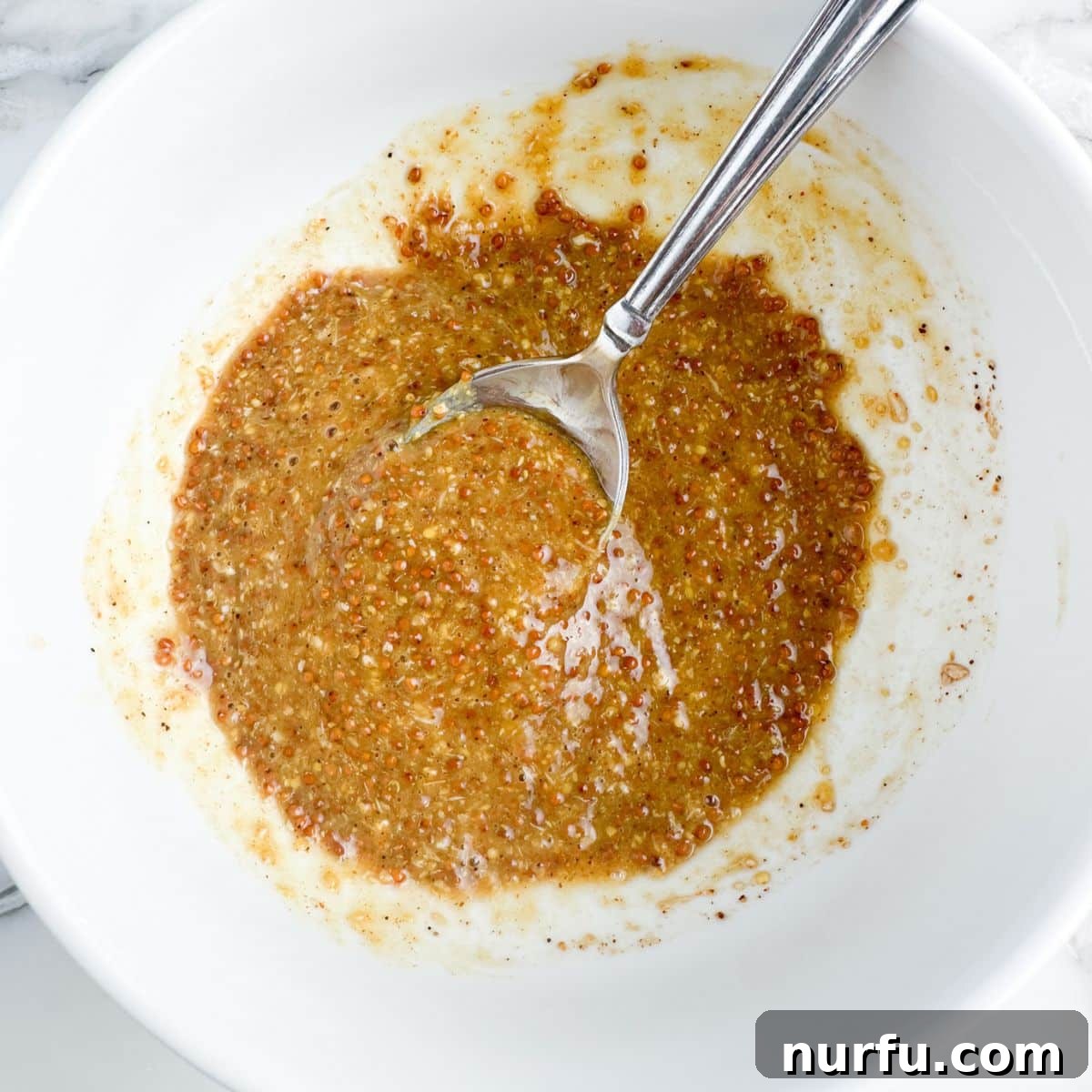
- Step One: Gather and Combine All Ingredients. In a medium-sized mixing bowl, meticulously measure and combine your stone ground mustard, honey, Worcestershire sauce, Creole seasoning, prepared horseradish, and your preferred amount of hot sauce. Ensure all ingredients are added accurately to maintain the intended balance of flavors. The visual appeal of the different components coming together is the first step in creating this delicious condiment.
- Step Two: Thoroughly Mix and Allow Flavors to Develop. Using a spoon or whisk, stir all the ingredients together until they are completely combined and uniform in consistency. Pay attention to breaking up any clumps of seasoning. Once thoroughly mixed, cover the bowl tightly with plastic wrap or transfer the mustard to an airtight container. The most crucial step for achieving optimal flavor is to allow the mustard to rest and chill in the refrigerator for at least 24 hours. This resting period gives the individual flavors a chance to fully meld and deepen, resulting in a more complex and harmonious Creole mustard. While it can be enjoyed sooner, patience will truly reward you with a superior taste experience.
Expert Tips for Perfecting Your Creole Mustard
Achieving the perfect batch of homemade Creole mustard is easy with a few helpful pointers:
- Customize the Spice Level: The beauty of homemade mustard is complete control over its heat. If you prefer a milder mustard, start with less horseradish and hot sauce, then taste and adjust. For those who love a fiery kick, feel free to incrementally add more prepared horseradish or extra drops of hot sauce until it reaches your desired intensity. Remember, you can always add more, but you can’t take it away!
- Ingredient Substitutions: While stone ground mustard offers the ideal grainy texture, you have options if it’s not available. Brown mustard, with its slightly coarser grind and pungent flavor, makes an excellent substitute. Alternatively, a good quality grainy Dijon mustard can also be used, though it might lend a slightly different, perhaps more refined, flavor profile. Avoid smooth yellow mustards, as they won’t provide the characteristic texture.
- The Importance of Chilling and Flavor Development: This is arguably the most critical tip. While the mustard is ready to consume immediately after mixing, its true depth of flavor emerges after a period of chilling. Allowing it to rest in the refrigerator for at least 3-4 hours helps the spices bloom and all the ingredients to thoroughly meld. For the absolute best and most harmonious flavor, aim for a minimum of 24 hours of chilling. This patience allows the flavors to deepen and mature, resulting in a significantly more complex and satisfying condiment.
- Adjust Sweetness: If you find the mustard too tangy or spicy, a little extra honey can help balance the flavors. Conversely, if you prefer it less sweet, reduce the amount of honey slightly.
- Consistency Control: If your mustard feels too thick, you can thin it out slightly with a tiny splash of white vinegar or even a little water, adding a teaspoon at a time until you reach your desired consistency.
- Quality of Ingredients: Using fresh, high-quality ingredients, especially your Creole seasoning blend, will make a noticeable difference in the final taste. If your spices have been sitting in the cabinet for years, consider refreshing them.
Creative Ways to Enjoy Your Homemade Creole Mustard
Once you’ve experienced the vibrant flavor of homemade Creole mustard, you’ll find endless ways to incorporate it into your culinary repertoire. Its versatility makes it a fantastic addition to almost any meal:
- Sandwiches and Burgers: Forget plain yellow mustard! Slather Creole mustard generously on hamburgers, hot dogs, deli sandwiches, and wraps for an instant upgrade. It’s particularly phenomenal on classic New Orleans po’boys, adding an authentic Louisiana touch.
- Dipping Sauce Extraordinaire: Use it as a vibrant dip for a wide array of savory items. It pairs wonderfully with chicken tenders, crispy french fries, onion rings, soft pretzels, fried shrimp, grilled pork chops, or any seafood. It also makes an incredible dip for raw vegetables, adding a spicy kick to your snack platter.
- Flavorful Glazes and Marinades: Its sweet and spicy profile makes it an excellent base for glazes on roasted ham, pork loin, or even chicken. Blend it with a little olive oil and lemon juice for a quick and zesty marinade for grilled fish or poultry.
- Salad Dressings: Whisk Creole mustard into your vinaigrettes for a unique, tangy, and slightly spicy salad dressing. It adds a dynamic layer of flavor to green salads or potato salad.
- Deviled Eggs & Potato Salad: Incorporate a spoonful or two into your deviled egg filling or potato salad for an unexpected burst of flavor that will leave your guests asking for your secret ingredient.
- As a Base for Other Sauces: This mustard is robust enough to serve as a foundational element for more complex sauces. It’s the secret ingredient in many copycat recipes for famous Louisiana-style mustard sauces, such as this amazing Mardi Gras mustard sauce, adding depth and authenticity.
- Brushes for Roasts: During the last few minutes of roasting pork, beef, or chicken, brush a thin layer of Creole mustard over the meat for a flavorful crust and an extra pop of taste.
Frequently Asked Questions About Creole Mustard
Absolutely! This homemade recipe is, in fact, the best substitute you can find for commercial Creole mustard, offering superior freshness and customizable flavor. If you’re in a pinch and don’t have time to make it, a high-quality stone ground mustard or a coarse-grain Dijon mustard will be your closest alternatives, though they won’t have the same complex spice profile without additional seasoning.
While often used interchangeably, there are subtle differences. Both are typically grainy and spicy. Creole mustard, originating from New Orleans, often has a more refined grainy texture and a balanced blend of tangy, sweet, and spicy notes, sometimes with a hint of garlic or onion. Cajun mustard, from rural Louisiana, tends to be hotter, coarser, and relies heavily on cayenne and other peppery spices for its robust flavor, often with a more rustic appeal.
Yes, absolutely! The spice level is entirely adjustable. Simply reduce the amount of prepared horseradish and hot sauce you add to the mixture. You can start with half the recommended amount and then add more to taste, ensuring you achieve a heat level that perfectly suits your palate.
It depends on the honey and Worcestershire sauce used. Traditional honey is not considered vegan. For a vegan version, substitute the honey with maple syrup, agave nectar, or a vegan brown sugar syrup. Many Worcestershire sauces contain anchovies; ensure you select a vegan-friendly Worcestershire sauce brand if catering to a vegan diet.
Storing Your Homemade Creole Mustard
Proper storage is essential to maintain the freshness and flavor of your homemade Creole mustard. Once prepared, transfer the mustard to a clean, airtight container or a jar with a tightly fitting lid. Store it in the refrigerator. When stored correctly, your delicious homemade Creole mustard will remain fresh and flavorful for up to 2 months. Always use a clean spoon when serving to prevent contamination and extend its shelf life.
Explore More Homemade Sauce Recipes
Mastering homemade sauces opens up a world of flavor possibilities in your kitchen. If you enjoyed making this Creole mustard, you might love these other easy-to-make sauce recipes:
- Zesty Lemon Pepper Sauce
- Sweet & Spicy Hot Honey Wing Sauce
- Creamy Dill Sauce for Seafood
- Rich Blue Cheese Dipping Sauce
- Copycat Hot Mustard Sauce
We love hearing from you! If you whip up this fantastic Creole mustard recipe at home, please let us know your thoughts in the comments below. Don’t forget to give it a star rating! Enjoy the authentic flavors of the South, right from your own kitchen!
Homemade Creole Mustard
Heather Seeley
5 minutes
1 day
0.75
cup
Save Recipe
Saved Recipe
Pin Recipe
Rate Recipe
Print Recipe
Ingredients
-
1/2
cup
stone ground mustard -
1/2
teaspoon
creole seasoning -
1
teaspoon
prepared horseradish -
1
teaspoon
Worcestershire sauce -
2
teaspoons
honey -
2-3
drops
hot sauce (optional, for extra heat)
Instructions
-
Place all ingredients: stone ground mustard, honey, Worcestershire sauce, Creole seasoning, horseradish, and hot sauce into a medium-sized bowl.
-
Stir thoroughly until all ingredients are completely combined and uniform. Cover the bowl or transfer to an airtight container and refrigerate for at least 24 hours for optimal flavor development.
Video
Notes
- It’s easy to adjust the spice level, or heat, in the mustard recipe by adding a little more prepared horseradish or hot sauce to taste.
- If you don’t have stone ground mustard, you could substitute with brown mustard or a grainy Dijon mustard for a similar texture and flavor profile.
- Make sure to allow time for the flavors to come together. I like to allow at least 3-4 hours before serving, but if you can wait 24 hours, that would be best for truly developed flavors.
Nutrition
Calories:
172
kcal
|
Carbohydrates:
27
g
|
Protein:
7
g
|
Fat:
6
g
|
Saturated Fat:
0.5
g
|
Polyunsaturated Fat:
2
g
|
Monounsaturated Fat:
4
g
|
Trans Fat:
0.03
g
|
Sodium:
1959
mg
|
Potassium:
366
mg
|
Fiber:
8
g
|
Sugar:
19
g
|
Vitamin A:
679
IU
|
Vitamin C:
4
mg
|
Calcium:
120
mg
|
Iron:
3
mg
Nutrition information is automatically calculated and should only be used as an approximation. Actual values may vary based on ingredients and preparation.
Additional Info
Condiment, Side Dish
American, Southern, Creole
Enjoyed this recipe? Leave a comment below!