
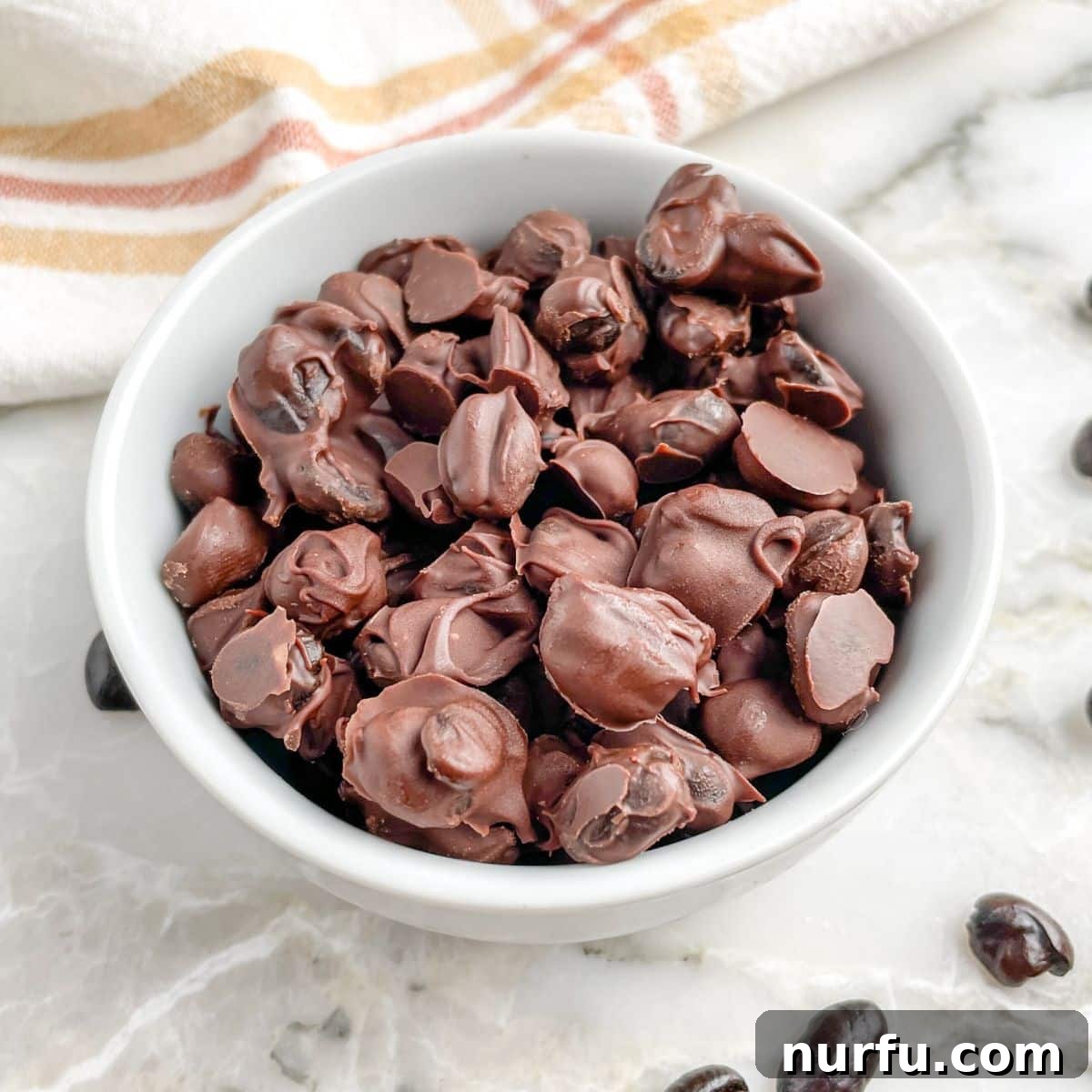
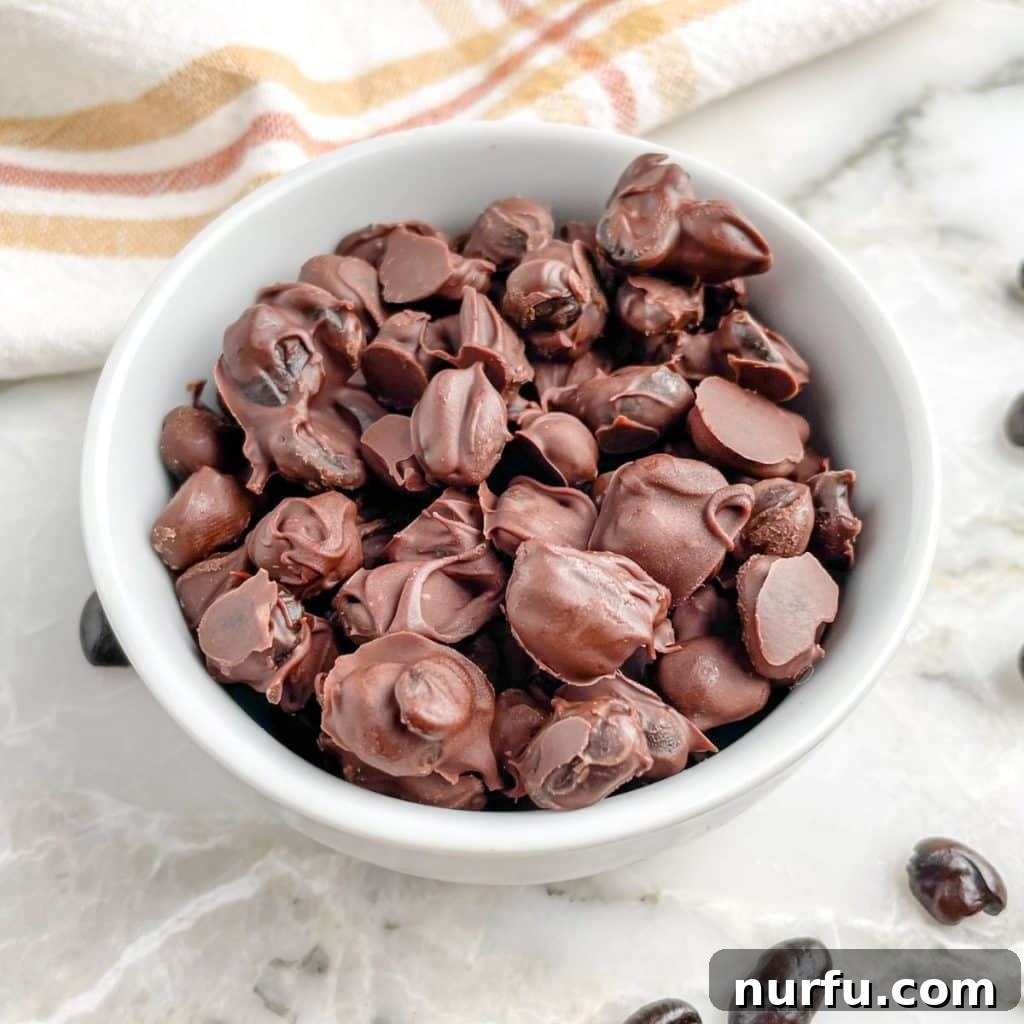
Chocolate covered espresso beans are a delightful confection that combines the rich bitterness of coffee with the sweet indulgence of chocolate. These bite-sized treats are surprisingly easy to make at home, requiring just two primary ingredients, and can be enjoyed in a multitude of ways. Whether you’re seeking a quick energy boost, a sophisticated dessert, a satisfying snack, or a thoughtful homemade gift, these irresistible morsels are sure to impress. Their simplicity belies their decadent flavor, making them a favorite for coffee and chocolate enthusiasts alike.
If you’re a fan of straightforward chocolate recipes that deliver exceptional taste, you’ll also adore this easy chocolate covered potato chips recipe, offering another fantastic blend of sweet and savory textures.
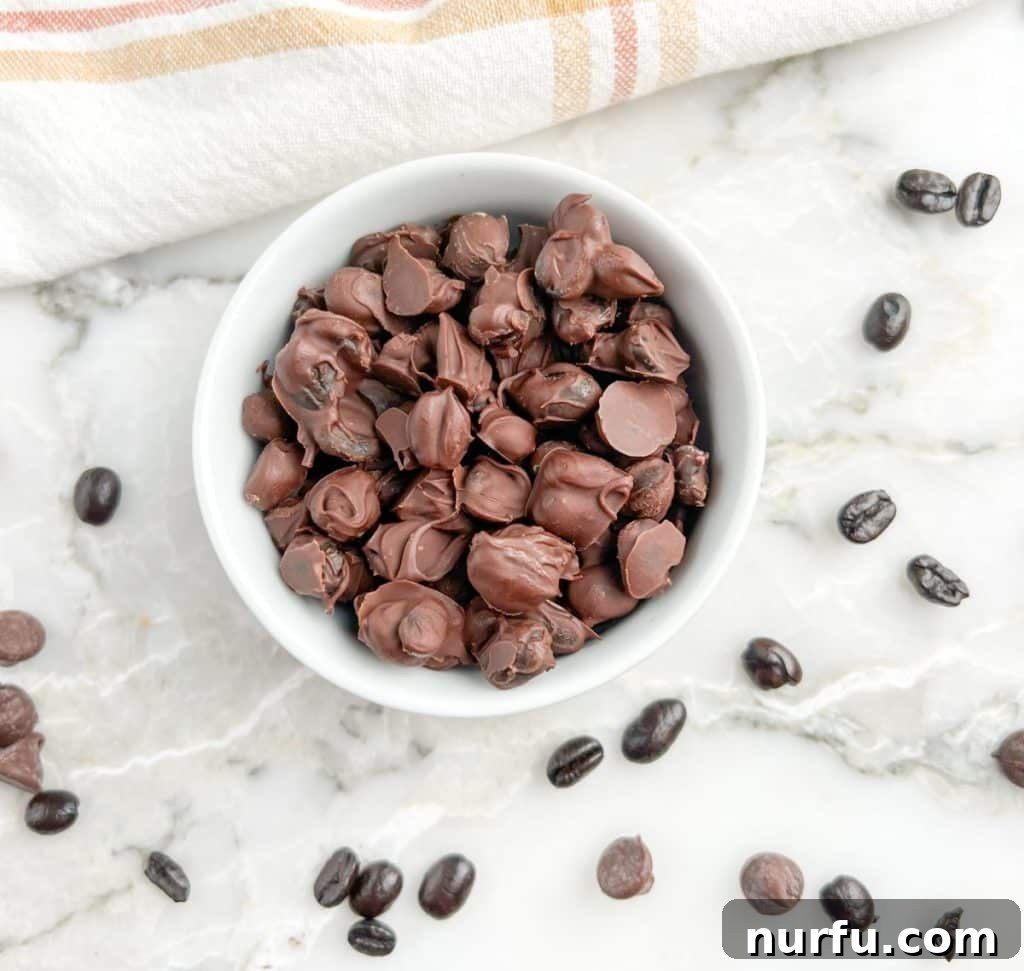
While we cherish our invigorating coffee beverages, like a creamy chocolate coffee, today we’re delving into a unique culinary adventure. We’re excited to share a wonderfully simple and delicious recipe that transforms whole coffee or espresso beans into an exquisite chocolate-coated delight. This method celebrates the bean itself, offering a textural and flavor experience distinct from a brewed cup.
Why You’ll Fall in Love with Homemade Chocolate Covered Espresso Beans
Creating your own chocolate-covered espresso beans isn’t just a fun kitchen project; it’s a gateway to an incredibly satisfying treat with several compelling advantages:
- Effortless Preparation: This recipe truly couldn’t be simpler. With only two core ingredients and a preparation time of about 10 minutes, it’s perfect for even the busiest schedules or those new to confectionery. The process is straightforward, yielding professional-looking results with minimal fuss.
- Significant Cost Savings: Store-bought chocolate-covered espresso beans can be quite pricey, especially for specialty brands. By making them at home, you can produce a generous batch of these gourmet treats for a mere fraction of the cost, making indulgence more accessible.
- Customizable Energy Boost: The inherent caffeine in espresso or coffee beans provides a pleasant, natural energy lift. The exact caffeine content will vary depending on the type and roast of beans you select, allowing you to tailor the intensity of your boost. This makes them an ideal pick-me-up during a long workday or a delightful after-dinner treat.
- Perfectly Portable Snack: These small, sturdy treats are ideal for on-the-go snacking. Pack a small container for work, travel, or hiking to enjoy a burst of flavor and energy whenever you need it.
- Impressive Homemade Gift: Thoughtful and delicious, a jar filled with homemade chocolate-covered espresso beans makes an excellent gift for friends, family, or colleagues. The personal touch of a handmade treat is always appreciated and shows care.
Espresso Beans vs. Coffee Beans: Understanding the Distinction
When preparing this delicious treat, you might wonder about the difference between espresso beans and regular coffee beans. The distinction primarily lies in the roasting process, rather than the bean type itself.
Essentially, “espresso beans” are simply coffee beans that have undergone a longer, darker roasting process. This results in a bean that is typically less acidic and often possesses a bolder, richer flavor profile with notes of chocolate, caramel, and nuts. Because they are roasted to a darker degree, the oils are often more prominent on the surface of the bean, contributing to their distinctive aroma and taste.
Conversely, lighter roasted coffee beans retain more of their original flavor characteristics, often exhibiting brighter, fruitier, or more floral notes and higher acidity. For this recipe, either can be used, and the choice largely depends on your personal preference. Many refer to this confection interchangeably as “chocolate covered coffee beans” or “chocolate covered espresso beans,” and indeed, any whole bean coffee can be transformed into this delightful snack.
If you prefer a more intense, less acidic chocolate-coffee experience, opt for dark roast “espresso” beans. If you lean towards a milder, perhaps brighter coffee flavor to complement your chocolate, a medium or even light roast coffee bean would be an excellent choice.
Essential Ingredients for Your Delectable Treat
The beauty of this recipe lies in its simplicity, requiring only two key components. However, the quality and type of these ingredients can significantly impact the final taste and texture of your chocolate-covered espresso beans.
Selecting Your Beans: Coffee or Espresso
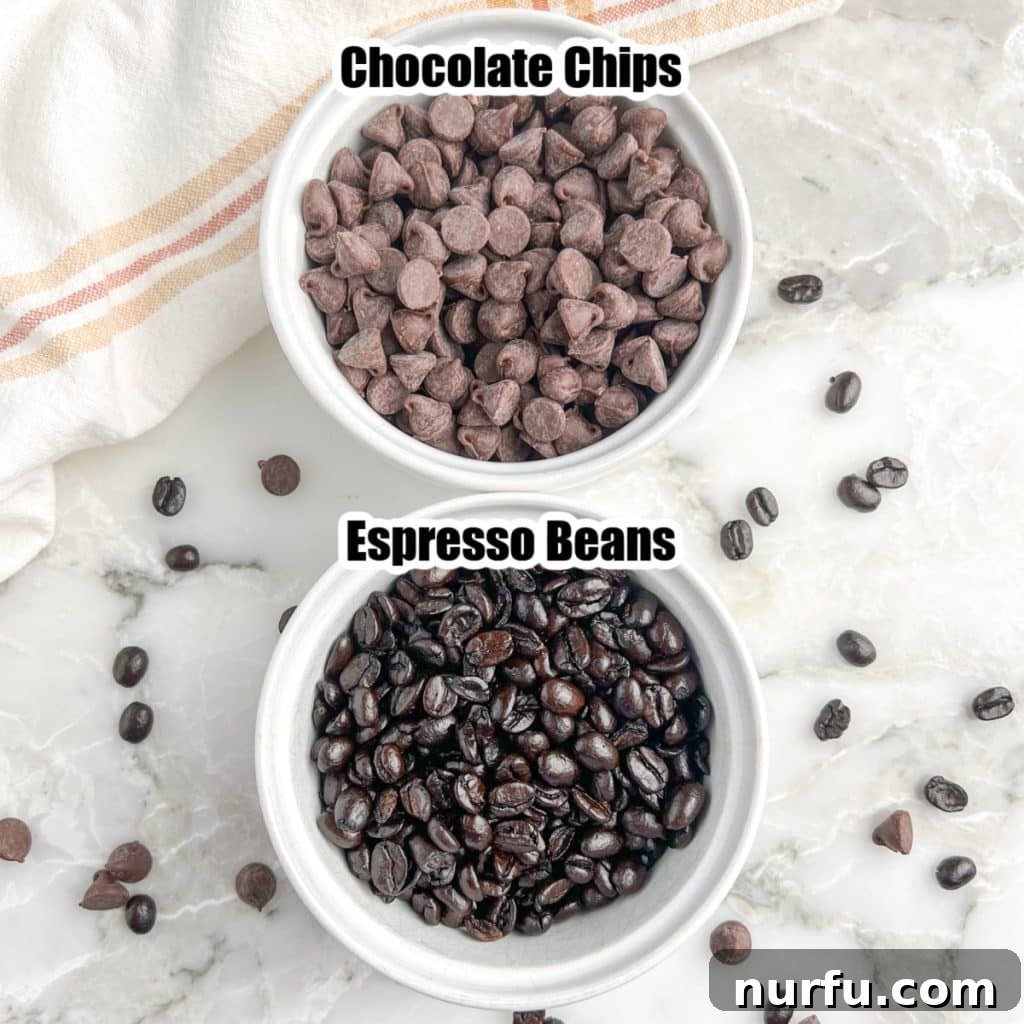
Any whole bean coffee will work beautifully for this recipe. We often gravitate towards a dark, French roast bean for its robust flavor and lower acidity, which harmonizes wonderfully with chocolate. However, your palate is the ultimate guide! If you prefer a more subtle and less intense coffee flavor, consider using a light or medium roast bean. These roasts will offer a brighter, sometimes fruitier, contrast to the chocolate.
- Dark Roast (Espresso): Offers a bold, bittersweet, and less acidic profile. Ideal for those who enjoy a strong coffee presence in their treats.
- Medium Roast: A balanced choice, providing a good blend of coffee flavor without being overwhelming.
- Light Roast: Brings out more of the bean’s original, nuanced flavors, often with higher acidity. A great option for a unique flavor combination.
- Decaffeinated Beans: For those sensitive to caffeine but still craving the delightful taste and crunch, decaffeinated whole beans are an excellent alternative.
Choosing Your Chocolate
The chocolate you choose is paramount to the success of this sweet treat. Use your favorite high-quality chocolate to ensure the best flavor. You can find more in-depth guidance on effortlessly melting chocolate chips, a crucial step in this process. I personally favor using semi-sweet chocolate or dark chocolate chips because they offer a balanced sweetness that doesn’t overpower the coffee, and I typically have them readily available in my pantry. However, the possibilities are vast:
- Semi-Sweet or Dark Chocolate Chips: A classic choice, providing a robust chocolate flavor that pairs perfectly with coffee.
- Chopped Chocolate Bar: High-quality chocolate bars (milk, dark, or semi-sweet) can be chopped and melted for an even smoother, richer coating. Look for bars with good cocoa butter content for superior melting and setting.
- Milk Chocolate: For those with a sweeter tooth, milk chocolate offers a creamy, milder flavor profile that complements the bitterness of the coffee beans beautifully.
- White Chocolate: A delightful option for a sweeter, creamier, and visually striking treat. Be mindful that white chocolate behaves differently when melting and requires careful handling to prevent seizing.
- Almond Bark or Candy Melts: These are convenient alternatives that melt smoothly and harden quickly, often without needing tempering. They are a great choice for beginners looking for foolproof results, though their flavor might not be as complex as couverture chocolate.
Regardless of your choice, ensure the chocolate is fresh and of good quality for the best outcome.
Step-by-Step Guide: Crafting Your Own Chocolate Covered Espresso Beans
Making these delightful treats is a straightforward process that anyone can master. Follow these simple steps for perfectly coated espresso beans every time.
Step One: Prepare Your Chocolate for Melting
Begin by pouring your chosen chocolate chips or chopped chocolate into a microwave-safe bowl. Alternatively, if you prefer a more controlled melting process, you can use a double boiler setup on the stovetop.
Step Two: Master the Chocolate Melt
Carefully melt the chocolate, taking precautions to prevent it from burning or seizing. If you’re using a microwave, heat the chocolate in short 10-15 second intervals. After each interval, remove the bowl and stir the chocolate thoroughly. Continue this process, stirring frequently, until the chocolate is smooth and fully melted. The residual heat from the bowl will continue to melt any small lumps. For a double boiler, place a heatproof bowl over a saucepan of simmering water (ensure the bottom of the bowl does not touch the water). Stir constantly until the chocolate is smooth and glossy.
Step Three: Coat the Espresso Beans
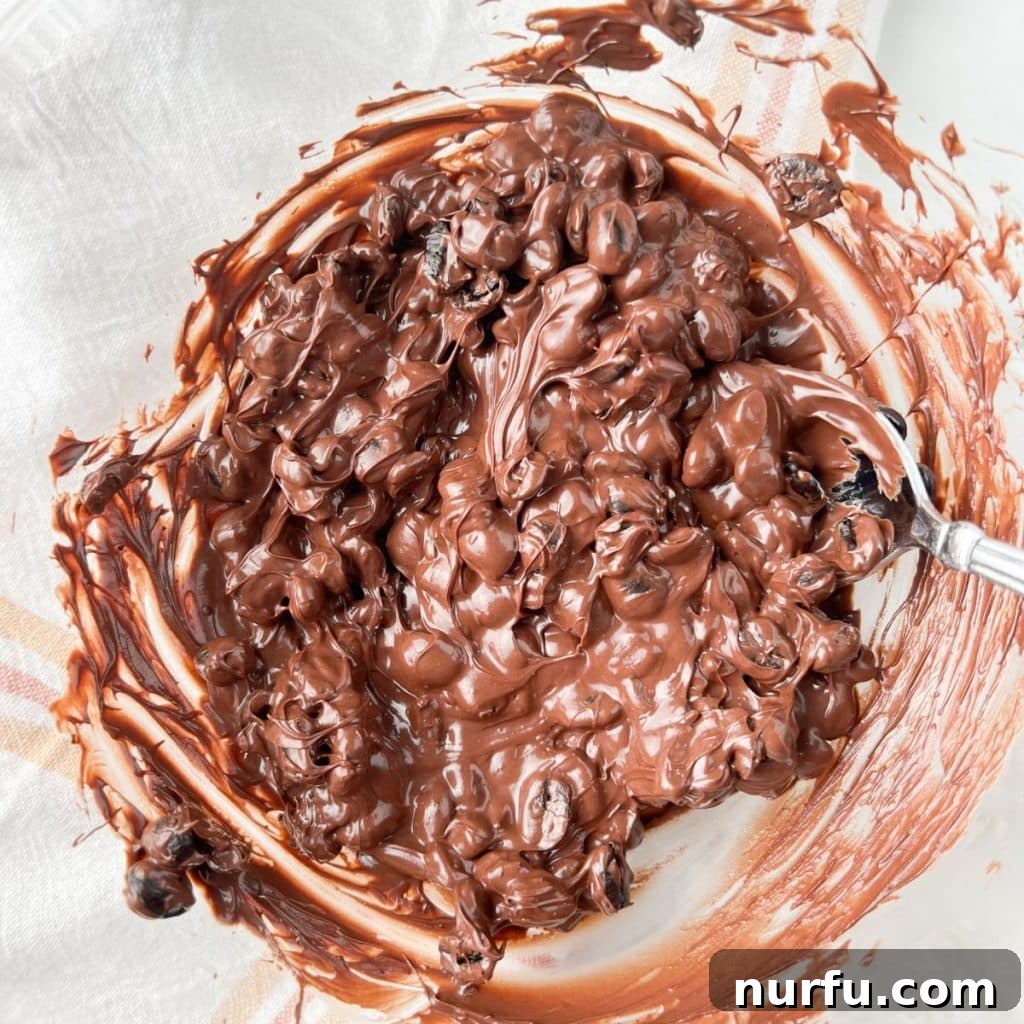
Once your chocolate is perfectly melted and smooth, add the whole espresso beans directly into the bowl. Stir gently but thoroughly, ensuring that every single bean is generously coated in the luscious chocolate. Take your time to achieve an even coating.
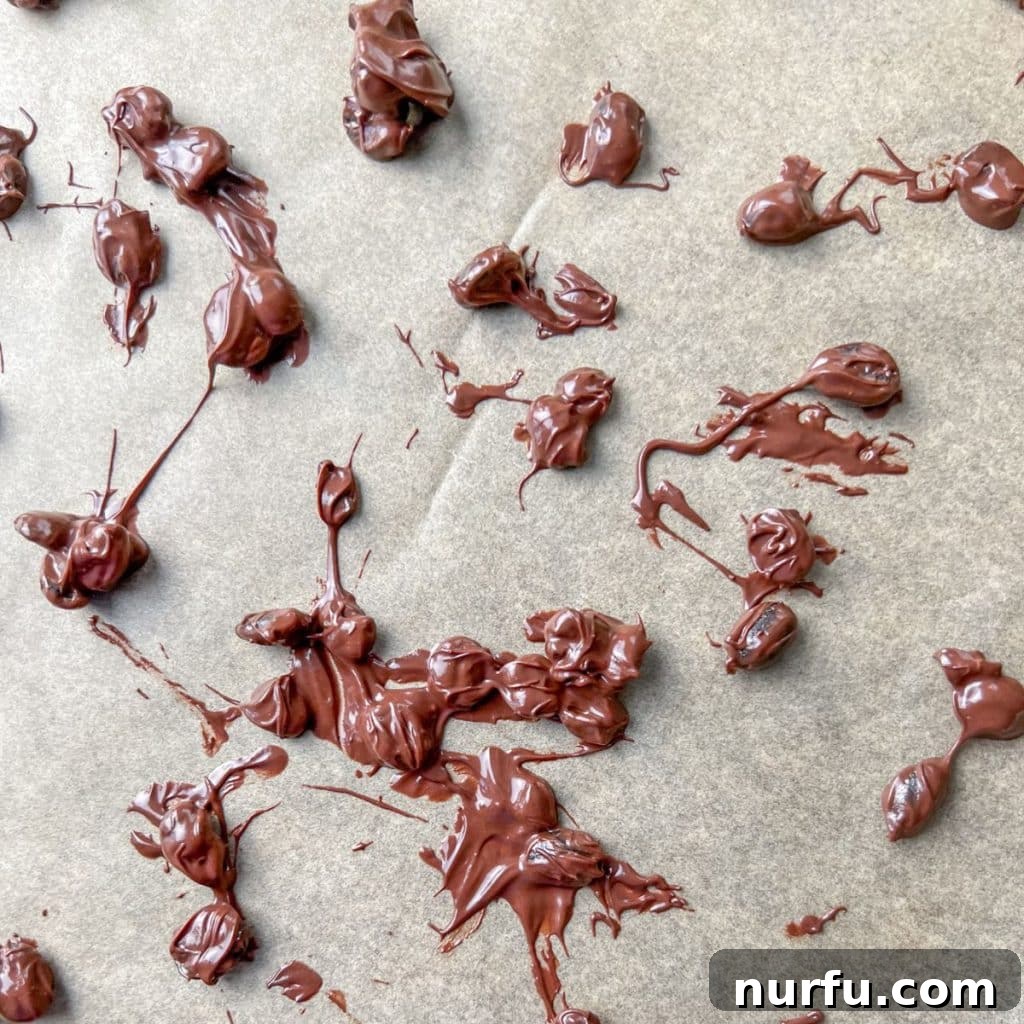
Prepare a baking sheet by lining it with parchment paper or wax paper. This will prevent the chocolate from sticking as it sets. Using a fork, carefully remove the coated beans from the chocolate. Allow any excess chocolate to drip off before placing them onto the prepared baking sheet. You can arrange them individually for distinct beans or in small clusters of 2-3 beans for a different textural experience.
Storage Solutions: Keeping Your Chocolate Covered Espresso Beans Fresh
Proper storage is key to maintaining the freshness, crunch, and deliciousness of your homemade chocolate-covered espresso beans. Here’s how to keep them at their best:
- Room Temperature: For short-term storage (up to one week), keep any leftovers in an airtight container at cool room temperature, away from direct sunlight or heat sources. This helps preserve their texture and prevents the chocolate from blooming (developing a whitish film, which is harmless but can affect appearance).
- Refrigerator: If your home is warm, or for slightly longer storage (up to two weeks), store the airtight container in the refrigerator. Allow them to come to room temperature for a few minutes before serving for optimal flavor and texture.
- Freezer: For extended preservation, these beans freeze beautifully. Place them in a freezer-safe bag or container, ensuring it’s airtight to prevent freezer burn. They can be stored in the freezer for up to one month. To enjoy, thaw them overnight in the refrigerator before bringing them to room temperature.
Pro Tips for Perfectly Delicious Chocolate Covered Espresso Beans
Elevate your chocolate-covered espresso bean game with these expert tips and creative ideas:
- Understanding the Terminology: Remember, “chocolate covered coffee beans” and “chocolate covered espresso beans” refer to the same delicious treat. The distinction often comes down to the roast level of the coffee bean used.
- Separation Technique: After coating, if your beans are sticking together, try gently pushing individual coated espresso beans off the fork onto the parchment paper using a toothpick. This helps achieve cleaner, separate pieces.
- Flavor Enhancements: Before the chocolate sets, sprinkle a pinch of flaky sea salt over the coated beans for a delightful sweet and savory contrast. Other ideas include a dash of chili powder for a spicy kick, orange zest for brightness, or a sprinkle of cocoa powder.
- Versatile Serving Ideas: Enjoy these treats on their own for a satisfying crunch and caffeine boost. They also make fantastic toppings for various desserts, adding both flavor and texture. Consider using them to garnish:
- Ice cream sundaes or homemade ice cream
- Rich brownies or blondies
- Creamy puddings or custards
- Cakes, cupcakes, or even a simple bowl of yogurt
- Thoughtful Gifting: Homemade gifts are always special. Fill a decorative jar or small cellophane bag with your freshly made chocolate-covered beans, tie it with a ribbon, and share this delightful creation as a gift for any occasion.
- Chocolate Alternatives: If you don’t have chocolate chips on hand, don’t worry! A bar of good quality baking chocolate (milk, semi-sweet, or dark) can be chopped into small pieces and melted just the same. Ensure it’s a type of chocolate designed for melting and coating for the best results.
- Tempering (Optional, but Recommended for Shine): For a professional, glossy finish and a firmer snap, consider tempering your chocolate. While not strictly necessary for this recipe, it prevents blooming and results in a beautiful, stable coating.
Frequently Asked Questions (FAQs) About Chocolate Covered Espresso Beans
An average cup of brewed coffee typically contains between 95-100mg of caffeine. An average espresso bean, depending on its size and roast, contains approximately 5-10mg of caffeine. Therefore, you can approximate that about 10-20 chocolate covered espresso beans would provide a caffeine level comparable to a standard cup of coffee. This is a rough estimate, and individual bean caffeine content can vary.
Yes, absolutely! Espresso beans are whole coffee beans, and as such, they naturally contain caffeine. The chocolate coating itself may also contain a small amount of caffeine, especially if you use dark chocolate. On average, a single chocolate-covered espresso bean can contain between 5-10 milligrams of caffeine.
While delicious, it’s possible to consume too many chocolate covered espresso beans due to their caffeine content and rich flavor. Eating an excessive amount could potentially lead to side effects such as an upset stomach, nausea, jitters, increased heart rate, or difficulty sleeping, particularly for individuals sensitive to caffeine. Moderation is key to enjoying these treats responsibly.
Given the caffeine content, chocolate covered espresso beans are generally not recommended for young children. Caffeine can have a more pronounced effect on smaller bodies. It’s best to keep them as an adult treat or offer decaffeinated versions if children are interested.
Explore More Easy Chocolate Recipes
If you’ve enjoyed making these chocolate-covered espresso beans, you’ll love these other simple and delicious chocolate-centric recipes:
- Easy Chocolate Cherry Cake
- Classic Chocolate Sheet Cake
- Decadent Chocolate Chip Bundt Cake
Chocolate Covered Espresso Beans
Ingredients
- 1 cup semi-sweet chocolate chips (or your preferred chocolate)
- 3/4 cup espresso beans or whole coffee beans
Instructions
- Place chocolate chips in a microwave-safe bowl. Microwave in 15-second intervals, stirring the chocolate thoroughly after each interval, until fully melted and smooth. Alternatively, melt using a double boiler.
- Add the espresso or coffee beans to the melted chocolate. Stir well to ensure every bean is completely coated in chocolate.
- Line a baking sheet or large plate with parchment paper or wax paper. Using a fork, carefully remove the chocolate-coated espresso beans, allowing any excess chocolate to drip off, and place them onto the prepared baking sheet.
- Continue this process until all beans are on the baking sheet. Allow the beans to harden at room temperature, or place the baking sheet in the refrigerator for 15-30 minutes to speed up the setting process.
Video Guide
A video tutorial demonstrating the steps would appear here, making the process even easier to follow.
Notes
- Chocolate covered coffee beans are functionally the same as espresso beans for this recipe.
- Enjoy these delightful treats on their own, or use them as a crunchy topping for desserts like ice cream, brownies, or pudding.
- These make excellent gifts! Package them in a decorative jar or bag for a thoughtful homemade present.
- If chocolate chips aren’t available, a bar of good quality chocolate, finely chopped, can be used as a substitute.
Nutrition Information (Approximate per serving)
Calories: 288 kcal |
Carbohydrates: 28g |
Protein: 3g |
Fat: 18g |
Saturated Fat: 10g |
Polyunsaturated Fat: 0.4g |
Monounsaturated Fat: 3g |
Trans Fat: 0.02g |
Cholesterol: 5mg |
Sodium: 8mg |
Potassium: 243mg |
Fiber: 4g |
Sugar: 20g |
Vitamin A: 15 IU |
Calcium: 40mg |
Iron: 2mg
Nutrition information is automatically calculated and should be used as an approximation. Actual values may vary based on ingredients and preparation methods.
Additional Information
Enjoyed this recipe?
We’d love to hear your thoughts! Please leave a comment or share your experience below.