
Embark on a delightful culinary journey where every bite begins with the letter ‘N’! From savory staples to sweet indulgences and exotic ingredients, the world of foods that start with N is incredibly vast and varied. Prepare to discover familiar favorites like classic nachos and beloved Nutella, alongside intriguing global delights such as Nasi Goreng and Nashi pears. This comprehensive guide will take you through an alphabetical adventure, exploring the origins, flavors, and unique characteristics of 27 remarkable foods.
Whether you’re a seasoned chef seeking inspiration, a curious food enthusiast, or simply looking to expand your gastronomic vocabulary, this list promises a fascinating exploration. We’ve curated a diverse selection, spanning fruits, vegetables, cheeses, desserts, and spices, all unified by their initial letter. How many of these ‘N’ foods can you name without peeking?
Table of Contents
- 1. Nachos
- 2. Noodles
- 3. Nectar
- 4. Nuts
- 5. Neufchatel Cheese
- 6. Napa Cabbage
- 7. Naan
- 8. Navel Orange
- 9. Navy Beans
- 10. Nutmeg
- 11. Nectarine
- 12. Nutella
- 13. Napoleon
- 14. Nori
- 15. Nougat
- 16. Nonpareil
- 17. Neapolitan Ice Cream
- 18. Norman Tart
- 19. Nocciole
- 20. Nuggets
- 21. Nance Fruit
- 22. New York Style Pizza
- 23. Newburg Sauce
- 24. Nantua Sauce
- 25. Nasi Goreng
- 26. Nashi Pear
- 27. Nigella Seeds
- More foods that start with
1. Nachos
Nachos, a beloved culinary creation, originated in Piedras Negras, Coahuila, Mexico, in 1943. This iconic dish was the spontaneous invention of Ignacio “El Nacho” Anaya, who needed to quickly prepare a snack for a group of hungry U.S. military wives. His impromptu creation consisted of fried tortilla chips topped with melted Colby cheese and pickled jalapeño slices, a simple yet revolutionary combination. Since then, nachos have evolved into a global phenomenon, ranging from their humble beginnings to elaborate platters piled high with chili, sour cream, guacamole, olives, various meats, and a medley of cheeses.
Their versatility makes them perfect for any occasion, whether it’s a quick snack, a party appetizer, or a full meal. In the United States, National Nacho Day is celebrated annually on November 6th, a testament to their widespread appeal. You can enjoy a quick and delicious version with these air fryer nachos, proving that this classic Mexican dish can be savored any day of the year.

2. Noodles
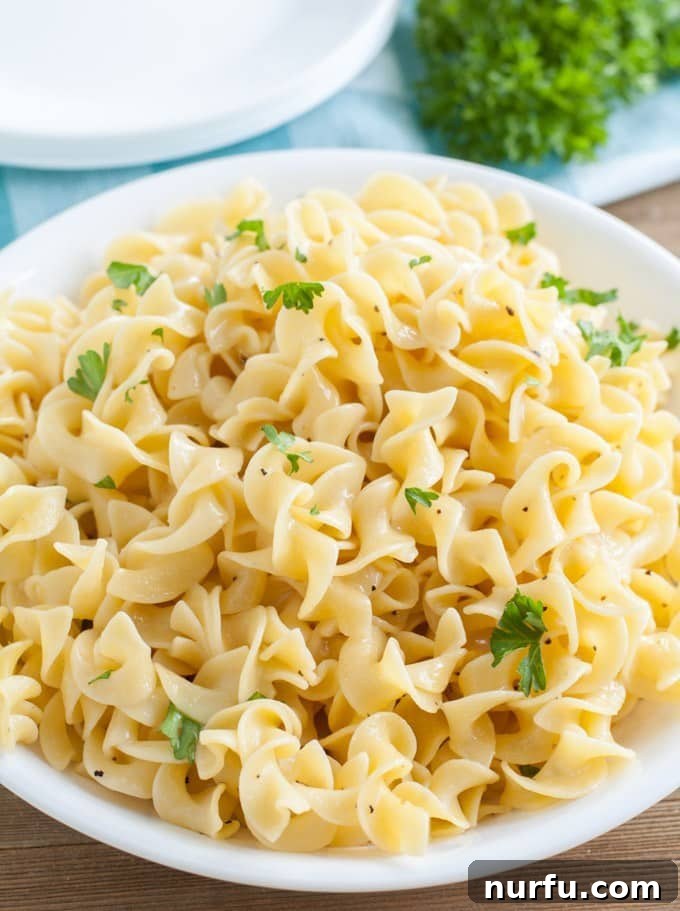
Noodles are a fundamental food staple enjoyed across countless cultures, offering unparalleled comfort and culinary versatility. Defined as a type of food made from unleavened dough, noodles are typically rolled flat and then cut, stretched, or extruded into long strips. While most commonly boiled in water, they can also be fried, baked, or added to soups and stews. The earliest evidence of noodles dates back 4,000 years to China, where a bowl of remarkably preserved millet noodles was discovered.
The varieties of noodles are immense, including wheat noodles, rice noodles, egg noodles, and buckwheat noodles (like soba). They form the backbone of iconic dishes in numerous countries: think pasta in Italy, ramen and udon in Japan, pho in Vietnam, pancit in the Philippines, and countless stir-fries across East Asia. Whether simply tossed with butter and salt for a nostalgic treat or incorporated into complex gourmet preparations, noodles adapt effortlessly to any flavor profile. Revisit a childhood classic with these simple yet satisfying buttered noodles, showcasing their timeless appeal.
3. Nectar
Nectar, a sugary liquid produced by flowering plants, plays a vital role in ecosystems worldwide. It serves as a crucial energy source for a vast array of creatures, from tiny insects like bees and butterflies to larger pollinators such as hummingbirds and bats. This sweet secretion is essential for the process of pollination, as it attracts these animals, who then inadvertently transfer pollen from one flower to another, enabling plant reproduction.
Beyond its ecological function, nectar is also the primary sugar source that bees transform into honey, a cherished food product. The word “nectar” itself carries ancient origins, derived from the Greek word “nektar.” In Greek mythology, nectar was considered the fabled drink of the gods, believed to grant immortality and eternal youth. This mythical connection highlights the perceived life-giving properties of this sweet liquid. In culinary contexts, fruit nectars are often used to add intense fruity flavor and moisture to various dishes, particularly desserts. Indulge in the sweet essence of fruit with an apricot nectar cake or these delightful peach nectar custard bars.
4. Nuts
Nuts are dry, edible fruits or seeds characterized by their hard, woody shell and a kernel that is typically rich in fats, proteins, and essential nutrients. They represent a concentrated source of energy and nourishment for both humans and animals, playing a significant role in various diets worldwide. Common examples include almonds, walnuts, cashews, pecans, and pistachios, each offering a distinct flavor and texture profile.
Beyond being a healthy snack when consumed raw or roasted, nuts are incredibly versatile in the kitchen. They can be ground into flours for baking, processed into creamy nut butters (like peanut butter or almond butter), or incorporated into a wide array of sweet and savory dishes. From enhancing the crunch in salads and stir-fries to adding richness to desserts and pastries, nuts contribute significantly to both flavor and nutritional value. They are packed with healthy fats, fiber, vitamins, and minerals, making them a beneficial addition to any diet. Explore a unique dessert with these cinnamon apple nut blondies, where the warmth of cinnamon meets the wholesome crunch of nuts.
5. Neufchatel Cheese
Neufchâtel cheese has a fascinating dual identity, distinguishing between its classic French origins and its American adaptation. The original French Neufchâtel, hailing from the Normandy region of France and named after the town of Neufchâtel-en-Bray, is one of France’s oldest cheeses. It is an unripened, soft, mold-ripened cheese made from raw cow’s milk, often recognizable by its heart shape. It boasts a slightly crumbly texture, a salty, mushroomy taste, and a characteristic bloomy rind.
In American grocery stores, however, “Neufchâtel” refers to a product that closely resembles cream cheese but with a significantly lower fat content. This American version is made with milk and cream, similar to cream cheese, but contains about one-third less fat, typically around 23% fat content compared to cream cheese’s 33%. It’s often found right next to cream cheese blocks and is a popular choice for those seeking a lighter alternative for spreads, baking, and dips. Its mild, tangy flavor and creamy texture make it an excellent substitute in many recipes, including this delightful cream cheese fruit dip, perfect for an appetizer or a sweet snack.
6. Napa Cabbage
Despite its seemingly Californian name, Napa cabbage is far from a wine country native; it is, in fact, a versatile Chinese cabbage widely celebrated and utilized in East Asian cuisine. The name “napa” is believed to be derived from a colloquial Japanese term, “nappa,” which refers generally to the leaves of any vegetable, especially those used for food. This oblong-shaped cabbage, with its tightly packed, crinkly, pale green leaves and broad white ribs, has a delicate, slightly sweet flavor and a tender, crisp texture that distinguishes it from more robust European cabbages.
In China, Napa cabbage is often seen as a symbol of prosperity. It is a star ingredient in countless dishes, from stir-fries and soups to hot pots. Most famously, it is the primary ingredient in kimchi, the iconic fermented side dish of Korea, which showcases its ability to absorb flavors while retaining a satisfying crunch. Nutritionally, Napa cabbage is a powerhouse, rich in vitamin C, vitamin K, and a good source of calcium, contributing to overall health and well-being. Its mild taste also makes it an excellent choice for fresh salads and wraps.
7. Naan
Naan is a leavened, oven-baked flatbread that holds a place of honor in the cuisines of Western Asia, India, Myanmar, Indonesia, and the Caribbean. Traditionally cooked in a tandoor, a cylindrical clay oven, naan develops its characteristic soft, chewy texture, slightly charred bubbles, and distinctive flavor. The dough is typically made with white flour, yeast (or sometimes baking powder/soda), water, yogurt, and sometimes milk or eggs, contributing to its rich taste and pliable consistency.
While plain naan is delicious on its own, it often comes in various flavored forms, such as garlic naan, butter naan, or keema naan (stuffed with minced meat). It serves as the perfect accompaniment to a wide array of dishes, ideal for scooping up curries, stews, and dips like dal or hummus. Its pita-like appearance and bread-like qualities make it a versatile staple. Enjoyed fresh and warm, naan offers a delightful textural contrast and flavor enhancement to any meal, embodying centuries of culinary tradition.
8. Navel Orange
The navel orange is one of the most popular citrus fruits globally, cherished for its sweetness, ease of peeling, and distinctive internal “navel” structure at the blossom end, which resembles a human belly button. This unique characteristic is actually a conjoined twin fruit, a rudimentary second fruit embedded within the primary one. Navel oranges are seedless, making them exceptionally convenient for snacking and fresh consumption.
Compared to other orange varieties, navel oranges tend to have thicker skins, which contribute to their effortless peelability. While they are juicy, their slight bitterness and specific enzyme content make them less ideal for juicing, as the juice can turn bitter quickly after extraction. In the United States, navel oranges are typically in season from November to April, with their peak availability spanning from January to March. Several varieties exist, including Cara Cara (known for its pinkish-red flesh), Bahia, Dream, Late, and the widely recognized Washington navel. They are an excellent source of Vitamin C and dietary fiber.
9. Navy Beans
Navy beans, often simply called white beans, are small, oval-shaped, and creamy-textured legumes renowned for their mild flavor and ability to absorb the tastes of accompanying ingredients. Their intriguing name doesn’t derive from their color, which is distinctly white, but rather from their historical role as a dietary staple for the U.S. Navy. Since the mid-1800s, these robust and nutrient-dense beans have been a consistent part of sailors’ rations, providing sustained energy during long voyages.
Smaller and more compact than many other white bean varieties, navy beans are a nutritional powerhouse, rich in fiber, protein, folate, iron, and magnesium. This makes them an excellent component of a balanced diet, contributing to digestive health and sustained energy levels. They are famously known as the star ingredient in classic dishes such as Boston baked beans, where their soft texture and mild flavor perfectly complement sweet and savory sauces. Additionally, their creamy consistency makes them ideal for hearty bean soups, stews, and purees. Whether you recall them from a humorous song or from countless family meals, navy beans remain a comforting and nutritious choice.
10. Nutmeg
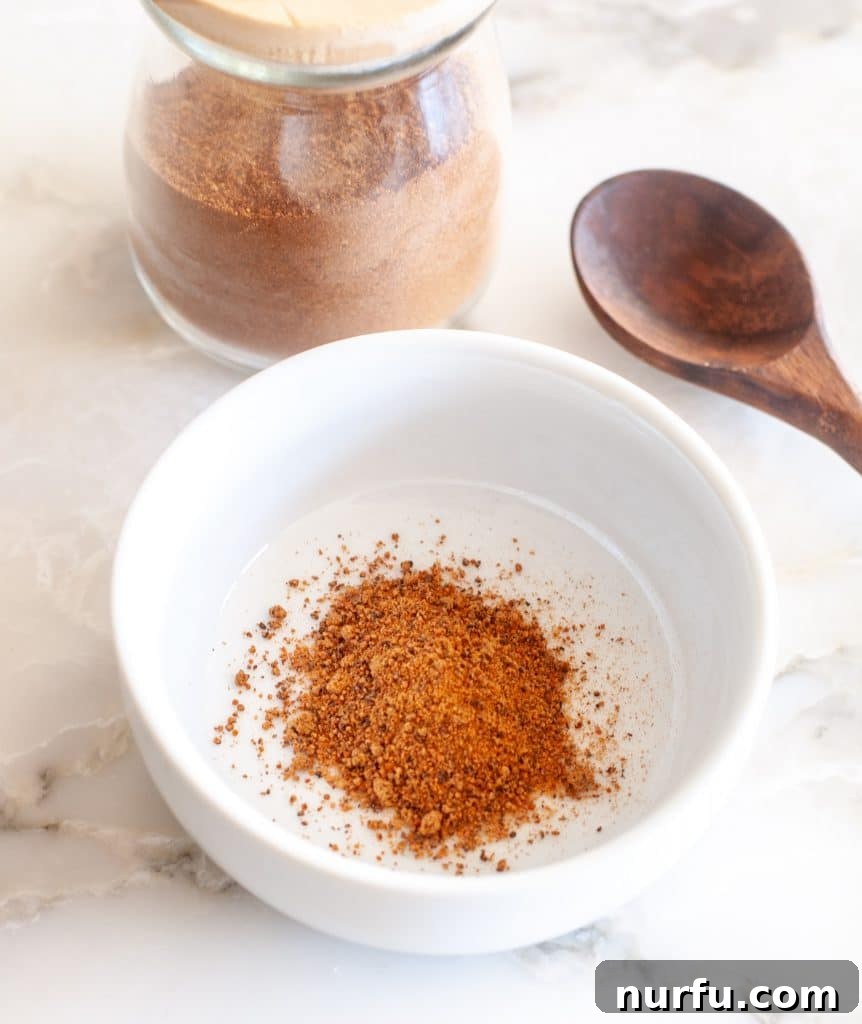
Nutmeg is a highly aromatic spice obtained from the seed of the nutmeg tree (Myristica fragrans), an evergreen native to the Moluccas, or Spice Islands, of Indonesia. The seed is typically ground into a fine powder, offering a warm, sweet, and slightly pungent flavor with hints of clove and pine. This distinctive profile makes nutmeg a versatile spice, equally at home in both sweet and savory culinary applications. In desserts, it’s a classic addition to custards, pies, cakes, and warm beverages like eggnog and mulled wine. For savory dishes, it complements cream sauces, pureed vegetables (like spinach or potatoes), and various meat preparations, adding depth and complexity.
It’s important to note that while nutmeg is safe when consumed in typical culinary quantities, ingesting large amounts of nutmeg powder (beyond what is used as a spice) can have psychoactive effects and may cause symptoms such as nausea, dizziness, hallucinations, and even contact dermatitis or allergic reactions in sensitive individuals. Furthermore, care should be taken around pets, as the enticing scent of nutmeg might attract them, but it can be toxic if consumed in significant quantities. Always use nutmeg sparingly, appreciating its potent flavor. For a visual, observe a jar and bowl of freshly ground nutmeg, showcasing its rich brown hue.
11. Nectarine
Often mistaken for a type of peach, a nectarine is actually a distinct variety of peach (Prunus persica var. nucipersica) characterized by its smooth, fuzz-free skin, which gives it a more lustrous appearance. While sharing a similar genetic makeup with peaches, the absence of fuzz is its most distinguishing physical trait. Nectarines boast vibrant flesh that can be red, yellow, or white, each offering a slightly different flavor profile ranging from sweet to tangy.
This juicy stone fruit is a delicious source of essential vitamins and minerals, particularly vitamins A and C, along with dietary fiber. Nectarines are incredibly versatile in the kitchen. They are most commonly enjoyed fresh, either eaten out of hand or sliced into salads and yogurts. Their firm texture and sweet-tart flavor also make them excellent for cooking and baking. They can be transformed into delectable preserves, jams, chutneys, and pies, or grilled for a smoky sweetness. Nectarines can be directly substituted for peaches in most recipes, offering a slightly different textural experience. Try them in place of peaches for a delightful twist on a classic dessert like this peach cream pie.
12. Nutella
Nutella, the iconic hazelnut cocoa spread, has achieved a global cult-like following since its introduction in 1964 by the Italian company Ferrero. Its rich, creamy texture and distinct blend of chocolate and hazelnut flavors have made it a beloved staple in households worldwide. The origin of Nutella dates back to the post-World War II era in Italy, when cocoa was scarce. Pietro Ferrero, a pastry maker, created a sweet paste made primarily from hazelnuts (which were abundant in the Piedmont region) and a small amount of cocoa, originally called “Pasta Gianduja.” This evolved into “Supercrema gianduja” and eventually, in 1964, was rebranded as Nutella, a portmanteau of “nut” and the Latin suffix “ella” meaning sweet.
Made primarily from sugar, palm oil, hazelnuts, cocoa powder, and skimmed milk powder, Nutella offers a distinctive sweet and nutty taste. Its versatility is part of its immense appeal; it can be enjoyed in countless ways. It is a popular breakfast accompaniment, spread generously on toast, pancakes, waffles, or crepes. Beyond breakfast, it’s used as a filling for donuts and pastries, a topping for fruit, or simply savored straight from the jar with a spoon. Nutella’s widespread popularity underscores its status as a comforting and indulgent treat for all ages.
13. Napoleon
The Napoleon, a classic French pastry, is a magnificent dessert of intricate layers and delicate flavors, yet its name bears no direct relation to the famous French military leader, Napoleon Bonaparte. In fact, the name is a corruption of “Napolitain,” meaning “from Naples” in French, suggesting a sweet treat in the style of Naples. However, the dessert’s true origin is often debated, with many believing it to be a French invention. In France, it is most commonly known as a “mille-feuille,” which translates literally to “thousand leaves,” a poetic description of its many fragile, buttery layers of puff pastry.
A traditional Napoleon is constructed from three sheets of puff pastry, which are baked until golden brown and exceptionally flaky. These delicate layers are then alternated with two layers of rich, creamy pastry cream or custard. The top layer is typically adorned with a decorative icing, often a white glaze with chocolate lines or zigzags, creating a distinctive pattern. Sometimes, the top is simply dusted with powdered sugar or topped with nuts. The challenge and delight of eating a Napoleon lie in its delightful combination of crispy pastry and smooth, sweet cream, offering a sophisticated textural and flavor experience. In Italy, it is sometimes referred to as “millefoglie,” reflecting its “thousand leaves” characteristic.
14. Nori
Nori is a fundamental ingredient in Japanese cuisine, renowned as a type of dried, edible seaweed that plays a crucial role in many iconic dishes. It is produced from various species of red algae, most notably Porphyra, which are cultivated in marine farms, harvested, then meticulously shredded and pressed into thin, paper-like sheets before being dried. This process imbues nori with its characteristic dark green or black color, crisp texture, and a distinctive, slightly salty, umami-rich flavor with hints of the ocean.
Its most famous application is as the wrapper for sushi rolls (makizushi) and rice balls (onigiri), where its robust texture holds the ingredients together and adds a complementary taste. Beyond its structural role, nori is also used in various other ways: it can be crumbled as a garnish for soups, salads, and noodle dishes (like ramen or udon), or shredded into thin strips (kizami nori) to add a flavorful flourish. Nutritionally, nori is a good source of iodine, vitamins, and minerals. However, due to its ability to absorb trace elements from the sea, it’s advised to consume nori in moderation rather than in very high daily amounts to avoid excessive intake of certain minerals. Additionally, individuals with crustacean allergies should exercise caution, as cross-contamination can occur.
15. Nougat
Nougat is a fascinating family of confectioneries, far more diverse and ancient than the creamy fillings found in modern candy bars. This sweet treat is generally made with sugar or honey, roasted nuts (such as almonds, walnuts, pistachios, or hazelnuts), and often whipped egg whites, with some variations including chopped candied fruit. Its origins are believed to be in the Middle East, with historical records of similar confections dating back centuries.
There are three primary types of nougat, each with distinct characteristics. The first is **white nougat**, also known as Persian nougat or “torrone” in Italy. This chewy, sweet variety is traditionally made with beaten egg whites and honey, yielding a light color and often incorporating almonds or pistachios. Examples include French nougat de Montélimar. The second is **brown nougat**, or “nougatine,” which is made without egg whites. It achieves a firmer, often brittle texture and a darker caramel color through caramelized sugar, typically with nuts. The third type is **Viennese or German nougat**, a softer, richer confection that is essentially a chocolate and nut variation, most commonly made with hazelnuts, cocoa, and sugar, resulting in a praline-like paste. This global diversity highlights nougat’s adaptability and enduring appeal across cultures, from traditional artisanal sweets to modern mass-produced candies.
16. Nonpareil
Nonpareils, literally meaning “without equal” in French, are a delightful and decorative confectionery item widely known as the tiny, spherical sprinkles used to adorn a multitude of desserts. These small, colorful sugar beads are made primarily from sugar and starch, often tinted with various food colorings to create a vibrant visual appeal. They add a playful pop of color and a subtle crunch to baked goods like cakes, cupcakes, and cookies, as well as frozen treats such as ice cream sundaes and milkshakes.
Beyond their role as a topping, the term “nonpareil” can also refer to a specific type of confection: small, flat discs of chocolate generously studded on one side with these characteristic sprinkle nonpareils. These chocolate nonpareils are a classic treat, combining the smooth richness of chocolate with the sweet, crunchy texture of the sprinkles. Whether scattered generously over a frosted cake or found pressed into a chocolate disc, these little sugary splashes of color bring joy and festivity to any dish. They make a particularly fun and eye-catching addition to recipes like this vibrant funfetti cheesecake, enhancing both its appearance and texture.
17. Neapolitan Ice Cream
Neapolitan ice cream is a classic frozen dessert celebrated for its distinctive tri-color presentation. It features three separate, contrasting flavors arranged side-by-side in a single block or container. The standard and most recognizable combination consists of strawberry, vanilla, and chocolate ice creams. This particular trio of flavors likely became the industry standard because they were among the most popular and readily available ice cream flavors in the United States at the time of the dessert’s widespread introduction.
The dessert is named after its presumed origins in Naples, Italy, where ice cream makers (gelatieri) from the region were known for their sophisticated frozen desserts, including multi-layered ice cream cakes. When Italian immigrants brought their culinary traditions to America, particularly during the late 19th and early 20th centuries, this style of ice cream gained popularity. The three distinct blocks of color are also often seen as a symbolic representation of the Italian flag (green, white, and red), further cementing its connection to Italian heritage. Neapolitan ice cream offers a harmonious blend of fruitiness, creamy sweetness, and rich cocoa in every spoonful, making it a perennial favorite for families and dessert lovers alike.
18. Norman Tart
The Norman Tart, also known as Tarte Normande, is a delightful and rustic French pastry hailing from the Normandy region, a part of France particularly famous for its apples and dairy products. This traditional tart features a rich shortcrust pastry base, known as “pâte brisée,” which provides a buttery and crumbly foundation. The filling is a celebration of local produce: it’s generously laden with thinly sliced apples, often a crisp and slightly tart variety, which become tender and fragrant upon baking.
To enhance its flavor and texture, the apples are typically sprinkled with sugar and sometimes a hint of cinnamon or Calvados (apple brandy, another Norman specialty). The tart is then topped with a creamy egg custard, often enriched with crème fraîche or heavy cream, and sometimes mixed with ground almonds or thinly sliced almond slivers for added nutty flavor and texture. It’s baked until the custard sets and the apples become beautifully caramelized on top, creating a golden-brown finish. The Norman Tart offers a perfect balance of sweet, tart, and creamy elements, embodying the simple yet exquisite culinary traditions of its namesake region.
19. Nocciole
“Nocciole” is simply the Italian word for hazelnuts, and in the culinary world, particularly in Italy and beyond, these small, round nuts are highly prized for their rich, sweet, and slightly earthy flavor. Hazelnuts are a versatile ingredient, extensively used in a wide array of baked goods, confectionery, and desserts. They are perhaps most famously paired with chocolate, forming the irresistible combination found in iconic spreads like Nutella, where their distinct flavor creates a harmonious balance with cocoa.
Beyond sweet applications, hazelnuts can also be used in savory dishes, adding a textural crunch and depth of flavor to salads, crusts for meats, and pestos. Nutritionally, nocciole are a powerhouse, packed with protein, healthy monounsaturated fats, and an excellent source of vitamin E, an important antioxidant. They also contain significant amounts of dietary fiber, B vitamins, and minerals like manganese and copper. Whether consumed raw, roasted, ground into flour, or processed into a paste, hazelnuts offer both delectable taste and substantial health benefits, making them a cherished ingredient in kitchens around the globe.
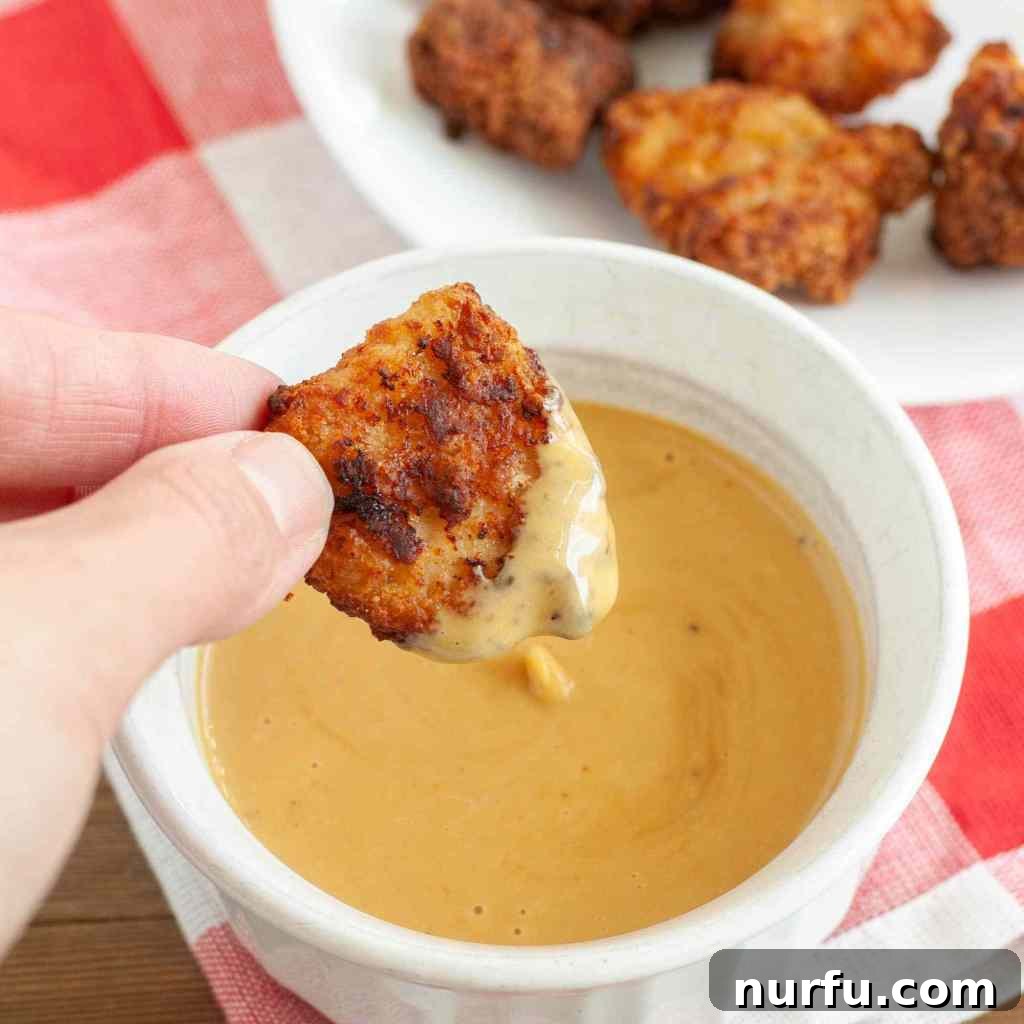
20. Nuggets
Nuggets, universally recognized as bite-sized pieces of fried or baked chicken, have become an enduring staple in fast food chains and frozen food aisles worldwide. The chicken nugget was famously invented in the 1950s by Robert C. Baker, a food science professor at Cornell University, who developed a method to bind ground chicken pieces together without a skin, allowing them to be breaded and deep-fried without falling apart. This innovation revolutionized poultry consumption, making chicken more accessible and appealing, especially to children.
Since their commercial introduction, particularly by McDonald’s with their Chicken McNuggets in 1979, nuggets have skyrocketed in popularity. They are celebrated for their crispy coating, tender interior, and convenient, “pop-able” size, making them perfect for on-the-go snacking, quick meals, or party appetizers. While chicken remains the most common variety, the concept of a “nugget” has expanded to include various vegetarian and plant-based substitutes made from soy, pea protein, or vegetables, catering to diverse dietary preferences. Nuggets are almost always served with an array of dipping sauces, ranging from classic ketchup and BBQ to more exotic flavors. Enhance your next nugget experience with a copycat version of the popular Chick-Fil-A Polynesian sauce, adding a sweet and tangy kick to your meal.
21. Nance Fruit
The Nance fruit, scientifically known as Byrsonima crassifolia, is a small, round, tropical fruit native to the warm climates of the Caribbean, Central America, and Latin America. Visually, it resembles a small cherry, but its vibrant color typically ranges from bright yellow to orange when ripe, distinguishing it from its red counterpart. The flavor profile of the nance fruit is quite diverse and can vary significantly depending on the ripeness and specific cultivar, ranging from intensely sweet and floral to distinctly acidic and pungent.
In its native regions, nance fruit is consumed in various ways. It can be enjoyed raw, fresh from the tree, or processed into juices, aguas frescas, and sorbets. Its unique flavor also makes it a popular ingredient in desserts, jams, and even fermented beverages. Beyond its culinary appeal, the nance fruit is a nutritional gem. It is exceptionally rich in vitamin C, providing a significant boost to the immune system. Additionally, it contains dietary fiber, contributing to digestive health, and other beneficial vitamins and minerals. Regular consumption of nance fruit may offer various health benefits, including supporting cardiovascular health and promoting healthy skin due to its antioxidant properties.
22. New York Style Pizza
New York-style pizza is an iconic culinary institution, a distinct variant of pizza that originated in the Big Apple, drawing inspiration from the traditional Neapolitan pizzas brought by Italian immigrants. It is characterized by its large, hand-tossed thin crust, which is famously pliable enough to be folded in half lengthwise, making it perfect for eating on the go – a quintessential New York experience. A whole New York-style pizza typically boasts an impressive diameter, often ranging from 18 to 24 inches.
The crust’s unique texture and flavor are often attributed to two key factors: the use of high-gluten bread flour, which provides the necessary chewiness and elasticity, and, perhaps more famously, the minerals present in New York City’s tap water, which some aficionados believe are crucial to the dough’s distinctive characteristics. The pizza is traditionally topped with a light layer of tomato sauce and a generous amount of low-moisture mozzarella cheese, which melts evenly and creates a satisfying stretch. Cooked at high temperatures in brick ovens, the crust develops a perfectly crisp bottom and edges while remaining tender within. This straightforward yet deeply flavorful approach has made New York-style pizza a globally recognized and beloved comfort food. Excuse me, I just might have to book a flight to New York City to experience it firsthand!
23. Newburg Sauce
Newburg sauce is a luxurious and rich cream-based sauce, a classic accompaniment to seafood, particularly lobster. Its creation is attributed to a sea captain named Ben Wenberg, who brought his recipe to Delmonico’s Restaurant in New York City in 1876. After a dispute, the chef, Charles Ranhofer, reportedly inverted the letters of Wenberg’s name to create “Newburg,” giving birth to a culinary legend. This exquisite sauce is renowned for its velvety texture and deeply flavorful profile.
The traditional preparation of Newburg sauce involves a careful emulsification of butter, cream, and egg yolks, which give it its characteristic richness and smooth consistency. A crucial ingredient is a generous splash of sherry (or sometimes Cognac or Madeira), which imparts a complex, aromatic depth to the sauce. Seasonings like cayenne pepper, nutmeg, and salt are added to balance the flavors. While most famously paired with lobster Newburg, it also beautifully complements other delicate shellfish such as shrimp, scallops, or crabmeat. The sauce is typically spooned over the cooked seafood, creating an indulgent and sophisticated dish that has remained a fine dining staple for over a century.
24. Nantua Sauce
Nantua sauce is a distinguished and elegant French culinary creation, named after the town of Nantua in the Ain department of France, a region historically renowned for its freshwater crayfish. This sophisticated sauce is a testament to classical French gastronomy, celebrated for its delicate flavor and rich, creamy texture. The base of Nantua sauce is a classic Béchamel sauce, a foundational white sauce made from a roux (butter and flour) and milk.
What elevates Nantua sauce and gives it its unique character is the addition of crayfish butter (beurre d’écrevisse) and often small pieces or whole tails of crayfish. The crayfish butter, made by pounding cooked crayfish shells with butter and then straining the mixture, infuses the sauce with a distinctive, subtle seafood essence and a beautiful pinkish hue. Heavy cream is typically incorporated to further enhance its richness and velvety mouthfeel. Nantua sauce is most traditionally served with quenelles de brochet (pike quenelles), which are light, airy dumplings made from a mixture of creamed fish (usually pike) or meat combined with breadcrumbs or choux pastry, and bound with eggs. This pairing creates a harmonious and luxurious dish, epitomizing the refined flavors of French cuisine.
25. Nasi Goreng
Nasi Goreng, meaning “fried rice” in Indonesian and Malay, is much more than just a dish; it is often considered the national dish of Indonesia and is a beloved staple across Southeast Asia. While sharing similarities with other Asian fried rice recipes, Nasi Goreng distinguishes itself with its unique depth of flavor, which is typically stronger, spicier, and often boasts an earthy, smoky aroma. This distinct profile comes from its characteristic ingredients and cooking methods.
Key components that set Nasi Goreng apart include the generous use of kecap manis (sweet soy sauce), which provides a dark, caramelized sweetness; shrimp paste (terasi), which adds a savory umami depth; and a vibrant spice paste (bumbu) usually made from chilies, shallots, garlic, and tamarind. Unlike Chinese fried rice, Nasi Goreng is often served for breakfast, ingeniously repurposing leftover rice and cooked meats or vegetables from the previous night’s dinner. It is typically stir-fried in a wok at high heat, often with an egg (fried or scrambled), chicken, shrimp, or a combination, and garnished with fresh cucumber, tomatoes, and crispy fried shallots (bawang goreng). Its widespread popularity and numerous regional variations underscore its status as an iconic and comforting dish.
26. Nashi Pear
The Nashi pear, also widely known as Asian pear, apple pear, or sand pear, is a distinctive fruit that holds significant popularity throughout East Asia, particularly in Japan, Korea, and China. Interestingly, “Nashi” is the Japanese word for pear itself, highlighting its cultural importance in the region. Unlike the elongated, bottle-necked shape of European pears, Nashi pears are characterized by their round, apple-like form, which often leads to their common nickname, “apple pear.”
Their skin can range in color from yellow-green to bronze, sometimes with a russeted texture. What truly sets the Nashi pear apart is its unique texture: it is exceptionally crisp and juicy, almost like an apple, but with a grainy, melt-in-your-mouth quality that is distinctly pear-like. The flavor is mildly sweet with subtle floral notes, making it incredibly refreshing. Nashi pears are most commonly enjoyed fresh, often peeled and sliced, serving as a delightful snack or a palate cleanser. They are also popular in fruit salads, desserts, and sometimes used in savory dishes or marinades to tenderize meat. Rich in fiber and vitamin C, they are not only delicious but also a healthy choice.
27. Nigella Seeds
Nigella seeds, often referred to as black cumin, black caraway, kalonji, or Roman coriander, are small, jet-black seeds derived from the Nigella sativa plant. Despite their various common names, they are not botanically related to cumin, caraway, or coriander. These tiny, teardrop-shaped seeds are a popular spice, particularly in Middle Eastern, North African, and Indian cuisines, where they add a unique and complex flavor profile to a wide array of dishes.
The taste of nigella seeds is distinctive and somewhat hard to pin down, often described as a warm, slightly bitter, and pungent blend of oregano, onion, and black pepper, with hints of nuttiness and a subtle smokiness when toasted. They are frequently used whole, either dry-roasted or fried in oil, to release their aromatic compounds. Nigella seeds are a fantastic addition to various culinary applications: they are commonly sprinkled over naan bread, flatbreads, and pastries; incorporated into vegetable curries, lentil dishes (dals), and rice preparations; and used to flavor sauces, chutneys, and even pickles. Beyond their culinary uses, nigella seeds have a long history in traditional medicine, valued for their potential health benefits. Their unique flavor makes them an indispensable ingredient for adding an authentic touch to many ethnic dishes.
More foods that start with…
The world of food is an endless adventure, and exploring ingredients by letter is just one exciting way to uncover new favorites and expand your culinary horizons. We hope this comprehensive list of foods beginning with ‘N’ has sparked your curiosity and inspired you to try something new.
- Foods that start with W
- Foods that start with H
- Foods that start with E
- Foods that start with Y