
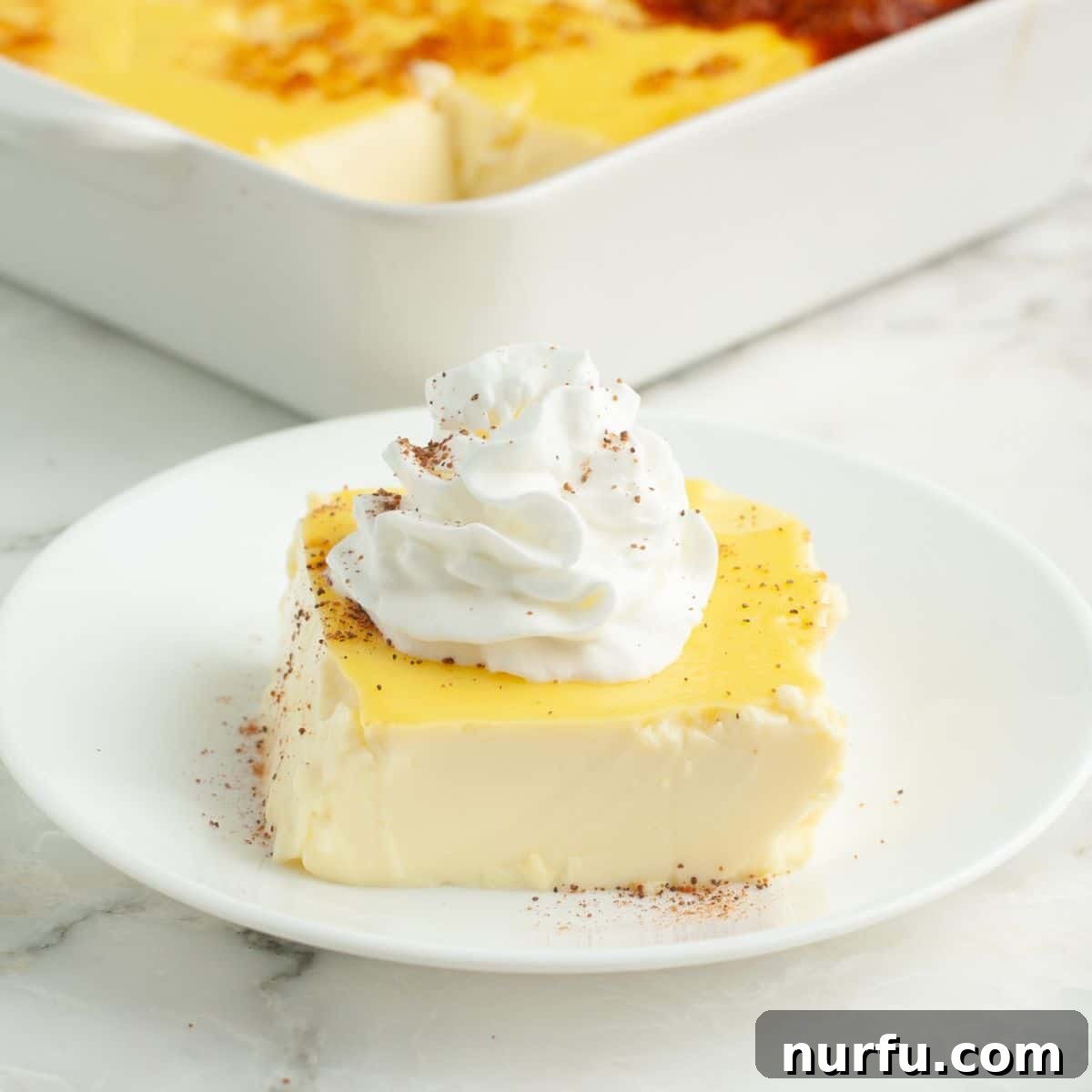
Timeless Comfort: Nana’s Old-Fashioned Baked Egg Custard Recipe
There’s a special kind of magic in a dessert that transcends generations, and for many, that magic is found in Nana’s old-fashioned baked egg custard. This simple yet profoundly elegant dessert offers a comforting embrace with every spoonful. Imagine a dessert that is exquisitely silky smooth, perfectly creamy, and sweetened just enough to tantalize the taste buds without overwhelming them. It’s a timeless classic, a truly remarkable family favorite that consistently earns rave reviews and brings smiles to faces around the table.
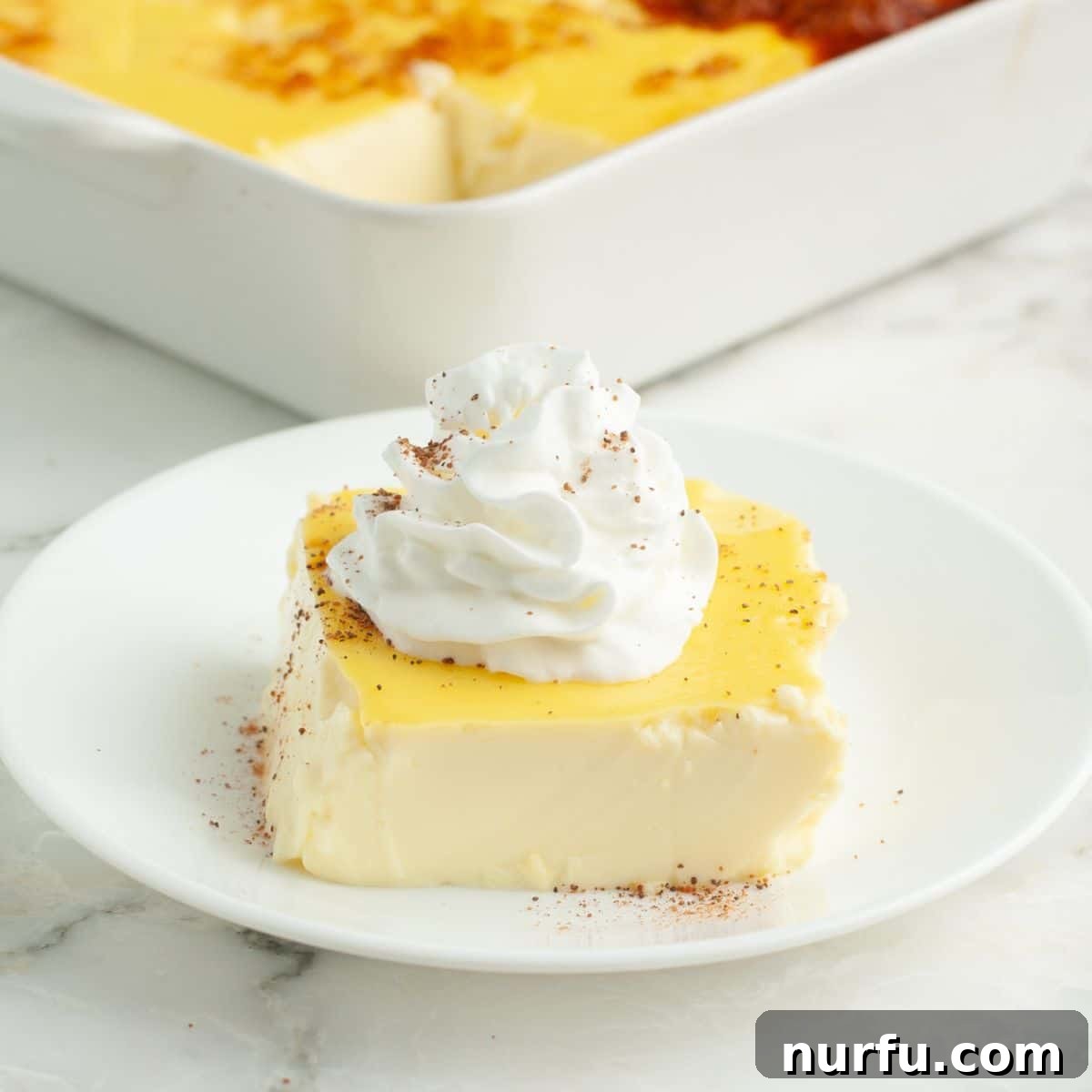
For me, this baked egg custard recipe is more than just a dessert; it’s a direct portal to cherished childhood memories. It evokes images of holidays, particularly Easter, spent gathered with family, the air thick with anticipation and the comforting aroma of Nana’s kitchen. She would lovingly prepare this dish, and even as a child, I recognized its special quality. The way she would finish it with a delicate sprinkle of fresh nutmeg, or if I was especially lucky, a generous dollop of freshly whipped cream, always made it feel incredibly fancy and sophisticated.
Embarking on my own culinary journey, I took up the mantle of making this beloved family recipe. While the list of ingredients is undeniably simple, I quickly discovered that the path to a truly perfect silky egg custard is paved with a few essential tips and tricks. My early attempts, for instance, involved trying to cut corners by skipping the crucial water bath, only to be met with a runny, less-than-ideal custard. It was a learning curve, a testament to the fact that sometimes, the simplest recipes require the most mindful execution.
Through countless batches over the years, I’ve refined the process, understanding the nuances that transform basic ingredients into an extraordinary dessert. This isn’t just a recipe; it’s a tried-and-true method for creating a baked egg custard that turns out beautifully, consistently, every single time. The glorious, velvety smooth and creamy texture is, without a doubt, one of my very favorite aspects of this dessert. It’s a guaranteed hit with everyone who tries it, from immediate family to dinner guests, and I sincerely hope you fall in love with it just as much as we have!
If you’re eager to explore more delightful vintage desserts that evoke warmth and nostalgia, be sure to try these other classic recipes from our kitchen: a comforting cheese pie, a creamy rice pudding, and a rich, Southern chess pie.
Table of Contents
Why You’ll Adore This Classic Egg Custard
This traditional baked egg custard isn’t just a dessert; it’s an experience. Here’s why it deserves a permanent spot in your recipe collection:
- Effortless with Simple Ingredients – You’ll be amazed at how such an elegant dessert can be created from ingredients you likely already have in your pantry and refrigerator. We’re talking about humble staples like eggs, milk, sugar, salt, and vanilla – transforming into something truly extraordinary with minimal fuss. This accessibility makes it a perfect dessert for any occasion, from casual weeknights to special gatherings.
- Nostalgic Comfort in Every Bite – There’s a profound sense of nostalgia woven into every creamy spoonful of this old-fashioned custard. For many, it evokes treasured memories of grandmothers’ kitchens, family holidays, and simpler times. It’s a dessert that connects us to our culinary heritage, offering a warm, comforting hug that feels both familiar and deeply satisfying. Prepare to create new cherished memories while revisiting old ones.
- Achieving Silky Smooth Perfection – The hallmark of a truly great egg custard is its texture, and this recipe delivers unparalleled smoothness. Baked gently in a water bath, it develops a custard so tender and free of air bubbles, it practically melts in your mouth. The resulting consistency is akin to liquid silk, a delight for the palate that feels luxurious and incredibly satisfying, proving that simplicity can indeed be profoundly exquisite.
The Essential Ingredients for Perfect Custard
Crafting the perfect old-fashioned egg custard begins with understanding the role each simple ingredient plays. While minimal, their quality and proper handling are key to achieving that desirable silky texture and balanced flavor.
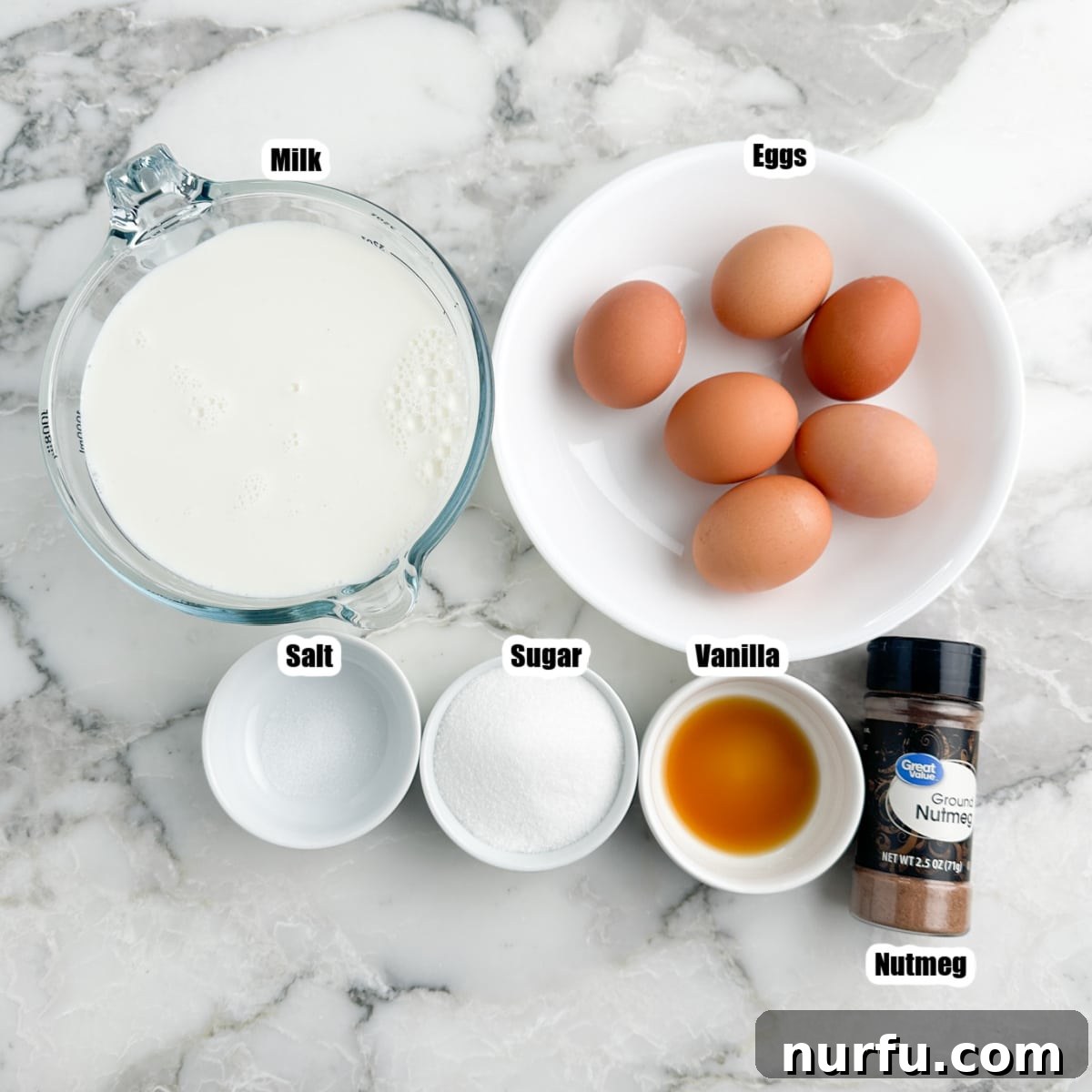
- Eggs – This recipe calls for 6 large eggs, which are fundamental to the custard’s structure and richness. Eggs provide the necessary protein to set the custard, giving it that characteristic smooth, creamy consistency. Using fresh, large eggs ensures the best results for both flavor and texture.
- Milk – The choice of milk significantly impacts the final texture and richness. While you can use any milk you have on hand, whole milk will yield the creamiest, most luxurious custard. Skim or low-fat milk can be used for a lighter version, but be aware that the custard might be slightly less rich. For an extra decadent treat, consider a blend of whole milk and a splash of heavy cream.
- Sugar – I typically use a half cup of granulated sugar, which provides a delicate sweetness that perfectly complements the eggs and milk without being overly cloying. If you prefer a slightly sweeter dessert, you can increase the sugar to ¾ cup, but I recommend tasting the initial mixture to find your perfect balance. Remember, the beauty of this custard often lies in its subtle sweetness.
- Salt – A small amount of salt, typically ¼ teaspoon, is crucial. It doesn’t make the custard salty, but rather acts as a flavor enhancer, balancing the sweetness of the sugar and bringing out the natural creamy notes of the dairy and eggs. Don’t skip this step, as it elevates the overall flavor profile.
- Vanilla Extract – This simple addition is a game-changer. Pure vanilla extract infuses the custard with a warm, inviting aroma and a depth of flavor that is essential to this old-fashioned recipe. While a small amount, its impact is profound, adding a layer of sophisticated sweetness and comfort. Opt for good quality vanilla for the best results.
- Optional Toppings – A light dusting of freshly grated nutmeg or cinnamon, or even a sprinkle of powdered sugar, can add a beautiful aromatic finish and a touch of visual elegance. These simple additions are classic for a reason and highly recommended.
How to Master Old-Fashioned Baked Egg Custard
Creating this delicious old-fashioned egg custard is a straightforward process, but paying attention to a few key steps will ensure a perfectly smooth and creamy result every time. Here’s a detailed overview of how to prepare this comforting dessert. For the full printable instructions and precise measurements, please refer to the complete recipe card below.
- Prepare Your Oven and Baking Dish: Begin by preheating your oven to 325 degrees F (160 degrees C). Lightly spray a 9×9 inch baking dish with non-stick cooking spray, ensuring an easy release once the custard is set. This initial preparation sets the stage for even baking and prevents sticking.
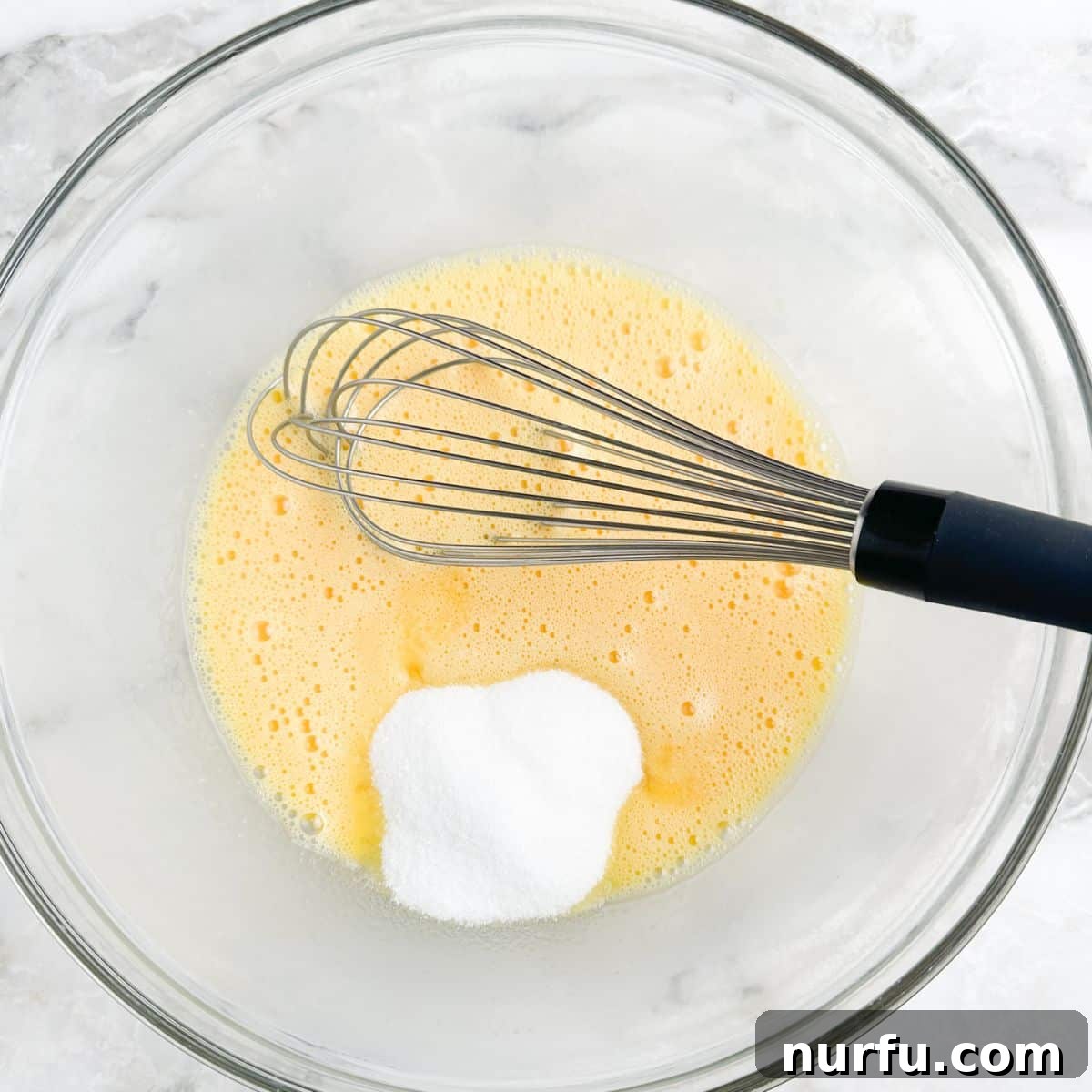
- Whisk the Eggs: In a large mixing bowl, crack the 6 large eggs. Whisk them vigorously until they are fully beaten and the yolks and whites are completely combined and slightly frothy. This thorough whisking ensures a uniform texture in the final custard. Next, whisk in the granulated sugar and salt until they are well incorporated and the sugar begins to dissolve.
- Heat the Milk Gently: Pour the milk into a large saucepan. Place it over medium heat, stirring frequently. The goal is to warm the milk gently, not boil it. You’ll know the milk is ready when you start to see small bubbles forming around the edges of the pan and a little steam begins to rise from the surface. Alternatively, if you have a thermometer, the ideal temperature is around 180 degrees F (82 degrees C). Be careful not to scald the milk, as this can impart an off-flavor and texture to your custard.
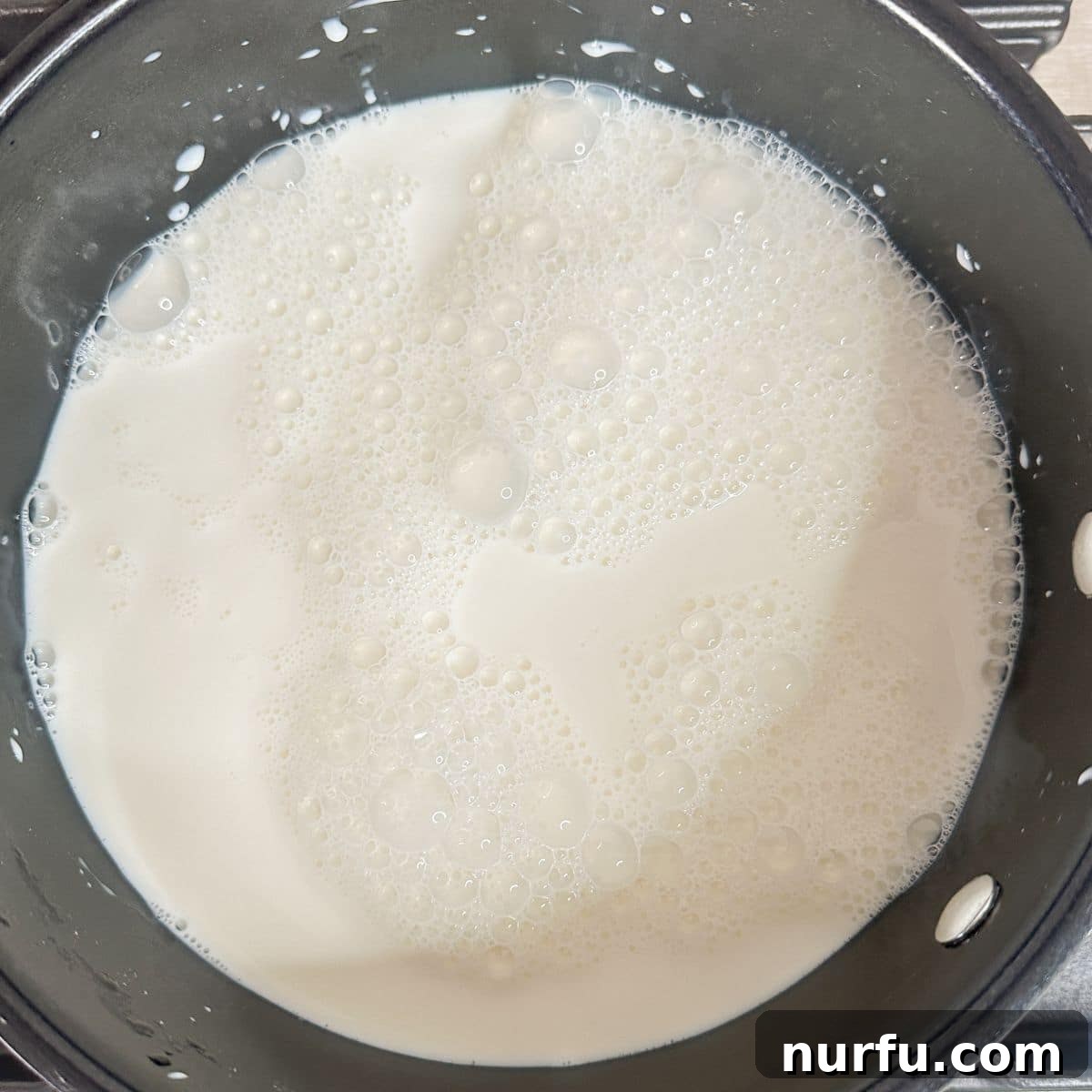
- Temper the Eggs: This is arguably the most critical step for a silky custard. Slowly, and in a thin stream, pour a small splash of the warmed milk into the egg mixture while continuously whisking. This process, known as tempering, gradually raises the temperature of the eggs, preventing them from scrambling or curdling when combined with the rest of the hot milk. Continue to slowly pour in the remainder of the warm milk, constantly whisking until the entire mixture is smooth and well combined. Finally, whisk in the vanilla extract.
- Strain for Ultimate Smoothness: To achieve that signature silky-smooth texture and remove any stray bits of cooked egg or chalazae, pour the entire custard mixture through a fine-mesh sieve into another clean bowl. This step is optional but highly recommended for a truly professional finish.
- Prepare the Water Bath and Bake: Carefully pour the strained custard mixture into your prepared 9×9 inch baking dish. If desired, lightly sprinkle the top with a pinch of fresh nutmeg or cinnamon at this stage. Now, place this baking dish inside a larger 9×13 inch baking dish. Carefully fill the larger dish with hot water, reaching about halfway up the sides of the smaller custard dish. This water bath (bain-marie) creates a gentle, moist, and even heat environment, which is essential for baking custard without weeping or curdling. Bake for 40-45 minutes.
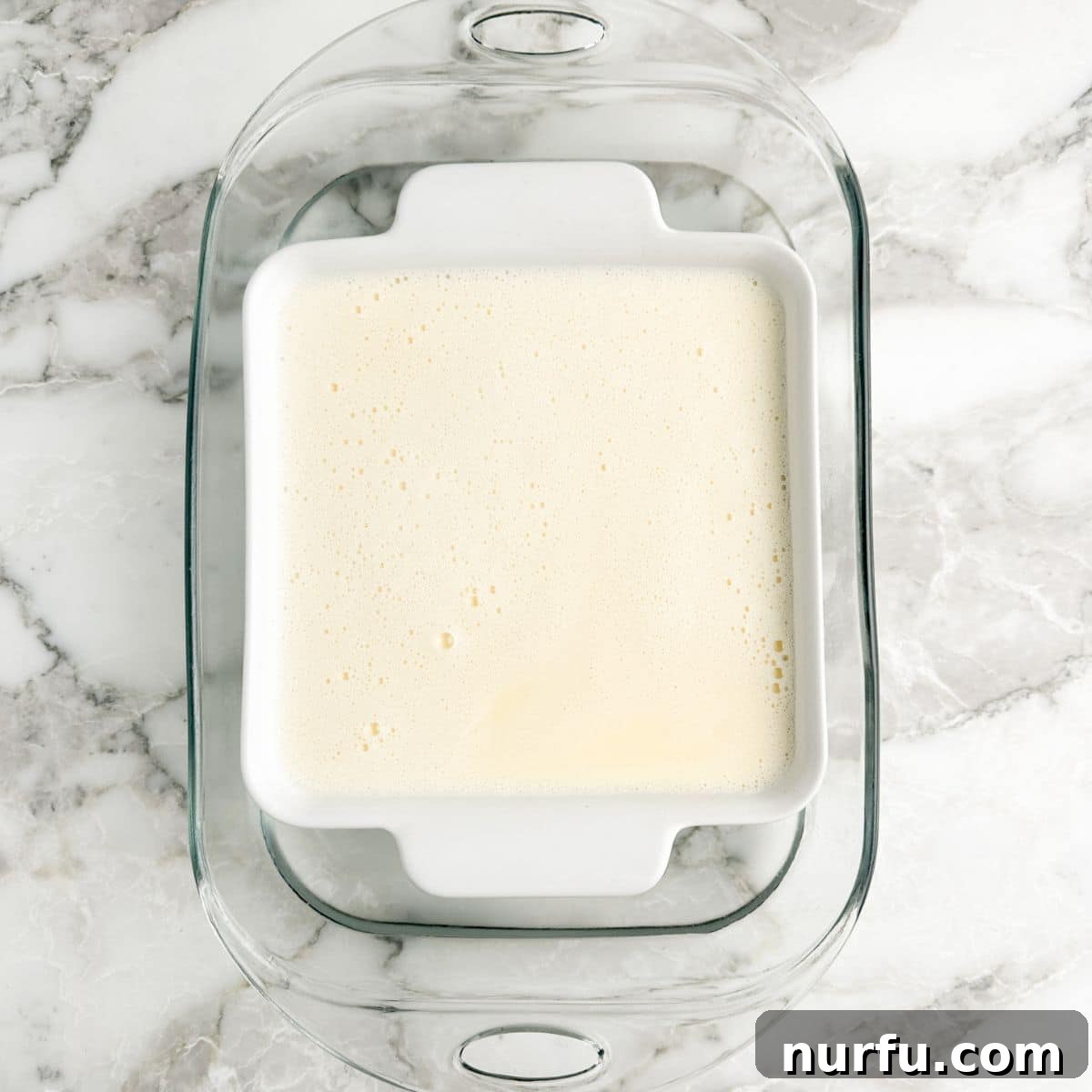
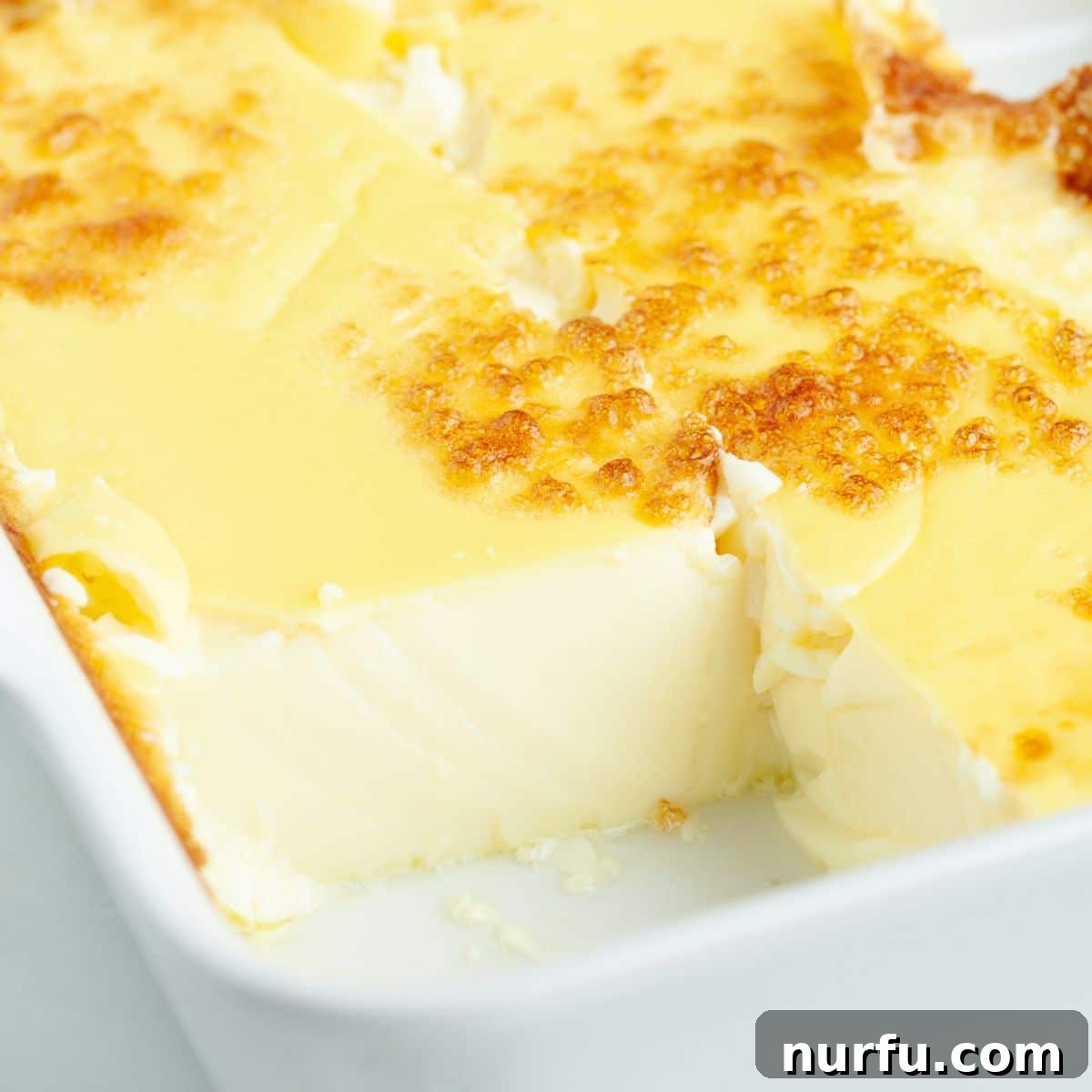
- Cool and Serve: Once baked, the edges of the custard should be set, and the center will still have a slight jiggle. Carefully remove the inner baking dish from the water bath and let the custard cool completely on a wire rack at room temperature. For optimal texture and flavor, transfer the cooled custard to the refrigerator and chill for at least 2-3 hours, or preferably overnight, before serving. The chilling process allows the custard to fully set and its flavors to meld beautifully.
Expert Tips for a Flawless, Silky Custard
While the ingredients for this easy egg custard are straightforward, mastering a perfectly smooth and creamy texture lies in a few crucial techniques. These tips, honed over countless batches, will ensure your custard turns out wonderfully every single time:
- Mind the Milk Temperature: The temperature of your milk is more important than you might think. When heating the milk, keep a watchful eye on it. Stir it frequently to prevent scorching at the bottom of the pan, which can impart an unpleasant flavor. Aim for small bubbles around the edge and a gentle steam, or use a thermometer to reach approximately 180°F (82°C). Overheating can lead to a skin forming and can also be too hot for tempering the eggs, potentially leading to a grainy texture.
- The Art of Tempering: Whisk, Whisk, Whisk! This is the secret weapon against curdled eggs. When adding the warm milk to the beaten eggs, pour it in a very slow, thin stream while continually whisking the egg mixture vigorously. This gradual introduction of heat gently raises the temperature of the eggs, preventing them from cooking too quickly and scrambling. Patience and continuous whisking are your best friends here; rushing this step is the most common cause of lumpy custard.
- Strain for Unmatched Smoothness: For an absolutely luxurious, silky-smooth custard, I highly recommend straining the entire mixture through a fine-mesh sieve before pouring it into your baking dish. This simple step removes any tiny bits of cooked egg (which can sometimes form even with careful tempering), chalazae (the white stringy bits attached to the yolk), or other impurities. The result is an incredibly uniform and velvety texture that truly elevates the dessert.
- Embrace the Water Bath: Do not skip the water bath (bain-marie)! Baking custard in a water bath provides a moist, even, and gentle heat environment. This prevents the edges from overcooking and becoming rubbery or weeping, while allowing the center to set beautifully and uniformly. It’s the key to that delicate, wobbly texture we all love in a perfect custard.
Preparation and Storage: Plan Ahead
One of the many wonderful qualities of this classic egg custard is its versatility in terms of preparation and storage. You can easily make it ahead of time, making it a perfect dessert for entertaining or simply enjoying throughout the week.
Make Ahead: This custard is an excellent make-ahead dessert. You can prepare it fully a day in advance. Once baked, allow the custard to cool completely at room temperature on a wire rack. Then, cover it tightly with plastic wrap or foil and store it in the refrigerator. Chilling overnight allows the flavors to deepen and the texture to fully set, making it even more delicious.
Storage Instructions: Any leftovers should be covered tightly with plastic wrap or transferred to an airtight container. Store the custard in the refrigerator for up to 3 days. While it’s best enjoyed within the first two days for optimal texture, it will still be delightful on the third.
Freezing: Unfortunately, baked custards generally do not freeze well. Freezing and thawing can cause the custard’s texture to become grainy, watery, or separate. For the best experience, I recommend enjoying this custard fresh or within its refrigerated storage window.
Delightful Serving Suggestions
While this creamy egg custard is undeniably fantastic on its own, its subtle sweetness and velvety texture make it a wonderful canvas for a variety of toppings and pairings. Here are some ideas to elevate your dessert experience:
- Classic Spice Dusting: A light dusting of freshly grated nutmeg or cinnamon is the most traditional and simplest way to finish your custard. The warm, earthy notes of the spice beautifully complement the sweet, creamy custard.
- A Cloud of Whipped Cream: A generous dollop of freshly whipped cream adds a luxurious, airy contrast to the dense richness of the custard. For extra flavor, you can sweeten the cream with a touch of powdered sugar and a splash of vanilla extract.
- Sweet Caramel Drizzle: For a touch of decadence, a drizzle of homemade or store-bought caramel sauce is exquisite. The buttery, sweet caramel pairs wonderfully with the subtle custard flavor.
- Fresh Berries: Bright, fresh berries like raspberries, blueberries, or sliced strawberries add a burst of color, a hint of tartness, and a refreshing counterpoint to the creamy custard.
- Fruit Compote: A spoonful of your favorite fruit compote, such as cherry, apricot, or mixed berry, can introduce a lovely fruity dimension and a pleasant textural contrast.
- Chocolate Shavings: For the chocolate lovers, a sprinkle of dark or milk chocolate shavings can add a rich, sophisticated touch.
Creative Variations and Substitutions
This simple egg custard recipe is incredibly adaptable, allowing for delightful variations to suit different tastes and dietary needs. Don’t hesitate to experiment once you’ve mastered the classic version!
Milk Alternatives: For those seeking a dairy-free option, you can successfully make this custard using plant-based milks. Almond milk, soy milk, or oat milk are all good substitutes for traditional dairy milk. Keep in mind that the texture might be slightly less rich or firm, depending on the fat content of the alternative milk, but the flavor will still be wonderfully comforting.
Flavor Enhancements:
- Almond Extract: Try substituting the vanilla extract with an equal amount of almond extract for a delicate, nutty flavor profile.
- Citrus Zest: A teaspoon of finely grated lemon or orange zest added to the milk as it heats will infuse the custard with a bright, aromatic lift.
- Coffee Infusion: For a sophisticated twist, dissolve a teaspoon of instant espresso powder in the warm milk for a subtle coffee-flavored custard.
- Coconut Custard: Replace some or all of the dairy milk with full-fat canned coconut milk for a tropical, rich custard.
- Spiced Custard: Beyond nutmeg, consider adding a pinch of cardamom, a tiny dash of clove, or a blend of pumpkin pie spices for a seasonal twist.
Individual Servings: Instead of baking one large custard, you can divide the mixture into individual ramekins. Adjust baking time accordingly (usually around 25-35 minutes) and ensure each ramekin is placed in the water bath.
Frequently Asked Questions About Egg Custard
Even though egg custard is a straightforward dessert, many home bakers have common questions. Here are answers to some of the most frequently asked questions to help you achieve perfect results.
Weeping, or a watery texture, often occurs if the custard gets too hot during baking. Overcooked custard can cause the egg proteins to seize and push out liquid. Baking this custard in a water bath is crucial because it helps to bake them gently and evenly, preventing the temperature from rising too quickly and minimizing the risk of weeping. Another reason could be insufficient chilling; the custard needs time to fully set and firm up.
A perfectly baked custard will have edges that are set and firm, but the center (about 1-2 inches in diameter) will still have a slight jiggle when you gently shake the dish. Don’t wait until the center is completely firm, as it will continue to set as it cools. Overbaking can lead to a rubbery texture.
For consistent results, it’s always best to stick to the size specified in the recipe, which is large eggs. If you only have medium or extra-large, you might need to adjust the quantity slightly. Using too few eggs can result in a runny custard, while too many can make it too dense or eggy.
Curdling is usually a result of adding hot milk to cold eggs too quickly, causing the eggs to cook instantly. This is why tempering the eggs (slowly adding a small amount of warm milk to the eggs while whisking constantly) is such a vital step. Ensure you whisk continuously and pour the milk in a very thin stream.
Whole milk is traditionally recommended for its rich flavor and creamy texture, leading to the most luxurious custard. However, 2% milk can also yield good results, though the custard might be slightly less decadent. Skim milk is generally not recommended as it can result in a thinner, less satisfying custard. For a truly rich custard, some recipes even call for a blend of whole milk and heavy cream.
Explore More Classic Desserts
If you’ve fallen in love with the comforting charm of this old-fashioned egg custard, you’ll surely appreciate these other delightful vintage dessert recipes:
- Yum Yum Pie – A cool, creamy, and incredibly refreshing dessert that’s perfect for any time of year. Customize it with your favorite fruit, like blueberries or cherries, for a truly satisfying treat.
- Cherries In The Snow – This incredibly easy dessert layers sweet cherry pie filling with fluffy angel food cake, creating a light yet indulgent experience that’s both beautiful and delicious.
- 2 Ingredient Lemon Bars – You simply won’t believe how effortlessly these zesty, bright lemon bars come together with just two simple ingredients. They’re a perfect blend of sweet and tart!
- Congo Bars – Also known as Nana’s Congo Squares, these are essentially rich, chewy chocolate chip cookie bars. They’re dense, deeply satisfying, and loaded with chocolatey goodness, perfect for sharing.
If you have the pleasure of making this timeless baked egg custard, I would absolutely love to hear about your experience! Please share your thoughts and any personal touches in the comments section below. Happy baking!
Old-Fashioned Egg Custard
Ingredients
- 6 large eggs
- 4 cups milk (whole milk recommended for best results)
- ½ cup sugar (can adjust to ¾ cup for sweeter custard)
- 1 teaspoon vanilla extract
- ¼ teaspoon salt
- Optional: powdered sugar, freshly grated nutmeg, or ground cinnamon for dusting
Instructions
-
Preheat the oven to 325 degrees F (160 C). Lightly spray a 9×9 inch baking dish with non-stick cooking spray.
-
In a large bowl, whisk the eggs vigorously until fully beaten and slightly frothy.
-
Whisk in the sugar and salt until well combined and the sugar begins to dissolve.
-
Pour milk into a large saucepan and heat over medium heat. Stir constantly until milk reaches about 180 degrees F (82 C), or until small bubbles form around the edge of the pan and steam begins to rise. Do not boil or scald the milk.
-
Slowly pour a splash of the warmed milk into the egg mixture while continuously whisking to temper the eggs. Continue slowly whisking in the remaining warm milk until all is combined and smooth. Whisk in the vanilla extract.
-
For an extra silky custard, pour the milk and egg mixture through a fine-mesh strainer into another clean bowl.
-
Carefully pour the strained mixture into the prepared 9×9 inch baking dish. If desired, sprinkle a light dusting of nutmeg or cinnamon on top. Place the custard baking dish inside a larger 9×13 inch baking dish. Fill the 9×13 dish halfway up with hot water to create a water bath.
-
Bake for 40-45 minutes, or until the edges are set and the center still has a slight jiggle.
-
Carefully remove the custard dish from the water bath. Let the custard cool completely on a wire rack at room temperature. For best results, cover and chill in the refrigerator for at least 2-3 hours, or preferably overnight, before serving.
-
Optional: Before serving, dust with additional nutmeg, powdered sugar, or cinnamon, or top with whipped cream.
Nutrition
Calories: 170kcal | Carbohydrates: 18g | Protein: 8g | Fat: 7g | Saturated Fat: 3g | Polyunsaturated Fat: 1g | Monounsaturated Fat: 2g | Trans Fat: 0.01g | Cholesterol: 137mg | Sodium: 166mg | Potassium: 230mg | Sugar: 19g | Vitamin A: 376IU | Calcium: 169mg | Iron: 1mg
Nutrition information is automatically calculated and should only be used as an approximation.
Additional Info
Like this recipe? Leave a comment below!