
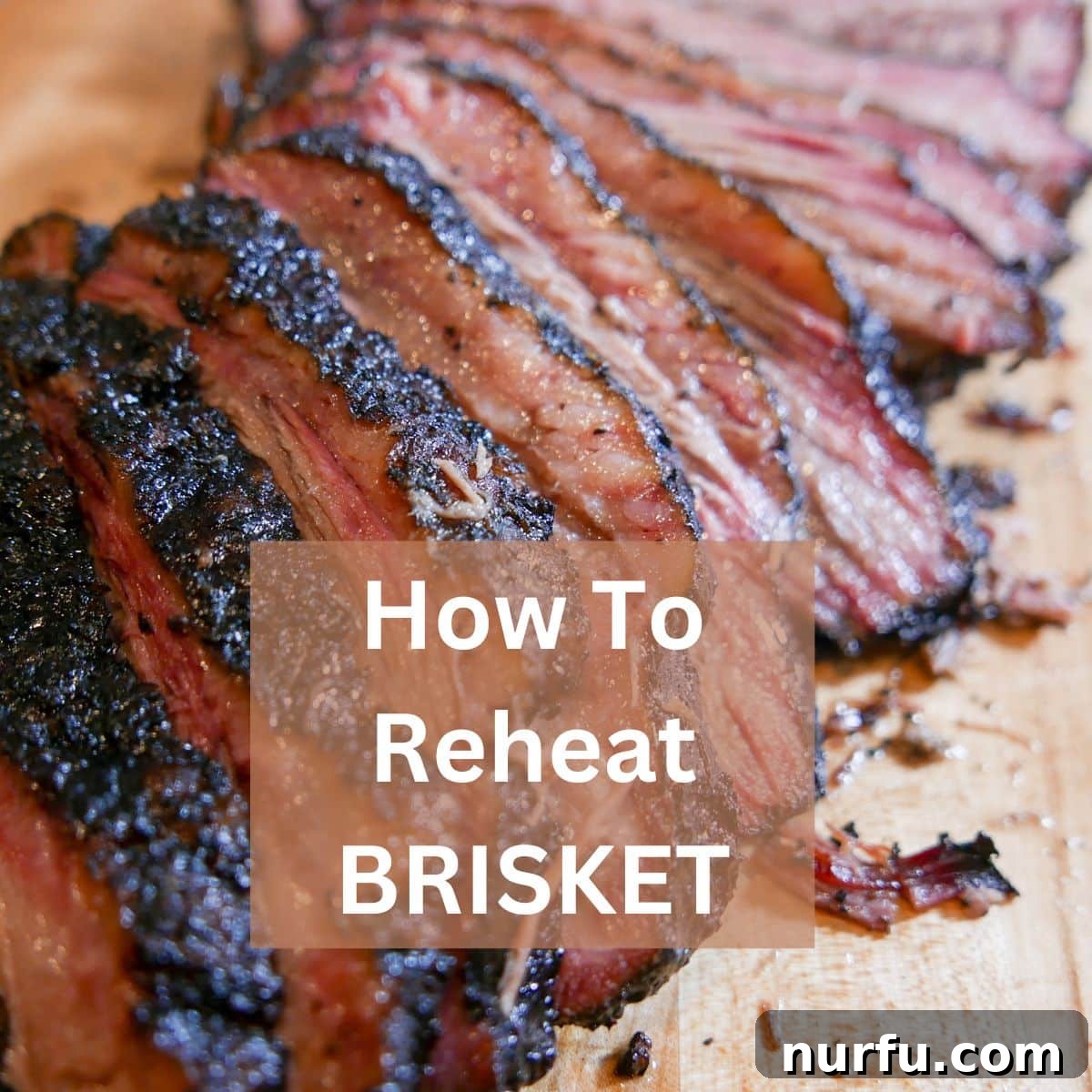
Nothing quite rivals the rich, smoky flavor and melt-in-your-mouth tenderness of perfectly cooked beef brisket. A true culinary masterpiece, brisket is often prepared in substantial quantities, leading to the delightful prospect of leftovers. But how do you capture that initial magic when reheating? Whether you mastered the art of brisket on the oven, sous vide, grill, smoker, or crockpot, learning how to reheat brisket the right way is essential to ensure every subsequent bite is as juicy and satisfying as the very first. This comprehensive guide will transform your leftover brisket into a second serving sensation, preventing dryness and maximizing flavor.
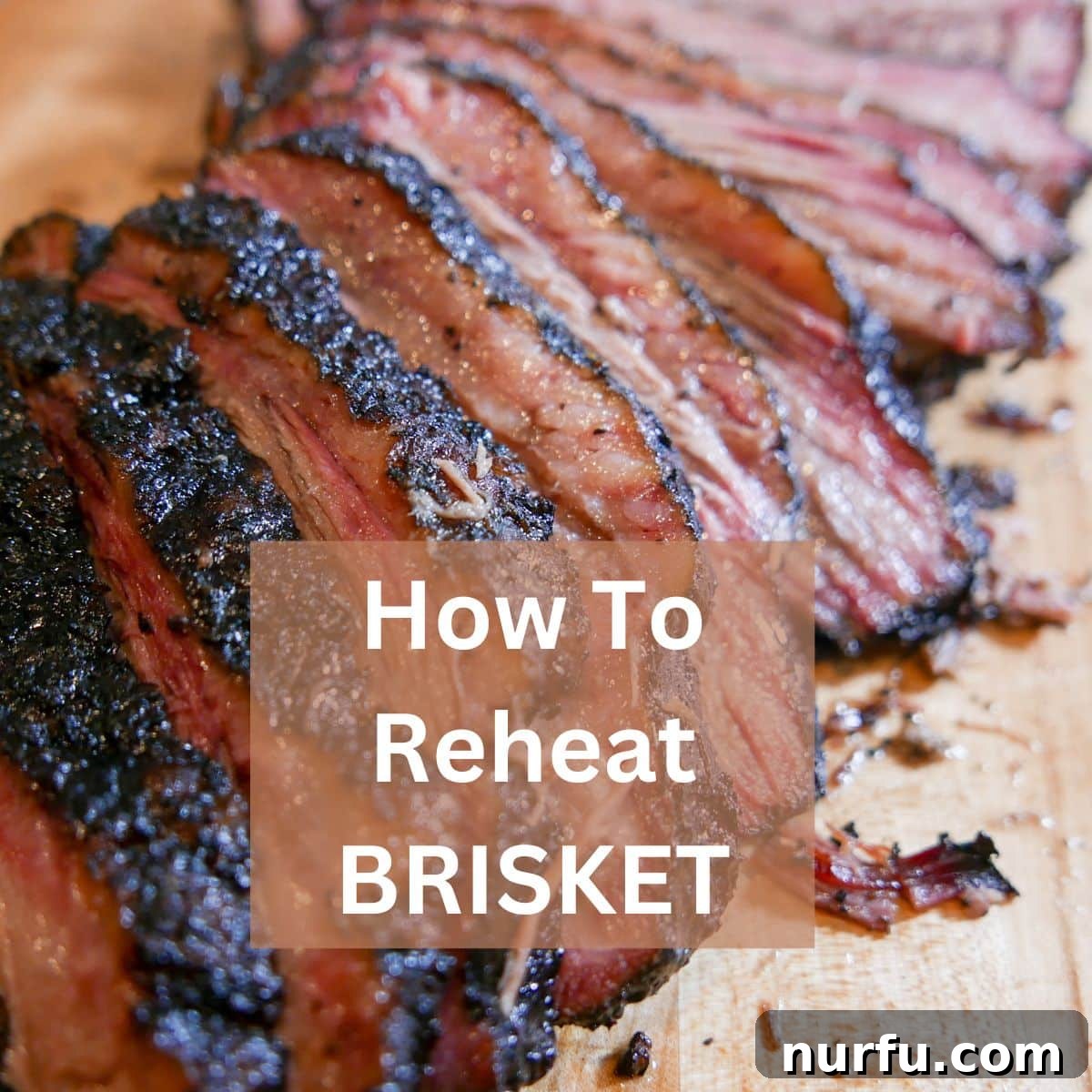
Brisket is, without question, a labor of love and a cornerstone of barbecue tradition. This magnificent cut of meat demands patience and a commitment to the “low and slow” cooking philosophy. The reward for this dedication is spectacular: a beautiful, savory bark encasing incredibly tender beef, infused with a deep, smoky aroma and bursting with juicy flavor. From backyard barbecues to holiday feasts, brisket is a crowd-pleaser that often leaves you with more than enough to go around.
Unless you’re catering an army, it’s highly probable you’ll find yourself with a generous amount of leftover brisket. The good news? Knowing how to reheat brisket correctly means you can extend the enjoyment of this delicious meal, savoring its exquisite taste for days to come. Forget dry, tough remnants; with the right technique, your reheated brisket will be just as succulent and flavorful as it was fresh off the smoker or out of the oven.
This in-depth guide is your ultimate resource for warming up both whole briskets and individual slices, preserving their precious moisture and signature texture. We’ll explore various methods – from the convenient oven and the precision of sous vide to the smoky depths of the grill and smoker, and the gentle warmth of the crockpot. Each method offers unique advantages, ensuring your leftover brisket maintains its melt-in-your-mouth quality and rich flavor profile, tasting as incredible as when it was first prepared.
Table of contents
- How to keep brisket juicy
- The Microwave Mistake: Why It Dries Out Brisket
- How to reheat brisket in the oven
- How to reheat brisket sous vide
- How to reheat brisket on the grill
- How to reheat brisket in the smoker
- How to reheat brisket in the crockpot
- How to store brisket
- How to use leftover brisket
- How to reheat more food
How to Keep Brisket Juicy When Reheating
The ultimate goal when reheating leftover brisket is to maintain its luscious tenderness and prevent any moisture loss. Brisket’s natural juiciness is what makes it so appealing, and preserving this quality is paramount, both during storage and the reheating process. We want the meat to retain as much of its original succulence as possible, ensuring a delightful eating experience every time.
A critical factor in preserving brisket’s juiciness is the addition of liquid. Whether it’s the savory drippings from the original cook, a high-quality beef broth, or even a bit of apple cider vinegar, adding moisture to the reheating environment creates steam that gently warms the meat. This steam acts as a protective barrier, preventing the brisket from drying out as it slowly comes back up to temperature. Don’t underestimate the power of a little extra liquid to make a big difference.
It’s also a smart practice to always save any leftover juices or rendered fat you gathered while initially cooking the brisket. These precious liquids are packed with flavor and are invaluable in the reheating process, helping to replenish any moisture that might be lost. After cooking, simply transfer these juices to an airtight container, allow them to cool completely at room temperature, and then store them in the refrigerator, ready to be deployed for future reheating sessions.
The Microwave Mistake: Why It Dries Out Brisket
While the microwave may seem like the quick and easy option for reheating, it is, without a doubt, the worst method for brisket. Microwaves heat food by causing water molecules to vibrate rapidly, which can aggressively pull out moisture from delicate meats like brisket. This rapid and uneven heating process leads to dry, rubbery, and unappetizing meat – a far cry from the tender, juicy brisket you worked so hard to achieve. In my opinion, the microwave’s convenience simply isn’t worth sacrificing the quality and texture of your delicious brisket.
Instead, the best reheating methods involve a gentle, low-and-slow approach that slowly brings the meat back to temperature without shocking it or stripping away its moisture. This careful warming allows the meat fibers to relax and reabsorb juices, resulting in a brisket that’s just as tender and flavorful as it was when first served. Patience is key when it comes to preserving the integrity of your cooked brisket.
How to Reheat Brisket in the Oven
The oven is one of the most reliable and common methods for reheating brisket, especially for larger portions or whole briskets, ensuring even heat distribution and excellent moisture retention. This method closely mimics the original slow-cooking process, making it ideal for maintaining tenderness. Follow these steps for a perfectly warmed brisket:
- Bring to Room Temperature: Begin by removing your brisket from the refrigerator and allowing it to rest at room temperature for approximately 30 minutes. This helps the meat heat more evenly, reducing the overall reheating time and preventing the outside from cooking faster than the inside.
- Prepare the Oven and Baking Sheet: While the brisket rests, preheat your conventional oven to a moderate 325 degrees F (160 degrees C). Prepare a rimmed baking sheet by lining it with aluminum foil for easier cleanup. Place the brisket on this prepared sheet.
- Add Moisture: To combat dryness, pour about a cup of your reserved brisket juices over the meat. If you don’t have any drippings, a cup of good quality beef broth works just as well. This liquid will create a steamy environment under the foil, keeping the brisket moist and tender.
- Seal Tightly: Cover the entire baking sheet, including the brisket and liquid, with two layers of heavy-duty aluminum foil. Crimp the edges tightly around the pan to create a secure seal. It’s crucial that there are no gaps or holes where steam can escape, as this steam is vital for keeping the meat from drying out.
- Reheat Time: The reheating duration will vary depending on the size of your brisket.
- For thinner brisket slices, they should be thoroughly warmed through in approximately 20-30 minutes.
- For a whole brisket or thick sections, anticipate about 45-60 minutes, or until the internal temperature reaches 140-145 degrees F (60-63 degrees C). Use a meat thermometer inserted into the thickest part to confirm.
- Rest and Serve: Once reheated, remove the brisket from the oven and let it rest, still covered, for 10-15 minutes. This allows the juices to redistribute, ensuring maximum tenderness. Slice against the grain if it’s a whole piece, and serve immediately.
How to Reheat Brisket Sous Vide
Using a sous vide machine is an unparalleled method for reheating brisket, or any other meat for that matter, specifically because it excels at preventing moisture loss and overcooking. The precision temperature control and vacuum-sealed environment create the ideal conditions for a tender and juicy result. This method is particularly effective for achieving a consistent temperature throughout the meat without any dry spots.
- Acclimatize the Brisket: Take your brisket, whether whole or sliced, out of the refrigerator and let it sit at room temperature for about 30 minutes. This helps in more efficient and even reheating in the water bath.
- Prepare for Sous Vide: Transfer the brisket to a food-grade, sous-vide-safe plastic bag or, ideally, a vacuum-sealed bag. If you have any reserved brisket drippings, add a tablespoon or two to the bag with the meat before sealing. This extra liquid will further enhance moisture retention and flavor. Ensure the bag is sealed airtight, removing as much air as possible to ensure good heat transfer.
- Set Up the Water Bath: Fill your sous vide container with water and set the sous vide circulator to 150 degrees F (65 degrees C). This temperature is warm enough to reheat the brisket without cooking it further, ensuring it remains incredibly tender.
- Reheat in Water Bath: Once the water has reached the target temperature, carefully submerge the sealed bag containing the brisket into the water bath. Double-check that the bag is completely sealed and no water can enter. The beauty of sous vide is that the meat can never overcook past the water’s set temperature; it will simply become more tender over time.
- Determine Reheating Time: The duration will vary significantly based on the thickness of the brisket:
- For thin slices, the meat will typically be ready in about 30-45 minutes.
- For thicker slices or smaller sections, it could take 1 to 2 hours.
- For a whole, large brisket, you’re looking at a longer process, often around 3-5 hours, to ensure it’s heated through to the core.
- Finish (Optional but Recommended): While sous vide makes the brisket tender and juicy, it won’t restore the crispy bark. If you desire that texture, remove the brisket from the bag, pat it very dry, and quickly sear it on a hot grill, cast iron pan, or with a blowtorch for a minute or two per side.
If you have the time and the equipment, the sous vide is arguably one of the best methods you can use to reheat brisket, yielding consistently moist and tender results that rival the original cook.
How to Reheat Brisket on the Grill
Reheating brisket on the grill is an excellent way to impart a fresh smoky flavor and restore that desirable crispy bark. This method uses a two-staged approach, ensuring the meat heats evenly while achieving a perfect exterior. It’s especially good for those who enjoy a hint of smoky char.
- Set Up Your Grill: Begin by setting up your grill for two-zone cooking. If using a charcoal grill, arrange coals to one side for direct heat and leave the other side empty for indirect heat. For a gas grill, ignite burners on one side to medium heat (around 225-250 degrees F / 107-121 degrees C) and leave the other side off.
- Wrap the Brisket: Tightly wrap your brisket (whole or sliced) in heavy-duty aluminum foil. If you have any reserved brisket drippings or beef broth, add a tablespoon or two to the foil packet before sealing. This helps keep the meat moist during the initial heating phase.
- Indirect Heating: Place the foil-wrapped brisket on the indirect heat zone of the grill. Close the lid and let it heat slowly. The time will vary greatly depending on the size of the brisket:
- Slices may take 15-20 minutes.
- A larger, whole brisket could take 45-60 minutes or more.
Cook until the internal temperature of the brisket reaches approximately 155 degrees F (68 degrees C). Use a reliable meat thermometer.
- Crisp the Bark (Direct Heat): Once the brisket reaches 155 degrees F, carefully unwrap it from the foil. Transfer the brisket directly over the lit burners or hot coals (the direct heat zone) for about 5-10 minutes. Flip occasionally. This crucial step will allow the bark on the outside to crisp back up, adding a wonderful textural contrast.
- Final Temperature and Serve: Continue cooking over direct heat until the internal temperature reaches 160 degrees F (71 degrees C) and the bark is nicely crisped to your liking. Remove from the grill, let it rest for a few minutes (especially if it was a whole piece), slice against the grain if needed, and serve immediately.
This method offers the best of both worlds: slow, gentle reheating to maintain moisture, followed by a quick sear to restore the desired crispy exterior.
How to Reheat Brisket in the Smoker
Reheating brisket in a smoker is an excellent choice for those who want to re-infuse a subtle smoky flavor and maintain optimal moisture. This method is very similar to grilling with indirect heat, focusing on a gentle warmth. Using a smoker allows for consistent, low temperatures that are ideal for reviving brisket.
- Preheat Your Smoker: Set your smoker to a low temperature, ideally between 225-250 degrees F (107-121 degrees C). You can add a small chunk of your preferred smoking wood (like oak or pecan) to enhance the smoky flavor, but don’t overdo it, as the brisket is already cooked.
- Prepare and Wrap the Brisket: As with other methods, let your brisket sit at room temperature for about 30 minutes. Place it on a large piece of heavy-duty aluminum foil. Add about 1/4 to 1/2 cup of beef broth or reserved brisket juices over the meat before wrapping it tightly in two layers of foil. Ensure it’s fully sealed to prevent moisture from escaping.
- Smoke/Reheat Indirectly: Place the foil-wrapped brisket directly on the smoker grate. Allow it to reheat slowly until the internal temperature reaches 155 degrees F (68 degrees C). This usually takes 1 to 2 hours for slices or smaller portions, and potentially 2-4 hours for a whole brisket, depending on its size and the smoker’s consistency.
- Crisp the Bark (Optional but Recommended): For those who desire to restore the crispy bark, carefully unwrap the brisket once it hits 155 degrees F. Increase your smoker temperature slightly to around 275-300 degrees F (135-149 degrees C), or transfer the brisket to a hot grill (as described in the grill method) for 5-10 minutes, flipping once. Keep a close eye on it to prevent burning.
- Final Temperature and Rest: Once the brisket reaches a final internal temperature of 160 degrees F (71 degrees C) and the bark is to your liking, remove it from the smoker (or grill). Let it rest, loosely tented with foil, for 10-15 minutes before slicing against the grain and serving.
The smoker method provides an excellent balance of moisture retention and flavor enhancement, making your leftover brisket a truly memorable meal.
How to Reheat Brisket in the Crockpot
The crockpot (or slow cooker) offers a wonderfully convenient and foolproof way to reheat brisket, especially when you need to keep it warm for an extended period, such as for a party or potluck. Its gentle, consistent heat prevents the meat from drying out, making it an excellent choice for tender, moist results.
- Allow to Acclimatize: Remove the brisket from the refrigerator and let it rest at room temperature for about 20-30 minutes. This slight warming helps the slow cooker do its job more efficiently.
- Prepare the Crockpot: If you’re reheating a whole brisket, you may need to slice it into smaller, manageable portions to fit comfortably within the crockpot. Place the brisket pieces into the slow cooker.
- Add Liquid: This is a crucial step for maintaining moisture. Pour any leftover brisket juices or beef broth over the meat until it’s partially submerged (about 1/2 to 1 inch of liquid in the bottom of the pot). This liquid creates a steamy environment that gently reheats the brisket and keeps it from drying out. You can also add a touch of your favorite BBQ sauce for extra flavor if desired.
- Slow Reheating: Set your slow cooker to the “low” setting. Allow the meat to warm slowly for approximately 2-4 hours, depending on the thickness and quantity of the brisket. The goal is to bring the internal temperature of the brisket up to a safe and enjoyable 140-160 degrees F (60-71 degrees C). The “low” setting ensures gentle reheating without overcooking.
- Rest and Serve: Once the brisket is thoroughly heated, you can either serve it directly from the crockpot or, for an even juicier result, transfer the brisket to aluminum foil. Drizzle some of the flavorful liquid from the crockpot over the meat, wrap it up, and let it rest for 10-15 minutes to allow the juices to fully absorb before slicing or serving.
The crockpot method is particularly forgiving and ensures your brisket stays warm and moist for hours, making it perfect for gatherings where you want to serve delicious, perfectly reheated brisket without a last-minute rush.
How to Store Brisket for Optimal Freshness
Proper storage is just as vital as proper reheating for maintaining the quality and safety of your leftover brisket. Incorrect storage can lead to dryness, loss of flavor, or even spoilage. Here’s how to ensure your brisket stays fresh and delicious:
For Refrigeration (Short-Term Storage):
- Cool Completely: Always allow your cooked brisket to cool fully at room temperature before storing. This typically takes about 1-2 hours. Cooling prevents condensation inside the container, which can lead to sogginess and bacterial growth.
- Slice or Keep Whole: You have the option to store the brisket whole or slice it. If you choose to slice it, a clever trick to retain maximum moisture is to let the slices come to room temperature while sitting in any leftover juices or drippings. This allows the meat to reabsorb some of that precious liquid as it cools.
- Airtight Container: Transfer the cooled brisket (whole or sliced) and any reserved juices to an airtight container. This prevents air exposure, which is the primary cause of drying out and flavor degradation.
- Refrigerate: Store in the refrigerator for up to 3-4 days. For best quality and safety, consume or freeze within this timeframe.
For Freezing (Long-Term Storage):
Freezing is the best option for extending the life of your brisket, and proper preparation is key to preventing freezer burn and preserving texture.
- Leave it Whole (Recommended): For best results and to minimize moisture loss, it’s generally better to freeze brisket as a whole piece rather than sliced. Larger pieces tend to retain moisture better during freezing and thawing.
- Add Juices: Before wrapping, generously add some of the leftover brisket juices or beef broth over the brisket. This added liquid acts as a protective layer, further preventing dryness.
- Wrap Thoroughly:
- Vacuum-Sealing: This is the gold standard for long-term freezing. Vacuum-sealed brisket can last for 6-12 months in the freezer without significant loss of quality.
- Plastic Wrap and Foil: If you don’t have a vacuum sealer, wrap the brisket tightly in several layers of plastic wrap, ensuring no air pockets. Then, wrap it again in a layer of heavy-duty aluminum foil. This double-layer protection is crucial for preventing freezer burn.
- Freezer-Safe Bag: Place the wrapped brisket into a freezer-safe bag, pressing out any remaining air before sealing.
- Label and Freeze: Label the bag with the date and contents. Freeze for up to 3-4 months for optimal quality. While it may be safe longer, the quality can degrade after this period.
By following these storage guidelines, you can ensure your brisket remains delicious and ready for its next appearance on your dinner table.
Creative Ways to Use Leftover Brisket
Leftover brisket is a versatile ingredient that can be transformed into a variety of delicious and exciting meals, making it even more appealing than the first time around. Don’t limit yourself to just serving it as-is; explore these creative options to give your brisket a new lease on life:
- Classic BBQ Sandwiches: Shred or slice your reheated brisket and pile it high on toasted buns, smothered in your favorite tangy or sweet BBQ sauce. Add some pickles and coleslaw for the ultimate comfort food experience.
- Hearty Brisket Tacos or Nachos: Dice the brisket and warm it up with a splash of broth. Use it as a flavorful filling for tacos with fresh salsa, avocado, and a squeeze of lime. Alternatively, sprinkle it over a bed of crispy tortilla chips with melted cheese, jalapeños, and all your favorite nacho toppings.
- Brisket Hash for Breakfast/Brunch: Dice the brisket into small cubes and sauté with crispy potatoes, bell peppers, and onions. Top with a fried or poached egg for a rich, protein-packed breakfast or brunch that’s incredibly satisfying.
- Stuffed Baked Potatoes: Load up a fluffy baked potato with shredded brisket, a dollop of sour cream, chives, cheese, and a drizzle of BBQ sauce for a hearty and complete meal.
- Brisket Chili or Stew: Add diced leftover brisket to your favorite chili recipe or a robust beef stew. The pre-cooked meat will add depth of flavor and tender texture, requiring less cooking time for the chili or stew itself.
- Brisket Mac and Cheese: Fold diced brisket into a creamy, cheesy macaroni and cheese for an elevated and incredibly comforting dish that’s perfect for a family dinner.
- Brisket Grilled Cheese: Take your grilled cheese to the next level by adding a layer of thinly sliced or shredded brisket between the cheese slices. Grill until golden and gooey.
- Brisket Pizza Topping: Spread a thin layer of BBQ sauce on pizza dough, add cheese, and then scatter small pieces of brisket over the top before baking for a unique and flavorful pizza.
- Brisket Quesadillas: Layer shredded brisket with cheese and other fillings (like caramelized onions or peppers) between tortillas and grill until crispy.
No matter how you choose to repurpose it, leftover brisket is a culinary gift that keeps on giving. Don’t forget to serve it alongside some delicious side dishes for a well-rounded and delightful meal every time.
How to Reheat More Food
Mastering the art of reheating extends beyond brisket. Explore these guides to learn how to properly revive other delicious leftovers and ensure they taste as good as new:
- How to reheat chicken wings
- How to reheat rotisserie chicken
- How to reheat ribs
- How to reheat pancakes

How To Reheat Brisket
Rate Recipe
Print Recipe
Ingredients
- 1 pound brisket (cooked)
- 1/2 cup beef broth or reserved brisket juices
Instructions
Oven Method
-
1. Allow the brisket to sit at room temperature for 30 minutes. Preheat your oven to 325 degrees F (160 C).
-
2. Place the brisket on a foil-lined baking sheet. Pour any extra brisket juices or beef broth over the meat to keep it moist.
-
3. Cover the baking sheet completely with two layers of aluminum foil, crimping the edges tightly to seal. This creates a steamy environment.
-
4. For slices, cook for 20-30 minutes until warmed through. For a whole brisket, cook for 45-60 minutes, or until the internal temperature reaches 140-145 degrees F (60-63 C).
-
5. Let rest, covered, for 10-15 minutes before serving.
Sous Vide Method
-
1. Let the brisket sit at room temperature for 30 minutes. Place the meat (with a tablespoon of broth or juices) in a vacuum-sealed or sous-vide-safe bag.
-
2. Set the sous vide water bath to 150 degrees F (65 C). Once the temperature is reached, place the sealed bag in the water.
-
3. Slices will be ready in about 30-45 minutes. Thicker slices or smaller pieces could take 1-2 hours. A whole brisket may take 3-5 hours to heat evenly.
-
4. (Optional) For a crispy bark, remove from bag, pat dry, and sear quickly on a hot grill or pan.
Grill Method
-
1. Heat your grill to 225-250 degrees F (107-121 C) and set up for two-zone cooking (direct and indirect heat).
-
2. Wrap the brisket tightly in foil with a splash of broth/juices and place it on the indirect heat zone.
-
3. Cook until the internal temperature reaches 155 degrees F (68 C).
-
4. Unwrap the foil and place the brisket on the direct heat for about 5-10 minutes to crisp up the bark. Cook until it reaches 160 degrees F (71 C).
Crockpot Method
-
1. Let brisket sit at room temperature for 20-30 minutes. Slice if necessary to fit the pot.
-
2. Place meat in the crockpot and add any leftover juices or a little beef broth.
-
3. Set cooker to low and let warm for 2-4 hours, until heated through to 140-160 degrees F (60-71 C).
-
4. Serve directly or rest, wrapped in foil with liquid, for 10-15 minutes.
Smoker Method
-
1. Preheat your smoker to 225-250 degrees F (107-121 C). You can add a small chunk of wood for extra smoky flavor.
-
2. Wrap the brisket tightly in foil with a bit of broth/juices and place on the smoker grate.
-
3. Heat over indirect heat until the internal temperature reaches 155 degrees F (68 C), approximately 1-4 hours depending on size.
-
4. (Optional) Unwrap and cook over higher heat (or on a grill) for 5-10 minutes until the temperature reaches 160 degrees F (71 C) to crisp the bark.
-
5. Rest for 10-15 minutes before slicing and serving.
Nutrition
Nutrition information is automatically calculated, so should only be used as an approximation.