
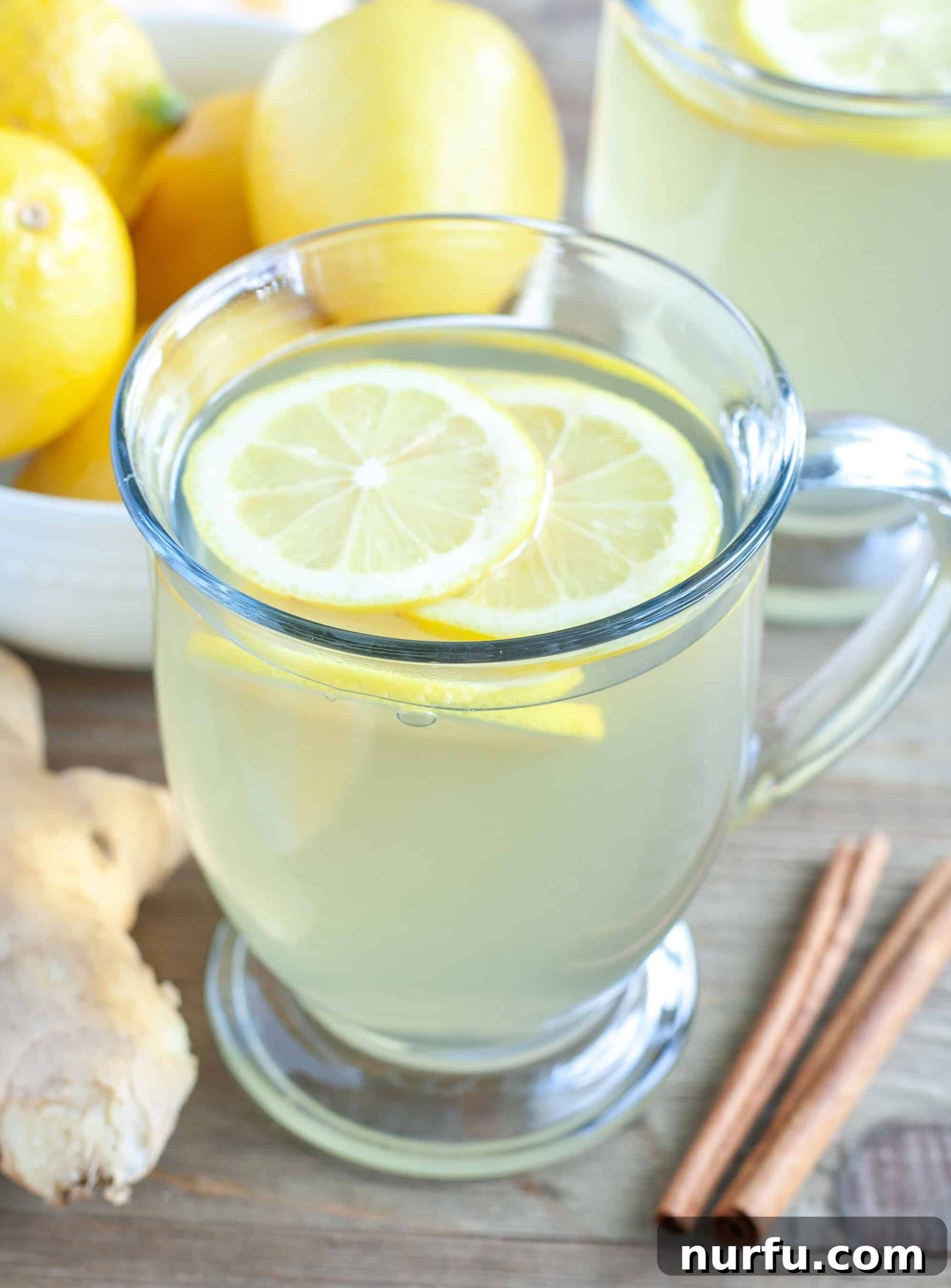
The Ultimate Guide to Homemade Ginger Tea: Benefits, Recipe & Variations
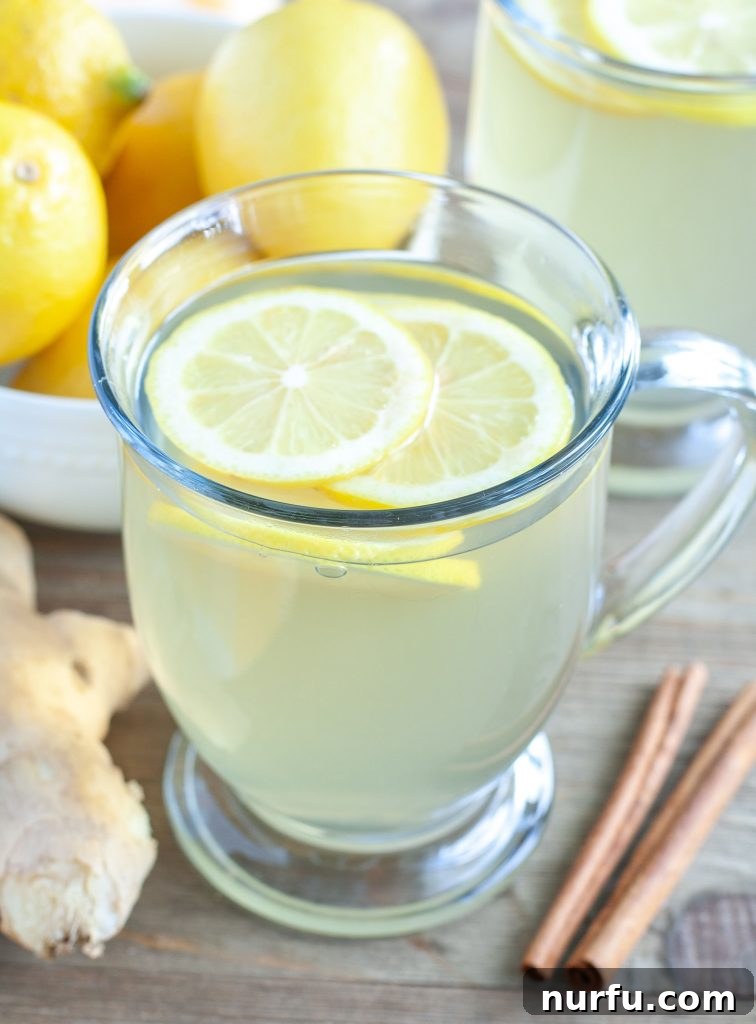
In the realm of natural remedies and comforting beverages, ginger tea stands out as a true superstar. This delightful hot drink, crafted from fresh ginger root and bright lemon, is not just a treat for your taste buds but a powerhouse of health benefits. From aiding digestion to boosting immunity, a cup of homemade ginger tea offers a simple yet profound way to nurture your well-being. It has quickly become a cherished part of my morning routine, and often a calming afternoon pick-me-up. Its invigorating blend of hot, spicy, and subtly sweet notes makes it irresistibly delicious and wonderfully refreshing.
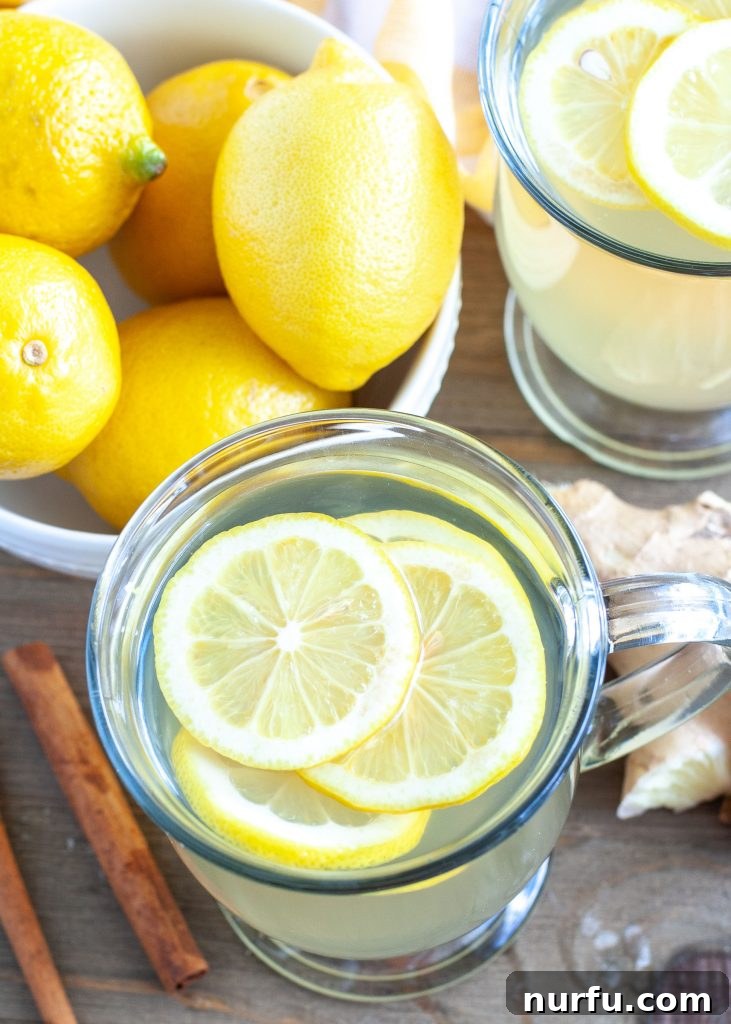
The Marvel of Ginger Root: A Timeless Elixir
Ginger, scientifically known as Zingiber officinale, is a flowering plant whose rhizome (underground stem) is widely used as a spice and a traditional medicine. Originating from Southeast Asia, ginger has been a staple in ancient Chinese and Indian medicine for thousands of years, celebrated for its potent medicinal properties and distinctive flavor. Its global popularity today is a testament to its versatility and effectiveness.
The magic behind ginger’s health benefits lies in its bioactive compounds, particularly gingerol. Gingerol is the main active compound in fresh ginger, responsible for much of its medicinal properties, including its anti-inflammatory and antioxidant effects. It also contributes to ginger’s pungent flavor and aroma. When ginger is cooked or dried, gingerol transforms into other compounds like shogaols, which also possess significant health benefits.
Unlocking the Health Benefits of Homemade Ginger Tea
Beyond its wonderful taste, drinking ginger tea regularly can contribute significantly to your overall health. Here’s a closer look at the remarkable benefits this humble root offers:
- Digestive Aid: Perhaps ginger’s most well-known benefit is its ability to soothe digestive discomfort. Ginger tea can alleviate nausea, motion sickness, morning sickness, and general indigestion. It helps speed up gastric emptying, which can reduce feelings of bloating and discomfort after eating.
- Immune System Booster: Especially beneficial during cold and flu season, ginger tea acts as a powerful immune stimulant. Its warming properties can help combat chills, while its anti-inflammatory compounds may help reduce symptoms like a sore throat and congestion.
- Anti-inflammatory Properties: The gingerols in ginger are potent anti-inflammatory agents. Regular consumption of ginger tea can help reduce inflammation throughout the body, making it a valuable natural remedy for conditions like arthritis, muscle soreness, and even menstrual cramps.
- Antioxidant Power: Ginger is packed with antioxidants that help protect your body from oxidative stress caused by free radicals. This can contribute to cellular health and potentially lower the risk of chronic diseases.
- Pain Relief: Studies suggest that ginger can be an effective natural pain reliever. It may help reduce muscle pain after exercise and can be particularly beneficial for alleviating menstrual pain and headaches.
- Circulatory Support: Ginger is known to promote healthy circulation, which can help warm the body and deliver essential nutrients more efficiently.
- Stress Reduction: The soothing aroma and warmth of ginger tea can have a calming effect on the body and mind, making it an excellent beverage for winding down after a stressful day.
Crafting Your Perfect Cup: The Easy Ginger Tea Recipe
Making your own fresh ginger tea is incredibly simple, requiring just a few basic ingredients and minimal effort. The beauty of homemade tea lies in the ability to control the strength and customize the flavors to your liking. Here’s how to brew a delightful and beneficial cup:
Ingredients:
- 1 large piece of fresh ginger root (about 2-3 inches)
- 5 cups of water
- 1 whole lemon (for juicing and slices)
- 2 teaspoons raw honey or agave nectar (optional, for sweetness)
- 1/8 teaspoon ground cinnamon (optional, for added spice)
Instructions:
- Prepare the Ginger: Start with a fresh, firm piece of ginger root. Using a vegetable peeler or the edge of a spoon, carefully peel off the tough outer skin. This ensures a clean flavor profile. Once peeled, slice the ginger into thin, coin-like pieces. Thinner slices will allow more flavor to be extracted during brewing.
- Simmer to Perfection: Place the sliced ginger into a medium saucepan. Add 5 cups of fresh water. Bring the water to a rolling boil over high heat, then immediately reduce the heat to low and let it simmer.
- Brewing for Flavor and Strength: Allow the ginger and water to simmer for at least 10 minutes. For a stronger, more pungent tea with enhanced medicinal properties, simmer for up to 30 minutes. The longer it simmers, the more concentrated and robust your tea will be.
- Strain and Serve: Carefully remove the saucepan from the heat. Using a fine-mesh strainer, strain the tea into individual mugs to remove all the ginger pieces. This ensures a smooth drinking experience.
- Customize and Enjoy: Into each mug, squeeze the juice of half a lemon. If desired, add a pinch of ground cinnamon and 1 teaspoon of raw honey or agave nectar for sweetness. Stir well until the sweetener is dissolved. Serve hot and savor the aromatic warmth.
This recipe yields approximately 2 large mugs of tea. You can easily double or triple the recipe to prepare a larger batch. Store any leftover ginger tea in an airtight container in the refrigerator for up to 3-4 days. It can be reheated or enjoyed cold.
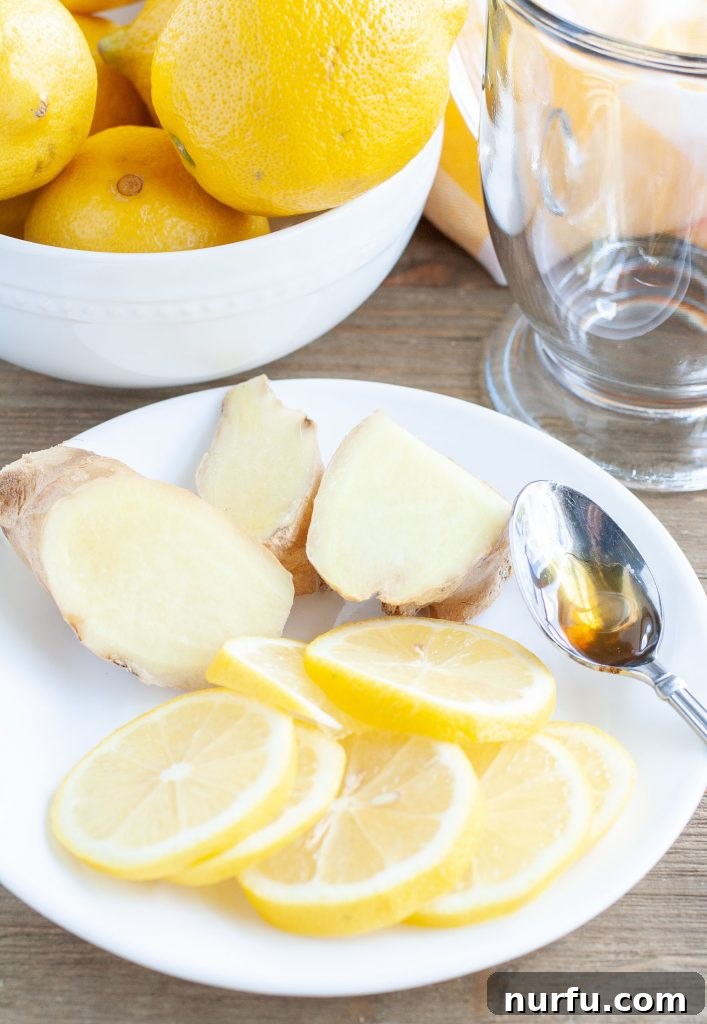
Expert Tips for Ginger Tea Perfection
To ensure your homemade ginger tea is always outstanding, consider these helpful tips:
- Ginger Selection and Storage: Always choose fresh ginger root that is firm, smooth, and free of blemishes. Store fresh ginger unpeeled in the refrigerator or freeze peeled ginger in an airtight freezer-safe bag for long-term use. This way, you always have ginger on hand for your tea.
- Peeling Made Easy: While a knife works, a vegetable peeler or even the edge of a spoon can effectively scrape off ginger skin, especially for irregular shapes, minimizing waste.
- Strength Control: The duration of simmering directly impacts the tea’s potency. If you prefer a milder flavor, simmer for a shorter period (10-15 minutes). For a stronger, spicier brew, extend the simmering time to 20-30 minutes or even longer.
- Enjoy It Your Way: Don’t limit yourself to hot tea! Let the brewed tea cool completely, then pour it over ice for an incredibly refreshing iced ginger tea. It’s a fantastic hydrating drink, especially on warmer days.
- Add a Flavor Twist: Experiment with additional ingredients during the brewing process. A few slices of apple or a cinnamon stick added to the boiling water can infuse your tea with delightful autumn flavors.
Exciting Variations to Elevate Your Ginger Tea
While classic ginger tea with lemon is wonderful, don’t hesitate to experiment with different additions to create unique flavor profiles:
- Maple Syrup: For a deeper, richer sweetness that complements ginger’s spice, try adding a touch of pure maple syrup instead of honey or agave.
- Fresh Mint: After brewing, drop a few fresh mint leaves into your mug. Mint adds a cooling, invigorating aroma and flavor that pairs beautifully with ginger, especially for an iced tea version.
- Apple Cinnamon Delight: For a cozy, spiced beverage, add a few thin apple slices and a cinnamon stick to the saucepan while the ginger is simmering. The flavors will meld together creating a comforting brew.
- Cayenne Pepper Kick: If you crave extra heat and a metabolism boost, add a tiny pinch of cayenne pepper to your mug. Start with a very small amount, as a little goes a long way.
- Turmeric Powerhouse: For an anti-inflammatory super-brew, add a thin slice of fresh turmeric root (peeled) along with the ginger. Turmeric has its own host of health benefits and a lovely earthy flavor. A pinch of black pepper can enhance turmeric absorption.
- Orange Zest: A few strips of orange zest (avoiding the white pith) can add a bright, fragrant citrus note during brewing.
- Cardamom Pods: Crush 1-2 green cardamom pods and add them to the simmering ginger for an exotic, aromatic twist often found in Middle Eastern and Indian teas.
Why Choose Homemade Ginger Tea Over Store-Bought?
While convenience can be tempting, making your ginger tea from scratch offers several advantages:
- Maximum Potency: Using fresh ginger ensures you’re getting the highest concentration of beneficial compounds like gingerol, which can be diminished in processed tea bags.
- Pure Ingredients: You have complete control over what goes into your cup, avoiding artificial flavors, preservatives, or excessive sugars often found in pre-packaged options.
- Cost-Effective: Fresh ginger root is an inexpensive ingredient that yields many servings of tea, making it a budget-friendly way to enjoy a healthy beverage.
- Customization: Adjust the strength, sweetness, and additional flavors exactly to your preference, something difficult to achieve with ready-made teas.
Whether you’re seeking a natural remedy for digestive woes, a boost for your immune system, or simply a delicious and warming drink, homemade ginger tea is an exceptional choice. Its ease of preparation and multitude of health benefits make it a valuable addition to any daily routine. Experiment with the tips and variations, and discover your perfect cup of this ancient elixir.
Explore More Refreshing & Healthy Recipes:
- Watermelon Detox Water – A delightful and hydrating infused water bursting with watermelon flavor.
- Rainbow Detox Water – A visually appealing and healthful infused water featuring a colorful array of fruits.
- Comforting Chicken Soup – A nourishing and flavorful soup that’s perfect for a light, comforting meal.
If you made this recipe, we’d love to hear your thoughts! Please consider leaving a star rating below to share your experience with others.
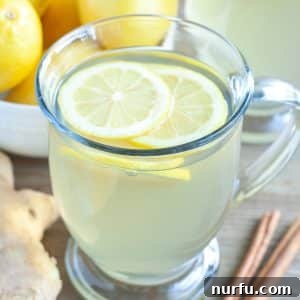
Ginger Tea Recipe
By Heather Seeley
A simple yet potent homemade ginger tea for wellness and comfort.
Prep Time: 5 mins
Cook Time: 30 mins
Total Time: 35 mins
Servings: 2
Ingredients
- 1 large fresh ginger root (about 2-3 inches)
- 1 whole lemon
- 5 cups water
- 2 teaspoons raw honey or agave nectar (optional)
- 1/8 teaspoon ground cinnamon (optional)
Instructions
- Peel the ginger root and cut it into thin slices. Place the ginger slices into a saucepan with 5 cups of water.
- Bring the water to a boil, then reduce the heat to low and simmer for 30 minutes.
- Strain the ginger pieces from the tea and pour the liquid into two mugs. Squeeze fresh lemon juice into each mug.
- If desired, add a pinch of cinnamon and 1 teaspoon of honey or agave nectar to each glass. Stir well and serve immediately.
Recipe Notes
- You can easily adjust the strength of the tea by simmering for a shorter (10-15 minutes for milder) or longer (up to 45 minutes for extra strong) duration.
- For a refreshing alternative, let the tea cool completely and pour it over ice.
- Store leftover brewed tea in the refrigerator for up to 3-4 days.
Nutrition (Approximate per serving)
Calories: 40kcal | Carbohydrates: 11g | Sodium: 33mg | Potassium: 74mg | Fiber: 1g | Sugar: 7g | Vitamin C: 28.6mg | Calcium: 33mg | Iron: 0.3mg
Nutrition information is automatically calculated and should be used as an approximation.
Additional Info
Course: Drinks
Cuisine: American
Liked this recipe? Share your thoughts in the comments below!