
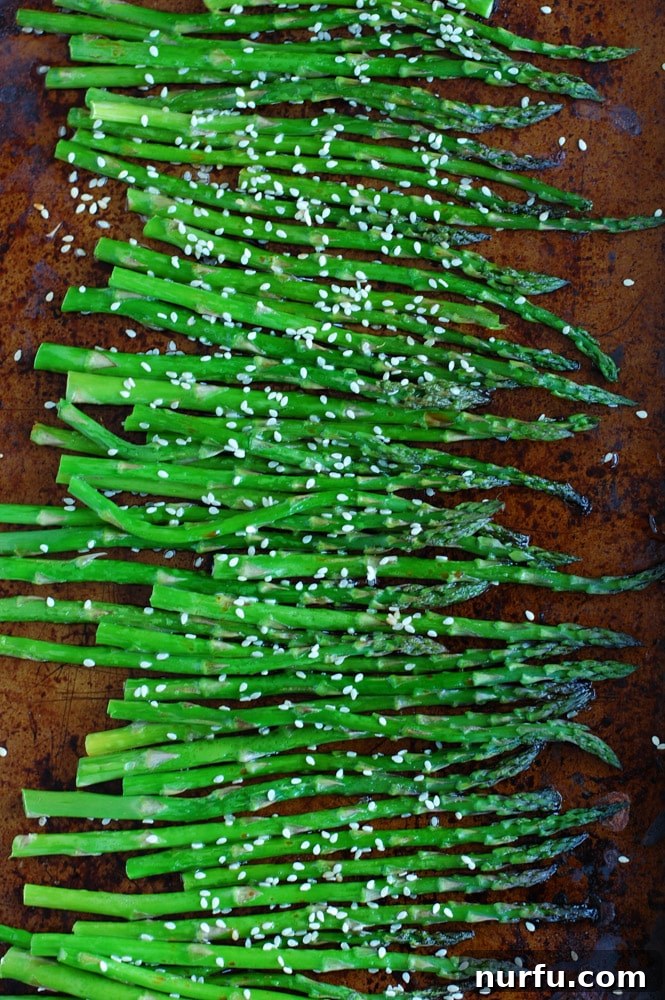
Roasted Asparagus with Soy Sauce and Honey: A Flavorful and Healthy Side Dish
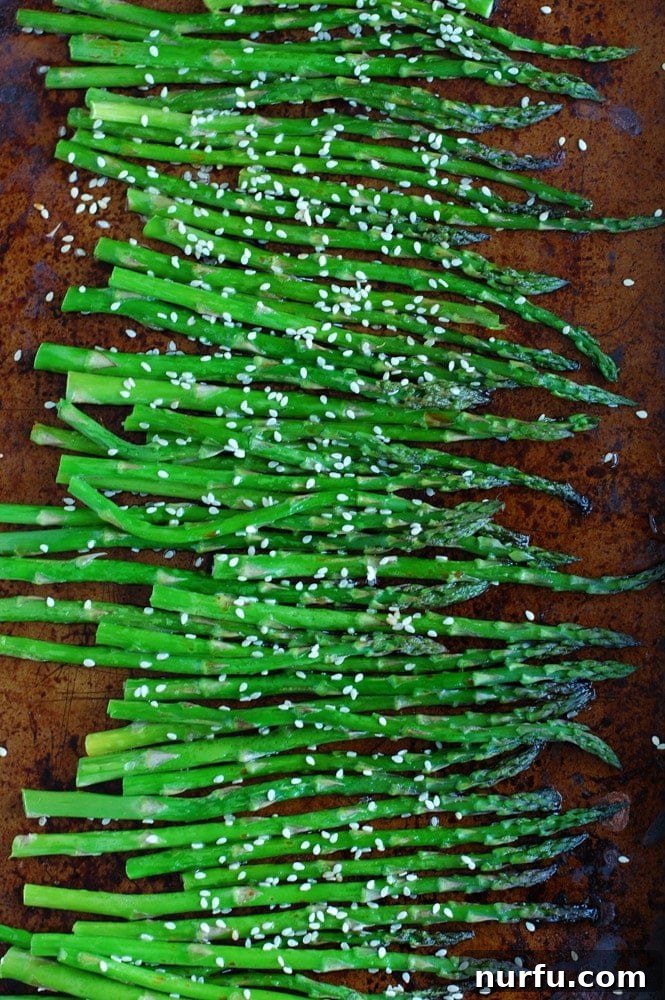
There’s a special joy that comes with the arrival of spring, and for many food lovers, that joy is epitomized by the vibrant green stalks of fresh asparagus gracing grocery store shelves. While some prefer the thick, robust spears, I find myself drawn to the young, slender asparagus, believing they offer a superior tenderness and a more delicate, crisp texture that truly celebrates the season. This time of year, when winter’s chill finally recedes, and the produce section bursts with color, is the perfect moment to indulge in simple, fresh, and incredibly flavorful dishes like this Roasted Asparagus with Soy Sauce and Honey. It’s a testament to how just a few quality ingredients can transform a humble vegetable into an unforgettable side dish.
This recipe is an absolute game-changer for anyone seeking a quick, healthy, and delicious accompaniment to any meal. Requiring only five basic ingredients and about 15 minutes of your time, it’s proof that gourmet flavors don’t have to be complicated. The magic truly happens when the natural sweetness of honey meets the savory depth of soy sauce, creating a perfectly balanced glaze that caramelizes beautifully as the asparagus roasts. Add a sprinkle of toasted sesame seeds for a hint of nutty crunch, and you have a side dish that’s not only visually appealing but also bursting with fresh, inviting flavors.
Whether you’re a seasoned chef or a kitchen novice, mastering how to roast asparagus is an essential skill, and this recipe offers an incredibly straightforward path. It’s ideal for weeknight dinners, holiday gatherings, or whenever you crave a fast, nutritious vegetable. Let’s dive into the simple steps that will have you enjoying this delightful dish in no time, alongside exploring the many benefits of incorporating this wonderful spring vegetable into your diet.
Mastering the Art of Roasting Asparagus
Roasting is arguably one of the best ways to prepare asparagus. It brings out its natural sweetness, creates a tender-crisp texture, and can be achieved with minimal effort. This particular recipe takes the simplicity of roasting and elevates it with an irresistible salty-sweet glaze.
Choosing and Preparing Your Asparagus
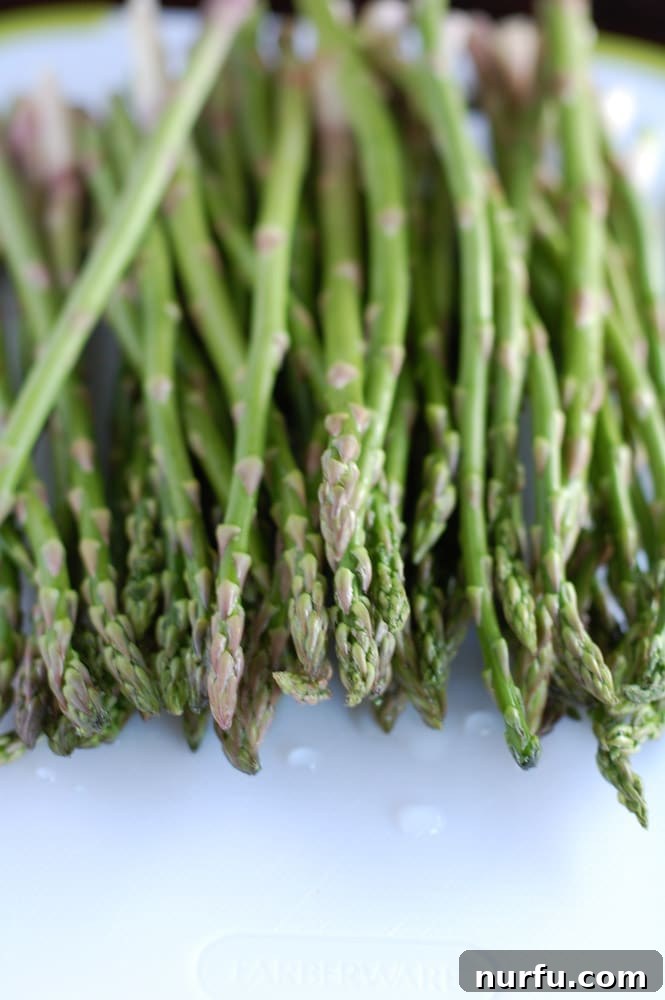
The first step to a successful dish is selecting fresh, high-quality asparagus. Look for bright green stalks with firm, tightly closed tips. Avoid any that appear wilted, dull, or have soft, open tips, as these are signs of age. While I personally adore skinny asparagus for its delicate texture, thicker spears work just as well in this recipe; they might just need an extra minute or two in the oven.
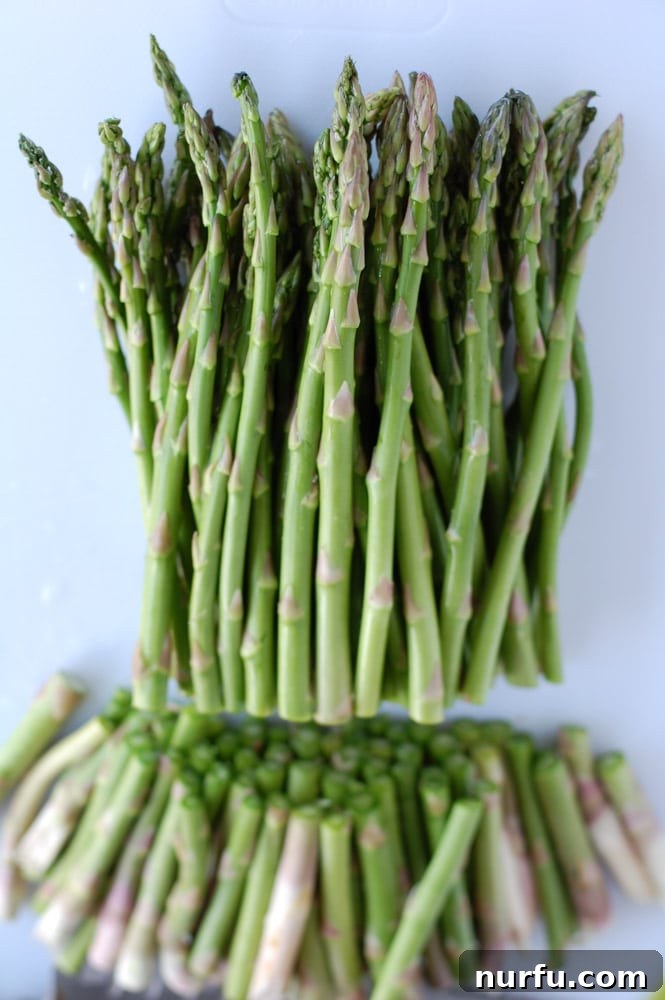
Before roasting, proper preparation is key. Begin by rinsing the asparagus under cool water to remove any dirt. The fibrous ends of asparagus can be tough and woody. To remove them, you can either snap them off (they’ll naturally break where the tough part ends) or simply cut about an inch or two from the bottom of each stalk. For a uniform look and even cooking, you can trim all stalks to roughly the same length. Pat them dry with a paper towel before proceeding; excess moisture can lead to steaming instead of roasting, preventing that desirable caramelization.
The Simple Roasting Process
- Preheat your oven to 400 degrees Fahrenheit (200 degrees Celsius). A hot oven is crucial for achieving that perfect tender-crisp texture without overcooking the asparagus.
- Arrange the prepared asparagus in a single layer on a baking sheet. Overcrowding the pan will also cause the asparagus to steam instead of roast, so use two baking sheets if necessary to ensure ample space between the stalks.
- Drizzle the asparagus with a tablespoon of good quality olive oil. Use your hands to gently toss the spears, ensuring they are evenly coated. This helps with browning and prevents sticking.
- In a small bowl, whisk together the low-sodium soy sauce and honey. Using low-sodium soy sauce allows you to control the saltiness better and ensures the honey’s sweetness isn’t overwhelmed. This harmonious blend creates a rich umami flavor with a touch of sweetness that makes this dish truly special.
- Pour the honey-soy mixture evenly over the asparagus on the baking sheet. Give it another gentle toss to distribute the glaze.
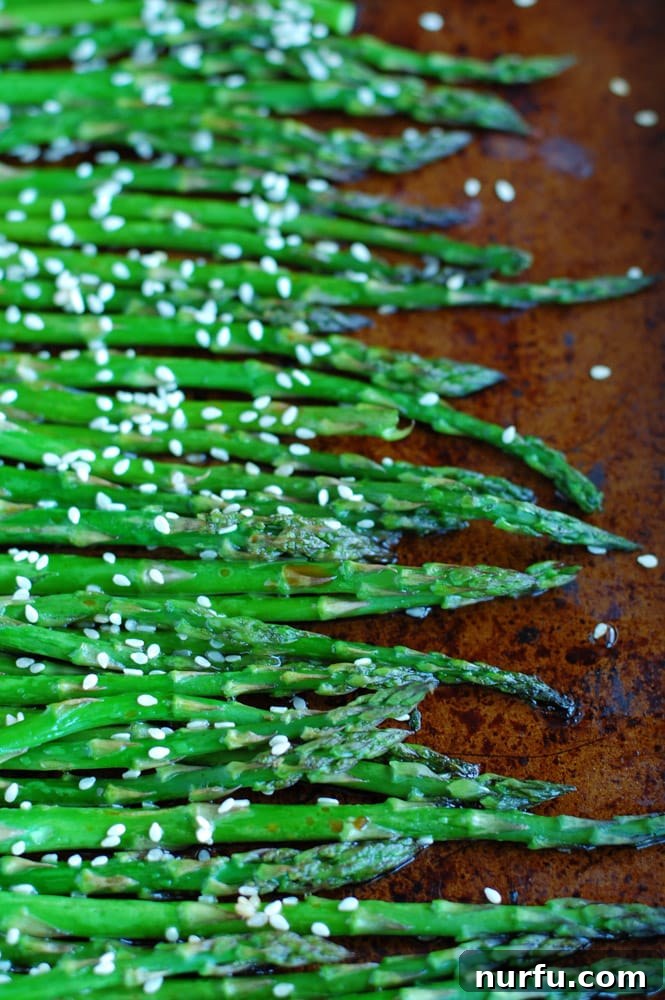
- Finally, sprinkle the sesame seeds over the glazed asparagus. These tiny seeds add a fantastic nutty aroma and a slight crunch once toasted.
- Bake for 10-12 minutes. The cooking time can vary slightly depending on the thickness of your asparagus and your oven. Keep an eye on them; you want them to be vibrant green, tender-crisp, and slightly caramelized at the edges. They should still have a slight bite to them, not be mushy.
- Serve immediately and enjoy this fresh, flavorful side dish!
This method ensures the asparagus retains its beautiful color and delightful crunch, while the honey-soy glaze creates an irresistible exterior that will have everyone asking for more. It’s a simple technique that yields impressive results every time.
The Abundant Health Benefits of Asparagus
Beyond its delicious taste, asparagus is a nutritional powerhouse, making it an excellent addition to a healthy diet. It’s low in calories, packed with essential vitamins and minerals, and boasts impressive antioxidant and anti-inflammatory properties. Here’s a closer look at what makes this spring vegetable so good for you:
- Rich in Anti-inflammatory and Antioxidant Properties: Asparagus is loaded with antioxidants like glutathione, vitamin C, vitamin E, and beta-carotene, which help protect your cells from damage caused by free radicals. Its anti-inflammatory compounds, including saponins and flavonoids, can help reduce chronic inflammation in the body, potentially lowering the risk of various diseases.
- High in Essential Nutrients: This green spear is a fantastic source of several vital nutrients. It’s particularly high in:
- Folic Acid (Vitamin B9): Crucial for cell growth and DNA formation, folic acid is especially important for pregnant women to prevent birth defects.
- Fiber: Both soluble and insoluble fiber are present in asparagus, aiding in digestion, promoting satiety, and helping to regulate blood sugar levels.
- Potassium: An important electrolyte that helps maintain fluid balance, nerve signals, and muscle contractions, and supports healthy blood pressure.
- Vitamins A and C: Vitamin A is vital for vision, immune function, and skin health, while Vitamin C is a powerful antioxidant that supports the immune system and collagen production.
- Vitamin K: Essential for blood clotting and bone health.
- Supports Heart, Bone, and Digestive Health: The fiber content in asparagus promotes a healthy digestive system by supporting beneficial gut bacteria and preventing constipation. Its potassium and vitamin K contribute to cardiovascular health by helping to manage blood pressure and ensuring proper blood clotting. Furthermore, the combination of vitamin K and calcium found in asparagus plays a significant role in maintaining strong and healthy bones.
With such a comprehensive nutritional profile, it’s clear why asparagus is celebrated not just for its taste, but for its profound impact on overall well-being. Adding it to your meals is a simple way to boost your nutrient intake and support various bodily functions.
Recognizing When Asparagus Has Gone Bad
To enjoy asparagus at its best, it’s important to know how to identify when it’s no longer fresh. Proper storage can extend its life, but even then, it has a limited shelf life. Asparagus typically stays fresh for approximately 5-7 days when stored correctly in the refrigerator. Here are the key signs to look for:
- Darkened, Almost Black Tips: The freshest asparagus will have bright green, tightly closed tips. As it starts to spoil, the tips will begin to darken, often turning a dark green or even black color, and may look shriveled.
- Soft and Mushy Stalks/Tips: Fresh asparagus spears are firm and snap easily. If the stalks feel soft, slimy, or mushy to the touch, particularly at the tips, it’s a clear indication that they are past their prime.
- Foul Odor: Fresh asparagus has a mild, earthy scent. If you notice a strong, unpleasant, or sulfuric odor, similar to rotten cabbage, it’s definitely time to discard it.
- Slimy Coating: A slimy film on the stalks is a definitive sign of spoilage due to bacterial growth.
To maximize freshness, store asparagus upright in a jar with an inch or two of water at the bottom, covering the tips loosely with a plastic bag, and refrigerate. This method helps keep the spears hydrated and extends their crispness for several extra days.
Serving Suggestions and Recipe Variations
This Roasted Asparagus with Soy Sauce and Honey is a versatile side dish that complements a wide array of main courses. Its balanced salty and sweet profile makes it a fantastic partner for grilled meats like chicken, steak, or pork. It also pairs beautifully with pan-seared or baked fish, adding a fresh, green element to lighter meals. For a vegetarian option, serve it alongside quinoa, brown rice, or a hearty lentil salad. You can even chop it and toss it into a fresh spring pasta dish for added flavor and nutrition.
While the classic recipe is perfect as is, feel free to experiment with slight variations to suit your taste:
- Garlic Lover’s Twist: Add a teaspoon of minced garlic to the olive oil before tossing with the asparagus for an extra aromatic kick.
- Spicy Edge: A pinch of red pepper flakes mixed into the honey-soy glaze will introduce a subtle heat that beautifully contrasts the sweetness.
- Citrus Brightness: A squeeze of fresh lemon juice over the roasted asparagus just before serving can add a refreshing zest.
- Balsamic Glaze: For a different depth of flavor, you can substitute part of the soy sauce with balsamic glaze, creating a more tangy and rich profile.
- Ginger Infusion: Add a small amount of grated fresh ginger to the honey-soy mixture for an exotic, warming note.
No matter how you choose to serve it or adapt it, this asparagus recipe is bound to become a staple in your kitchen. It’s so quick to prepare and incredibly satisfying that you might find yourself, like my husband and I, finishing off an entire batch between just two people!
If you are looking for a quick and simple side dish full of flavor, this roasted asparagus is an absolute winner. It’s a delightful way to enjoy a healthy vegetable and impress your family and friends with minimal effort. Give it a try – you won’t be disappointed!
More Delicious Side Dish Recipes to Explore:
- Loaded Ranch Mashed Potatoes
- Savory Cheese Pie
- Deviled Spinach
- Hearty Hash Brown Casserole
Roasted Asparagus with Soy Sauce and Honey
By Heather Seeley
Roasted Asparagus with Soy Sauce and Honey is a quick side with only 5 ingredients.
Prep Time: 5 mins
Cook Time: 15 mins
Total Time: 20 mins
Servings: 4
Ingredients
- 1 pound fresh asparagus
- 1 tablespoon olive oil
- 2 tablespoons low sodium soy sauce
- 2 tablespoons honey
- 1 teaspoon sesame seeds
Instructions
- Preheat oven to 400 degrees F. Place asparagus in a single layer on a baking sheet. Toss in olive oil.
- In a small bowl combine soy sauce and honey. Drizzle over asparagus. Sprinkle sesame seeds on top of asparagus.
- Bake for 10-15 minutes and serve immediately.
Nutrition
Calories: 92kcal | Carbohydrates: 13g | Protein: 3g | Fat: 3g | Sodium: 269mg | Potassium: 243mg | Fiber: 2g | Sugar: 10g | Vitamin A: 855IU | Vitamin C: 6.4mg | Calcium: 32mg | Iron: 2.7mg
Nutrition information is automatically calculated, so should only be used as an approximation.
Additional Info
Course: Side Dish
Cuisine: American