
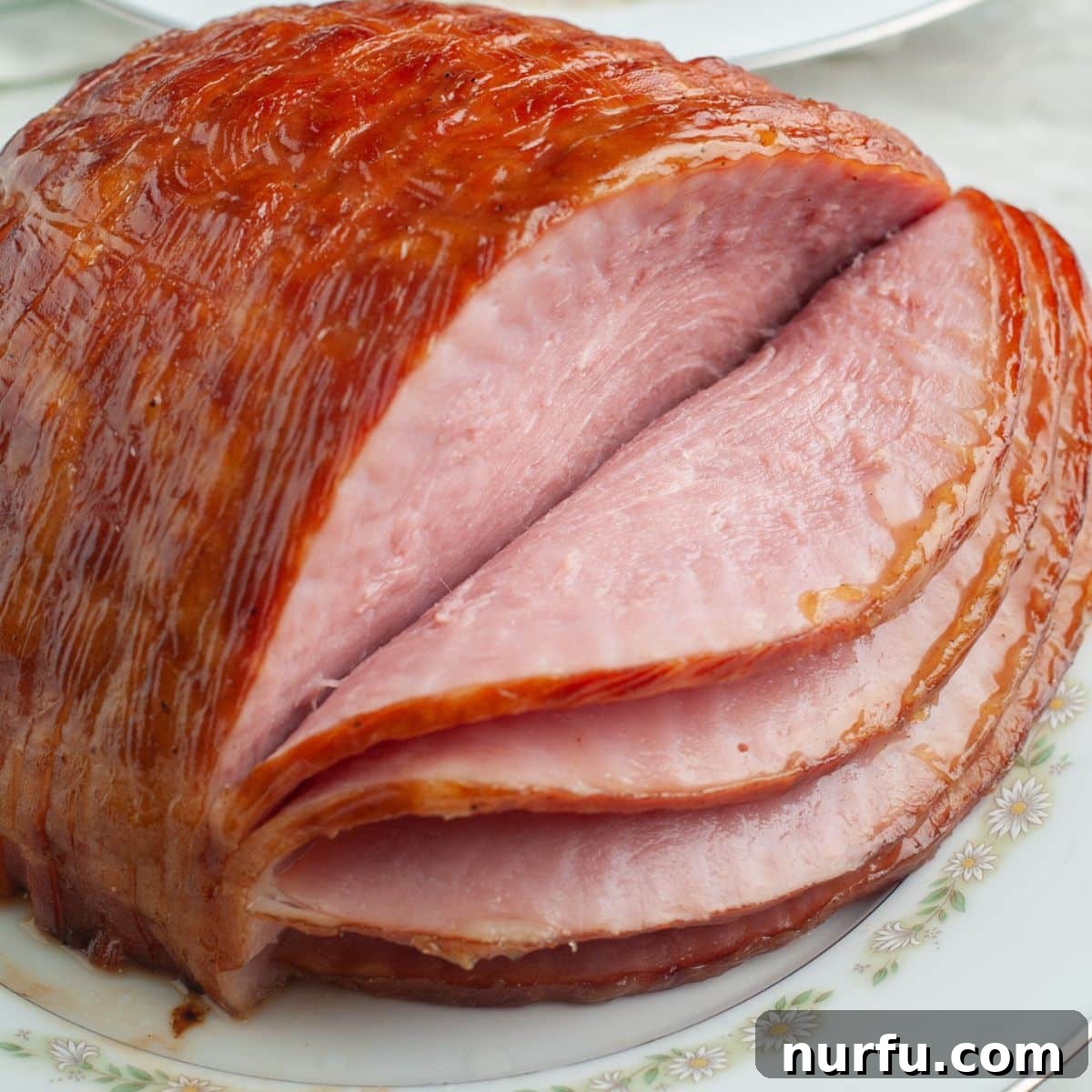
Baked ham is a beloved culinary centerpiece, perfect for adding a touch of elegance to holiday feasts, family gatherings, or even as a versatile protein for weeknight meals. Its rich flavor and tender texture make it a popular choice, and with the right techniques, achieving a perfectly cooked ham is simpler than you might imagine. This comprehensive guide will walk you through everything you need to know about how long to bake ham, whether you’re working with a fresh, pre-cooked, spiral-cut, or even frozen ham. We’ll delve into ideal cooking temperatures, crucial internal doneness, and essential tips to ensure your ham turns out moist, flavorful, and absolutely delicious every time.
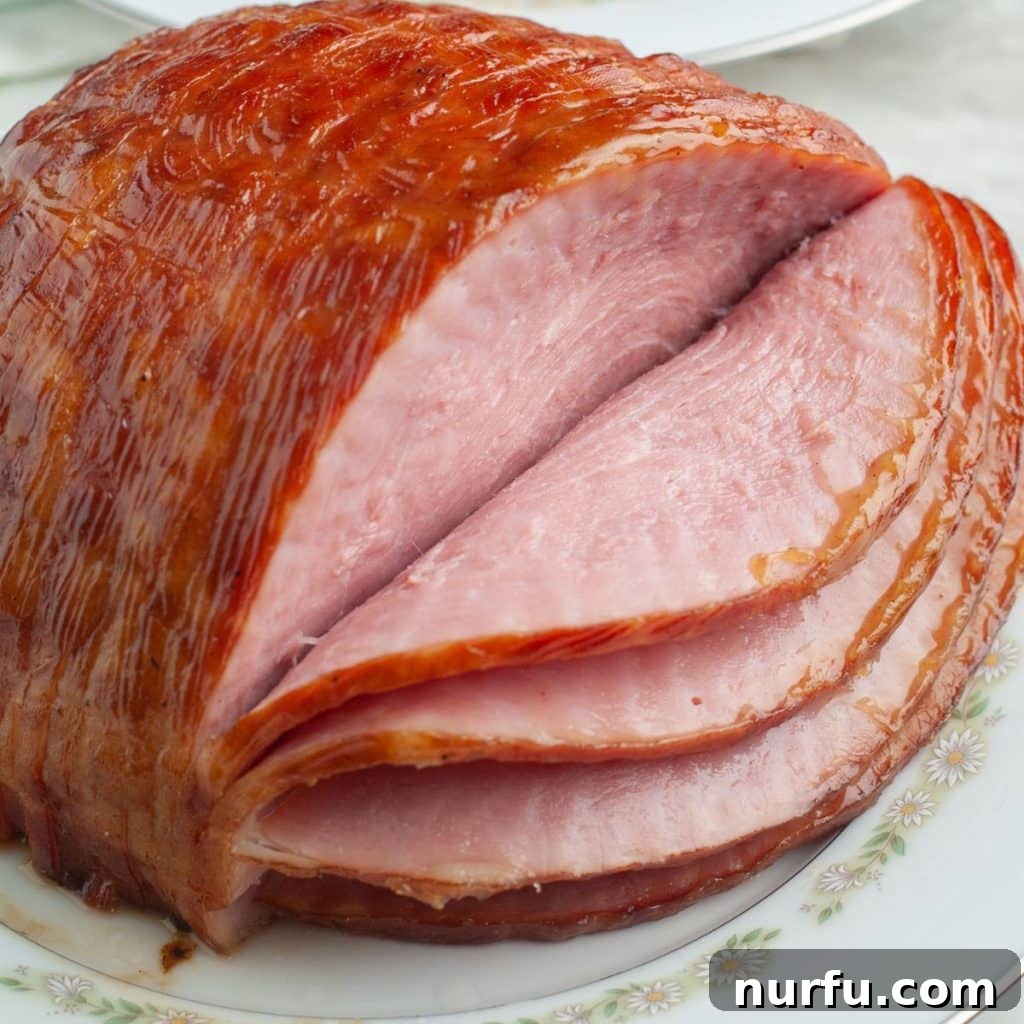
While baked ham often graces our tables during special occasions like Easter, Christmas, or New Year’s, its ease of preparation and incredible versatility mean it doesn’t have to be limited to holidays. A single ham can provide a fantastic foundation for a week’s worth of diverse and delicious meals. Imagine transforming succulent ham leftovers into hearty dishes such as a comforting farmer’s casserole or a classic ham salad sandwich spread. Embracing ham for everyday cooking not only minimizes food waste but also opens up a world of culinary possibilities, making it a smart and satisfying choice for any home cook.
Table of Contents
- Understanding Your Ham Selection
- The Ultimate Guide: How Long to Bake Ham in the Oven
- Baking a Ham from Frozen
- Pro Tips for a Perfectly Baked Ham
- Storing and Repurposing Leftover Ham
- What to Serve with Baked Ham
- Optimal Baking Temperature: 325 F or 350 F?
- Determining Ham Serving Sizes Per Person
- Explore More Easy Pork Recipes
Understanding Your Ham Selection
Successfully baking a ham begins with understanding the type of ham you’ve purchased. This crucial step dictates both the internal temperature your ham needs to reach and the overall cooking time. Before you even preheat your oven, consider these key factors:
- **Bone-in or Boneless Ham:** Bone-in hams often offer richer flavor and a more dramatic presentation, while boneless hams are incredibly convenient for carving. The bone acts as an insulator, meaning bone-in hams may take slightly longer to cook per pound compared to their boneless counterparts.
- **Fresh, Pre-cooked, or Frozen Ham:** This is the most critical distinction. Each type has different requirements for safe and delicious results.
Most hams available in grocery stores are either smoked or cured, which means they have been partially or fully cooked. The ham’s packaging is your best friend here, as it will clearly state if the ham is “fully cooked” or “uncooked” and will often provide recommended cooking instructions and target internal temperatures. Always refer to the package for the most accurate information specific to your product.
For **fully cooked hams** (often labeled as “city hams” or “spiral-sliced hams”), the goal is to simply reheat them thoroughly without drying them out. They should reach an **internal temperature of 140 degrees F** (60 degrees C). On the other hand, **fresh, uncooked hams** (which are essentially raw pork roasts) require more extensive cooking to ensure food safety. These hams need to reach a higher **internal temperature of 145 degrees F** (63 degrees C) with a 3-minute rest time. Using a reliable meat thermometer is absolutely essential for verifying these temperatures and ensuring your ham is perfectly cooked and safe to eat.
The Ultimate Guide: How Long to Bake Ham in the Oven
Baking a ham to tender, juicy perfection is all about precise timing and temperature control. The general recommendation is to bake ham at 325 degrees F (160 degrees C). This lower temperature allows the ham to heat through gently and evenly, preventing it from drying out while ensuring optimal flavor development. The cooking time will primarily depend on whether your ham is uncooked, fully cooked, or frozen, as well as its weight in pounds. Refer to the table below for approximate baking times:
| Ham Type | Approximate Minutes Per Pound (at 325°F / 160°C) |
| Uncooked Ham (Fresh Ham) | 20-25 minutes per pound |
| Fully Cooked Ham | 10-15 minutes per pound |
| Frozen Ham (from frozen, not thawed) | 30-35 minutes per pound |
Follow these simple steps for a perfectly baked ham:
Step One: Identify Your Ham. Begin by confirming the type of ham you have. Is it a fully cooked ham that only needs reheating, a fresh (uncooked) ham that requires thorough cooking, or a frozen ham that will take extra time? This initial identification is crucial for determining the correct internal temperature and total baking time.
Step Two: Preheat Your Oven. Set your oven to the recommended temperature of 325 degrees F (160 degrees C). Allowing your oven to fully preheat ensures that the ham cooks evenly from the moment it enters the oven.
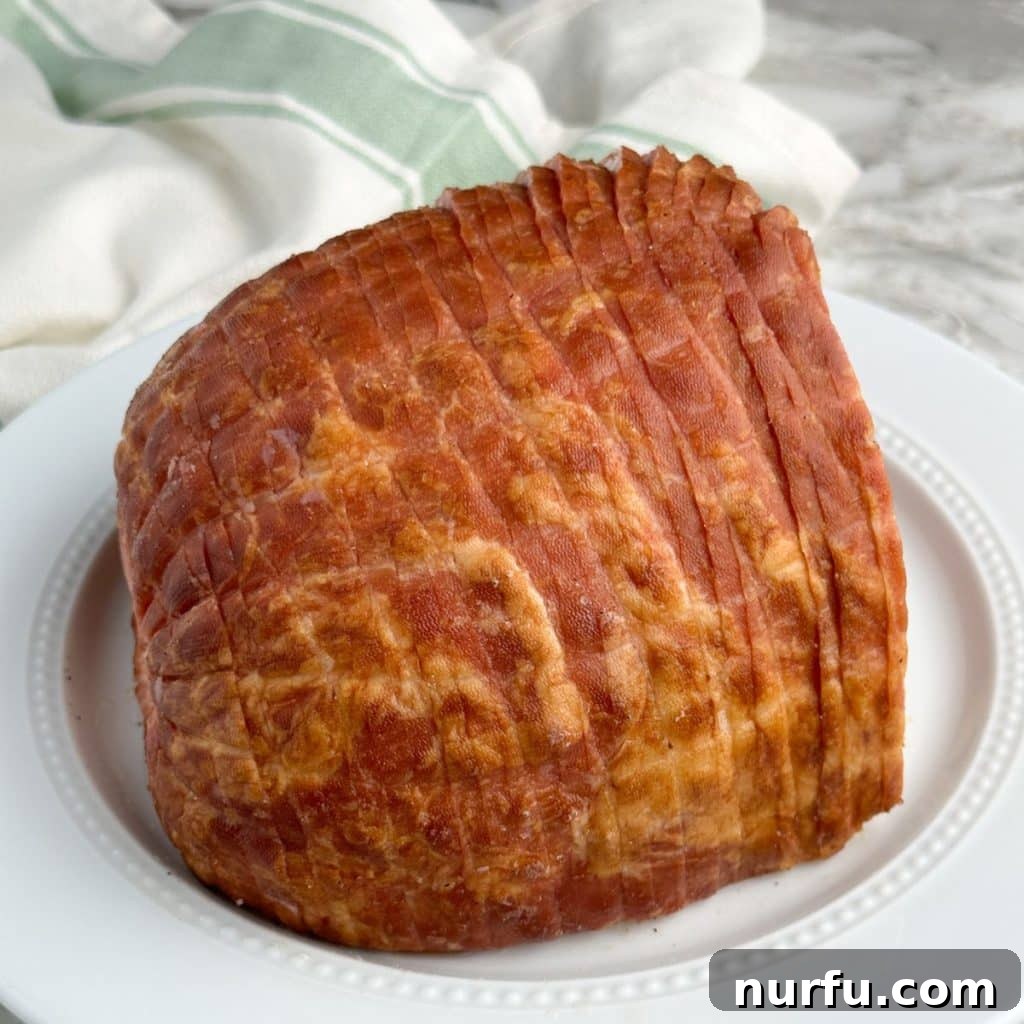
Step Three: Prepare the Ham for Baking. Carefully remove the ham from its packaging. If your ham has a plastic netting, be sure to remove it before baking. Some hams, particularly those that are bone-in, may have a small plastic disc near the bone; always remove this. Place the ham in a shallow roasting pan or baking dish, ideally with the cut side facing down to retain moisture. To help keep the ham from drying out during the baking process, cover the entire ham loosely but completely with aluminum foil. For added flavor and moisture, you can pour a cup of water, chicken broth, or even pineapple juice into the bottom of the roasting pan before covering.
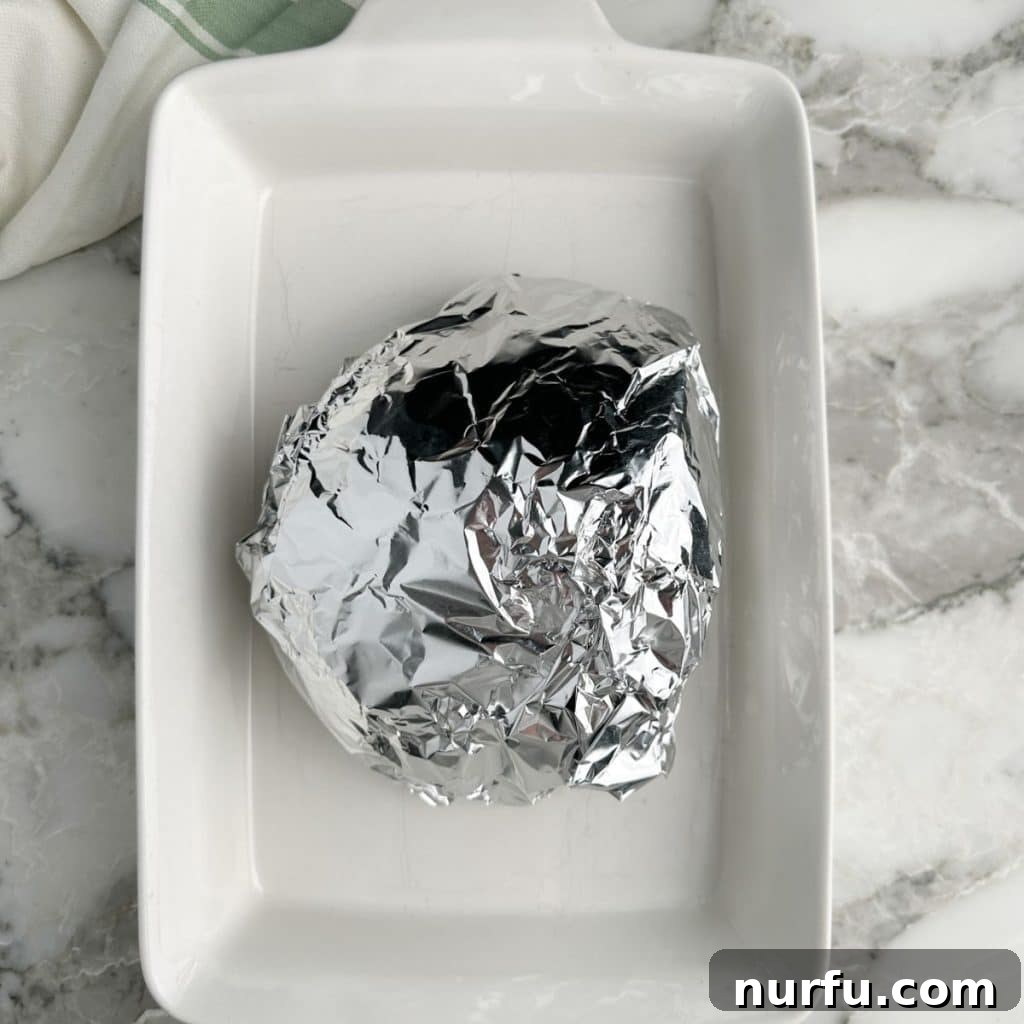
Step Four: Bake the Ham. Using the weight of your ham and the recommended minutes per pound from the table above, calculate the estimated baking time. Place the prepared ham in your preheated oven. Begin checking the internal temperature with a meat thermometer about an hour before the estimated finish time to gauge its progress. For fully cooked hams, aim for 140°F; for uncooked hams, target 145°F with a 3-minute rest.
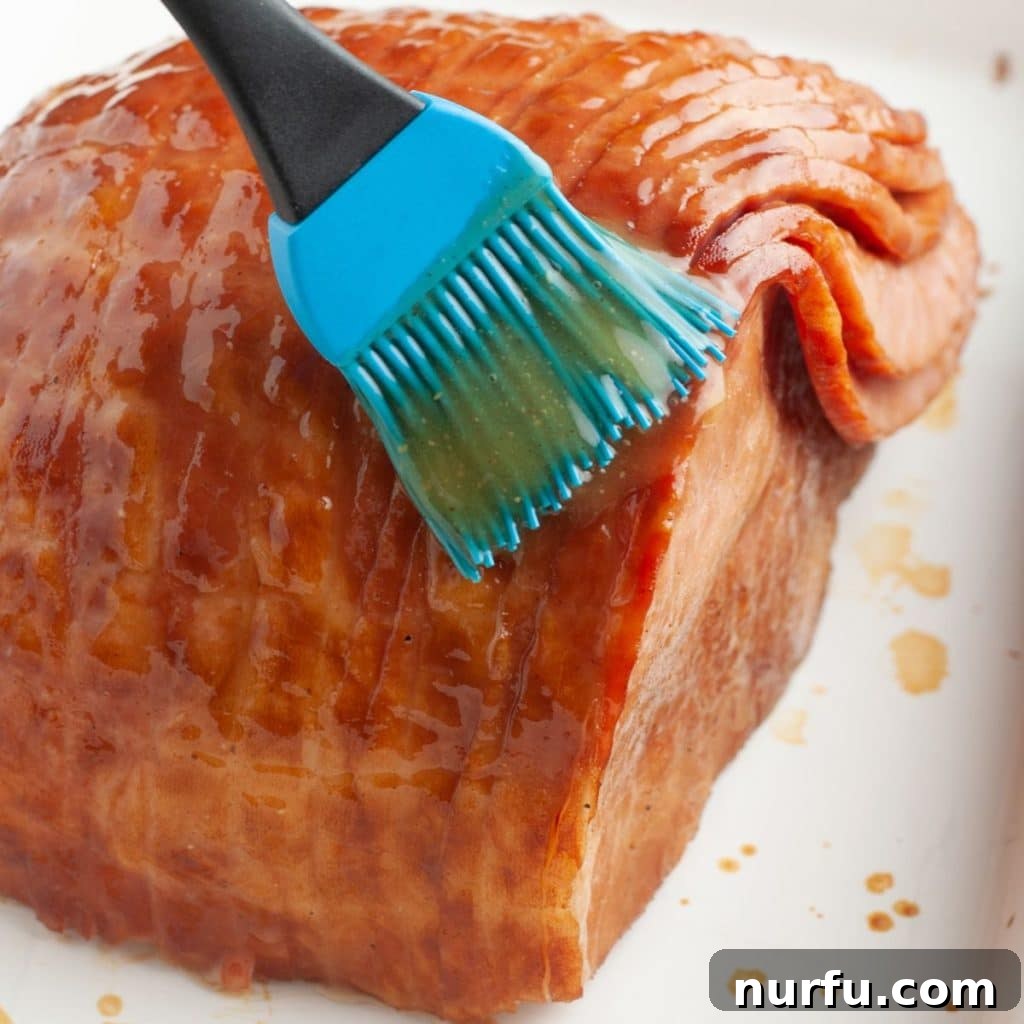
Step Five: Glaze and Rest. If you plan to apply a glaze, do so during the final stage of baking. About 15-20 minutes before the ham is fully cooked, carefully remove the foil and increase the oven temperature to 400-425 degrees F (200-220 degrees C). Brush your desired glaze generously over the ham. This higher temperature will allow the glaze to caramelize beautifully, forming a delicious, slightly crispy crust. Return the ham to the oven for the remaining 15-20 minutes, or until the glaze is bubbly and caramelized. Once cooked, remove the ham from the oven, cover it loosely with foil, and let it rest for at least 10-15 minutes before carving. This resting period is crucial as it allows the juices to redistribute throughout the meat, ensuring a moist and tender ham.
Baking a Ham from Frozen
While it’s always recommended to thaw your ham in the refrigerator before baking for the most even cooking and best texture, sometimes time constraints mean you need to cook a frozen ham. If baking from a fully frozen state, your ham will require significantly more cooking time. Expect a frozen ham to take approximately **30-35 minutes per pound** to bake at 325 degrees F (160 degrees C). This extended cooking duration is necessary for the ham to thaw and then cook through completely. Ensure you use a reliable meat thermometer to confirm it reaches the safe internal temperature of 140 degrees F (60 degrees C) for fully cooked hams. Be patient, as the total cooking time can be up to 50% longer than for a thawed ham.
Pro Tips for a Perfectly Baked Ham
- **Inspect for Plastic:** Some hams, particularly those with a bone, may contain a small plastic disk or bone guard. Always double-check the ham and remove any such items before baking.
- **Cover for Moisture:** To prevent your ham from drying out during the long baking process, it’s an excellent idea to cover it with aluminum foil for the majority of the cooking time. This seals in moisture, ensuring a tender and juicy result. Remove the foil only for the last 15-20 minutes if you plan to glaze the ham.
- **The Power of a Meat Thermometer:** This is perhaps the most important tool for baking ham. An instant-read meat thermometer ensures your ham reaches the proper internal temperature, guaranteeing both food safety and preventing overcooking. For fully cooked hams, aim for 140 degrees F (60 degrees C). For uncooked (fresh) hams, target 145 degrees F (63 degrees C) with a three-minute rest. Insert the thermometer into the thickest part of the ham, avoiding any bone.
- **Maximize Glaze Flavor:** If you’re using a delicious ham glaze for extra flavor and a beautiful finish, consider scoring the surface of the ham in a diamond pattern before applying the glaze. This creates small channels that allow the glaze to seep into the meat, infusing every bite with deliciousness.
- **Room Temperature Start (Optional for Fully Cooked):** For more even cooking, especially with larger hams, allow a fully cooked ham to sit at room temperature for 1-2 hours before baking. This takes the chill off and reduces overall oven time.
- **Don’t Forget to Rest:** After baking, let your ham rest, loosely tented with foil, for at least 10-15 minutes before carving. This critical step allows the juices to redistribute throughout the meat, ensuring a more tender and moist ham.
Storing and Repurposing Leftover Ham
A large ham often means delicious leftovers, and knowing how to store them properly is key to enjoying them for days to come.
Storing in the Refrigerator: Once your ham has cooled to room temperature (within two hours of cooking), transfer any leftover portions to an airtight container. Refrigerate promptly, and the ham will remain fresh and safe to eat for 4-5 days. For best quality, slice the ham into individual portions before storing, making it easier to grab and reheat.
Freezing Leftover Ham: Leftover ham freezes beautifully, allowing you to extend its shelf life for several months. To freeze, portion the ham into desired sizes (slices, chunks, or diced for recipes) and place them in freezer-safe bags or containers. Remove as much air as possible to prevent freezer burn. You can typically freeze ham for 2-3 months without a significant loss in quality. Thaw frozen ham in the refrigerator overnight before reheating or incorporating into recipes.
What to Serve with Baked Ham
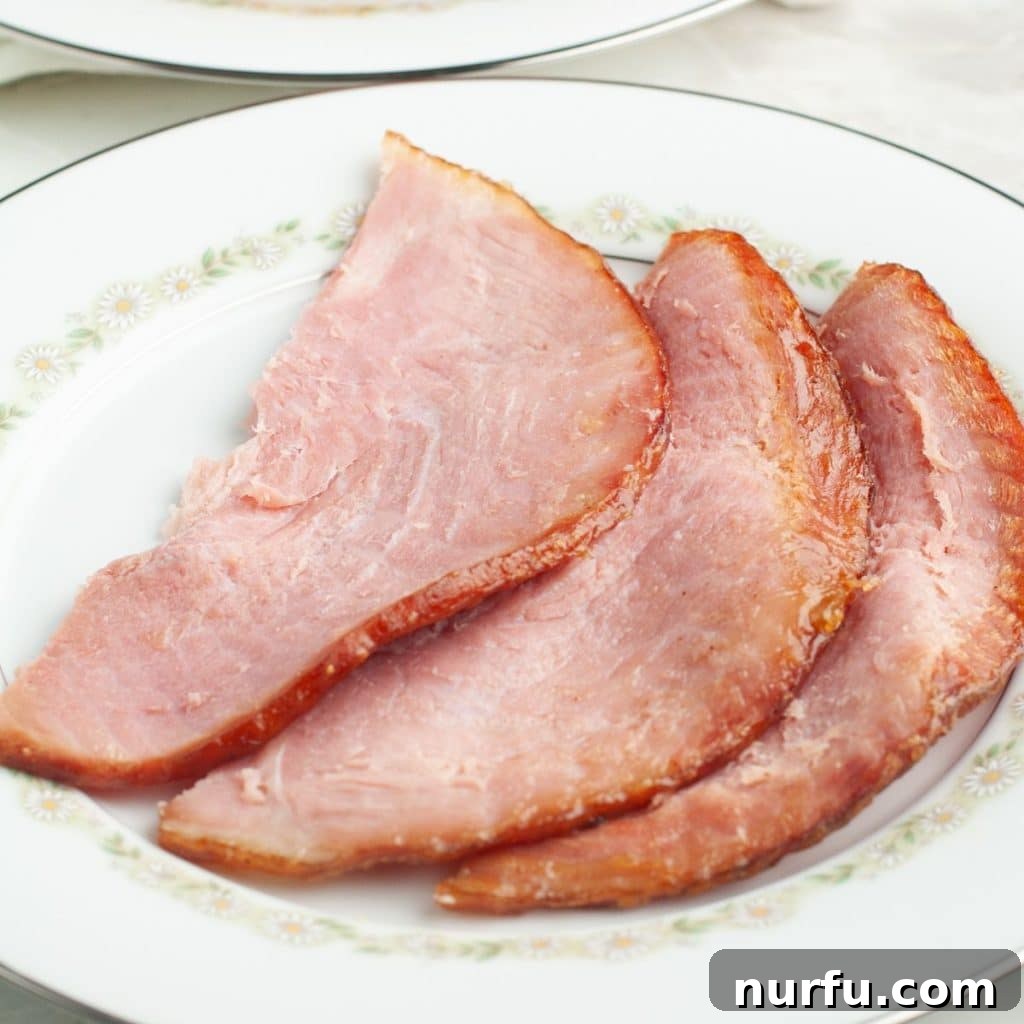
A beautifully baked ham pairs wonderfully with a wide array of side dishes, offering a chance to create a balanced and memorable meal. From comforting classics to fresh salads, the options are endless. In fact, there are so many fantastic choices that we’ve compiled a list of 37 side dishes for ham to inspire you. Some all-time favorites that perfectly complement a rich glazed ham include:
- **Classic Baked Stuffing:** A savory and aromatic complement that soaks up all the delicious ham juices.
- **Creamy Macaroni and Cheese:** The ultimate comfort food, its rich cheesiness balances the ham’s savory notes.
- **Hearty Party Potatoes:** Often a cheesy or creamy potato dish, perfect for a gathering.
- **Refreshing Pea Salad:** A light and crisp salad providing a lovely contrast to the richness of the ham.
- **Sweet Pineapple Casserole:** The sweet and tangy notes of pineapple perfectly echo and enhance many popular ham glazes.
Consider also serving roasted vegetables like asparagus or green beans, mashed potatoes with gravy, or a simple garden salad for a complete and satisfying meal.
Optimal Baking Temperature: 325 F or 350 F?
When it comes to baking ham, the debate often arises: 325 F or 350 F? For the most consistently moist and tender results, **325 degrees F (160 degrees C) is the widely recommended cooking temperature for ham.** This moderate temperature ensures that the ham heats slowly and evenly, preventing the outer layers from drying out or becoming tough before the interior reaches the desired temperature. It also minimizes the risk of burning any applied glaze. While you *can* bake ham at 350 degrees F (175 degrees C), be aware that the cook time will be slightly shorter, typically around 10-12 minutes per pound for fully cooked ham. However, using a higher temperature increases the chance of a drier ham, especially if not monitored closely. Stick to 325 F for peace of mind and superior moisture retention.
Determining Ham Serving Sizes Per Person
Planning your ham purchase is essential, especially when entertaining. A good rule of thumb is to calculate approximately **1/2 to 3/4 pound of ham per person**. This estimate accounts for a generous serving and usually leaves a little room for potential leftovers, which are always a welcome bonus!
- **Whole Ham:** A large, whole ham can typically feed anywhere from 20 to 30 people, depending on its size (often 10-15 pounds or more) and the appetites of your guests.
- **Half Ham:** A half ham is a great option for smaller gatherings, comfortably serving 10-12 people.
If you specifically want plenty of leftovers for future meals, it’s wise to lean towards the higher end of the estimate (3/4 pound per person) or even slightly more.
Explore More Easy Pork Recipes
If you enjoyed baking this ham, you might be interested in exploring other delicious and easy-to-make pork dishes:
- **Oven Baked Pork Tenderloin:** A straightforward recipe for tender and flavorful pork tenderloin cooked in the oven.
- **Perfectly Cooked Thin Pork Chops:** Learn the best techniques for preparing juicy and delicious thin-cut pork chops without drying them out.
- **Creative Leftover Pulled Pork Recipes:** Discover a variety of inventive ways to transform your leftover pulled pork into exciting new meals.
- **Hearty Pulled Pork Mac and Cheese:** A delightful and easy-to-assemble casserole combining two comforting favorites.
We hope this guide helps you achieve the best baked ham ever! Feel free to share your experiences and any special tips in the comments below.
How Long To Bake Ham
Heather Seeley
5
2
2
5
8
Pin Recipe
Rate Recipe
Print Recipe
Ingredients
- 1 8-9 pound spiral ham
- 1 cup pineapple juice
- 3/4 cup brown sugar
- 1 1/2 tablespoons corn starch
- 2 tablespoons unsalted butter
- 1 tablespoon Dijon mustard
- 1/2 teaspoon garlic powder
- 1/8 teaspoon ground cloves
- 1/8 teaspoon cinnamon
- 1/4 teaspoon ground black pepper
Instructions
Ham
-
Preheat the oven to 325 degrees F (160 degrees C).
-
Remove the wrapping from the ham. If there is netting, be sure to remove it. Cover the whole ham with aluminum foil. Place the ham in a roasting pan or baking dish, cut side down.
-
Determine how long you should bake the ham by its weight and the recommended minutes per pound (refer to the table above). Bake until the internal temperature reaches 140°F for fully cooked ham or 145°F for uncooked ham.
-
Increase the oven temperature to 425 degrees F (220 degrees C). Carefully unwrap the ham. If you are using a glaze, spread it generously on the ham and bake for another 15-20 minutes, or until the glaze is caramelized.
-
Let the ham rest for 10 minutes before slicing and serving to allow juices to redistribute.
Glaze
-
Place the pineapple juice, brown sugar, butter, corn starch, mustard, ground cloves, cinnamon, garlic powder, and pepper in a small saucepan.
-
Stir the mixture and heat over medium heat until it begins to bubble and thickens slightly.
-
Remove from heat. This glaze is now ready to be brushed onto your ham during the final baking stage.
Notes
- 20-25 minutes per pound for uncooked ham.
- 10-15 minutes per pound for a fully cooked ham.
Nutrition
Calories:
127
kcal
|
Carbohydrates:
26
g
|
Protein:
0.3
g
|
Fat:
3
g
|
Saturated Fat:
2
g
|
Polyunsaturated Fat:
0.1
g
|
Monounsaturated Fat:
1
g
|
Trans Fat:
0.1
g
|
Cholesterol:
8
mg
|
Sodium:
29
mg
|
Potassium:
73
mg
|
Fiber:
0.2
g
|
Sugar:
23
g
|
Vitamin A:
91
IU
|
Vitamin C:
3
mg
|
Calcium:
24
mg
|
Iron:
0.3
mg
Nutrition information is automatically calculated and should only be used as an approximation.
Additional Info
Main Course
American
Like this? Leave a comment below!