
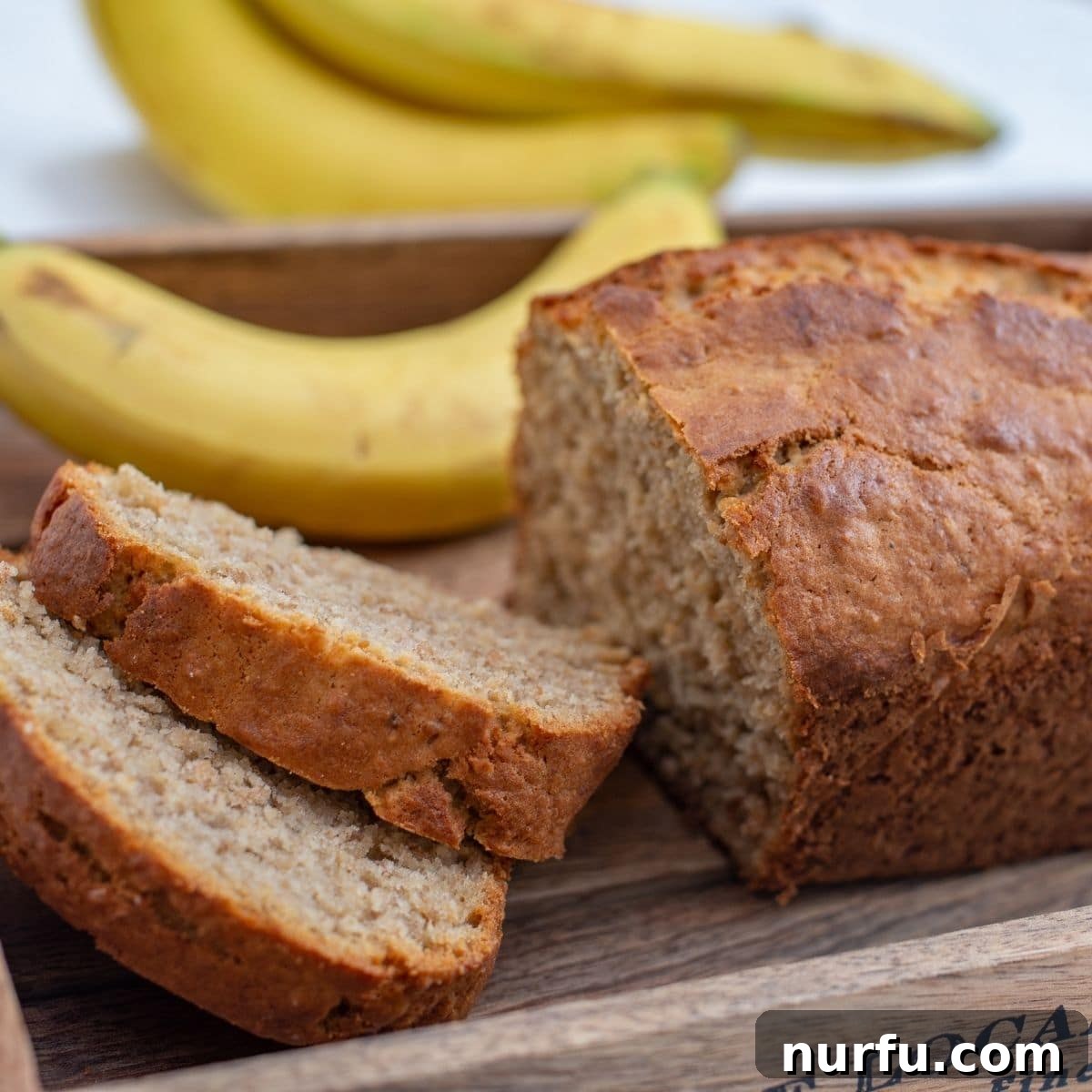
Do you often find yourself with extra homemade banana bread and wonder about the best way to keep it fresh? Whether you’re planning to enjoy a slice tomorrow or save a whole loaf for a future craving, mastering how to store banana bread is essential for maintaining its delicious flavor and moist texture. This comprehensive guide will equip you with all the knowledge you need, from short-term counter storage to long-term freezing solutions, ensuring every bite is as delightful as the first.
Banana bread is a beloved classic, a comforting treat often made from those forgotten, perfectly overripe bananas sitting on your counter. Its rich, sweet flavor and wonderfully moist crumb make it a versatile favorite – ideal for a quick breakfast, a satisfying afternoon snack, or even a comforting dessert after dinner. Many recipes yield two or more loaves, making proper storage not just a convenience but a necessity to prevent waste and ensure you can savor its goodness over time.
This guide will delve deep into the best practices for preserving your homemade banana bread. We’ll cover critical tips for storing it at room temperature, detailed instructions for freezing loaves and slices, and effective methods for thawing so it tastes freshly baked every time. Additionally, we’ll address common questions about refrigeration and provide clear indicators for identifying when banana bread has gone bad, helping you keep your culinary creations safe and enjoyable.
Table of Contents
- The Importance of Proper Banana Bread Storage
- How to Store Banana Bread on the Counter for Short-Term Freshness
- How Long Does Banana Bread Last? Understanding Shelf Life
- The Ultimate Guide to Freezing Banana Bread for Long-Term Enjoyment
- How to Thaw Frozen Banana Bread Perfectly
- How to Thaw Banana Bread Faster: Quick Methods
- Does Banana Bread Need to Be Refrigerated? A Common Dilemma
- Pro Tips for Storing Banana Bread Like a Baking Expert
- How to Tell if Banana Bread is Bad: Safety First
- More Delightful Banana Recipes
The Importance of Proper Banana Bread Storage
Banana bread, with its characteristic moist and tender crumb, is a delightful treat. However, its high moisture content, largely due to the mashed bananas and often oil or butter, means it can spoil relatively quickly if not stored correctly. Improper storage can lead to a dry, crumbly texture, or worse, promote mold growth and spoilage, rendering your hard work and delicious creation inedible. Understanding the nuances of storage – whether for immediate consumption or for savoring later – ensures that every slice remains as fresh, moist, and flavorful as the day it was baked. This section lays the groundwork for keeping your banana bread at its peak quality, maximizing its enjoyment and minimizing food waste.
How to Store Banana Bread on the Counter for Short-Term Freshness
For banana bread that you intend to devour within a few days, storing it at room temperature on your kitchen counter is generally the best approach. This method helps maintain its signature moist texture, unlike refrigeration which can sometimes dry it out. The key to successful counter storage lies in proper preparation and airtight sealing. Follow these simple steps to ensure your bread stays wonderfully fresh:
- Ensure Complete Cooling: This is arguably the most crucial step. After baking, allow your banana bread to cool completely on a wire rack. This usually takes at least 1-2 hours for a standard loaf, or even longer for very dense loaves. Attempting to wrap warm or even slightly warm bread will trap steam and moisture, creating condensation that makes the bread soggy and significantly increases the risk of mold formation. Patience here pays off in a perfectly textured loaf.
- Choose Your Wrapping Method: Once thoroughly cooled, select an appropriate wrapping material to protect your banana bread from air exposure, which is the primary cause of staleness.
- Plastic Wrap: Tightly wrap the entire loaf in plastic wrap, ensuring no part is left exposed to the air. Multiple layers can provide extra protection.
- Aluminum Foil: For an alternative, especially if you plan to reheat slices later, wrap the loaf tightly in heavy-duty aluminum foil. This also creates an excellent barrier against air.
- Airtight Container: If you prefer containers, place the whole loaf or individual slices in an airtight container. For added moisture control, consider placing a paper towel at the bottom of the container before adding the bread. The paper towel will absorb any excess moisture that might escape the bread, preventing sogginess and mold. Replace the paper towel daily if you notice it becoming damp.
- Optimal Storage Location: Place the wrapped or contained banana bread on your counter in a cool, dry spot away from direct sunlight or heat sources (like ovens or stovetops). Excessive heat can accelerate spoilage.
- Shelf Life Expectancy: When stored correctly on the counter at room temperature, your homemade banana bread will typically remain fresh and delicious for 3 to 4 days. Beyond this period, it’s best to consider freezing or consuming it quickly to avoid spoilage.
How Long Does Banana Bread Last? Understanding Shelf Life
Knowing the expected shelf life of your banana bread is crucial for proper meal planning and preventing food waste. The longevity of your loaf primarily depends on the storage method you choose:
- At Room Temperature (Countertop): A freshly baked banana bread, when properly wrapped and stored on the counter, will typically maintain its quality for 3 to 4 days. This duration allows it to retain its desired moist texture and rich flavor. After this timeframe, its quality will start to decline, and the risk of spoilage increases.
- In the Refrigerator: While generally not recommended for optimal texture (as cold air can dry it out), banana bread can last a bit longer in the refrigerator, usually up to 7 days. However, be prepared for a slightly drier consistency compared to counter-stored bread. If your banana bread contains perishable fillings like cream cheese frosting, or if you live in a very hot and humid climate, refrigeration might be a necessary evil, but ensure it’s tightly sealed to mitigate moisture loss.
- In the Freezer: For long-term preservation, freezing is your best friend. Properly frozen banana bread can last for an impressive 3 to 4 months without significant loss of quality. Some sources even suggest it can remain good for up to 6 months, though flavor and texture might subtly degrade after 4 months. Freezing is an excellent option for bulk baking or when you want to enjoy a delicious treat months down the line.
Always remember that these are general guidelines. Factors like ingredients (e.g., presence of nuts, chocolate chips), ambient humidity, and how well it’s sealed can influence its actual shelf life. When in doubt, it’s always safer to err on the side of caution and check for signs of spoilage.
The Ultimate Guide to Freezing Banana Bread for Long-Term Enjoyment
Freezing banana bread is a fantastic way to extend its life and always have a homemade treat ready for unexpected guests or a busy morning. It freezes exceptionally well, preserving its moist crumb and delightful flavor for months. In fact, many seasoned bakers intentionally make extra loaves specifically for freezing. You have the flexibility to freeze whole loaves, partial loaves, or even individual slices, depending on your needs. Here’s a detailed guide to ensure your banana bread emerges from the freezer tasting as fresh as the day it was baked:
- Cool Completely and Thoroughly: Just like with counter storage, this step is non-negotiable. Your banana bread must be completely cool to the touch before freezing. Any residual warmth will create condensation inside the wrapping, leading to ice crystals and freezer burn, which can ruin the texture and flavor. Allow loaves to cool for several hours, or even overnight, on a wire rack.
- Double-Wrap for Protection: The key to preventing freezer burn and maintaining moisture is a robust wrapping method.
- Initial Wrap (Plastic): Tightly wrap the cooled banana bread (whether a whole loaf, half, or individual slices) in several layers of plastic wrap. Ensure every surface is completely covered, with no air pockets. The tighter the wrap, the better.
- Secondary Wrap (Foil or Freezer Bag): For an extra layer of defense, wrap the plastic-wrapped loaf again in heavy-duty aluminum foil. Alternatively, place the plastic-wrapped bread into a freezer-safe zip-top bag, pressing out as much air as possible before sealing. If using a rigid freezer-safe container, make sure the plastic-wrapped bread fits snugly inside. This double-layer approach creates an excellent barrier against fluctuating freezer temperatures and air, which are the main culprits behind freezer burn.
- Label and Date: Before placing it in the freezer, use a permanent marker to clearly label the package with the date it was frozen. This simple step helps you keep track of its freshness and ensures you consume it within the recommended timeframe (typically 3-4 months).
- Freeze Properly: Place the well-wrapped banana bread in the coldest part of your freezer. Ensure it’s not crushed by other items while it’s freezing solid. Store for up to 4 months for optimal taste and texture.
By following these steps, you’ll be able to enjoy homemade banana bread whenever the craving strikes, without compromising on quality.
How to Thaw Frozen Banana Bread Perfectly
Once you’re ready to enjoy your frozen banana bread, proper thawing is essential to bring back its original moist and tender texture. The best method for thawing is a gradual one, allowing the bread to gently return to room temperature. This minimizes moisture loss and helps preserve the quality.
- Transfer to the Counter: Remove the frozen banana bread from the freezer and place it, still wrapped in its plastic wrap and foil/freezer bag, directly onto your kitchen counter. Keeping it wrapped during the thawing process helps trap any condensation, preventing it from making the bread soggy.
- Allow Ample Time: The thawing time will vary depending on the size of the bread:
- Whole Loaf: A full-sized loaf of banana bread typically requires 3 to 4 hours to thaw completely at room temperature. For very dense or large loaves, it might take up to 5 hours.
- Individual Slices: If you froze individual slices, they will thaw much more quickly, usually within 30 to 60 minutes. This makes them perfect for a quick, single-serving treat.
- Mini Loaves: Mini loaves generally take about 1.5 to 2 hours to thaw.
- Check for Softness: Once the estimated time has passed, gently press on the bread (through the wrapping) to check if it has fully softened all the way through. If it still feels firm or icy in the center, allow it more time.
- Unwrap and Serve: Once completely thawed, unwrap the banana bread and it’s ready to be enjoyed! For an extra touch of warmth and freshness, you can briefly warm slices in a toaster oven or microwave after thawing.
This slow thawing method ensures your banana bread retains its structure and moisture, providing a delightful experience just like it was freshly baked.
How to Thaw Banana Bread Faster: Quick Methods
Sometimes, a banana bread craving just can’t wait for hours of countertop thawing. Luckily, there are a couple of quicker methods to get your delicious loaf ready to eat in less time, especially if you’re working with individual slices or mini loaves. Be mindful that these methods might slightly alter the texture compared to slow thawing, but they are great for when you’re in a pinch.
- Oven Thawing (Recommended for Whole Loaves & Slices): This method not only thaws but also gently warms the banana bread, making it feel almost freshly baked.
- Preheat Oven: Preheat your oven to a moderate temperature, around 300-325°F (150-160°C).
- Prepare Bread: Remove the banana bread from its freezer bag or plastic wrap, but you can leave it wrapped in aluminum foil if it was initially frozen that way. If not, you might want to loosely wrap it in foil or place it on a baking sheet covered with foil to prevent the exterior from drying out.
- Bake Time:
- Whole Loaf: Place the loaf directly on a baking sheet. Bake for approximately 25-35 minutes, or until the center is warmed through. If it starts to brown too much on the outside, you can cover it more tightly with foil.
- Slices: Individual slices will thaw and warm much faster. Place them on a foil-lined baking sheet and bake for about 10-15 minutes.
- Serve Warm: The banana bread will be wonderfully warm and fragrant, ready to be enjoyed immediately.
- Microwave Thawing (Best for Individual Slices): The microwave is the fastest option, but it can sometimes make bread a bit rubbery or dry if overdone. Use with caution.
- Individual Slices Only: This method is best suited for single slices. Do not attempt with a whole loaf.
- Heat in Short Bursts: Place a slice of banana bread on a microwave-safe plate. Heat on medium power (50-70%) for 15-30 seconds. Check for warmth and texture. If still frozen, continue heating in 10-second intervals until thawed and warm. Be careful not to overheat.
- Immediate Consumption: Microwave-thawed banana bread is best eaten immediately.
These quick thawing methods offer convenient solutions when time is of the essence, allowing you to enjoy your banana bread without a long wait.
Does Banana Bread Need to Be Refrigerated? A Common Dilemma
This is a frequently asked question, and for plain banana bread, the answer is generally “no.” In most cases, refrigerating banana bread is not only unnecessary but can also be detrimental to its texture and flavor. Here’s a deeper look into why and when refrigeration might be considered:
- Why Refrigeration is Often Avoided:
- Drying Effect: The cold, dry air in a refrigerator tends to draw moisture out of baked goods, causing banana bread to become dry, dense, and crumbly much faster than if stored on the counter. This can diminish the very moistness that makes banana bread so appealing.
- Staling Acceleration: While it slows spoilage, refrigeration can actually accelerate the staling process in many bread products. The starch molecules in bread recrystallize faster at cooler temperatures (above freezing but below room temperature), leading to a firmer, less palatable texture.
- When Refrigeration Might Be Considered (and How to Mitigate Effects):
- Very Hot and Humid Climates: If you live in a particularly hot and humid environment where room temperature exceeds 75-80°F (24-27°C) and you plan to store the bread for more than a day or two, refrigeration might be a safer option to prevent premature mold growth. Even then, ensure it’s extremely well-wrapped.
- Perishable Add-ins: If your banana bread includes perishable ingredients like cream cheese frosting, fresh fruit fillings (other than the banana in the batter), or certain glazes, it absolutely needs to be refrigerated to prevent bacterial growth. Always follow specific recipe instructions for these types of additions.
- Extending Shelf Life Beyond 4 Days (Short of Freezing): If you want to keep plain banana bread for slightly longer than 4 days but don’t want to commit to freezing it, the refrigerator can extend its life up to a week. However, be prepared for a potential compromise in texture.
- Best Practice: For optimal flavor and texture of plain banana bread, stick to storing it tightly wrapped on the counter for up to 3-4 days. For anything beyond that, the freezer is the superior choice for preserving quality. If you must refrigerate, ensure it’s meticulously wrapped in plastic wrap and then foil, or in an airtight container, to minimize moisture loss.
Pro Tips for Storing Banana Bread Like a Baking Expert
Beyond the basic storage methods, a few expert tips can elevate your banana bread preservation game, ensuring every slice is as perfect as possible:
- Always Cool Completely: This cannot be stressed enough. Wrapping warm bread is the fastest way to invite sogginess and mold. Always allow at least 1-2 hours for a standard loaf to cool on a wire rack, ensuring air circulation on all sides. For larger or denser loaves, extend this cooling time.
- Moisture Control is Key: For counter storage in an airtight container, placing a paper towel at the bottom can absorb excess moisture and prevent a soggy bottom. Change the paper towel daily if it becomes damp.
- Double-Wrap for Freezing: When freezing, don’t skimp on the wrapping. An initial tight layer of plastic wrap followed by aluminum foil or a freezer-safe bag is crucial to prevent freezer burn and maintain the bread’s texture.
- Freeze in Portions: Consider freezing your banana bread in individual slices or mini loaves. This makes thawing incredibly convenient – just grab what you need without having to thaw an entire loaf. Mini loaves are also perfect for sharing or single servings. If you’re baking regularly, investing in mini loaf pans can be a game-changer for portion control and efficient storage.
- Label with Dates: Always mark your frozen bread with the date it was put into the freezer. This helps you rotate your stock and ensures you consume it within its peak freshness window (typically 3-4 months).
- Protect from Odors: Banana bread can absorb odors from its environment. Ensure it’s sealed tightly, especially in the refrigerator or freezer, to prevent it from picking up unwanted smells from other foods.
- Consider Parchment Paper: When baking, lining your loaf pan with parchment paper (with an overhang on the sides) not only makes removal easier but can also help protect the bread during storage by providing an additional barrier.
- Works for Other Quick Breads: These storage methods aren’t just for banana bread! They work beautifully for other quick breads like zucchini bread, pumpkin bread, or even banana bread muffins, ensuring all your baked goods stay fresh longer.
How to Tell if Banana Bread is Bad: Safety First
Even with the best storage practices, it’s crucial to know how to identify signs of spoilage. Consuming spoiled food can lead to health issues, so when in doubt, it’s always best to err on the side of caution and discard the bread. Here are the key indicators that your banana bread has gone bad:
- Visual Cues (Mold):
- Visible Mold: The most obvious sign is the presence of mold. Mold can appear as fuzzy spots of various colors – green, white, black, or blue. It often starts on the surface but can have roots deep within the bread that are not visible. Do not simply scrape off the mold; discard the entire loaf, as mold spores can spread quickly.
- Discoloration: Beyond obvious mold, look for any unusual discoloration, such as dark spots that weren’t there originally, or an overall dull, faded appearance compared to its fresh state.
- Changes in Texture:
- Slimy or Gummy Feel: Fresh banana bread is moist and tender. If you notice the surface or interior becoming slimy, sticky, or unusually gummy, this is a strong indicator of bacterial growth and spoilage.
- Excessive Hardness or Dryness: While not necessarily a sign of being “bad” in the sense of being unsafe, excessively hard or dry banana bread is past its prime and won’t be enjoyable to eat. However, if this dryness is accompanied by other signs, it’s best to discard.
- Unpleasant Odor:
- Sour or Off Smell: Fresh banana bread has a sweet, pleasant aroma. If you detect any sour, yeasty, alcoholic, or generally unpleasant “off” smell, it’s a clear sign that the bread has spoiled. Trust your nose – if it smells wrong, it probably is.
Regularly inspecting your stored banana bread using these sensory checks will help ensure you only consume fresh, safe, and delicious slices. Prioritize food safety to enjoy your homemade treats without worry.
More Delightful Banana Recipes
If you often find yourself with overripe bananas, banana bread is just one of many incredible ways to transform them into delicious treats. Explore these other fantastic banana-centric recipes to make the most of your ripening fruit:
- How to Ripen Bananas for Baking
- Creamy Banana Pudding Ice Cream
- Wholesome Banana Oatmeal Cookies
- Irresistible Banana Pudding Dip
How to Store Banana Bread
Heather Seeley
5 minutes
3 minutes
1
loaf
Print Recipe
Ingredients
-
1
loaf
banana bread
Instructions
Store on the counter
-
Ensure the loaf is completely cooled. Avoid sealing warm bread as it will become soggy. Wrap the cooled bread tightly in plastic wrap or place it in an airtight container. If using a container, place a paper towel at the bottom to absorb excess moisture. The bread will stay fresh for 3-4 days on the counter.
Freeze
-
Make sure the bread is completely cooled. Wrap it thoroughly in plastic wrap, ensuring it’s fully covered. Then, place the wrapped bread in a freezer-safe container, freezer bag, or wrap it in aluminum foil to prevent freezer burn. Freeze for up to 4 months. Remember to write the date on the container for easy tracking.
Nutrition (per loaf)
Calories: 1467 kcal
Carbohydrates: 246 g
Protein: 19 g
Fat: 47 g
Saturated Fat: 10 g
Polyunsaturated Fat: 14 g
Monounsaturated Fat: 20 g
Cholesterol: 194 mg
Sodium: 1359 mg
Potassium: 603 mg
Fiber: 5 g
Vitamin A: 2219 IU
Vitamin C: 8 mg
Calcium: 95 mg
Iron: 6 mg
Nutrition information is automatically calculated and should be used as an approximation.
Additional Info
Breakfast
American
Like this? Leave a comment below!