
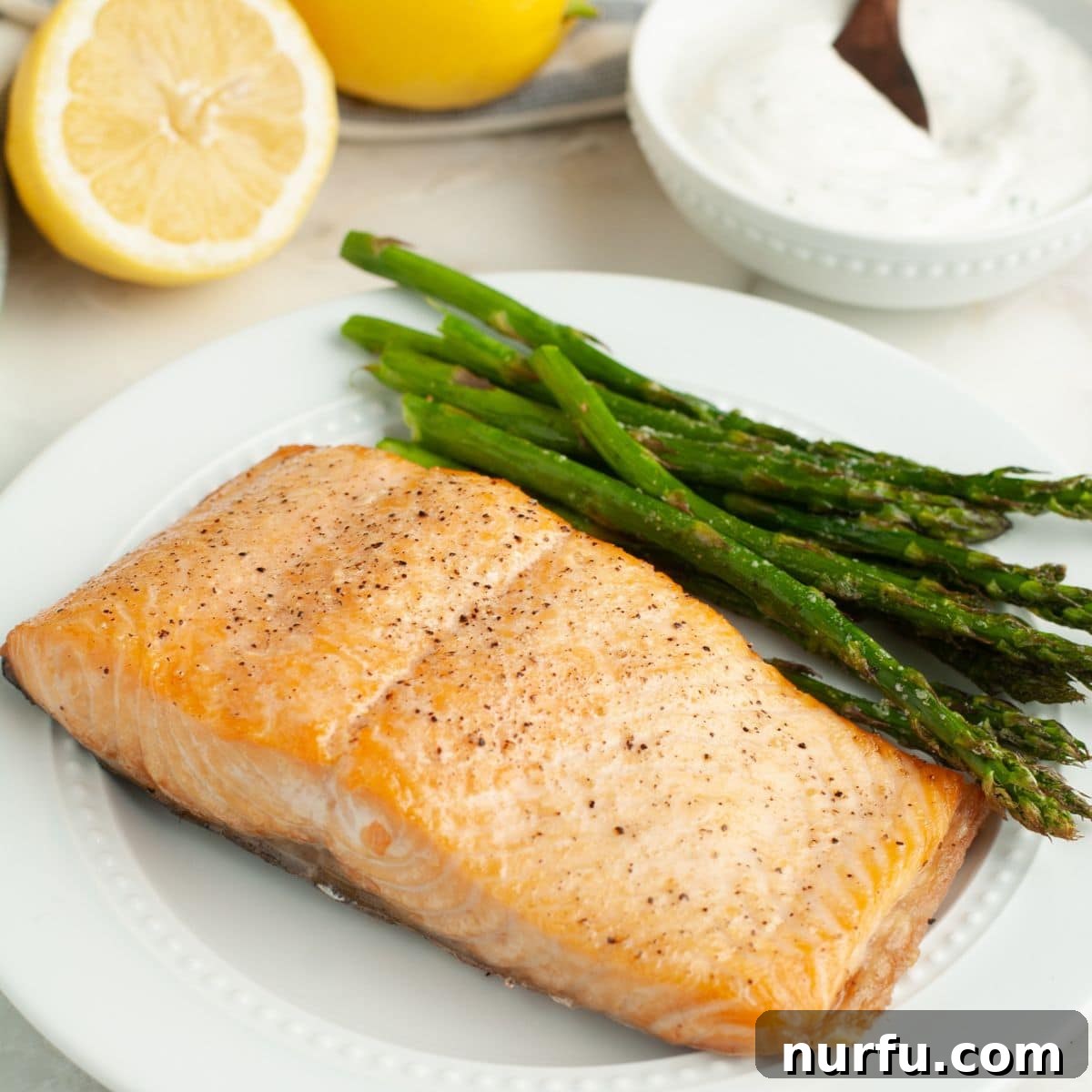
Unlock the secret to perfectly cooked, irresistibly tender, and beautifully flaky salmon fillets by learning exactly how long to cook salmon at 400 degrees Fahrenheit in your oven. This straightforward baked salmon recipe is designed for maximum flavor with minimal effort, making it an ideal choice for a quick, healthy, and satisfying weeknight dinner or an elegant meal for guests. Say goodbye to dry, overcooked fish and welcome succulent, restaurant-quality salmon into your culinary repertoire.
Why 400°F is the Best Temperature to Bake Salmon in the Oven
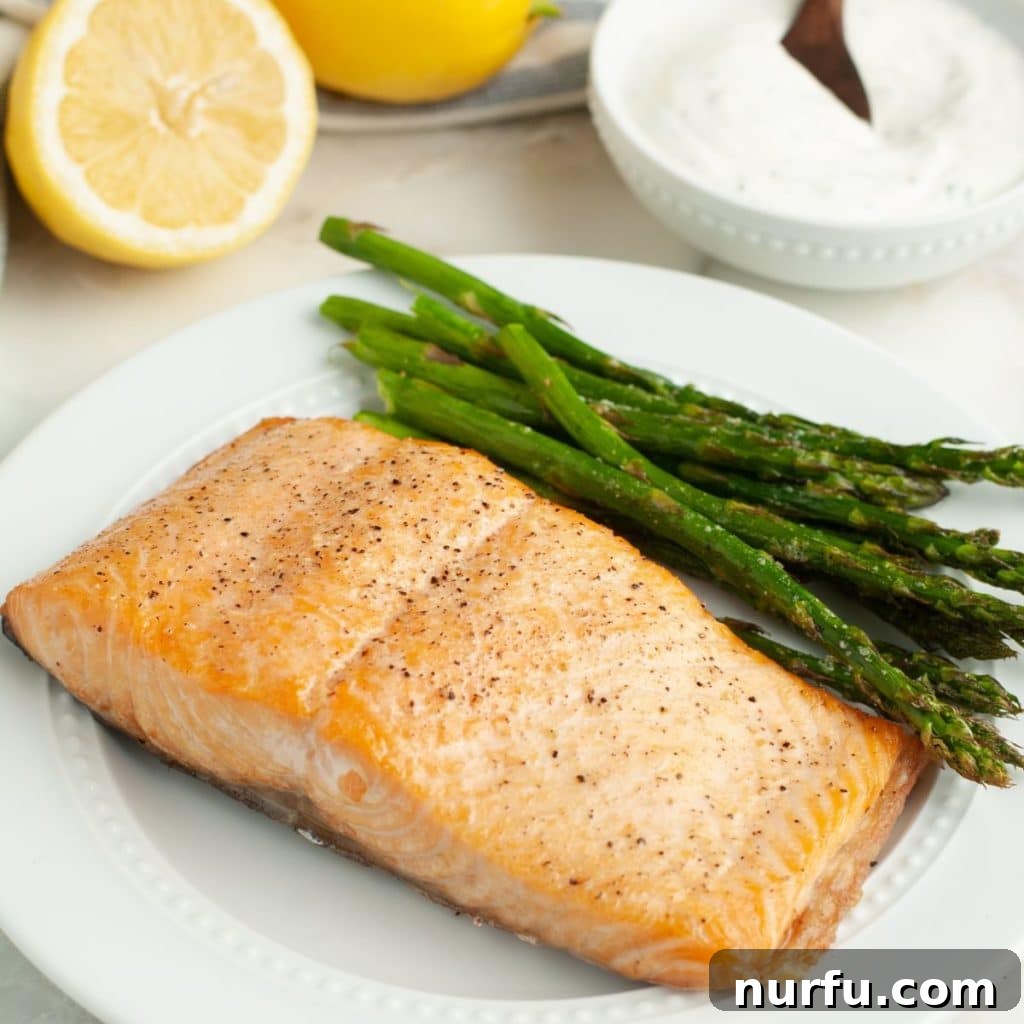
Salmon is a culinary superstar – a versatile, flavorful, and incredibly nutritious fish that can transform any meal into a delightful experience. While there are several methods and temperatures for cooking salmon, baking it at 400 degrees Fahrenheit stands out as one of the absolute best. This higher temperature creates a perfect environment for baking, ensuring a beautifully tender interior and a wonderfully crisp exterior, all without drying out the delicate flesh.
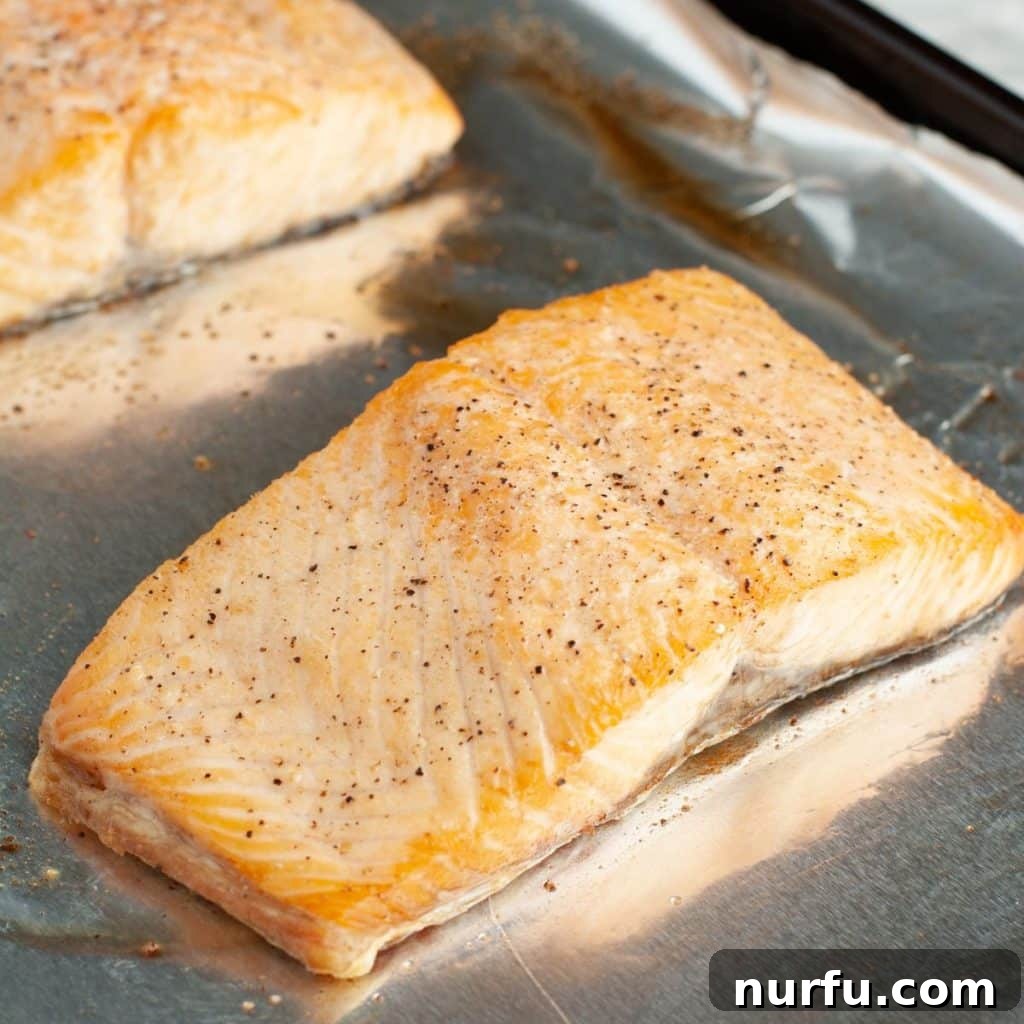
The key to achieving this perfect texture lies in understanding the cooking process. At 400°F, the oven’s heat quickly penetrates the salmon, cooking it rapidly and sealing in its natural juices. This fast cooking time prevents the fish from becoming tough or rubbery, which can happen at lower temperatures or with prolonged cooking. For optimal results, aim for an internal temperature of 135-140°F at the thickest part of the fillet when you remove it from the oven. The residual heat, known as carryover cooking, will continue to cook the salmon to its ideal doneness of 140-145°F as it rests, resulting in moist, succulent, and perfectly flaky salmon every time. This method ensures a golden-brown exterior and a tender, melt-in-your-mouth interior, making 400°F the go-to temperature for many professional chefs and home cooks alike.
Precise Cooking Times for Baking Salmon at 400 Degrees
Determining the exact cooking time for salmon at 400°F is crucial for preventing overcooked, dry fish. The duration primarily depends on the thickness and weight of your salmon. Always remember that these are general guidelines, and a reliable meat thermometer is your best friend for guaranteed perfection.
- Standard Salmon Fillets (1 inch thick, 6-8 ounces): For individual fillets that are about 1 inch thick and weigh between 6 to 8 ounces, you can expect them to be perfectly baked in approximately 12-15 minutes. This timing will yield a medium-cooked salmon, where the center is still slightly translucent and incredibly moist.
- Thinner Fillets (less than 1 inch thick, 4-5 ounces): If your salmon fillets are on the thinner side, around half an inch to three-quarters of an inch thick and weighing 4 to 5 ounces, they will cook faster. Plan for about 10-12 minutes in the oven. Keep a close eye on these thinner cuts to avoid overcooking and begin checking for doneness a bit earlier.
- Thicker Fillets or Larger Portions (1.5 inches thick or 1 pound): For a more substantial fillet, perhaps 1.5 inches thick or a single piece weighing around one pound, the cooking time will extend slightly to about 15-18 minutes. These thicker pieces are often more forgiving and less prone to drying out, offering a wider window for perfect doneness.
- Whole Salmon (or a large side of salmon): If you’re baking a whole side of salmon or an entire fish, the cooking time will be considerably longer, typically ranging from 25-40 minutes, depending heavily on the overall thickness and density of the fish. For these larger cuts, measuring the internal temperature in multiple spots is essential to ensure even cooking throughout.
Pro Tip: Regardless of the cut, always use an instant-read meat thermometer inserted into the thickest part of the salmon, avoiding the bone if present. The ideal target temperature when removing from the oven is 135-140°F. After resting for 5-10 minutes, the temperature will rise to the food safety recommended 145°F (63°C), ensuring a succulent, safe, and perfectly flaky meal. Don’t worry if it looks slightly underdone when you pull it out; the resting period is critical for achieving that ideal final texture.
Selecting Your Salmon and Essential Ingredients for Baked Salmon
The success of any salmon dish starts with the quality of the fish itself. Choosing fresh, high-quality salmon will make a significant difference in flavor and texture. Beyond the salmon, just a few complementary ingredients are needed to enhance its natural deliciousness.
Choosing the Best Salmon Fillets
When purchasing salmon, whether it’s individual fillets or a larger piece, look for these indicators of freshness:
- Appearance: The flesh should be vibrant in color (ranging from deep red-orange for Sockeye to lighter pink for Coho) and appear moist, not dry or dull.
- Texture: The salmon should feel firm and resilient to the touch. Avoid fillets that feel mushy or have gaps in the flesh.
- Smell: Fresh salmon should have a mild, oceanic scent, reminiscent of clean water. It should never smell overtly “fishy” or ammoniated.
- Skin: If present, the skin should be shiny and intact.
You can use individual cut salmon fillets for easier portioning or one large piece of salmon if you’re feeding a crowd or prefer to cut it after cooking. Wild-caught varieties like Sockeye, Coho, and King (Chinook) salmon are often praised for their rich flavor and firm texture, while farmed Atlantic salmon offers a milder, buttery taste that’s widely available.
Simple Ingredients for Maximum Flavor
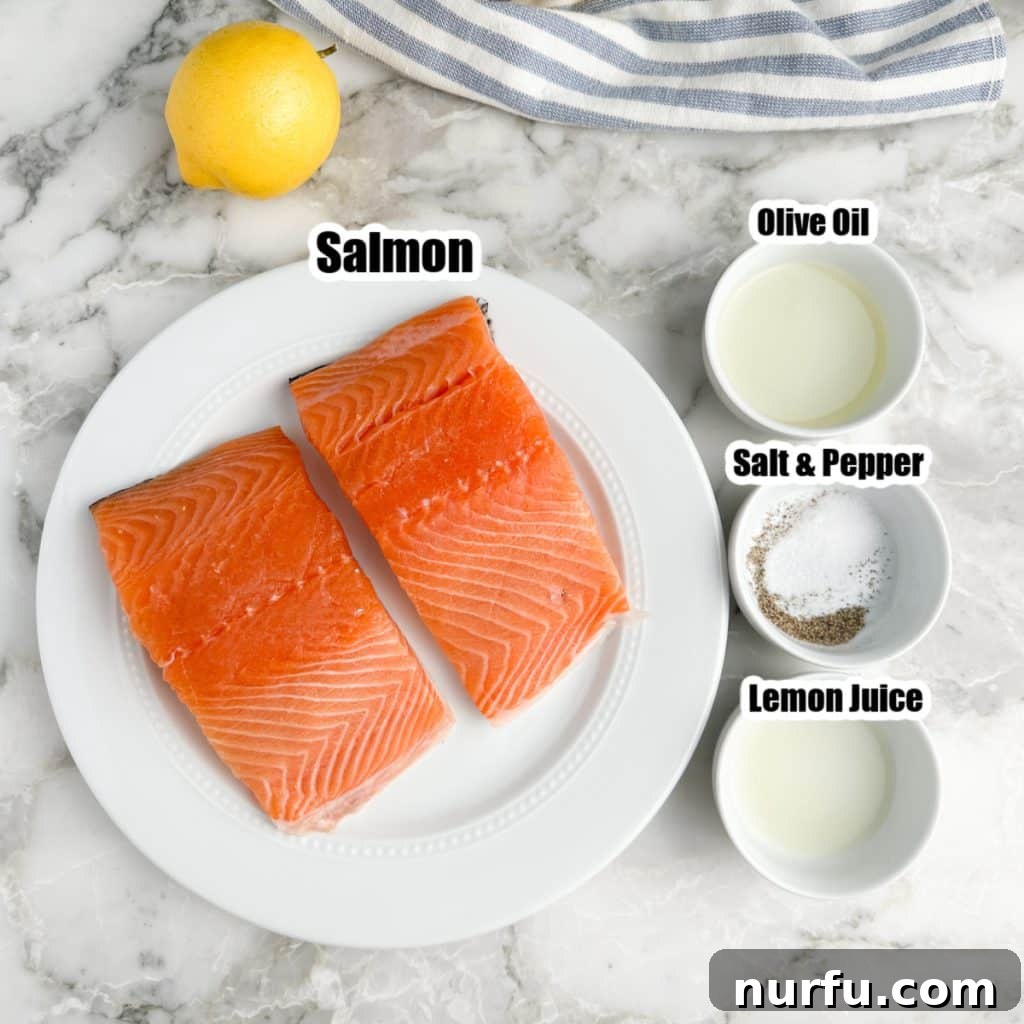
One of the beauties of baking salmon is how few ingredients are truly needed to create an outstanding dish. The natural richness of salmon shines through with just a few simple enhancements:
- Salmon Fillets: The undeniable star of the show.
- Olive Oil: A good quality extra virgin olive oil is preferred. It helps to coat the salmon, preventing it from sticking to the pan, promoting even cooking, and contributing a subtle richness and delicate flavor. It also helps achieve a lovely golden crust.
- Fresh Lemon Juice: This is a game-changer! Freshly squeezed lemon juice brightens the flavor of the salmon, cuts through its richness, and adds a refreshing tang. It also helps tenderize the fish slightly and enhances its natural taste. Fresh is always best, but bottled can be used in a pinch.
- Sea Salt and Freshly Ground Black Pepper: These humble seasonings are fundamental. They don’t just add flavor; they enhance the inherent deliciousness of the salmon itself. Use them generously to bring out the best in your fish. Consider using flaky sea salt for a delightful textural contrast.
Step-by-Step Guide: How to Cook Salmon in the Oven at 400°F
Follow these simple steps to ensure your salmon turns out perfectly moist and flavorful every time. This method is incredibly straightforward, even for novice cooks, and yields impressive results.
- Step One: Prepare Your Oven and Baking Sheet. Begin by preheating your oven to a precise 400 degrees Fahrenheit (200°C). Accuracy here is important for consistent results. While the oven heats, prepare a baking sheet. Line it with either aluminum foil for effortless cleanup or parchment paper to prevent sticking. A light spray with non-stick cooking spray provides an extra layer of assurance, especially if you’re worried about the skin adhering. Place your salmon fillets onto the prepared pan, ensuring the skin side is facing down. This helps protect the delicate flesh from direct heat, keeps the fish moist, and allows for easier removal if you’re not eating the skin. If your fillets have any pin bones, now is a good time to remove them with a pair of tweezers.
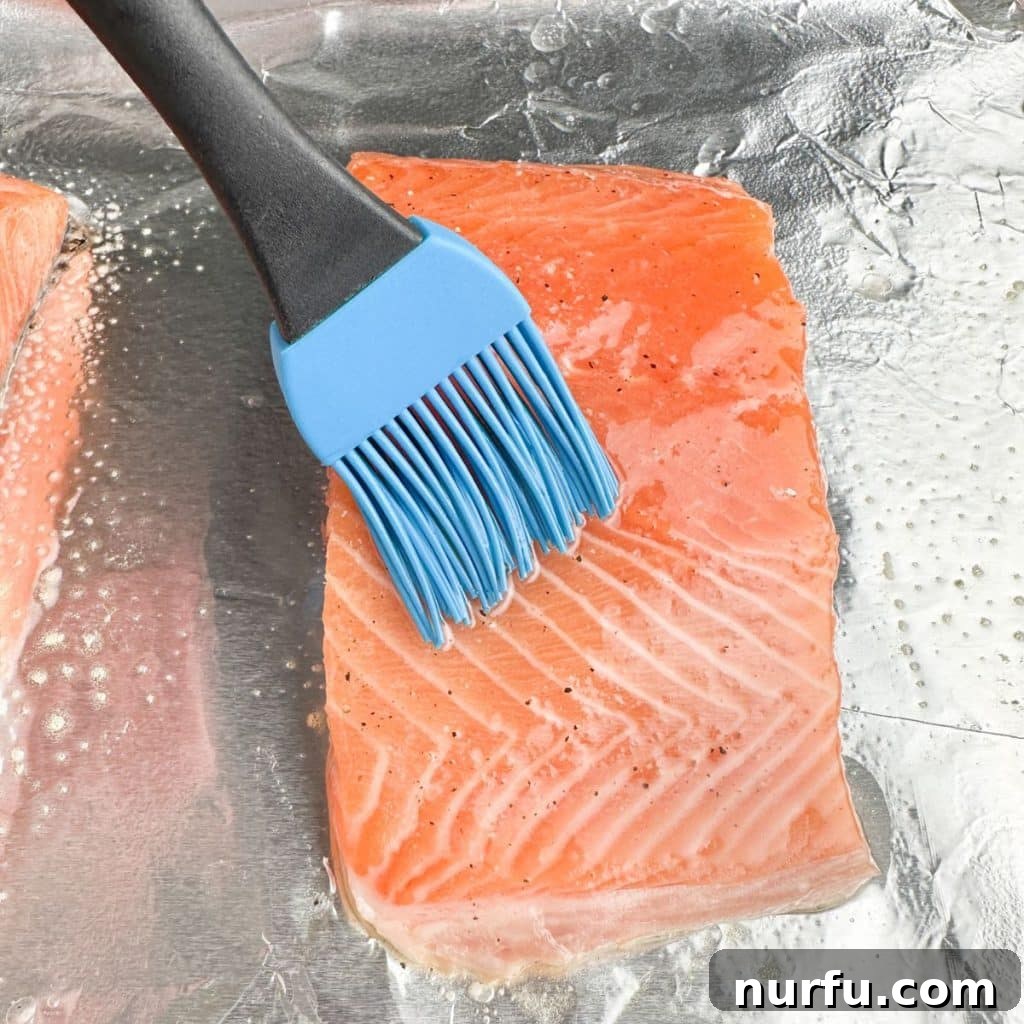
- Step Two: Season the Salmon to Perfection. In a small bowl, whisk together your olive oil, fresh lemon juice, sea salt, and freshly ground black pepper. This simple yet effective blend creates a bright, savory coating that complements salmon beautifully. Using a pastry brush or the back of a spoon, evenly coat the top and sides of each salmon fillet with this mixture. Don’t be shy; ensure a good, even layer. Feel free to add a little extra pinch of salt and pepper directly onto the salmon for enhanced flavor, or sprinkle with a dash of garlic powder or dried dill for a subtle aromatic twist.
- Step Three: Bake and Rest for Optimal Tenderness. Carefully transfer the baking sheet to the preheated oven. Bake the salmon for approximately 12-15 minutes. The exact time will vary based on the thickness of your fillets; thinner cuts will cook faster. The most reliable way to check for doneness is with an instant-read meat thermometer inserted into the thickest part of the fish. You’re aiming for an internal temperature of 135-140°F (57-60°C). Once it reaches this point, promptly remove the salmon from the oven. Allow the baked salmon to rest on the baking sheet for 5-10 minutes. During this crucial resting period, the internal temperature will continue to rise to the recommended 140-145°F (60-63°C), resulting in incredibly moist and juicy fish that flakes easily with a fork. This carryover cooking prevents moisture loss and ensures a succulent final product.
Expert Recipe Tips for Flawless Baked Salmon
Achieving restaurant-quality baked salmon at home is simpler than you think. Here are some invaluable tips to elevate your cooking and ensure consistently perfect results every time you bake salmon at 400°F:
- Bring Salmon to Room Temperature: For uniform cooking, take your salmon fillets out of the refrigerator about 10-15 minutes before you plan to bake them. Allowing them to sit at room temperature helps them cook more evenly from edge to center, preventing the outside from overcooking while the inside remains undercooked. This simple step can make a big difference in the final texture.
- Monitor Cooking Time and Thickness Carefully: The adage “cook to temperature, not to time” is particularly true for fish. While our suggested cooking times are a great starting point, the actual duration will always depend on the precise thickness of your salmon fillets. Thicker cuts naturally require more time, and thinner ones less. Make a mental note or even a physical one of your fillet’s thickness for future reference.
- Thicker Cuts are Forgiving: If you’re new to baking fish, opting for thicker salmon fillets (1.5 inches or more) can be a smart move. They are less prone to overcooking and drying out, giving you a wider margin for error while you get comfortable with the process. They tend to stay juicier even if left in the oven a minute or two longer.
- Invest in a Meat Thermometer: This is arguably the single most important tool for cooking perfect fish. Insert an instant-read meat thermometer into the thickest part of the salmon to accurately gauge its internal temperature. This eliminates guesswork entirely. Remove the fish when it reaches 135-140°F (57-60°C), and let carryover cooking do the rest until it reaches 145°F (63°C).
- Start Checking Early: Begin checking the internal temperature after about 10-12 minutes of baking, especially for thinner fillets. This allows you to adjust the remaining cooking time precisely, ensuring the salmon reaches perfect doneness without becoming dry. It’s always easier to add a few more minutes than to fix overcooked fish.
- Amplify Flavor with Fat: For a richer, more luxurious flavor profile, consider substituting a tablespoon of olive oil with melted unsalted butter. A brush of butter combined with lemon juice creates an incredibly decadent glaze. You can also try a mix of both olive oil and butter for a balanced richness. Infused oils (like garlic oil) can also add depth.
- Explore Flavorful Sauces and Seasonings: While simple salt, pepper, and lemon are fantastic, don’t hesitate to experiment! Try adding a fresh herb like chopped dill, parsley, or thyme directly to your oil mixture. For an extra layer of flavor, consider serving your salmon with a homemade sauce like a creamy dill sauce, a bright lemon-butter sauce, a sweet and savory honey-garlic glaze, or even a spicy sriracha glaze.
- Crispy Skin Option: If you enjoy crispy salmon skin, cook the salmon skin-side down for most of the cooking as instructed. For the last 2-3 minutes, you can carefully flip the salmon skin-side up, or place it under a broiler for a minute or two (watching very carefully to prevent burning!) until the skin crisps. Alternatively, you can remove the skin before baking and cook skin-side up on a very hot baking sheet to achieve a nice crust.
What to Serve with Your Perfectly Baked Salmon
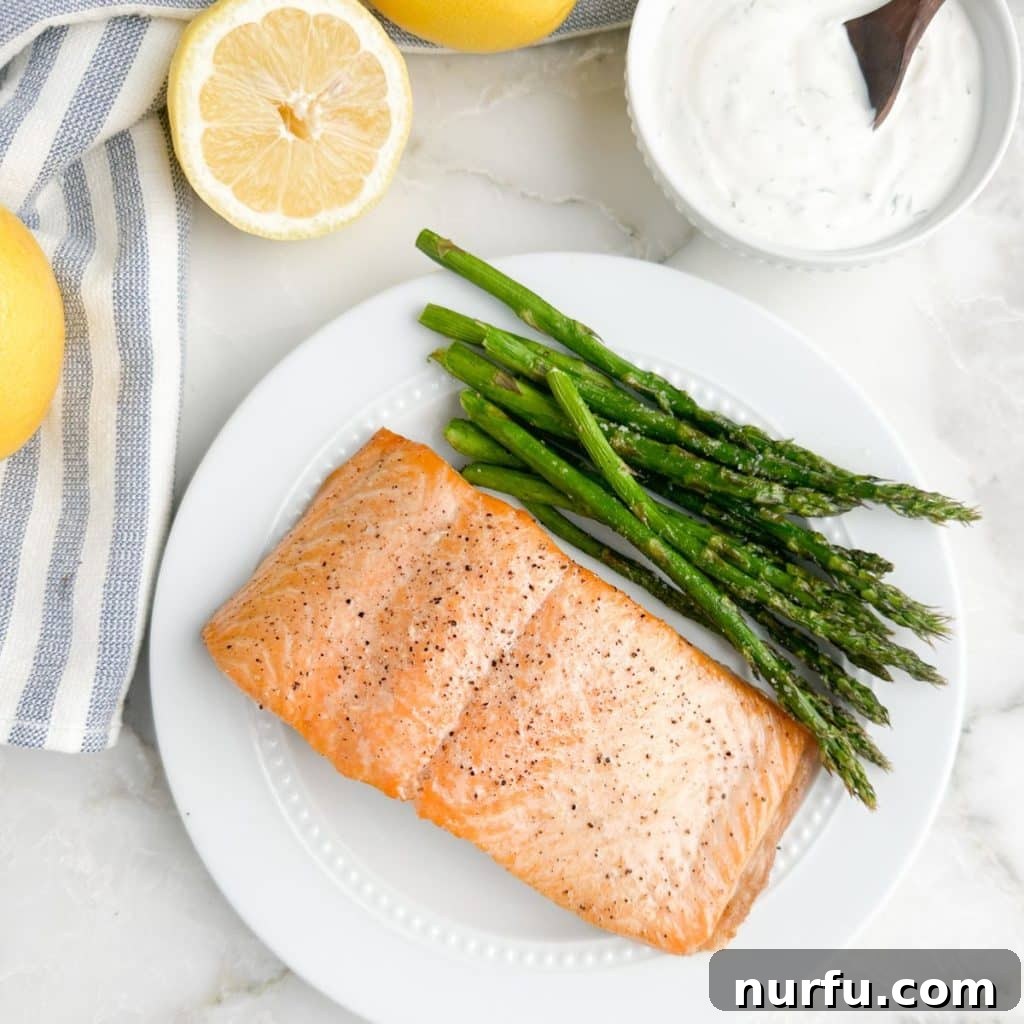
Baked salmon is incredibly versatile and pairs wonderfully with a wide array of side dishes. Whether you’re aiming for a light meal or a hearty feast, finding the right accompaniment can elevate your dining experience. Classic pairings include crisp roasted asparagus, vibrant garden salads, and comforting potato dishes. For a comprehensive list of ideas, check out this curated list of 31 amazing side dishes for salmon. Here are a few popular choices that beautifully complement the richness of baked salmon:
- Roasted or Steamed Vegetables:
- Asparagus: A timeless classic, roasted asparagus spears with a drizzle of olive oil, salt, and pepper (as pictured in our recipe!) are simple and elegant.
- Broccoli or Green Beans: Steamed or lightly roasted with a squeeze of lemon.
- Brussels Sprouts: Halved and roasted until caramelized.
- Seasonal Medley: Bell peppers, zucchini, cherry tomatoes, and red onion, tossed with herbs and roasted alongside the salmon.
- Starches and Grains:
- Mashed Potatoes: Creamy, buttery mashed potatoes provide a comforting contrast.
- Rice: Fluffy white rice, brown rice, or a lemon-herb infused rice pilaf.
- Quinoa or Couscous: Lighter and nutritious grain options that can be flavored with fresh herbs and vegetables.
- Roasted Potatoes: Small diced potatoes or potato wedges roasted until crispy.
- Fresh Salads:
- Simple Green Salad: A mixed greens salad with a light vinaigrette, offering a refreshing counterpoint.
- Cucumber and Dill Salad: A crisp and tangy salad that complements the salmon’s flavor profile.
- Caprese Salad: Fresh tomatoes, mozzarella, and basil with a balsamic glaze for a vibrant side.
How to Store and Reheat Baked Salmon
Proper storage ensures your leftover baked salmon remains delicious and safe to eat, allowing you to enjoy it for another meal. To maintain its quality, allow any leftover salmon to cool completely to room temperature (ideally within two hours of cooking) before transferring it to an airtight container. Store it in the refrigerator for up to 1-2 days. While you can technically consume it cold, reheating it gently can bring back some of its original tenderness and flaky texture.
When reheating salmon, the goal is to warm it through without drying it out, which can easily happen with delicate fish. Avoid high heat which can turn succulent salmon into tough, stringy fish. The best methods for reheating include:
- Oven: This is often the preferred method for maintaining moisture. Preheat your oven to a low temperature, around 275-300°F (135-150°C). Place the salmon in an oven-safe dish, cover it loosely with aluminum foil to trap moisture, and warm for 10-15 minutes, or until just heated through. Check periodically to ensure it doesn’t overcook.
- Microwave: Use this method with caution as it’s the easiest way to dry out salmon. Place the salmon on a microwave-safe plate, cover loosely with a damp paper towel to create steam, and microwave in short 30-second intervals on medium power until warm. Be patient and stir/check frequently.
- Skillet: Gently warm the salmon in a lightly oiled non-stick skillet over low heat for a few minutes. Cover the skillet to help steam the fish and keep it moist. Warm until just heated through. This method can also help crisp up the skin slightly if desired.
Frequently Asked Questions About Baking Salmon
For the best results, including tender flesh and potentially crispy skin (if you desire it), it’s best to cook salmon uncovered. Covering can steam the fish, making the skin soft and sometimes affecting the texture of the flesh, preventing that desirable golden crust.
While all salmon varieties can be baked beautifully, wild-caught salmon is often preferred for its robust flavor and nutritional benefits. Popular choices include Sockeye salmon (known for its deep red color and firm texture), Coho salmon (milder flavor, flaky texture), and King (Chinook) salmon (richest flavor, highest fat content, very tender). Farmed Atlantic salmon is also widely available and bakes well, offering a milder, buttery flavor and consistent thickness.
If you opt for a lower oven temperature of 350°F (175°C), a one-pound salmon fillet or two standard fillets will typically require a longer cooking time, usually around 20-25 minutes, to reach the desired internal temperature of 145°F after resting. Lower temperatures result in slower cooking, which can sometimes lead to slightly drier fish if not carefully monitored.
Baking salmon at 375°F (190°C) offers a middle ground between 350°F and 400°F. For a standard fillet (1 inch thick, 6-8 ounces), it will generally take about 15-20 minutes to bake, reaching perfection with a gentle flake and moist interior. Again, a meat thermometer is key for accuracy.
Yes, you absolutely can! An air fryer is excellent for quick and crispy salmon. At 400°F (200°C), a standard salmon fillet will typically cook in about 8-12 minutes, depending on its thickness. The air fryer circulates hot air, giving salmon a wonderfully crisp exterior while keeping the inside tender. Always check with a meat thermometer for accurate doneness.
Salmon is a powerhouse of nutrition. It’s an excellent source of omega-3 fatty acids, particularly EPA and DHA, which are vital for heart health, brain function, and reducing inflammation throughout the body. It’s also packed with high-quality protein, essential vitamins (like B12 and D), and minerals such as selenium and potassium. Regular consumption of salmon can contribute to a balanced and healthy diet, supporting overall well-being.
While a thermometer is ideal for precision, you can check for doneness by gently flaking the salmon with a fork at its thickest part. If it flakes easily and the flesh is opaque throughout (with perhaps a hint of translucency in the very center if you prefer medium-rare), it’s likely cooked. The flesh should separate effortlessly into distinct layers. Another visual cue is when the white albumen (a protein) starts to seep out, indicating it’s nearly done or just done.
We hope this comprehensive guide empowers you to bake the most delicious salmon right in your own kitchen! If you have any further questions about this easy salmon recipe or want to share your own tips, please feel free to leave a comment below.
More Easy Seafood Recipes to Explore
If you loved this simple baked salmon, you’ll be thrilled to discover more effortless and delectable seafood dishes. Expand your culinary repertoire with these fantastic recipes, perfect for any occasion:
- Salmon Dip – A quick, creamy, and flavorful dip made from canned salmon, perfect for appetizers, parties, or light snacks served with crackers or crudités.
- Salmon Salad – A delightful and nutritious alternative to tuna salad, this salmon salad makes a great filling for sandwiches, wraps, or as a protein-rich addition to a green salad for lunch.
- Shrimp Scampi – Recreate the beloved Olive Garden classic right in your own kitchen with this tantalizing shrimp scampi recipe, featuring succulent shrimp tossed in a garlic-butter sauce.
- 44 Irresistible Shrimp Recipes – Dive into a treasure trove of some of the best shrimp recipes available, offering endless meal possibilities from quick stir-fries to elegant pasta dishes.
How Long to Cook Salmon at 400°F
By Heather Seeley
Learn how long to bake salmon at 400 degrees Fahrenheit in the oven for perfectly tender, flaky, and delicious salmon fillets. This simple oven-baked salmon recipe can be prepared in minutes for a quick and satisfying dinner.
Prep Time: 5 minutes
Cook Time: 15 minutes
Total Time: 18 minutes (includes resting time)
Servings: 4
Pin Recipe
Rate Recipe
Print Recipe
Ingredients
- 1-2 pounds salmon fillets (individual portions or one large piece)
- 1 tablespoon olive oil
- 1 teaspoon fresh lemon juice
- 1/2 teaspoon sea salt
- 1/2 teaspoon freshly ground black pepper
Instructions
- Preheat Oven & Prepare Pan: Preheat your oven to 400°F (200°C). Line a baking sheet with aluminum foil or parchment paper and lightly spray with non-stick cooking spray. Place the salmon onto the prepared pan, skin side down.
- Season Salmon: In a small bowl, mix together the olive oil, fresh lemon juice, salt, and pepper. Brush this mixture evenly over the top and sides of the salmon fillets. You may add a little extra pinch of salt and pepper directly if desired.
- Bake Until Done: Bake the salmon for approximately 12-15 minutes, or until the internal temperature reaches 135-140°F (57-60°C) when measured with an instant-read meat thermometer in the thickest part.
- Rest & Serve: Remove the salmon from the oven and let it rest on the baking sheet for 5-10 minutes. During this time, the internal temperature will rise to the recommended 140-145°F (60-63°C), ensuring a perfectly moist and flaky result. Serve immediately and enjoy!
Video Tutorial
Watch our step-by-step video guide for cooking perfect salmon!
Notes
- Allow your salmon to sit out at room temperature for about 10-15 minutes before cooking. This promotes more even cooking.
- Cooking time will vary depending on the exact thickness of your salmon fillets. Always rely on an internal temperature reading for accuracy.
- Thicker cuts of salmon are generally more forgiving and less likely to overcook quickly.
- Use an instant-read meat thermometer inserted into the thickest part of the fish to ensure proper doneness (135-140°F when removed from oven, resting to 145°F).
- Begin checking the internal temperature after 10-12 minutes of baking to gauge if more time is needed.
- For a richer flavor, you can substitute olive oil with 1 tablespoon of melted unsalted butter, or use a combination.
- Experiment with additional seasonings like garlic powder, paprika, or fresh herbs (dill, parsley) for varied flavor profiles. Consider serving with a delicious salmon sauce.
Nutrition Information
Nutrition information is automatically calculated and should be used as an approximation. Values per serving (approx. 6-8oz salmon fillet):
- Calories: 193 kcal
- Carbohydrates: 0.2g
- Protein: 23g
- Fat: 11g
- Saturated Fat: 2g
- Polyunsaturated Fat: 3g
- Monounsaturated Fat: 5g
- Cholesterol: 62mg
- Sodium: 341mg
- Potassium: 560mg
- Fiber: 0.1g
- Sugar: 0.04g
- Vitamin A: 47 IU
- Vitamin C: 0.5mg
- Calcium: 15mg
- Iron: 1mg
Additional Info
Course: Main Course
Cuisine: American
We hope you enjoy this easy and delicious way to cook salmon! Feel free to leave a comment with your thoughts or questions about making perfect oven-baked salmon at 400°F.