
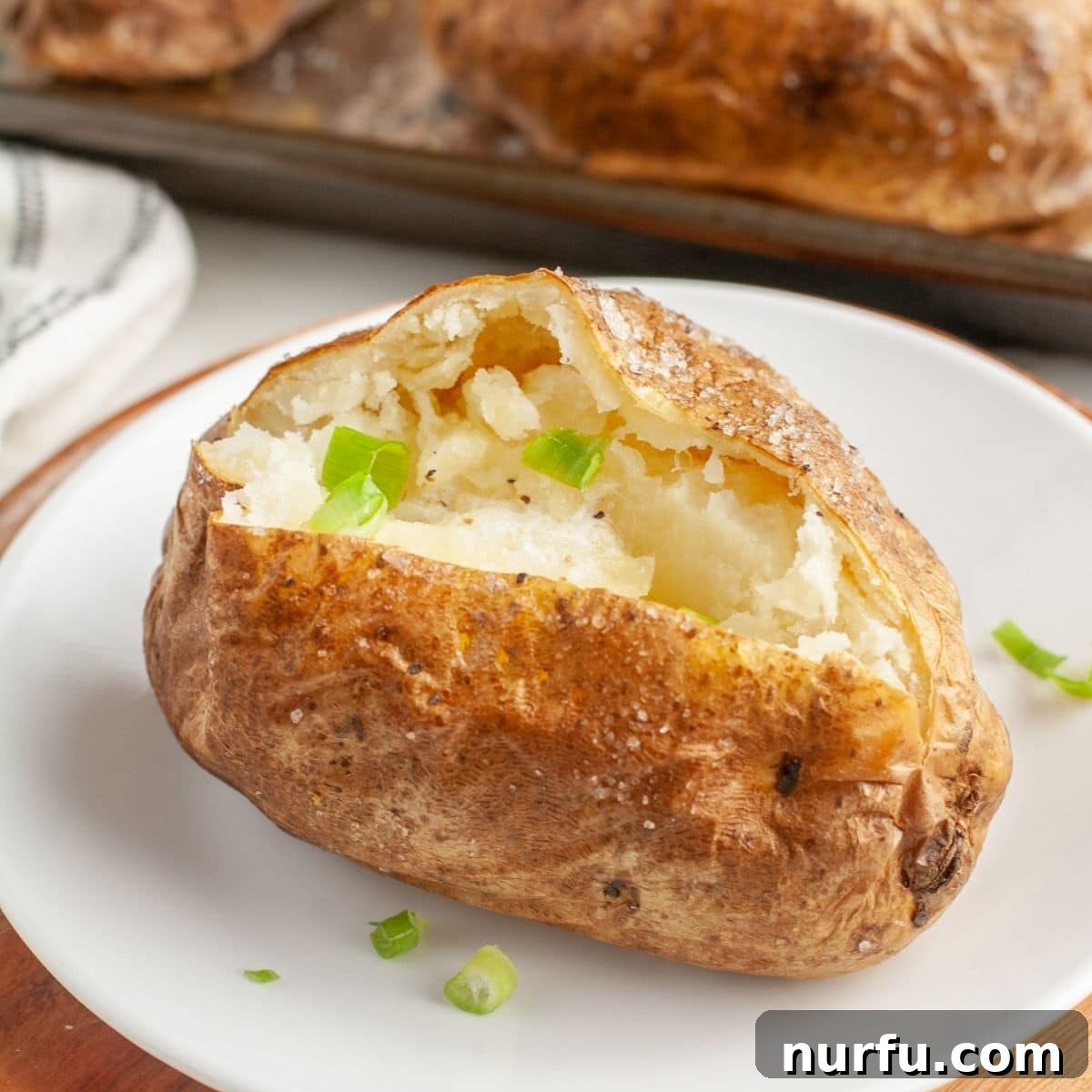
A classic baked potato is more than just a simple side dish; it’s a versatile culinary canvas ready to be transformed into a hearty meal or the perfect accompaniment to your favorite entrée. Achieving that ideal balance of crispy, flavorful skin and a light, fluffy interior is key, and it all starts with knowing the right temperature and duration. In this comprehensive guide, we’ll dive deep into the art of baking potatoes, specifically focusing on how long to bake potatoes at 400 degrees Fahrenheit, ensuring perfection every time. Whether you’re a seasoned home cook or a kitchen novice, these tips and techniques will help you master the ultimate oven-baked potato.
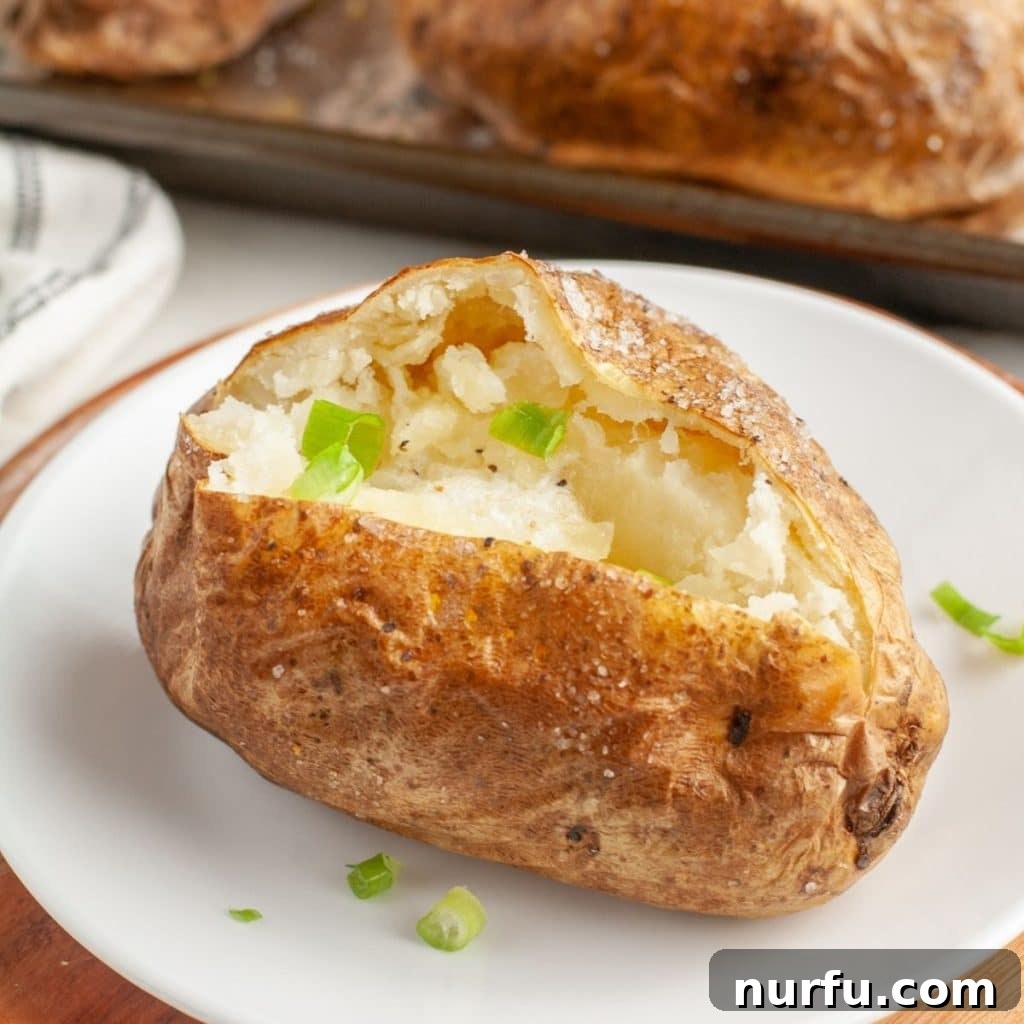
There’s something incredibly satisfying about a perfectly cooked baked potato. Its simplicity allows it to pair beautifully with robust main courses like juicy chicken, tender pork, or a sizzling steak. Beyond its role as a side, it readily transforms into a complete meal when stuffed with savory fillings such as chili, shredded chicken, or hearty vegetables. Our recipe focuses on delivering that sought-after salty, crisp skin and a melt-in-your-mouth fluffy texture within, making it a delicious and surprisingly easy dish to prepare.
Why 400 Degrees Fahrenheit for Baked Potatoes?
Choosing the right oven temperature is crucial for baked potato success. While potatoes can be baked at various temperatures, 400°F (200°C) strikes an excellent balance. This temperature is high enough to ensure the skin crisps beautifully and develops a rich flavor, yet moderate enough to allow the interior to cook thoroughly and become wonderfully fluffy without drying out. Lower temperatures might lead to a softer skin, while higher temperatures could risk burning the exterior before the inside is fully cooked. For that quintessential crispy-on-the-outside, fluffy-on-the-inside potato, 400°F is your sweet spot.
Ingredients You’ll Need
Crafting the perfect baked potato requires just a few simple, high-quality ingredients. The magic happens when these elements come together with proper technique.
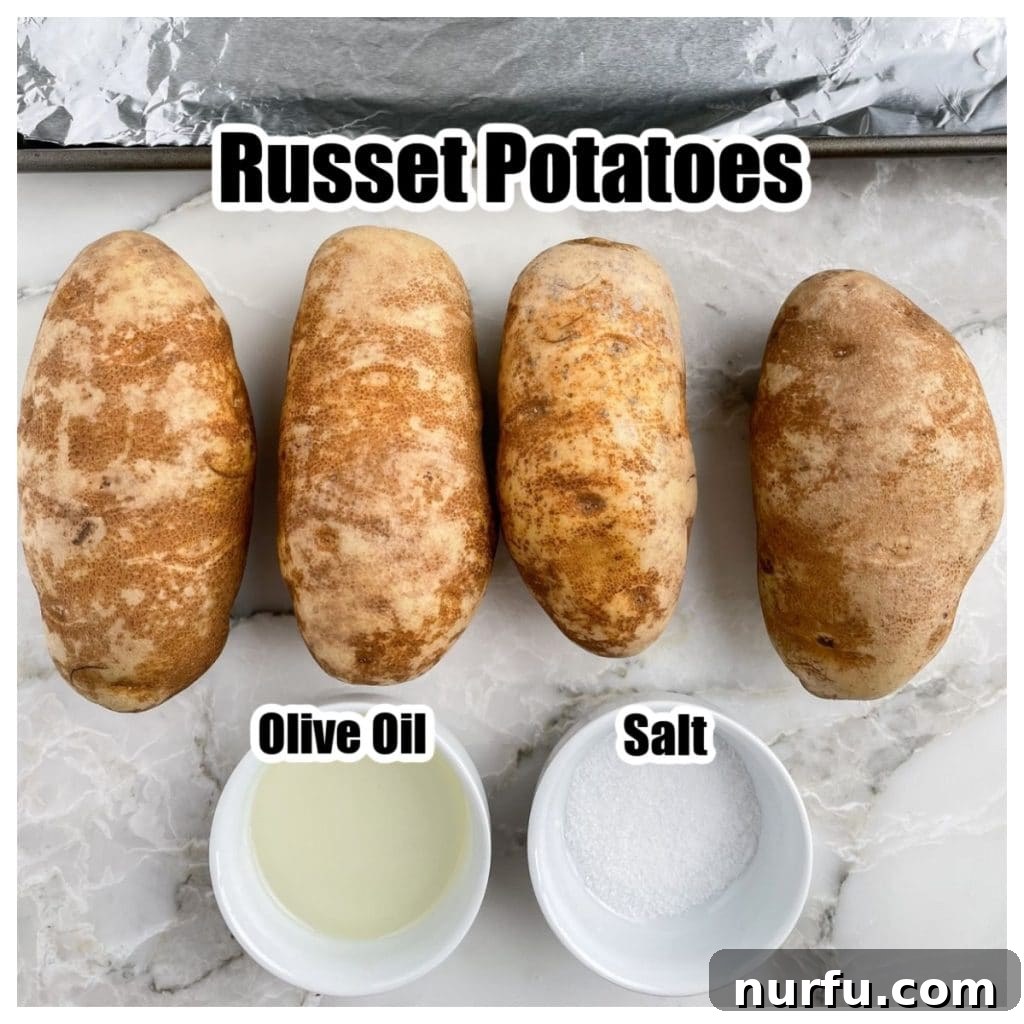
- Potatoes: The star of our dish. For truly superior baked potatoes, we highly recommend using Russet potatoes (also known as Idaho potatoes). Their high starch content and thick skin are perfectly suited for baking, yielding that desirable fluffy interior and sturdy, crisp exterior. Look for medium to large potatoes, uniform in size if possible, to ensure even cooking.
- Olive Oil: Essential for achieving that coveted crispy skin. Brushing the potatoes with olive oil before baking helps transfer heat efficiently to the skin, encouraging it to become golden brown and delightfully crunchy. It also adds a subtle richness to the flavor. Any good quality olive oil will work.
- Salt: A generous sprinkle of salt is vital, not just for seasoning the skin but also for drawing out moisture, which contributes to its crispiness. Sea salt or kosher salt are excellent choices due to their coarser texture and clean flavor, adhering well to the oiled skin. Adjust the amount to your taste.
How to Bake Potatoes at 400 Degrees Fahrenheit: Step-by-Step Guide
Follow these straightforward steps to achieve a perfectly baked potato with a wonderfully crispy skin and a tender, fluffy interior.
- Prepare Your Oven and Baking Sheet: Begin by preheating your oven to 400 degrees Fahrenheit (200°C). While the oven heats, prepare a baking sheet by lining it with parchment paper or aluminum foil. This prevents sticking and makes cleanup a breeze.
- Clean and Dry the Potatoes Thoroughly: Wash the potatoes under cold running water, scrubbing gently with a vegetable brush to remove any dirt. This step is important, especially since you’ll be eating the skin. After washing, pat the potatoes completely dry with a clean kitchen towel or paper towels. Removing excess moisture is crucial for achieving crispy skin.
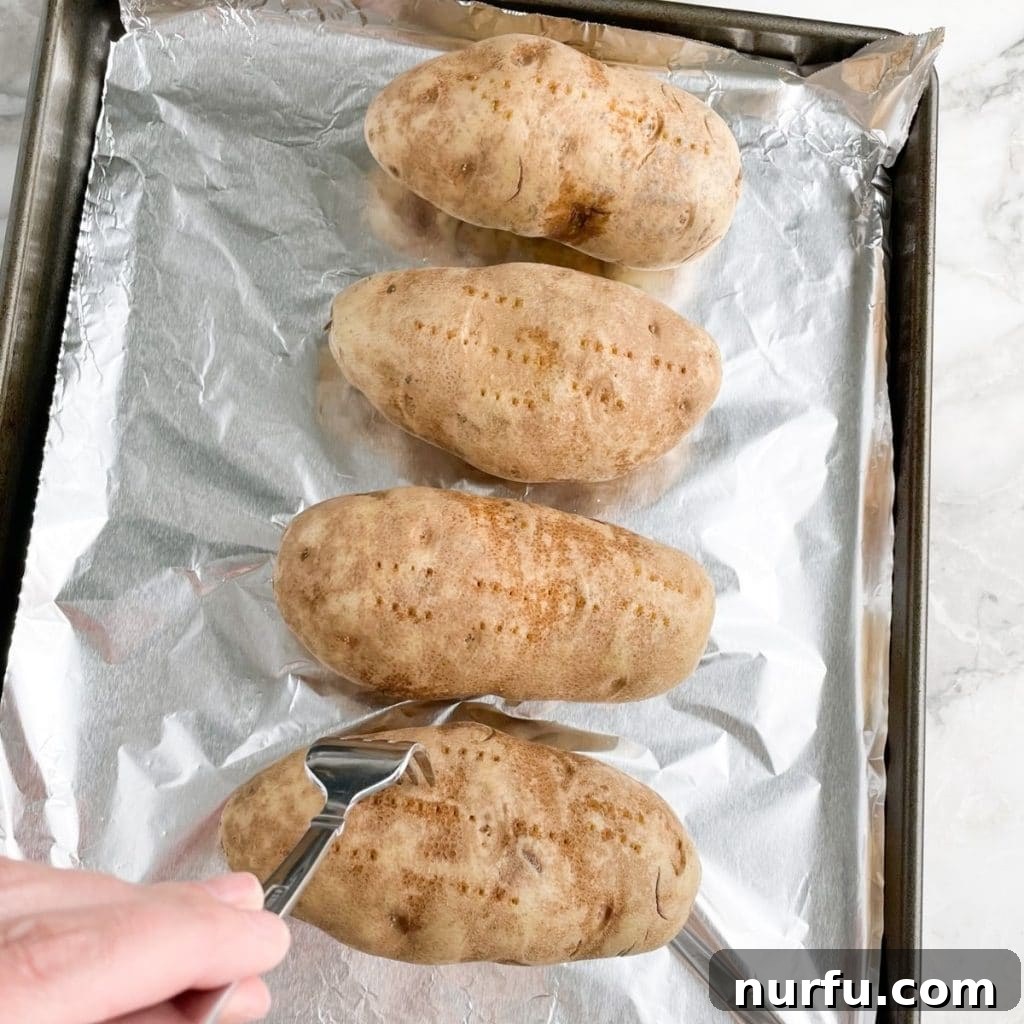
- Vent the Potatoes: Using a fork, carefully poke holes all over the surface of each potato. Aim for about 6-8 punctures per potato. These small holes act as vents, allowing steam to escape during baking. This prevents the potatoes from exploding in the oven and helps ensure a fluffy, not gummy, interior.
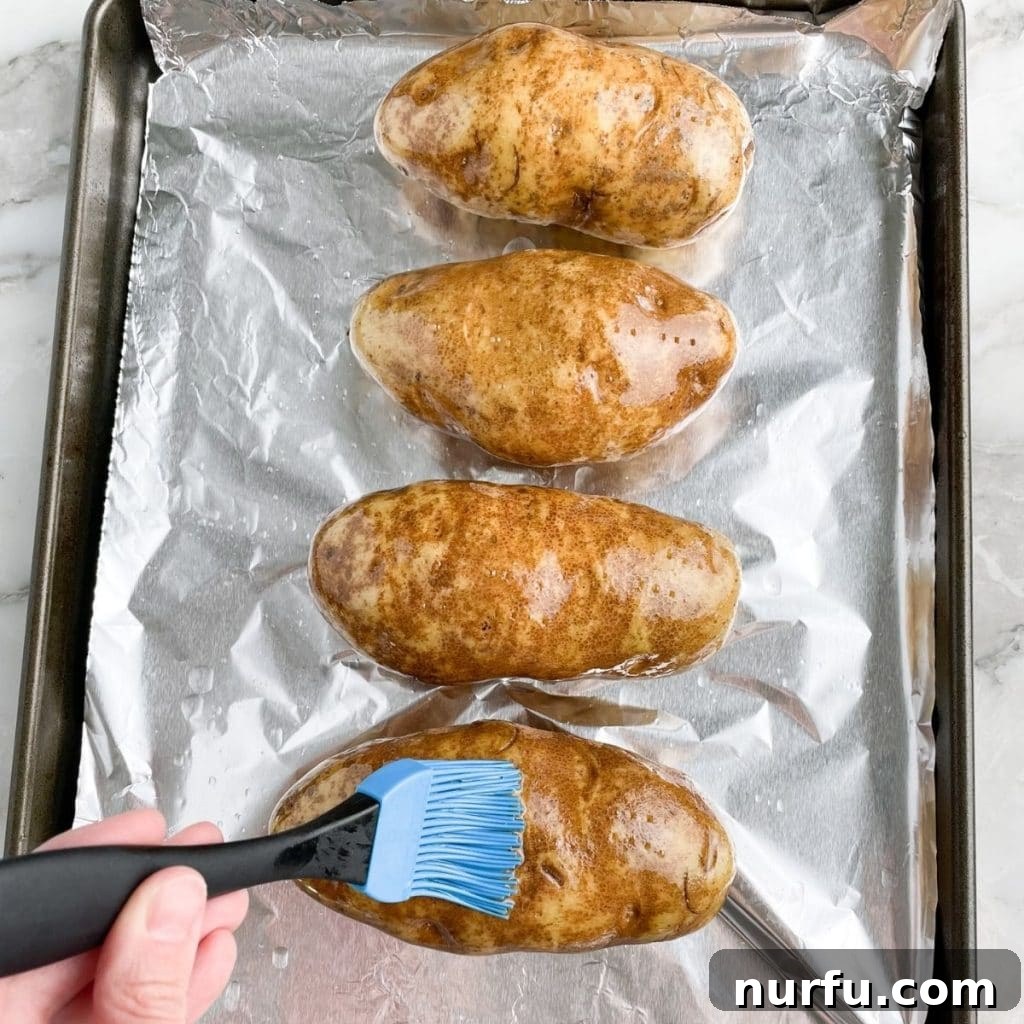
- Oil and Season Generously: Lightly brush each potato all over with olive oil. Ensure the entire surface is coated. This layer of oil is key to crisping the skin. Then, liberally sprinkle the oiled potatoes with your chosen salt (sea salt or kosher salt). Don’t be shy – this seasoning penetrates the skin, enhancing its flavor and texture.
- Bake Until Crispy and Tender: Place the prepared potatoes directly on the lined baking sheet in the preheated oven. Bake for approximately 50-60 minutes. The exact cooking time will depend on the size of your potatoes. Smaller potatoes may be done closer to 50 minutes, while larger ones might need up to 70 minutes. You’ll know they’re ready when the skins are visibly crispy and brown, and a fork or skewer can easily pierce the potato all the way through to the center with little resistance.
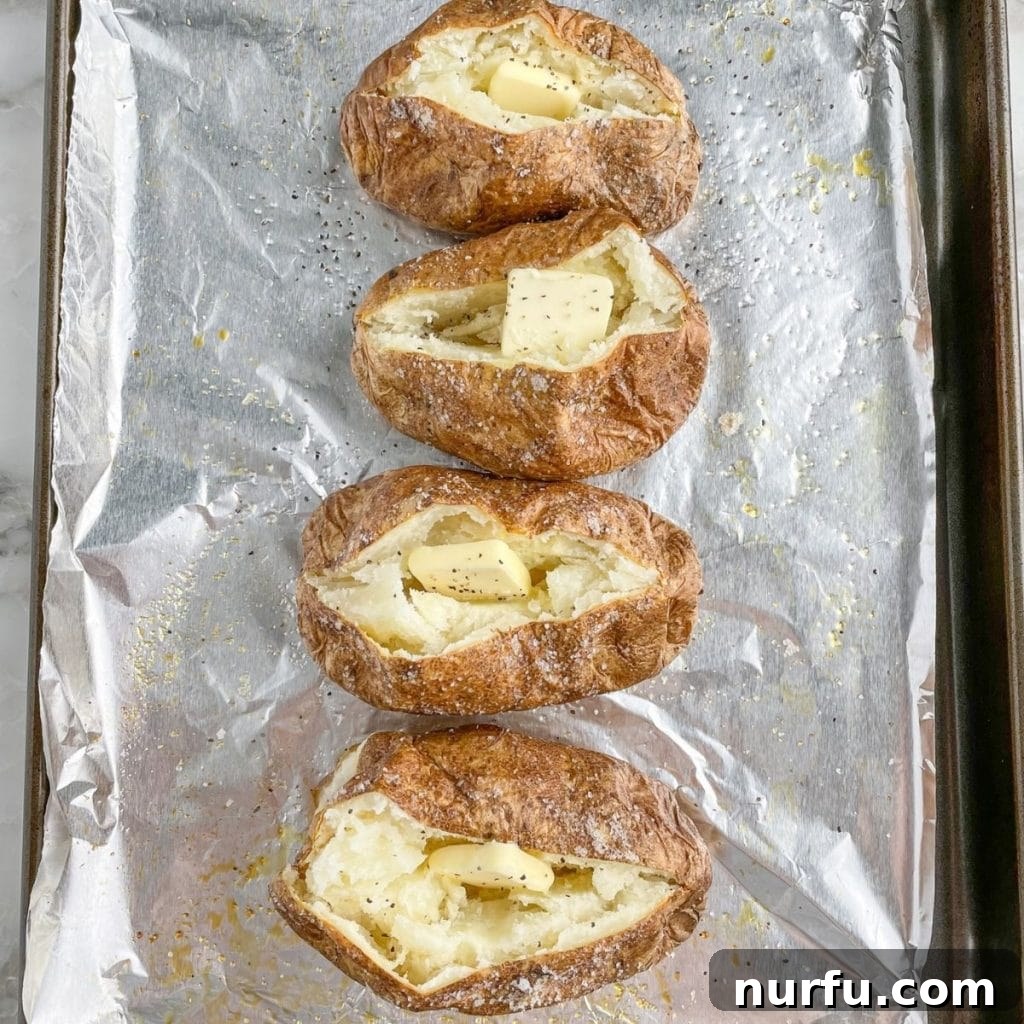
- Rest and Prepare for Serving: Carefully remove the baked potatoes from the oven. Allow them to cool for a few minutes on the baking sheet. This brief resting period allows the internal temperature to equalize and helps the skin maintain its crispness. To serve, slice each potato down the middle lengthwise, but not all the way through the bottom. Gently squeeze the ends towards the center to “fluff up” the interior, creating pockets for your delicious toppings.
Detailed Baking Time Guide for 400°F
The cooking duration for baked potatoes at 400°F is primarily influenced by their size. Here’s a more detailed breakdown to help you gauge the ideal baking time:
- Small Potatoes (approx. 5-7 oz): Expect these to bake for about 45-55 minutes. They’re perfect when you need a quick side dish.
- Medium Potatoes (approx. 8-10 oz): These are the most common size and typically require 55-65 minutes in the oven. This is often the sweet spot for many recipes.
- Large Potatoes (approx. 11-14 oz): For substantial potatoes, plan on baking them for 65-75 minutes.
- Extra-Large Potatoes (over 14 oz): These can take anywhere from 75 minutes to 90 minutes or even longer, depending on their girth. It’s especially important to check internal temperature for these.
Always prioritize the doneness test over strict timing. A potato is perfectly baked when its skin is crisp and easily yields to a fork, and its internal temperature reaches 208-212 degrees Fahrenheit (98-100°C). Using a digital meat thermometer is the most accurate way to confirm doneness and prevent under or overcooking.
Expert Tips for the Perfect Potato
Beyond the basic steps, these additional tips will elevate your baked potato game from good to extraordinary:
- No Foil Needed for Crispy Skin: A common misconception is to wrap potatoes in aluminum foil before baking. While foil can help cook potatoes faster by steaming them, it traps moisture, which prevents the skin from crisping. For that desirable crunchy exterior, always bake your potatoes unwrapped.
- The Importance of Thorough Drying: As mentioned, patting the potatoes completely dry after washing is critical. Any residual moisture on the skin will steam rather than crisp, resulting in a soft, leathery texture.
- Don’t Skip the Prick: Poking holes with a fork allows steam to escape, preventing internal pressure buildup (which can make potatoes explode) and ensures a fluffy, dry interior.
- Internal Temperature Check for Certainty: The best way to guarantee your potato is perfectly cooked through without being overcooked is to check its internal temperature. Insert a meat thermometer into the thickest part of the potato; it should register between 208°F and 212°F (98°C and 100°C) for a hot, incredibly fluffy result.
- Fluffing for Maximum Enjoyment: Once out of the oven, make a lengthwise cut down the center of the potato (without cutting all the way through the bottom). Then, gently push the ends of the potato towards the center. This action breaks up the starchy interior, creating a light, airy texture that’s perfect for absorbing butter and other toppings.
- Bake Directly on the Oven Rack (Optional): For even crispier skin all around, some prefer to place the potatoes directly on the oven rack, with a baking sheet underneath to catch any drips. This allows for maximum air circulation. However, baking on a lined sheet works perfectly fine and is less messy.
- Consider Salt Brine (Advanced Technique): For an extra layer of flavor and crispiness, some chefs recommend soaking potatoes in a saltwater solution (brine) for an hour or two before baking. This helps season the potato throughout and further dehydrates the skin. Remember to thoroughly dry them afterwards.
Delicious Baked Potato Topping Ideas
The beauty of a baked potato lies in its ability to be customized with an endless array of toppings. Here are some classic and creative ideas to inspire your next potato creation:
Classic Toppings:
- Butter: A generous pat of butter, especially unsalted, is a timeless choice, melting into the fluffy interior for rich flavor.
- Sour Cream: A dollop of cool, tangy sour cream (or Greek yogurt for a lighter option) provides a refreshing contrast.
- Cheese: Shredded cheddar cheese, a cheddar blend, or Colby Jack melts beautifully into the hot potato.
- Bacon: Crumbled crispy bacon, whether homemade air-fried bacon or oven-baked turkey bacon, adds a smoky, salty crunch. Bacon bits work too!
- Chives/Green Onions: Freshly diced chives or green onions add a mild onion flavor and vibrant color.
Gourmet & Hearty Toppings:
- Chili: Transform your potato into a substantial meal by topping it with a spoonful of your favorite beef or vegetarian chili.
- Pulled Pork/Chicken: Shredded BBQ pulled pork or chicken makes for a wonderfully savory and filling topping.
- Steamed Broccoli & Cheese Sauce: A healthier yet comforting option, pairing perfectly with melted cheese.
- Salsa & Avocado: For a fresh, vibrant twist, add some homemade salsa and sliced or mashed avocado.
- Fried Egg: A sunny-side-up or fried egg on top turns your baked potato into a fantastic breakfast or brunch item.
- Garlic Confit & Herbs: Soft, flavorful garlic confit with fresh rosemary or thyme offers an elegant touch.
- Caramelized Onions & Blue Cheese: A sophisticated combination of sweet and pungent flavors.
Don’t be afraid to mix and match to create your ultimate baked potato masterpiece!
Storing and Reheating Leftover Baked Potatoes
Leftover baked potatoes are a delicious bonus, perfect for quick meals or snacks. Proper storage and reheating ensure they remain enjoyable.
Storing:
Allow the baked potatoes to cool completely to room temperature within two hours of cooking. Once cool, wrap them individually in aluminum foil or place them in an airtight container. Store them in the refrigerator for up to 3-5 days. Do not store at room temperature for extended periods, as this can lead to bacterial growth.
Reheating:
To bring your baked potatoes back to their crispy, fluffy glory, avoid the microwave, which tends to make them soggy. The best methods for reheating are:
- Oven: Preheat your oven to 400°F (200°C). Place the unwrapped potatoes directly on the oven rack. Reheat for 20-30 minutes, or until heated through and the skin is re-crisped.
- Air Fryer: For a quick and efficient reheat, preheat your air fryer to 400°F (200°C). Place the potato in the air fryer basket and cook for 8-12 minutes, flipping halfway, until hot and crispy.
Frequently Asked Questions About Baked Potatoes
Here are answers to some common questions about baking potatoes:
Should I wrap potatoes in foil to bake them?
No, for the best results and a crispy skin, do not wrap potatoes in foil. Foil traps moisture, essentially steaming the potato, which prevents the skin from becoming crispy and can lead to a less desirable texture.
What kind of potatoes are best for baking?
Russet potatoes (also known as Idaho potatoes) are widely considered the best choice for baked potatoes. Their high starch content results in a wonderfully fluffy interior, and their thick skin crisps up perfectly.
How do I get my baked potato skin crispy?
Achieving crispy skin involves several key steps: using high-starch potatoes like Russets, washing and thoroughly drying the potatoes, brushing them with olive oil, seasoning generously with salt, and baking them unwrapped at a high temperature (like 400°F).
How do I know when a baked potato is done?
A baked potato is done when its skin is crispy and firm, and a fork or skewer can easily pierce the center. For ultimate accuracy, an internal temperature of 208-212°F (98-100°C) indicates perfect doneness.
Can I prepare potatoes ahead of time for baking?
While you can wash and dry potatoes a day in advance, it’s best to oil and salt them just before baking. Poking holes too far in advance can cause the potatoes to dry out excessively.
Is it okay to use different oils?
While olive oil is recommended for its flavor and properties, you can also use other high-smoke point oils like avocado oil or grapeseed oil for crisping the skin.
More Delicious Potato Recipes to Try
If you love potatoes, you’ll adore these other fantastic recipes that celebrate this versatile vegetable:
- Kielbasa and Potatoes: A hearty and flavorful one-pan meal.
- Air Fryer Potato Wedges: Crispy on the outside, soft on the inside, and healthier than deep-fried.
- Potato Candy: A unique and surprisingly delicious sweet treat!
- Air Fryer Potato Skins: The ultimate appetizer or game-day snack.
- Air Fryer Baked Potatoes: A faster way to achieve perfectly baked potatoes.
- Bake Sweet Potatoes at 400: Explore a healthier, naturally sweet alternative.
Recipe: How Long To Bake Potatoes At 400°F
How Long To Bake Potatoes At 400
Learn how to make perfectly baked potatoes at 400 degrees F, featuring crispy skin and a fluffy interior. This simple recipe is a fantastic side dish or foundation for a full meal.
Author: Heather Seeley
Prep time: 5 mins
Cook time: 1 hour
Total time: 1 hour 5 mins
Yields: 4 servings
Ingredients
- 4 russet potatoes
- 2 tablespoons olive oil
- 1 teaspoon salt (or to taste, kosher or sea salt recommended)
Instructions
- Preheat your oven to 400 degrees Fahrenheit (200°C). Line a baking sheet with parchment paper or aluminum foil for easy cleanup.
- Wash the potatoes thoroughly under cold water, scrubbing off any dirt. Pat them completely dry with a clean towel.
- Using a fork, poke 6-8 holes all over the surface of each potato. This allows steam to escape during baking.
- Brush each potato generously with olive oil, ensuring the entire surface is coated. Sprinkle liberally with salt.
- Place the potatoes directly on the prepared baking sheet in the preheated oven.
- Bake for 50-60 minutes, or until the skins are crispy and a fork easily pierces the potato to the center. For larger potatoes, this may take up to 70 minutes. The internal temperature should be 208-212°F (98-100°C).
- Carefully remove the potatoes from the oven. Let them cool for several minutes before slicing down the middle (not all the way through). Gently squeeze the ends towards the center to fluff the interior.
- Serve immediately with your favorite toppings.
Notes
- No foil needed: To achieve maximum crispiness, bake potatoes unwrapped. Foil traps moisture and steams the potato, resulting in soft skin.
- Cooking time variation: The baking time can vary depending on the size of your potatoes. Smaller potatoes will cook faster (around 50 minutes), while larger ones will take closer to 60-70 minutes.
- Temperature check: Ensure potatoes are fully cooked by checking their internal temperature with a thermometer; it should be between 208-212°F for a hot, fluffy result.
- Fluffing technique: After slicing, gently squeeze the potato from the ends towards the center to open it up and fluff the starchy interior, creating pockets for toppings.
Nutrition Information (Approximate)
Calories: 230kcal | Carbohydrates: 38g | Protein: 5g | Fat: 7g | Saturated Fat: 1g | Polyunsaturated Fat: 1g | Monounsaturated Fat: 5g | Sodium: 592mg | Potassium: 888mg | Fiber: 3g | Sugar: 1g | Vitamin A: 2IU | Vitamin C: 12mg | Calcium: 28mg | Iron: 2mg
Nutrition information is automatically calculated and should only be used as an approximation.
Additional Information
Course: Side Dish, Main Meal
Cuisine: American
Did you make this tasty side dish? How do you like to top your potatoes? We’d love to hear your thoughts and creative topping ideas! Please share them in the comments below.