
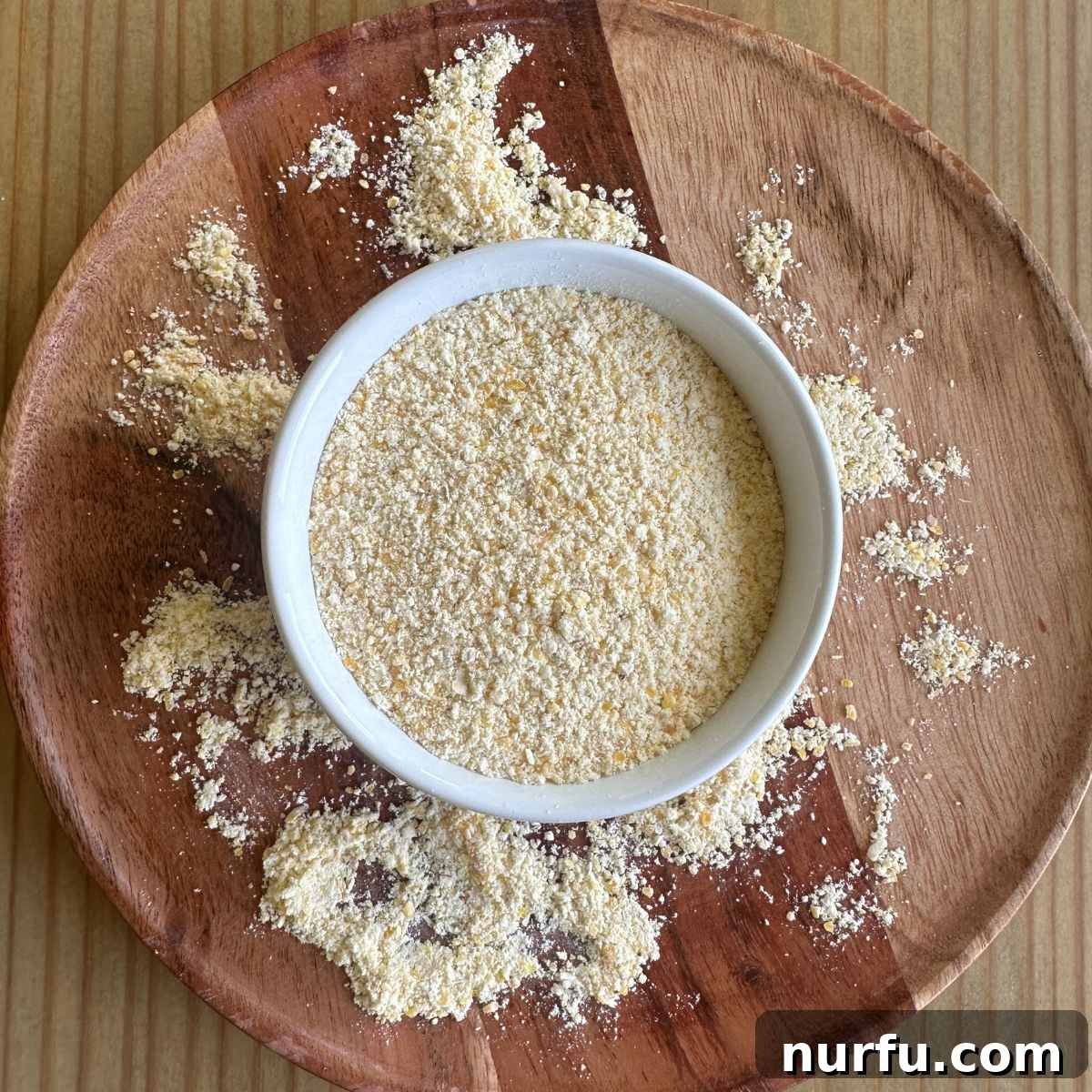
Top 12 Amazing Cornmeal Substitutes for All Your Culinary Needs
Cornmeal, a staple ingredient in countless kitchens around the globe, is celebrated for its distinctive texture, subtle sweetness, and its ability to add structure and character to a wide array of dishes. From crispy fried chicken to fluffy cornbread and crunchy pizza crusts, cornmeal is truly versatile. However, whether you’re dealing with dietary restrictions, an unexpected pantry shortage, or simply seeking a different culinary experience, knowing reliable cornmeal substitutes can be a game-changer. This comprehensive guide explores the best alternatives to cornmeal, detailing their unique properties, ideal uses, and how to successfully incorporate them into your recipes.
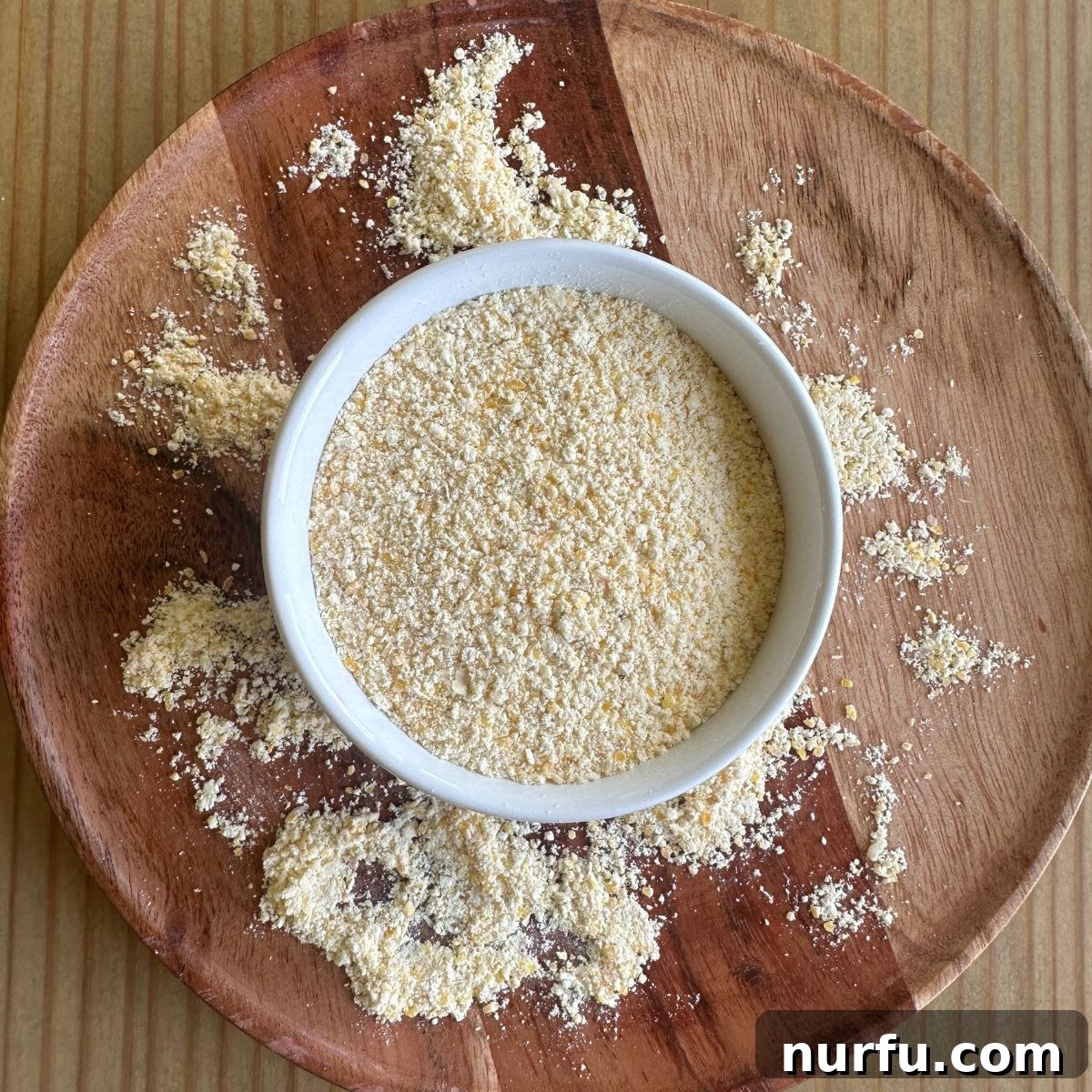
1. Corn Flour: For a Finer Touch
Often confused with cornmeal, corn flour is actually one of the most natural and effective cornmeal alternatives, especially when aiming for a finer texture. Both are derived from dried corn kernels, but the key difference lies in their milling process. While cornmeal is coarsely ground, corn flour is meticulously milled into a very fine, powdery consistency, akin to wheat flour. This makes it an excellent substitute if you find the granular texture of cornmeal a bit too rough for your preference.
When using corn flour as a cornmeal substitute, your final dish will retain the inherent sweet flavor that corn brings, but with a significantly smoother mouthfeel. It’s particularly well-suited for recipes where you want a delicate crumb, such as in certain baked goods like muffins, pancakes, or light breadings. It can also act as an effective thickening agent for sauces, gravies, and soups, providing a silky finish without adding a gritty texture. Because it’s a direct corn product, it maintains the flavor profile, making it an almost seamless swap in many recipes. Typically, you can substitute corn flour for cornmeal in a 1:1 ratio, though you might notice a slightly denser result in baked goods due to the lack of coarseness.
2. Grits: Embrace the Coarser Grain
If your primary reason for seeking an alternative is to achieve a *more* coarse texture than what standard cornmeal offers, then grits are an ideal choice. Also made from dried corn, grits are ground much more coarsely than cornmeal, resulting in larger, more distinct pieces. This makes them a fantastic cornmeal alternative for dishes where a robust, chewy texture is desired, or when you want a substantial coating.
While grits might not be the best substitute for delicate cookies or fine bread applications where a smooth texture is paramount, they excel in other culinary contexts. Think of dishes like creamy polenta, hearty breakfast cereals, or as a crunchy coating for fried foods such as fish or chicken, offering an extra layer of texture. They can also be used in recipes that call for a more rustic feel, providing a pleasant chewiness that standard cornmeal can’t match. If you have family members who are particularly sensitive to the texture of their food and prefer something with more bite, grits can be a fantastic way to introduce variety. When substituting, be aware that grits may absorb more liquid and take longer to cook than cornmeal, so adjust your cooking times and liquid content accordingly.
3. Almond Flour: The Gluten-Free, Nutty Alternative
For those looking for a gluten-free and corn-free alternative, almond flour is a superb option. Made from blanched, ground almonds, it offers a finer texture than cornmeal and introduces a delightful, subtle nutty flavor to your dishes. This unique taste profile can be a welcome addition, especially in baked goods where you want to add a touch of sophistication without drastically altering the recipe’s core flavor.
Almond flour is rich in protein, healthy fats, and fiber, making it a more nutritious choice for many. It’s widely used in keto and low-carb baking. When substituting cornmeal with almond flour, you’ll achieve a finer crumb and a slightly denser product. Its moisture absorption can vary, so you might need to slightly adjust the liquid content in your recipe. It shines in cakes, muffins, cookies, and even as a breading for chicken or fish, imparting a golden crust with a lovely nutty aroma. While it doesn’t provide the same sweetness as cornmeal, its mild flavor profile blends beautifully, allowing you to easily adjust sugar levels as needed. For most applications, a 1:1 substitution ratio works well, but always monitor the batter consistency.
4. Coconut Flour: A High-Fiber, Unique Option
Another excellent corn-free and gluten-free cornmeal alternative is coconut flour. This unique flour is made from dried, defatted coconut meat, resulting in a product that is incredibly rich in dietary fiber and has a distinct, light texture. Coconut flour is known for its remarkable absorbency, which means it behaves quite differently from other flours, including cornmeal.
When used as a cornmeal substitute, coconut flour will significantly lighten the texture of baked goods and infuse them with its characteristic mild sweetness and a hint of coconut flavor. While it won’t provide the same pronounced sweetness as cornmeal, its natural slight sweetness can be appealing. The high fiber content is a major nutritional benefit. Due to its high absorbency, you cannot substitute coconut flour for cornmeal in a 1:1 ratio. Typically, you’ll need to use much less coconut flour (often about 1/4 to 1/3 of the amount of cornmeal) and significantly increase the liquid content in your recipe to prevent your baked goods from becoming too dry and crumbly. It’s best suited for recipes like muffins, quick breads, and certain cookies where a lighter, airier texture is desired. Experimentation is key when baking with coconut flour to find the perfect balance.
5. Wheat Flour: The Universal Thickener and Binder
Wheat flour is arguably the most common and versatile flour in most pantries, making it a readily available and practical cornmeal alternative. It’s particularly useful if you’re looking to avoid corn products due to allergies or dietary preferences. Wheat flour generally has a finer texture than cornmeal, especially all-purpose flour, making it more akin to corn flour in terms of consistency.
While wheat flour is primarily known for its role in thickening and baking, it can effectively replace cornmeal in various applications. It can thicken soups and stews, providing a smooth consistency without the grit. In baking, it will yield a softer crumb compared to cornmeal and won’t offer the same crispiness in coatings. Since wheat flour lacks the natural sweetness of cornmeal, you will likely need to add a bit of extra sugar to your baked goods to achieve the desired flavor profile. Furthermore, wheat flour contains gluten, which will impact the texture and elasticity of your final product, making it suitable for recipes where you want more chew or structure. It also works wonders for dusting surfaces to prevent dough from sticking, much like cornmeal. For most uses, you can substitute wheat flour for cornmeal in a 1:1 ratio, keeping in mind the need for sweetness adjustment in sweet recipes.
As an additional note, if you are looking to avoid wheat products, **rice flour** is another excellent gluten-free alternative that shares some textural qualities with finely ground cornmeal and can be used for similar purposes, especially in thickening and light baking. Rice flour will give a very fine, somewhat delicate texture, but also lacks the natural sweetness of corn.
6. Oats: A Wholesome and Textured Choice
Oats, particularly when ground into oat flour or simply used as quick oats, present a remarkably healthy and textured cornmeal alternative. Rich in fiber, essential minerals like calcium, and known for their ability to promote satiety, oats are an excellent choice for health-conscious cooks or those following a diet. The textural properties of oats make them an interesting substitute, offering a unique mouthfeel that differs slightly from cornmeal.
If you’re seeking a cornmeal replacement that offers significant texture and nutritional benefits, oats are a fantastic way to go. For applications requiring a finer consistency, such as in baked goods or as a binder, you’ll need to grind rolled oats into a flour using a food processor or blender. This process allows you to customize the consistency, from a coarse meal to a fine flour, through some trial and error. Unground quick oats can be used as a textured coating or in rustic breads. Oats will provide a subtle, earthy flavor and can add a pleasant chewiness. While they don’t offer the same sweetness as cornmeal, their mild taste makes them adaptable to both sweet and savory dishes. Always ensure you choose certified gluten-free oats if you have gluten sensitivities. A 1:1 substitution ratio works for oat flour in many recipes, but assess the moisture level of your batter or dough.
7. Breadcrumbs: The Savory and Textural Stand-in
Breadcrumbs are a surprisingly effective cornmeal alternative, especially when you need a similar coarseness and textural contribution. They are made from dried bread that has been processed into coarse crumbs, mimicking the granular feel of cornmeal. If you’re looking to eliminate corn from your diet but still desire the characteristic texture that cornmeal imparts to breadings, toppings, or binders, breadcrumbs are an excellent choice.
Breadcrumbs excel in applications like breading for fried foods, topping casseroles, or as a filler in meatloaves and meatballs, where their texture and absorbent qualities can closely replicate cornmeal’s role. However, a significant consideration when using store-bought breadcrumbs is that many varieties come pre-seasoned with herbs, spices, and salt. This can be problematic if you’re making a sweet baked good or a dish where those specific seasonings would be unwelcome. Opting for plain, unseasoned breadcrumbs is crucial for sweet applications, though these can sometimes be harder to find or may require making your own from stale bread.
Another point to consider is cost. Cornmeal is typically a more economical ingredient, whereas a container of specialty unseasoned breadcrumbs might be more expensive. Despite this, their similar texture makes them a valuable last-minute substitute. For most savory uses, a 1:1 substitution is appropriate, but be mindful of the added salt and adjust other seasonings in your recipe accordingly.
8. Flaxseed: A Nutritional Powerhouse with Binding Qualities
Ground flaxseed is a phenomenal substitute for cornmeal, particularly if you’re focused on enhancing the nutritional profile of your meals or adhering to a specific diet. When ground to a consistency similar to fine cornmeal, flaxseed can act as an effective binder and texturizer. It’s an excellent choice for those looking to eliminate corn products while still enjoying their favorite baked goods, especially if weight management or digestive health is a priority.
Flaxseed is renowned for its high content of omega-3 fatty acids, fiber, and lignans. According to Healthline, one tablespoon of ground flaxseed contains approximately 37 calories and 2 grams of carbs, making it a nutrient-dense ingredient. (source) Its consumption is often linked to improved digestive health and can aid in weight loss efforts due to its fiber content, which promotes satiety. However, it’s important to note that flaxseed is highly absorbent and can also act as an egg replacer (often called a “flax egg”). This means it will absorb liquids in your recipe, potentially altering the texture. You should only consume 1-2 tablespoons a day due to its potent fiber content, and it’s advisable to consult a healthcare professional if you have pre-existing digestive issues.
When substituting, you’ll need to grind whole flaxseeds right before use for optimal freshness and nutrient absorption. While it won’t offer the same sweetness as cornmeal, its mild, slightly nutty flavor is versatile. It’s best used in recipes where its binding properties and nutritional boost are desired, such as in muffins, health breads, or as a coating where a rustic texture is welcome. Start with a smaller amount, perhaps a half to two-thirds the amount of cornmeal, and adjust liquids as needed.
9. Ground Nuts: For Richness and Texture
When ground into a meal or flour, various nuts can serve as a wonderful and flavorful cornmeal alternative. Nuts like pecans, walnuts, hazelnuts, or even peanuts can add a distinct richness, texture, and nutritional value to your dishes. Many nuts are incredibly healthy, packed with good fats, protein, and essential micronutrients, making them a beneficial addition to your diet.
Using ground nuts as a cornmeal substitute is excellent if you’re looking to introduce a different flavor profile and texture. The resulting texture will depend on how finely you grind the nuts; a coarser grind will mimic cornmeal more closely, while a finer grind will yield a denser, cake-like consistency. However, it’s crucial to remember that nuts do not inherently possess the sweetness of cornmeal. Therefore, if you’re using them in baked goods, you will almost certainly need to compensate by adding a bit more sugar to achieve the desired level of sweetness. Ground nuts are particularly fantastic in desserts like tarts, cakes, and cookies, where their rich flavor can truly shine. They can also be used as a unique breading for savory items, offering a gourmet twist. Always be mindful of nut allergies when incorporating them into recipes. For substitution, a 1:1 ratio can often work, but consider the fat content of the nuts, which might require slight adjustments to other fats in your recipe.
10. Tortilla Chips: The Unexpected Crunch
In a pinch, and perhaps surprisingly, finely ground tortilla chips can be used as a creative and convenient cornmeal alternative. This option is particularly useful if you find yourself with an empty pantry and a craving for something with a corn-like texture. Tortilla chips are essentially made from corn masa, often with wheat products, and can be easily ground to your desired consistency using a food processor or even a rolling pin.
When ground, tortilla chips can provide a similar texture and a hint of corn flavor to your dishes. They are particularly effective as a crunchy coating for fried foods, a topping for casseroles, or as a binder in savory dishes where a slightly salty kick is welcome. However, the most significant drawback is their inherent saltiness and often added seasonings. Unless you’re making a very savory dish, the extra salt may be unnecessary and could overpower your recipe. If you’re using them in a sweet recipe, you’ll need to carefully balance the sugar to counteract the salt. If you’re trying to eliminate *all* corn products from your diet, you’ll need to be diligent in finding tortilla chips explicitly labeled as corn-free, though most are corn-based.
As a last-minute cornmeal alternative, they can be a lifesaver, especially for breadings or textural additions. Start with a 1:1 substitution ratio, but always taste your dish and adjust other seasonings, especially salt, accordingly.
11. Ground Cereal: A Fun and Accessible Option
Depending on the type of cereal you have on hand, ground breakfast cereal can be an inventive and accessible cornmeal alternative, especially when you’re in a bind. When processed to the right consistency, certain cereals can impart a texture to baked goods or coatings that is surprisingly similar to that achieved with cornmeal.
For this substitute to work effectively, it’s important to choose the right type of cereal. Opt for plain, unsweetened cereals, ideally those with a high flour content (like corn flakes, rice crispies, or even plain oat-based cereals). Heavily sweetened or flavored cereals can drastically alter the taste of your dish. By grinding these cereals into a fine or coarse meal in a food processor, you can mimic the textural properties of cornmeal. This makes them suitable for use in breadings, as a crunchy topping for bakes, or even as a binder in some savory recipes. They won’t provide the natural sweetness of cornmeal, so you’ll need to adjust sugar levels in sweet recipes. If you’re looking for a quick, last-minute alternative to add texture and substance, particularly for a breading or a topping, cereal can be an excellent choice. Begin with a 1:1 substitution, but be mindful of any inherent flavors or sweetness in your chosen cereal.
12. Polenta: The Close Cousin with a Finer Grind
Polenta is perhaps the closest culinary cousin to cornmeal, making it an almost foolproof substitute. In essence, polenta *is* cornmeal, specifically medium or coarse-ground yellow cornmeal, but often with a slightly finer or more uniform grind than some standard cornmeal varieties. It’s widely known for its use in Italian cuisine, where it’s typically cooked into a creamy, hot porridge.
Because polenta is made from corn, it shares all the inherent qualities of cornmeal: its subtle sweetness, distinct corn flavor, and ability to add structure and texture. If you’re seeking a cornmeal alternative with a finer texture than typical coarse cornmeal but still desire that authentic corn flavor and sweetness in your baked goods or savory dishes, polenta is an outstanding choice. It will create a smooth yet substantial consistency. You can use polenta in virtually any recipe that calls for cornmeal, from cornbread and muffins to coatings for fried foods. The substitution is usually a straightforward 1:1 ratio, and you’ll find that it integrates seamlessly into most recipes, delivering results very similar to what you’d expect from cornmeal itself. Just ensure you’re using uncooked, dry polenta, not pre-cooked varieties.
Conclusion: A World of Cornmeal Alternatives Awaits
Cornmeal is undoubtedly a fantastic ingredient, but as we’ve explored, the culinary world offers a rich tapestry of substitutes to meet every need. Whether you’re navigating dietary restrictions like gluten or corn allergies, aiming for a healthier profile, experimenting with different textures, or simply ran out of cornmeal in the middle of a recipe, there’s a perfect alternative for you. From the fine powder of corn flour to the hearty texture of grits, the nutty notes of almond flour, the fibrous density of coconut flour, or the unexpected crunch of ground tortilla chips, each substitute brings its own unique characteristics to the table.
Remember to consider the desired texture, flavor profile, and the specific role cornmeal plays in your recipe before choosing your substitute. Don’t be afraid to experiment with different options and adjust liquids or sweeteners as needed. With this guide, you’re well-equipped to confidently explore a world of culinary possibilities, ensuring your dishes are always delicious, no matter what your pantry holds.
More Ingredient Substitutions You Might Find Useful
- Substitutes for Mushrooms: 8 Great Options
- Substitutes for Ground Mustard: Your Go-To Guide