
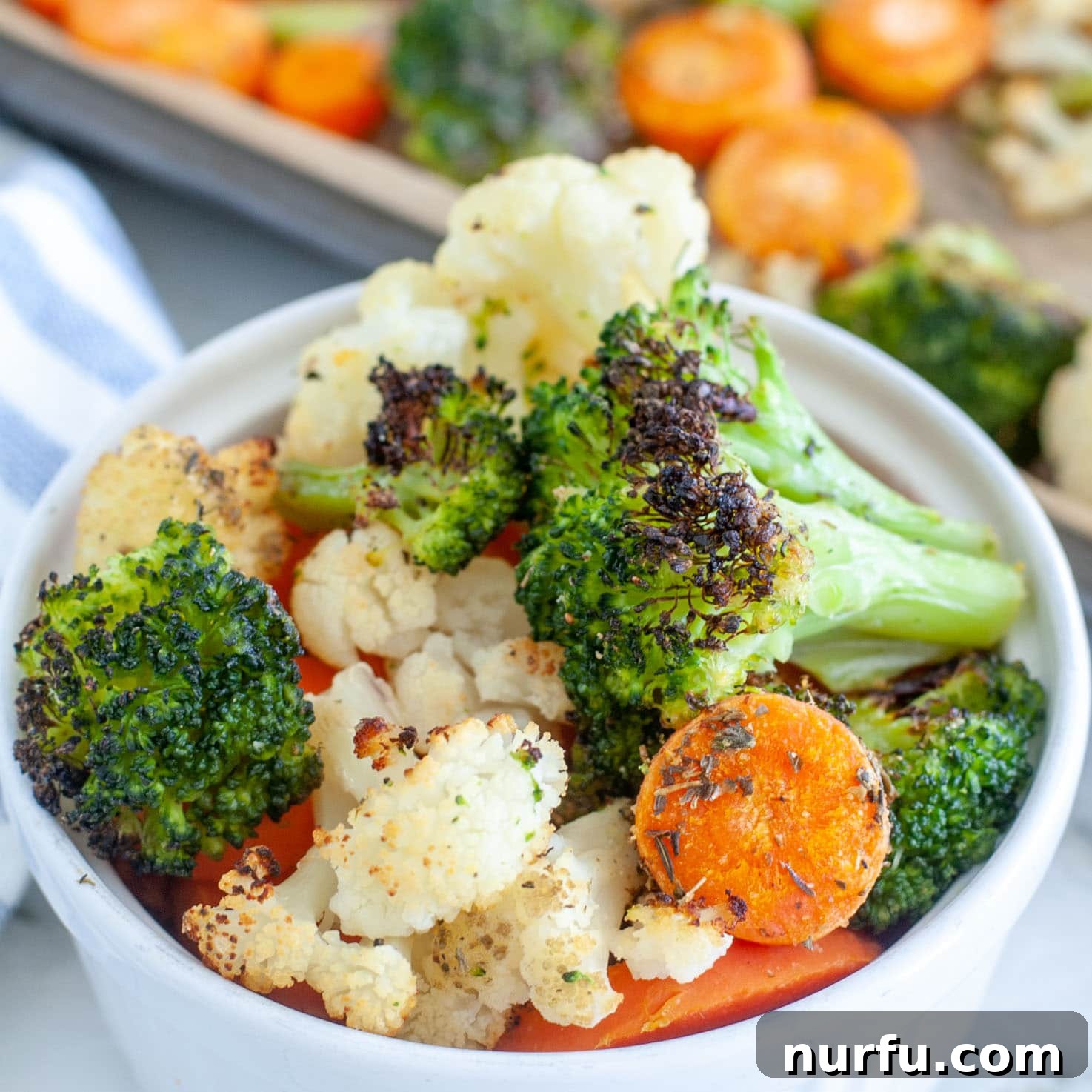
Transforming humble frozen vegetables into a delectable and crispy side dish is not only quick and simple but also a remarkably delicious way to elevate your everyday meals. Forget the myth that frozen veggies are inferior; with the right technique, you can unlock their full potential, creating perfectly roasted vegetables that are bursting with flavor and delightful texture. This comprehensive guide will show you just how easy it is to achieve wonderfully roasted frozen vegetables, turning a pantry staple into a mealtime star.
Frozen vegetables are a true hero in any kitchen, and for good reason. They are an incredibly convenient, nutritious, and cost-effective staple that consistently earns its spot in our freezers. Unlike fresh produce, which can sometimes spoil quickly, frozen vegetables offer a longer shelf life, significantly reducing food waste. They come pre-chopped and pre-washed, eliminating tedious prep work and saving you valuable time on busy weeknights. Beyond their practical advantages, frozen vegetables are often flash-frozen at their peak ripeness, locking in essential vitamins and minerals, making them just as nutritious—and sometimes even more so—than their fresh counterparts.
While I often enjoy preparing vegetables like broccoli and asparagus in the air fryer for an extra crisp finish, oven roasting presents an equally fantastic and accessible option. Roasting frozen vegetables in the oven is a versatile cooking method that allows for consistent results, producing tender interiors and beautifully caramelized exteriors. It’s a reliable choice when your air fryer is in use or when you simply prefer the hands-off approach of oven cooking. This method not only simplifies healthy eating but also allows for endless flavor customization, making vegetables an exciting addition to any meal.
The Irresistible Benefits of Roasting Frozen Vegetables
If you’ve ever hesitated to roast frozen vegetables, prepare to be convinced. This method is a game-changer for several compelling reasons:
- Effortless, No-Thaw Preparation: One of the greatest advantages is the complete elimination of thawing time. You can take your frozen vegetables directly from the freezer to the mixing bowl, then straight into the hot oven. This saves precious minutes, streamlines your cooking process, and surprisingly, contributes to a crispier end product by allowing the high heat to quickly evaporate surface moisture rather than letting it turn vegetables soggy.
- Incredibly Versatile for Any Meal: Roasted frozen vegetables are a culinary chameleon. Their neutral base makes them perfect for absorbing a wide array of flavors. Whether you prefer a simple sprinkle of salt and pepper, a vibrant spice blend, or an herb-infused dressing, these vegetables can be customized to complement any cuisine or main dish. They can serve as a simple side, a hearty addition to grain bowls, a healthy snack, or even a base for salads.
- Remarkably Simple with Zero Prep: Say goodbye to chopping, slicing, and dicing. Frozen vegetables come pre-cut and ready to cook, dramatically cutting down on your preparation time. All you need are a few basic ingredients – your chosen frozen veggies, a drizzle of oil, and your favorite seasonings – to create a delicious and healthy dish with minimal effort and cleanup. It’s truly a beginner-friendly recipe that delivers impressive results.
Essential Ingredients for Perfect Roasted Frozen Vegetables
Achieving perfectly roasted frozen vegetables requires only a handful of simple ingredients. The quality and type of these components will significantly influence the final taste and texture of your dish.
- High-Quality Frozen Vegetables: The foundation of this dish. Opt for your favorite mixed vegetables or single-variety bags. Popular choices that roast exceptionally well include broccoli florets, cauliflower florets, sliced bell peppers, carrots, green beans, Brussels sprouts, and corn. Ensure they are free of excessive ice crystals, which can lead to sogginess. A 20 oz bag is a good starting point for a family side dish.
- Olive Oil (or similar healthy fat): Olive oil is essential for helping the vegetables cook evenly, achieve a beautiful golden-brown color, and develop that desirable crispy texture. Its rich flavor also complements most vegetable profiles. If you don’t have olive oil, avocado oil, grapeseed oil, or even melted coconut oil (for a slightly different flavor profile) can be excellent alternatives, offering high smoke points suitable for roasting.
- Your Favorite Seasoning Blend: This is where you can truly personalize your roasted vegetables. While a simple combination of salt and freshly ground black pepper is always a classic, don’t be afraid to experiment. For this recipe, we recommend a delightful blend of Italian seasoning and garlic powder, which adds a warm, aromatic depth. We’ll explore more variations later, but remember, the goal is to enhance, not overpower, the natural taste of the vegetables.
Step-by-Step Guide: How to Roast Frozen Vegetables in the Oven
This is a truly simple and rewarding recipe that can be prepared and cooked in under 30 minutes, making it ideal for busy weeknights or quick meal prep. Follow these easy steps for perfectly roasted frozen vegetables:
- Preheat Your Oven and Prepare the Baking Sheet: Begin by preheating your oven to a high temperature of 425 degrees F (220 degrees C). A hot oven is crucial for achieving crispy vegetables, as it helps evaporate moisture quickly. While the oven heats, line a large baking sheet with parchment paper. This simple step prevents sticking and makes cleanup a breeze. Ensure your baking sheet is large enough to accommodate the vegetables in a single layer.
- Season the Frozen Vegetables: Transfer your chosen frozen vegetables into a large mixing bowl. Drizzle generously with olive oil, then sprinkle with Italian seasoning and garlic powder. Using your hands or a spatula, toss the vegetables thoroughly to ensure every piece is evenly coated with the oil and spices. This even coating is key for consistent flavor and crisping.
- Roast Until Golden and Crispy: Spread the seasoned vegetables in a single layer across the prepared baking sheet. It’s vital not to overcrowd the pan, as this can lead to steaming rather than roasting. If necessary, use two baking sheets. Place the baking sheet in the preheated oven and roast for approximately 25-30 minutes. Halfway through the cooking time (around 15 minutes), gently toss or flip the vegetables to promote even browning and crisping on all sides. Continue roasting until they are tender-crisp, with slightly caramelized edges and a beautiful golden color.
Unlock the Secret to Crispy Roasted Frozen Vegetables
Achieving that desirable crispiness from frozen vegetables might seem challenging due to their inherent moisture content. However, with a few clever techniques, you can ensure your roasted frozen vegetables turn out beautifully golden and tender-crisp, rather than soggy. Here’s how to maximize their crunch:
- No Thawing is Key: Resist the urge to thaw your frozen vegetables. Placing them directly into a hot oven allows the intense heat to immediately start evaporating surface ice and moisture, promoting browning and crisping. Thawing them beforehand can make them release more water, leading to a steamed rather than roasted texture.
- High Heat is Essential: A high oven temperature is your best friend. Roasting at 425 degrees F (220 degrees C) or even bumping it up to 450 degrees F (230 degrees C) ensures rapid moisture evaporation and caramelization. The intense heat cooks the vegetables quickly while encouraging their edges to crisp up beautifully.
- Don’t Overcrowd the Pan: This is perhaps the most crucial tip for crispiness. Spread your frozen vegetables in a single, even layer on the baking sheet. If the pan is too crowded, the vegetables will steam in their own moisture instead of roasting. Use two baking sheets if necessary to give them ample space. Air circulation around each piece is vital for crisp results.
- Use Enough Oil: A generous drizzle of olive oil (or your preferred high-heat oil) helps transfer heat to the vegetables, aiding in browning and creating a barrier that prevents them from drying out while crisping. Ensure every piece is lightly coated, but not drenched.
- Flip or Toss Halfway: For even browning and crisping on all sides, give your vegetables a good toss or flip halfway through the roasting time. This ensures consistent exposure to the direct heat of the oven.
- Manage Expectations for Texture: While these methods will yield deliciously crispy results, it’s important to remember that frozen vegetables naturally contain more moisture than fresh ones. Therefore, they will achieve a satisfying crispness but might still retain a slightly softer interior texture compared to vegetables roasted from their fresh state. This subtle difference in texture doesn’t detract from their incredible flavor!
Expert Tips for the Best Roasted Frozen Vegetables
To ensure your roasted frozen vegetables are consistently perfect, keep these additional tips in mind:
- Prioritize Single-Layer Spacing: As mentioned, this cannot be overstressed. Giving your vegetables plenty of space on the baking sheet is the single most important factor for achieving roasted rather than steamed results. Avoid piling them up.
- Monitor Roasting Times: While 25-30 minutes is a general guideline, actual roasting times can vary. Factors like the specific type of vegetables (e.g., dense carrots vs. delicate zucchini), the size of the pieces, and the calibration of your oven can all influence cooking duration. Always cook until the vegetables are tender inside and nicely browned and crisp on the outside.
- Avoid Opening the Oven Door Frequently: Each time you open the oven, the temperature drops significantly, which can prolong cooking time and hinder the crisping process. Only open it when necessary to toss the vegetables or check for doneness.
- Consider Salting Towards the End: Some chefs prefer to add salt towards the end of the roasting process. Salting too early can draw out moisture from the vegetables, potentially making them less crisp. Experiment to see what works best for your desired texture.
- Blot if Excessively Icy: If your bag of frozen vegetables has a noticeable amount of ice crystals, a quick pat with a clean kitchen towel or paper towels before seasoning can help remove some of that excess moisture, giving you an even crispier result.
Storage and Reheating Made Easy
Roasted frozen vegetables are excellent for meal prep, making them a fantastic addition to your weekly cooking routine. Here’s how to best store and reheat any delicious leftovers:
- Storage: Once your roasted vegetables have cooled completely to room temperature, transfer them to an airtight container. Store them in the refrigerator for up to 2-3 days. Proper cooling is important to prevent condensation, which can make the vegetables soggy.
- Reheating: For best results and to regain some of that coveted crispiness, avoid the microwave for reheating if possible.
- Oven: Spread the leftovers on a baking sheet and reheat in a preheated oven at 400 degrees F (200 degrees C) for about 5-8 minutes, or until warmed through and re-crisped.
- Air Fryer: For a super quick and crispy reheat, place the vegetables in a single layer in your air fryer basket. Cook at 360 degrees F (180 degrees C) for just 2-4 minutes, shaking the basket halfway through.
- Microwave (for convenience): If time is of the essence, you can microwave them, but be aware they will likely lose their crisp texture and become softer. Heat in 30-second increments until warmed through.
Exciting Seasoning Variations to Explore
The beauty of roasted frozen vegetables lies in their adaptability. You can easily switch up the flavor profile to suit your mood or match your main course. Here are some of our favorite seasoning variations to inspire your culinary creativity:
- Classic Salt and Pepper: Sometimes, simplicity is best. A generous dash of seasoned salt and freshly cracked black pepper allows the natural flavors of the vegetables to shine.
- Savory Herb Blends: Beyond Italian seasoning, try a mix of dried rosemary, thyme, and oregano for an earthy, aromatic profile. Fresh herbs like chopped parsley or dill can be stirred in after roasting for a bright finish.
- Chicken Seasoning: Don’t let the name fool you! Many chicken seasoning blends contain a delicious mix of herbs and spices that work wonderfully on vegetables.
- French Fry Seasoning: For a uniquely savory and slightly spicy kick, use a good quality french fry seasoning. It often includes paprika, garlic, onion, and a hint of cayenne.
- Asian-Inspired: Toss with a blend of soy sauce (or tamari for gluten-free), sesame oil, and a sprinkle of sesame seeds before roasting. Add a dash of sriracha for heat.
- Lemon Pepper Zest: A vibrant and tangy option. Lemon pepper seasoning provides a bright citrusy note that beautifully complements most vegetables.
- Fresh Lemon and Parmesan: After roasting, squeeze fresh lemon juice over the hot vegetables and sprinkle with shredded Parmesan cheese. The warmth will melt the cheese slightly, creating a delightful savory coating.
- Spicy Kick: Add red pepper flakes, cayenne pepper, or a pinch of smoked paprika for a warm, smoky heat.
- Curry Delight: A teaspoon of curry powder can transform your vegetables with an exotic, aromatic flavor.
- Sweet and Tangy: Drizzle with a mix of maple syrup and Dijon mustard before roasting for a sophisticated sweet and savory glaze.
Perfect Pairings: What to Serve with Roasted Vegetables
These deliciously roasted frozen vegetables are incredibly versatile, making them a fantastic quick and easy side dish for almost any meal. They can also be incorporated directly into main meals to boost flavor and nutrition.
- Pasta Dishes: Elevate simple pasta dishes by serving roasted vegetables alongside or stirred directly into warm noodles. They pair beautifully with creamy sauces or light, garlicky preparations like buttered noodles and rich cream cheese pasta.
- Breakfast or Brunch: For a wholesome and satisfying low-carb meal, serve a generous portion of roasted vegetables with eggs – scrambled, fried, or poached.
- Stuffed Potatoes: They make a wonderful, flavorful topping for fluffy baked potatoes or sweet potatoes, adding texture and nutrients.
- Protein Mains: A classic pairing for grilled chicken, baked fish, roasted turkey, steak, or even plant-based proteins like tofu and tempeh.
- Grain Bowls: Add a colorful and healthy component to quinoa, rice, or farro bowls, topped with your favorite protein and dressing.
- Soups and Salads: Stir into hearty soups for added texture and nutrients, or cool slightly and add to green salads for a warm element.
- Wraps and Tacos: Use them as a flavorful, healthy filling in tortillas or lettuce wraps.
Discover More Easy and Delicious Side Dishes
If you loved how simple and rewarding it is to roast frozen vegetables, you’ll surely enjoy these other effortless side dish recipes perfect for any occasion:
- Air Fryer Spaghetti Squash – A quick and simple method for roasting spaghetti squash, yielding perfectly tender strands.
- Air Fryer Acorn Squash – A delightful way to prepare acorn squash, resulting in tender, caramelized slices.
- Roasted Delicata Squash – A step-by-step guide to roasting delicata squash, showcasing its naturally sweet flavor and edible skin.
- Roasted Carrots – Sweet and savory seasoned carrots that make a wonderful, vibrant side dish for any meal.
- Instant Pot Broccoli – Steaming broccoli in the Instant Pot is both incredibly easy and remarkably quick, preserving its bright color and nutrients.
We hope you enjoy trying this incredibly simple yet satisfying method for roasting frozen vegetables! If you give this recipe a try, we’d love to hear your thoughts and how they turned out in the comments below. Enjoy your delicious, healthy creations!
Perfectly Roasted Frozen Vegetables
Heather Seeley
5
25
30
4
Rate Recipe
Print Recipe
Ingredients
- 1 20 oz bag frozen vegetables
- 2 tablespoons olive oil
- 1 teaspoon Italian seasoning
- 1/2 teaspoon garlic powder
Instructions
-
Preheat oven to 425 degrees F. Line a baking sheet with parchment paper.
-
Place frozen vegetables in a bowl. Drizzle with olive oil, Italian seasonings, and garlic powder. Toss well to coat.
-
Spread vegetables out on the prepared baking sheet in a single layer. Bake for 25-30 minutes, tossing halfway through, or until vegetables are tender-crisp and lightly caramelized.
Video
Notes
Nutrition Information (Approximate Per Serving)
Calories:
65kcal
|
Carbohydrates:
1g
|
Protein:
1g
|
Fat:
7g
|
Saturated Fat:
1g
|
Sodium:
1mg
|
Fiber:
1g
|
Sugar:
1g
|
Vitamin A:
13IU
|
Calcium:
8mg
|
Iron:
1mg
Nutrition information is automatically calculated, so should only be used as an approximation.
Additional Info
Side Dish
American
Enjoyed this recipe? Share your thoughts below!