
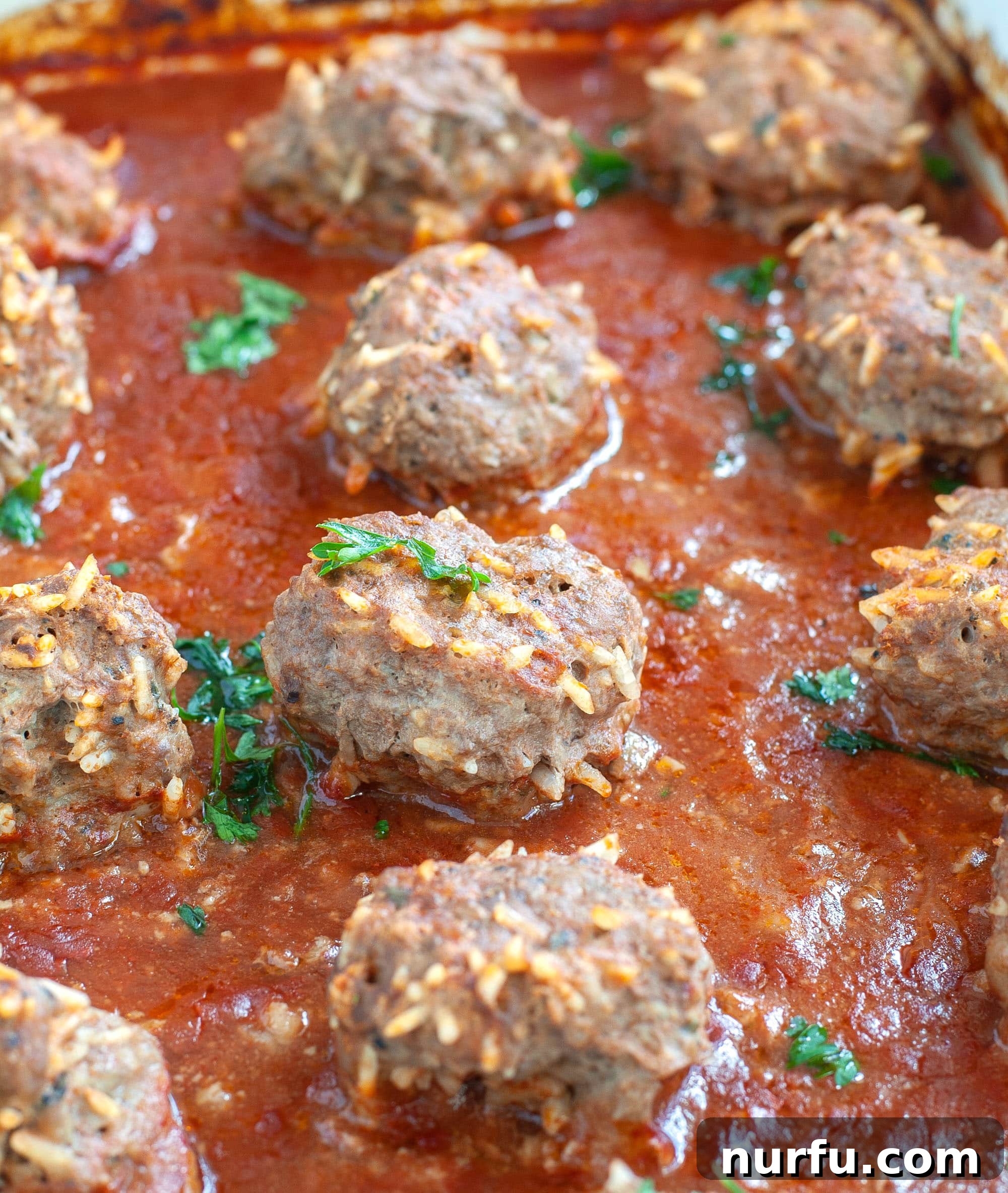
Porcupine Meatballs – A timeless classic featuring ground beef and rice, simmered to perfection in a savory tomato sauce. This comforting dish is guaranteed to become a fun and flavorful family favorite.
For fellow meatball enthusiasts, be sure to explore more delicious recipes like our Basic Meatballs, the vibrant Chicken Pesto Parmesan Meatballs, and the inventive Meatloaf Meatballs.
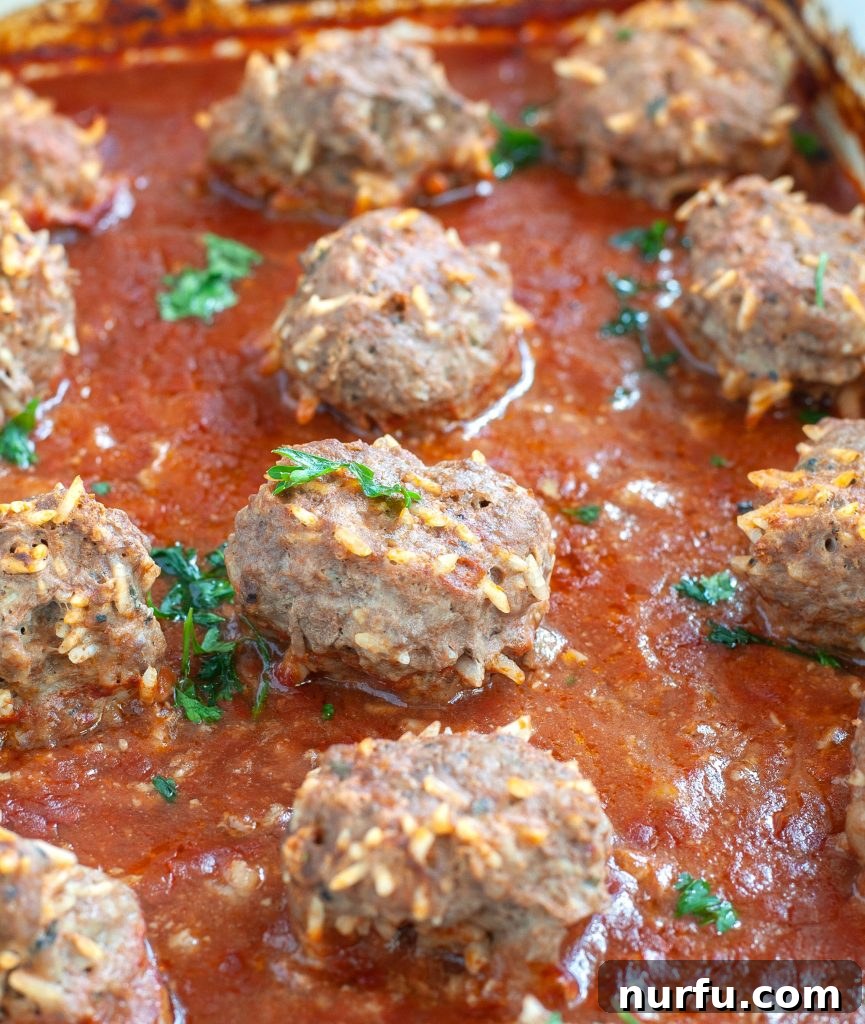
Meatballs hold a special place in my culinary heart. They are incredibly easy to prepare, remarkably versatile, and undeniably delicious. Whether baked, pan-fried, or simmered, meatballs consistently deliver a satisfying meal. This porcupine meatball recipe brings a unique twist to the classic, making it an exciting addition to your dinner rotation. It’s a wonderful way to bring warmth and flavor to your family table, evoking a sense of nostalgia with every bite.
What Exactly are Porcupine Meatballs?
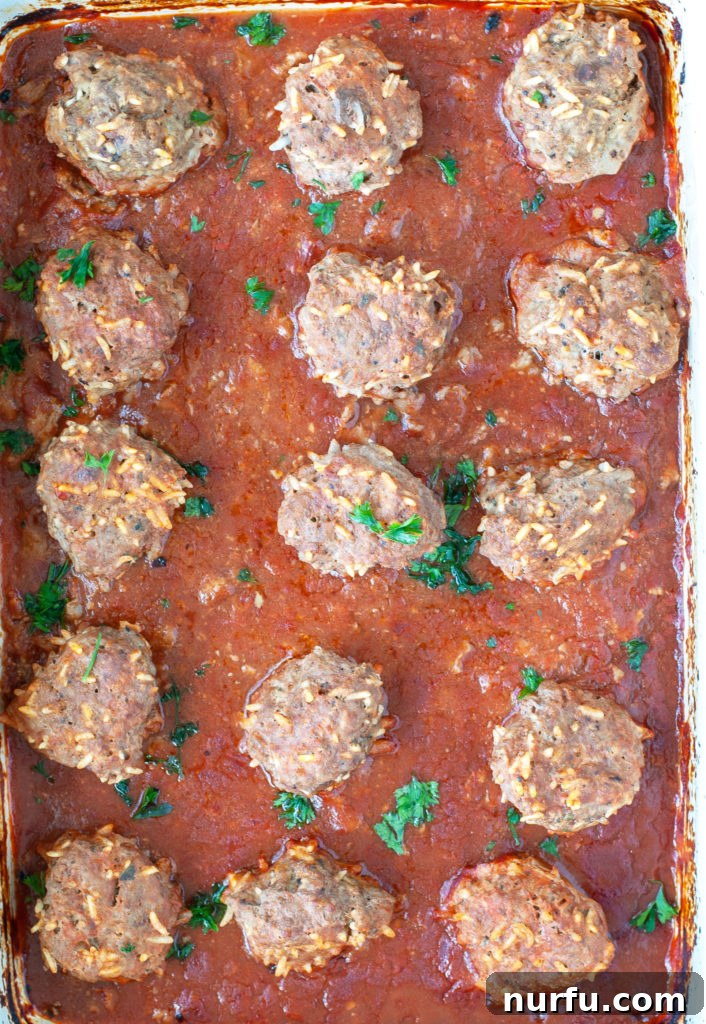
Porcupine meatballs are a charmingly old-fashioned comfort food that gets its name from its distinctive appearance. These aren’t just any meatballs; they’re made with uncooked rice mixed directly into the seasoned ground beef. As the meatballs cook in their flavorful sauce, the rice absorbs the liquid and expands, gently pushing out from the surface of the meatball. This creates tiny, protruding grains that, when cooked, resemble the quills of a porcupine, hence the whimsical and memorable name!
This unique technique, which emerged from Depression-era kitchens as a way to stretch ingredients and add bulk to meals, serves more than just visual appeal. The rice inside the meatballs helps to keep them incredibly tender and moist while adding a delightful, subtle chewiness. It essentially transforms a simple meatball into a more complete and satisfying dish. Traditionally simmered in a savory tomato-based sauce, porcupine meatballs offer a hearty, budget-friendly meal that has been passed down through generations, cherished for its simplicity, flavor, and comforting nature.
Why You’ll Love This Classic Recipe
There are countless reasons why porcupine meatballs have stood the test of time and remain a cherished recipe in many households. This particular rendition captures all the qualities that make it a true family favorite:
- Effortlessly Delicious: Despite their unique appearance, porcupine meatballs are incredibly straightforward to prepare. The ingredients are simple, often found in most pantries, and the steps are easy to follow, making it an ideal recipe for busy weeknights or novice cooks looking for a rewarding culinary project.
- Budget-Friendly: Utilizing humble ingredients like ground beef, uncooked rice, and pantry staples, this dish is wonderfully economical without sacrificing flavor or heartiness. It’s a fantastic and resourceful way to stretch a pound of ground beef to feed a crowd or provide generous leftovers.
- Kid-Approved: The fun name and appealing texture often make porcupine meatballs a hit with children. Served in a mild and comforting tomato sauce, they’re typically well-received by even the pickiest eaters, making dinner time a little easier and more enjoyable for parents.
- Ultimate Comfort Food: There’s something inherently comforting about a dish simmering in a rich, savory sauce. Porcupine meatballs deliver warmth, satisfaction, and a nostalgic taste that reminds many of home-cooked meals from childhood, making them perfect for cozy evenings.
- Freezer-Friendly: This recipe is perfect for meal prepping! You can easily make a large batch and freeze portions, either cooked or uncooked, for quick future meals. This ensures you always have a wholesome and delicious dinner option on hand for those unexpectedly hectic days.
- Versatile Serving Options: Whether you pair them with pasta, mashed potatoes, or a simple green salad, these meatballs are incredibly adaptable to various side dishes. This versatility allows you to customize your meal based on your preferences, dietary needs, or simply what you have on hand, always resulting in a satisfying plate.
Essential Ingredients for Porcupine Meatballs
Creating these delightful porcupine meatballs requires a blend of simple, wholesome ingredients that, when combined, create a symphony of flavors and textures. Here’s a breakdown of what you’ll need, along with a few helpful notes on selection and preparation:
- Ground Beef: We recommend 1 pound of lean ground beef, ideally an 85/15 or 90/10 blend. Leaner beef helps the meatballs hold their shape better and prevents the sauce from becoming overly greasy. If you prefer, you can also experiment with ground turkey, ground chicken, or a combination of beef and pork for a different flavor profile and texture.
- Uncooked Long Grain White Rice: Half a cup of uncooked long grain white rice is the star ingredient for achieving the characteristic “porcupine” texture. The rice absorbs moisture from the meat and sauce as it cooks, expanding and creating those signature protruding grains. It is crucial to use *uncooked* long-grain white rice; avoid instant, pre-cooked, or brown rice, as they will not yield the same desired effect or may require different cooking times.
- Egg: One large egg acts as a vital binder, helping to hold the meat mixture together. This prevents your meatballs from crumbling apart during the mixing and cooking processes, ensuring they maintain their spherical shape.
- Milk: Two tablespoons of milk (any kind, dairy or non-dairy, works fine) add essential moisture to the meatballs. This keeps them wonderfully tender and juicy, preventing them from drying out during baking.
- Garlic Powder: Half a teaspoon of garlic powder provides a foundational savory flavor that complements the richness of the beef and the tanginess of the tomato sauce. For a more intense garlic flavor, you can substitute with 1-2 cloves of fresh garlic, minced very finely.
- Dried Parsley: One tablespoon of dried parsley adds a subtle herbaceous note and a touch of appealing green color to the meatballs. If you have fresh parsley on hand, roughly 2-3 tablespoons, finely chopped, can be used for a brighter flavor.
- Salt and Ground Black Pepper: These are essential seasonings to enhance and balance all the flavors in both the meatballs and the sauce. We suggest starting with 1 teaspoon of each, but always feel free to adjust to your personal taste preferences.
- Tomato Sauce: Two 10.75 oz cans of plain tomato sauce form the hearty and flavorful base for our meatballs. Opt for a good quality plain tomato sauce, as we’ll be layering in other seasonings to build a rich flavor profile.
- Water: Half a cup of water helps to thin the sauce slightly to the perfect consistency and, more importantly, provides additional liquid for the uncooked rice to absorb as it cooks. This ensures the rice becomes tender and fully cooked within the meatballs.
- Worcestershire Sauce: Two teaspoons of Worcestershire sauce are a secret weapon in this recipe. It adds a deep, umami richness, a subtle tang, and a complex savory depth to the tomato sauce, truly elevating its overall flavor profile. Do not skip this ingredient, as it makes a significant difference!
Step-by-Step Guide to Making Porcupine Meatballs in the Oven
Creating these comforting porcupine meatballs is a straightforward and rewarding process. Follow these detailed steps for a perfect batch every time, ensuring tender meatballs and a rich, flavorful sauce:
- Preheat Your Oven: Begin by preheating your oven to 350 degrees F (175 degrees C). This ensures the oven is at the correct temperature when your meatballs are ready to bake, promoting even cooking from the start.
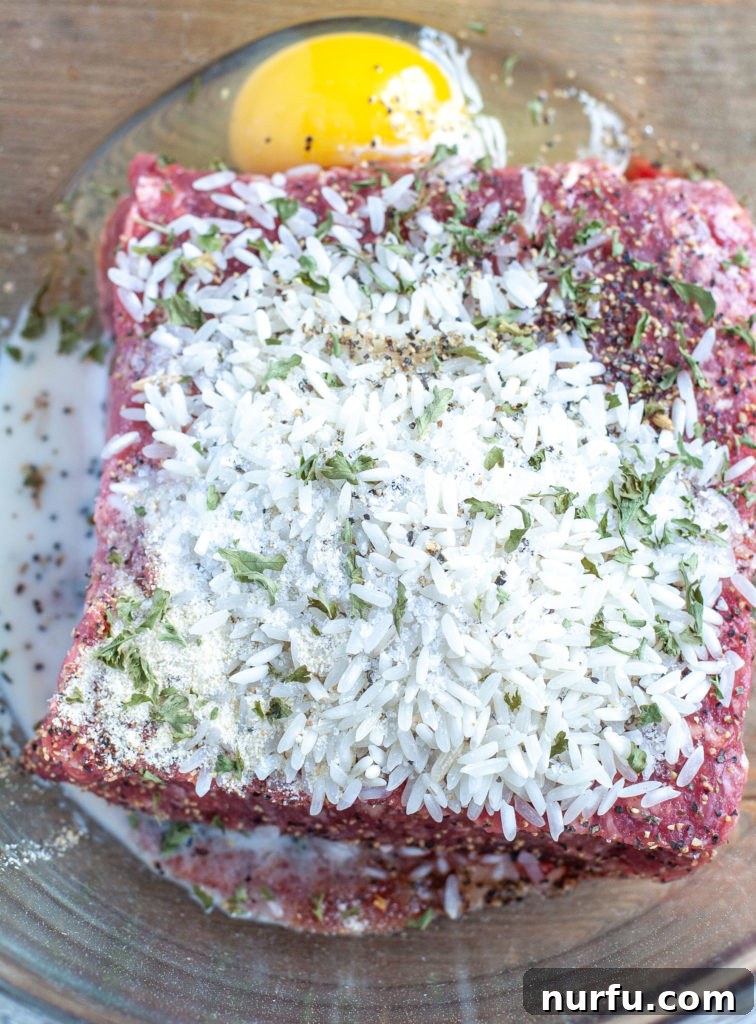
- Prepare the Meatball Mixture: In a large mixing bowl, combine the ground beef, uncooked long grain white rice, egg, milk, garlic powder, dried parsley, salt, and ground black pepper.
- Mix Gently: Using your clean hands (the best tools for this job!), gently mix all the ingredients together until they are just combined. Be careful not to overmix, as this can lead to tough, dense meatballs. The goal is to distribute the ingredients evenly without compacting the meat, keeping the mixture light and tender.
- Form the Meatballs: Take small, even portions of the meat mixture and roll them into uniform balls, roughly 1.5 to 2 inches in diameter. Aim for consistency in size to ensure they all cook evenly. If you have a small cookie scoop, it can be helpful for creating uniform meatballs.
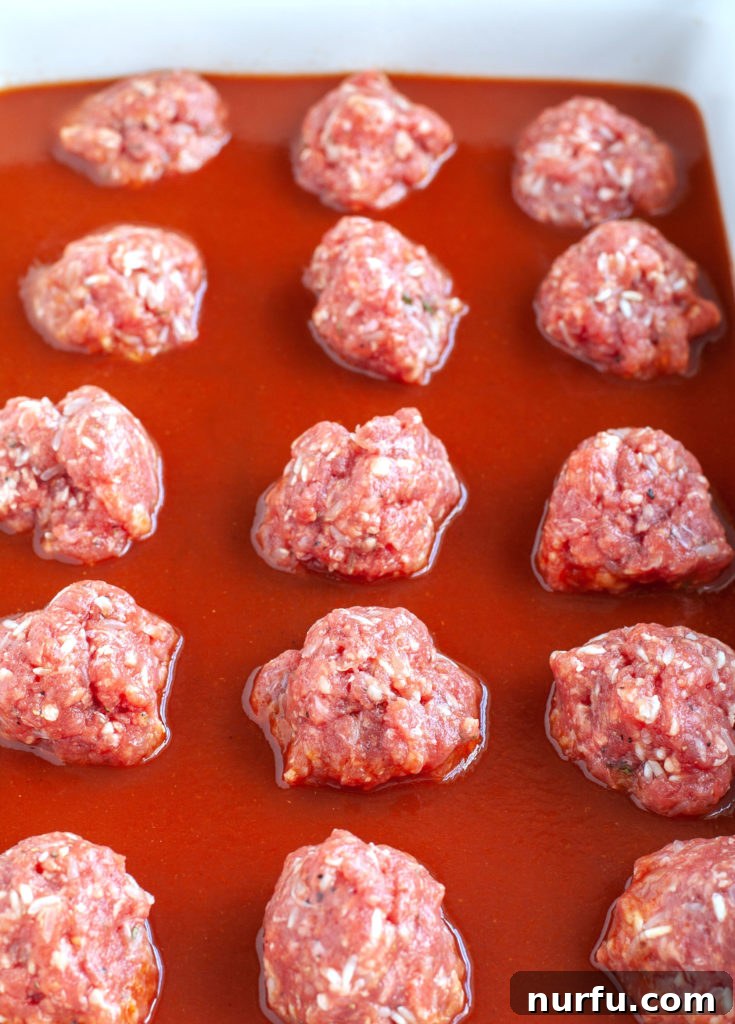
- Arrange in a Casserole Dish: Lightly coat a 9×13 inch casserole dish with non-stick cooking spray to prevent sticking. Arrange the formed meatballs in a single layer within the dish. Don’t overcrowd them; leave a little space between each meatball.
- Prepare the Sauce: In a separate medium-sized bowl, whisk together the two cans of tomato sauce, half a cup of water, and two teaspoons of Worcestershire sauce until all ingredients are well combined and smooth. This creates the savory liquid in which your meatballs will cook and develop their flavor.
- Pour Sauce Over Meatballs: Carefully pour the prepared tomato sauce evenly over the meatballs in the casserole dish. Ensure all meatballs are at least partially submerged in the sauce. This is vital, as the rice inside needs to absorb enough liquid to cook properly and expand to create the signature “porcupine” quills.
- Initial Bake (Covered): Cover the casserole dish tightly with aluminum foil. This traps steam and moisture within the dish, helping the rice to cook thoroughly and ensuring the meatballs remain wonderfully tender and juicy. Bake for 30 minutes in the preheated oven.
- Final Bake (Uncovered): After 30 minutes, carefully remove the casserole dish from the oven and gently remove the foil. Return the dish to the oven and continue baking for another 25 minutes. During this uncovered period, the sauce will thicken slightly, and the top of the meatballs will develop a nice color, while the rice grains will emerge, giving them their characteristic “porcupine” look.
- Rest and Serve: Once baked, remove the casserole dish from the oven and let it rest for 5-10 minutes before serving. This crucial resting period allows the juices within the meatballs to redistribute, making them even more tender, and helps the sauce to settle and thicken slightly.
Expert Tips for the Best Porcupine Meatballs
While porcupine meatballs are quite forgiving, a few expert tips can elevate your dish from good to absolutely fantastic, ensuring they are tender, flavorful, and perfectly textured every time:
- Avoid Overmixing the Meat: This is arguably the most crucial tip for any meatball recipe. Overmixing the ground beef and rice mixture will activate the proteins too much, resulting in dense, tough, and rubbery meatballs. Mix just until the ingredients are barely combined and no dry spots of rice or seasoning remain. Gentle hands are key!
- Stick to Uncooked Long Grain White Rice: The type of rice is fundamental for the “porcupine” effect. Long grain white rice absorbs liquid and expands just enough to create those signature quills without disintegrating. Brown rice takes too long to cook, and instant or pre-cooked rice won’t absorb enough liquid to achieve the desired texture or may become mushy.
- Form Uniform Meatball Sizes: Aim for meatballs of similar size, approximately 1.5 to 2 inches in diameter. This consistency is vital for even cooking. If some are much larger than others, you might end up with some undercooked or overcooked meatballs. A small ice cream scoop or cookie scoop can be very helpful for this task.
- Ensure Adequate Sauce Coverage: Make sure your meatballs are adequately covered or at least partially submerged in the tomato sauce. This is critical for the uncooked rice to absorb enough liquid and cook thoroughly. If the sauce seems too thick after mixing, you can always add a little extra water or low-sodium beef broth to thin it out slightly.
- Taste and Adjust Seasoning: Before forming all the meatballs, it’s a good practice to cook a tiny pinch of the meat mixture in a skillet and taste it. This allows you to adjust the salt, pepper, or other seasonings to your preference. Remember, a well-seasoned meatball is a delicious meatball!
- Don’t Rush the Resting Period: After baking, resist the urge to serve the meatballs immediately. Allowing them to rest in their sauce for 5-10 minutes off the heat is important. This helps the juices redistribute throughout the meatballs, making them more tender and flavorful, and allows the sauce to thicken slightly.
- Consider Browning First (Optional): While this recipe bakes the meatballs directly in the sauce, some home cooks prefer to quickly sear or brown the meatballs in a skillet before adding them to the casserole dish. This extra step can add a deeper layer of caramelized flavor and a slightly firmer exterior to the meatballs. If you choose this method, drain any excess fat before adding the sauce and baking.
How to Serve Your Hearty Porcupine Meatballs
One of the best qualities of porcupine meatballs is their incredible versatility when it comes to serving. They pair wonderfully with a wide variety of side dishes, making them easy to adapt to any meal preference, dietary need, or occasion. Here are some delicious and popular ideas to help you create a complete and satisfying meal:
- Classic with Pasta: My family’s absolute favorite way to enjoy these is alongside a generous serving of cooked pasta. Spaghetti, penne, egg noodles, or even a smaller pasta like ditalini are excellent choices. The pasta readily soaks up the rich tomato sauce, creating a truly comforting and filling dish that everyone will love.
- Fluffy Rice: Since the meatballs already contain rice, serving them with an additional side of fluffy white or brown rice creates a cohesive and incredibly satisfying meal. The extra rice is perfect for absorbing any leftover savory sauce, ensuring no drop of flavor goes to waste.
- Creamy Mashed Potatoes: For the ultimate in comfort food, spoon these tender meatballs and their accompanying sauce over a mound of creamy, buttery mashed potatoes. The smooth texture of the potatoes beautifully contrasts with the heartiness of the meatballs and sauce, making for a truly indulgent experience.
- Healthy Mashed Cauliflower: If you’re looking for a lower-carb alternative that still delivers on comfort, mashed cauliflower is a fantastic choice. It provides a similar creamy texture and absorbency to mashed potatoes, making it a healthy and equally delicious pairing.
- Steamed or Roasted Vegetables: Complement the richness of the meatballs with a vibrant side of steamed or roasted vegetables. Green beans, broccoli florets, asparagus spears, glazed carrots, or a colorful medley of bell peppers and zucchini add freshness, essential nutrients, and a delightful textural contrast.
- Crusty Bread: Don’t underestimate the simple pleasure of a warm, crusty loaf of bread or homemade garlic bread. It’s perfect for mopping up every last drop of that incredibly flavorful tomato sauce, ensuring a complete and satisfying experience.
- Simple Side Salad: A light, crisp green salad with a bright vinaigrette dressing can offer a refreshing contrast to the hearty meatballs. It helps to cut through the richness of the dish, providing a lovely balance to your meal.
Storage and Freezing Porcupine Meatballs
Porcupine meatballs are an excellent candidate for make-ahead meals and freezing, making them an absolute lifesaver on busy days or when you need a quick, comforting dinner. Proper storage ensures you can enjoy this delicious dish whenever a craving strikes without starting from scratch.
Refrigeration:
- Cooked Meatballs: Allow any leftover cooked meatballs and sauce to cool completely to room temperature before transferring them to an airtight container. Properly sealed, they can be stored in the refrigerator for up to 3-4 days.
- Reheating: To reheat, gently warm the meatballs and sauce on the stovetop over medium-low heat until heated through, stirring occasionally. Alternatively, you can microwave individual portions. If the sauce has thickened too much during refrigeration, add a splash of water or broth to loosen it before reheating.
Freezing (Uncooked):
This method is fantastic for preparing meals in advance and having them ready for a future quick dinner. The original instructions highlight this, and it’s truly a game-changer:
- Flash Freeze: After forming the uncooked meatballs, arrange them in a single layer on a parchment-lined baking sheet. Place the baking sheet in the freezer until the meatballs are completely frozen solid (this crucial step prevents them from sticking together in the freezer bag). This usually takes about 1-2 hours.
- Store: Once fully frozen, transfer the solid meatballs to a freezer-safe bag or an airtight freezer container. Squeeze out as much air as possible if using a bag to prevent freezer burn. Label with the date. Uncooked porcupine meatballs can be stored in the freezer for up to 3 months.
- To Cook from Frozen: When you’re ready to cook, you can bake them directly from frozen. You will likely need to increase the covered baking time slightly (e.g., bake for 40-45 minutes covered, then 25 minutes uncovered). Alternatively, thaw them in the refrigerator overnight before baking according to the original recipe directions. Always prepare the tomato sauce fresh when you are ready to bake.
Freezing (Cooked):
You can also freeze the fully cooked porcupine meatballs, either with or without their sauce, for ready-to-eat convenience.
- Meatballs and Sauce: Allow the entire cooked dish (meatballs and sauce) to cool completely. Transfer individual portions or the whole casserole (if your dish is freezer-safe) to airtight freezer containers. Ensure there is minimal air space at the top. Freeze for up to 3 months.
- To Reheat: Thaw cooked frozen meatballs and sauce overnight in the refrigerator. Reheat gently on the stovetop over low heat or in the oven at 300°F (150°C) until warmed through. Again, add a little water or broth if the sauce needs thinning.
Frequently Asked Questions About Porcupine Meatballs
Here are answers to some common questions about making and enjoying porcupine meatballs, designed to help you perfect this classic dish:
- Can I use a different type of ground meat?
- Absolutely! While ground beef is the traditional choice for porcupine meatballs, you can certainly experiment with other ground meats. Ground turkey, ground chicken, or a blend of beef and pork are all viable options. Keep in mind that leaner meats like ground turkey might result in slightly drier meatballs if not enough moisture is added, so you may want to ensure adequate milk or liquid in your mixture. Adjust cooking times slightly as needed, and always ensure the internal temperature reaches a safe level for poultry (165°F/74°C).
- Why are my meatballs tough?
- The most common reason for tough meatballs is overmixing. When you mix the meat mixture too much, the proteins in the ground beef develop and tighten, resulting in dense, chewy, or rubbery meatballs. To avoid this, mix the ingredients just until they are combined and no dry spots remain. Gentle handling is key. Additionally, using very lean ground beef (e.g., 95/5) without enough added moisture can sometimes lead to a tougher texture; an 85/15 blend often works well for tenderness.
- My rice isn’t cooked all the way through; what went wrong?
- If your rice is still hard or undercooked, it usually happens for one of two main reasons: either there wasn’t enough liquid in the sauce for the rice to absorb, or the meatballs weren’t covered tightly enough during the initial baking phase. The rice needs both moisture and steam to cook properly. Ensure your sauce adequately covers or partially submerges the meatballs, and that your casserole dish is sealed well with aluminum foil to trap the steam. Also, double-check that you are using uncooked long-grain white rice, as other types like brown rice or instant rice might require different cooking methods or times.
- Can I make porcupine meatballs in a slow cooker?
- Yes, you can absolutely adapt this recipe for a slow cooker! After forming the meatballs, gently place them in your slow cooker. Whisk together the sauce ingredients as directed and pour them over the meatballs. Cook on low for 4-6 hours or on high for 2-3 hours, or until the meatballs are cooked through and the rice is tender. Keep in mind that the “porcupine quill” effect might be slightly less pronounced due to the slower, gentler cooking method compared to oven baking, but the meatballs will still be incredibly flavorful and tender.
- Can I add vegetables to the sauce?
- Definitely! Adding vegetables to the sauce is a great way to boost flavor and nutrition. Finely diced onions, bell peppers (red, green, or yellow), or sliced mushrooms can be sautéed lightly before being added to the tomato sauce mixture. You can also sneak in finely grated carrots or zucchini for an undetectable veggie boost that even picky eaters won’t notice, adding sweetness and vitamins.
Delicious Variations to Try
Once you’ve mastered the classic porcupine meatballs, don’t hesitate to experiment with these exciting variations. They’re a fantastic way to keep things fresh and tailor the recipe to your personal taste preferences or what ingredients you have on hand:
- Spicy Kick: For those who love a bit of heat, add a pinch or two of red pepper flakes to the meat mixture or directly into the tomato sauce. A dash of your favorite hot sauce or a finely minced jalapeño (seeds removed for less heat) can also elevate the flavor profile.
- Cheesy Goodness: Incorporate 1/4 to 1/2 cup of grated Parmesan cheese (or a Parmesan-Romano blend) into the meatball mixture for an extra layer of savory, salty flavor. For a gooey topping, sprinkle some shredded mozzarella, cheddar, or a blend of Italian cheeses over the meatballs during the last 10 minutes of baking, allowing it to melt and bubble.
- Herbaceous Twist: Experiment with different dried herbs to change the flavor profile. Instead of just parsley, try adding 1 teaspoon of Italian seasoning, dried oregano, basil, or a hint of thyme to the meatball mixture. Fresh herbs, finely chopped, can also provide a brighter, more vibrant taste.
- Mushroom Gravy Meatballs: For a completely different take on comfort food, ditch the tomato sauce and opt for a rich mushroom gravy. You can quickly brown the meatballs, then simmer them in a creamy mushroom soup-based sauce (perhaps mixed with some beef broth and seasonings) for a savory, hearty alternative.
- BBQ Porcupine Meatballs: Substitute the tomato sauce with your favorite barbecue sauce, thinned slightly with a little water, apple cider vinegar, or beef broth. This creates a sweet, tangy, and smoky version that’s perfect for potlucks, game days, or simply when you’re craving a different flavor.
- Sweet and Sour Inspired: For an Asian-inspired twist, create a homemade sweet and sour sauce using ingredients like pineapple juice, soy sauce, rice vinegar, a touch of brown sugar, and a hint of fresh ginger and garlic. Simmer the meatballs in this sauce for a unique and flavorful meal.
- Add Veggies to the Mix: Boost the nutritional content and add subtle flavor by incorporating finely grated vegetables directly into the ground beef mixture. Carrots, zucchini, or finely minced bell peppers can add moisture and nutrients without drastically altering the texture or taste, making them a great way to sneak in extra greens.
Recipe Card: Porcupine Meatballs
Porcupine Meatballs
By Heather Seeley
Hearty meatballs made with ground beef and uncooked rice, simmered in a savory tomato sauce. A comforting and easy family dinner.
Cook: 50 mins
Total: 1 hr
Servings: 6
Print Recipe
Ingredients
- 1 lb ground beef
- 1/2 cup uncooked long grain white rice
- 1 egg
- 2 tablespoons milk
- 1/2 teaspoon garlic powder
- 1 tablespoon dried parsley
- 1 teaspoon salt
- 1 teaspoon ground black pepper
- 2 (10.75 oz) cans tomato sauce
- 1/2 cup water
- 2 teaspoons Worcestershire sauce
Instructions
- Preheat oven to 350 degrees F (175 degrees C).
- In a large bowl, combine ground beef, rice, egg, milk, garlic powder, parsley, salt, and pepper. Mix gently with your hands until just combined.
- Form the mixture into balls, about 1.5-2 inches in diameter. Place them in a 9×13 inch casserole dish coated with non-stick cooking spray.
- In a separate bowl, mix together tomato sauce, water, and Worcestershire sauce. Pour this mixture evenly over the meatballs in the casserole dish.
- Cover the dish tightly with aluminum foil and bake for 30 minutes.
- Remove from the oven, take off the foil, and continue baking for another 25 minutes, or until meatballs are cooked through and the rice has expanded to create the “porcupine” texture.
Notes
- Try not to overmix the beef mixture to avoid tough meatballs.
- These meatballs can be frozen. Before baking, place uncooked meatballs on a cookie sheet and freeze until solid. Transfer to a freezer bag and store for up to 3 months. To cook from frozen, thaw in the refrigerator overnight and then bake according to directions.
Nutrition (Approximate per serving)
- Calories: 266 kcal
- Carbohydrates: 14g
- Protein: 15g
- Fat: 15g
- Saturated Fat: 6g
- Cholesterol: 80mg
- Sodium: 509mg
- Potassium: 286mg
- Vitamin A: 40IU
- Vitamin C: 1.2mg
- Calcium: 32mg
- Iron: 2.1mg
Nutrition information is automatically calculated and should only be used as an approximation.
Additional Info
Course: Main Course
Cuisine: American
Made this delightful recipe? We’d love to hear from you! Be sure to leave a comment and rating below to share your experience and any creative variations you tried.
Enjoy!~ Heather