
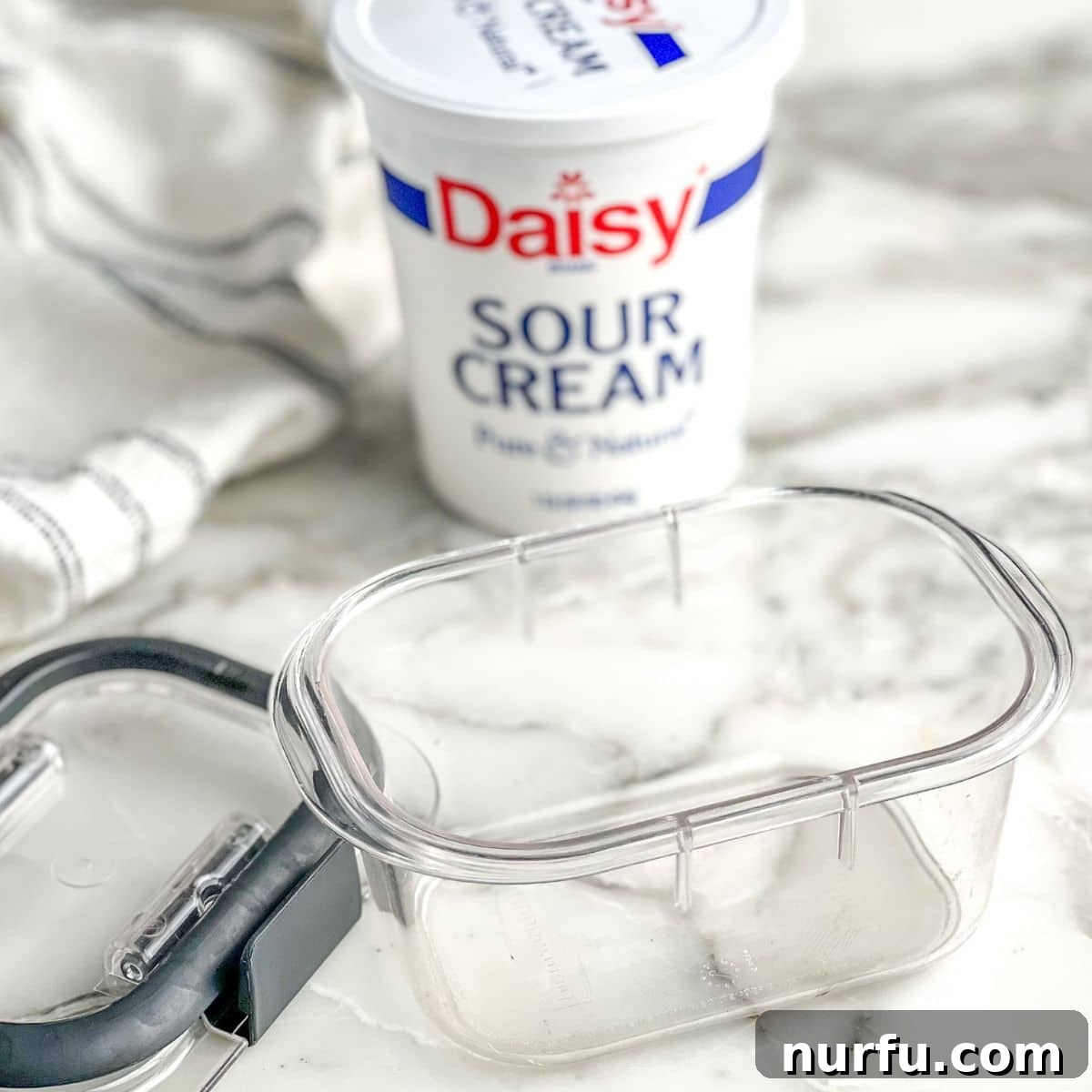
Have you ever found yourself with a half-used container of sour cream nearing its expiration date, wondering if there’s a way to salvage it? In a world where food waste is a growing concern, finding effective methods to preserve ingredients is more important than ever. While many dairy products are notoriously tricky to freeze without compromising their texture, sour cream presents a unique case. You might be asking, can you freeze sour cream, and if so, what happens to it?
Freezing is indeed a fantastic method for extending the shelf life of numerous foods, from various meats like pulled pork and ham to certain dips like guacamole, all of which tend to freeze and thaw remarkably well. However, some dairy items, such as cream cheese and, yes, sour cream, often undergo noticeable changes when subjected to freezing temperatures. This guide will delve into the intricacies of freezing sour cream, offering practical advice and setting realistic expectations for its post-thaw consistency and best uses.
Can You Freeze Sour Cream? The Ultimate Guide to Preserving Your Dairy Staple
Understanding Sour Cream and Freezing Dairy
The straightforward answer to whether you can freeze sour cream is a resounding Yes, you absolutely can freeze sour cream. However, it’s crucial to understand that the process comes with a significant caveat: once thawed, it will not retain the perfectly smooth and creamy texture it originally possessed. The consistency changes considerably, becoming thinner, more granular, and often exhibiting a separated or “curdled” appearance.
This textural alteration is a common characteristic when freezing high-fat, cultured dairy products. The water content within the sour cream separates from the milk solids and fat during the freezing and thawing cycle, leading to a less homogeneous product. While this means it might not be ideal for serving as a dollop on a baked potato or as the base for a smooth dip, its flavor remains intact, making it perfectly suitable for various cooking and baking applications where its texture can be easily blended in or isn’t a primary concern.
The Science Behind Freezing Sour Cream: What Happens to the Texture?
To truly understand why sour cream behaves differently after freezing, it helps to look at its composition. Sour cream is essentially cultured cream, containing milk fat, milk solids, and a significant amount of water, all held together in a stable emulsion. When sour cream freezes, the water content crystallizes. As these ice crystals form, they expand, rupturing the delicate emulsion that gives sour cream its characteristic smooth, thick texture.
Upon thawing, these ice crystals melt, but the emulsion often cannot fully re-form. This leads to the separation of water (whey) from the milk solids and fat, resulting in that distinct “curdled” look. Despite this visual change, the sour cream is still safe to eat and retains its tangy flavor profile. The key is knowing how to reincorporate it or what recipes are most forgiving of its altered consistency. This phenomenon is similar to what happens with other dairy products like cream cheese, yogurt, or buttermilk when frozen.
Step-by-Step Guide: How to Freeze Sour Cream Effectively
Proper preparation is key to minimizing the textural impact of freezing sour cream. By following these simple steps, you can ensure your frozen sour cream is as ready as possible for its next culinary adventure.
Preparing Unopened Sour Cream for Freezing
If you have a brand-new, unopened container of sour cream, the process is incredibly simple. You can freeze it directly in its original packaging. Ensure the lid is tightly sealed to prevent freezer burn and cross-contamination from other freezer odors. The factory seal offers excellent protection, and the intact container helps maintain its shape during freezing.
Freezing Opened Sour Cream: Portioning for Convenience
For opened containers or larger quantities that you wish to preserve, a little extra preparation will go a long way. Freezing in smaller portions is highly recommended, as it allows for quicker thawing and prevents you from having to thaw more than you need at one time, minimizing potential waste.
- Stir Thoroughly: Before freezing, give the sour cream a good stir. This helps to re-emulsify any natural separation that may have occurred in the refrigerator and ensures a more uniform consistency before it goes into the freezer.
- Choose Freezer-Safe Containers: Spoon the sour cream into appropriate freezer-safe containers. These could be:
- Airtight Plastic Containers: Ideal for larger portions. Ensure there’s a little headspace (about half an inch) to allow for expansion during freezing.
- Heavy-Duty Freezer Bags: Excellent for flattening and stacking, saving freezer space. Press out as much air as possible before sealing to prevent freezer burn.
- Ice Cube Trays: Perfect for creating individual, pre-portioned servings. Once the sour cream cubes are frozen solid, transfer them to a freezer bag for long-term storage. This method is particularly convenient for adding small amounts to recipes.
- Remove Excess Air: Regardless of the container type, minimizing air exposure is crucial to preventing freezer burn, which can lead to dry, discolored patches and flavor degradation.
- Label and Date: Always label your frozen sour cream with the contents (“Sour Cream”) and the date it was frozen. This practice helps you keep track of its shelf life and ensures you use older portions first.
- Freeze: Place the prepared sour cream in the freezer. For optimal quality, it is best to use frozen sour cream within 3 months. While it will remain safe beyond this period, its quality may start to decline.
Thawing Frozen Sour Cream: Best Practices for Optimal Results
The thawing process is just as important as the freezing process when it comes to preserving the quality of your sour cream. Correct thawing helps minimize bacterial growth and prepares the sour cream for use.
To thaw frozen sour cream, the safest and most recommended method is to transfer it from the freezer to the refrigerator. Allow it to thaw overnight, or for several hours, until it is completely defrosted. This slow, gradual thawing process helps to minimize further textural changes and prevents the growth of harmful bacteria. Once thawed, you will undoubtedly notice the separation of liquid and solids. This is entirely normal. Before using, stir the sour cream vigorously to help reincorporate as much of the liquid as possible. It will likely remain a bit runnier than fresh sour cream, but its flavor will be retained.
***Important Safety Note: Never thaw sour cream at room temperature. Thawing at room temperature creates a prime environment for bacterial growth, which can lead to foodborne illness. Always use the refrigerator method for safe thawing.
Reclaiming Texture: Tips for Using Thawed Sour Cream
As established, thawed sour cream will not have the same creamy, luxurious texture as its fresh counterpart. It will be thinner and may appear curdled. However, this doesn’t mean it’s unusable; it simply means you need to adjust your expectations and choose the right recipes.
Best Uses for Thawed Sour Cream: Embrace Its New Consistency
Thawed sour cream excels in recipes where its texture can be integrated and masked by other ingredients or where the liquid content is not a disadvantage. Think of it as a tangy, creamy addition rather than a standalone condiment.
- Baked Goods: This is arguably the best application for thawed sour cream. Its moisture and tang contribute wonderfully to cakes, muffins, quick breads, pancakes, waffles, and biscuits. The baking process naturally reincorporates any separation, and the acidity helps activate baking soda, leading to tender, flavorful results.
- Soups and Stews: Stir thawed sour cream into creamy soups, hearty stews, or chilis towards the end of cooking. Its tanginess brightens flavors, and its texture will blend seamlessly into the hot liquid.
- Casseroles and Bakes: Use it as an ingredient in creamy casseroles, gratins, or baked pasta dishes. It adds richness and moisture without requiring a perfectly smooth consistency.
- Marinades: Sour cream can be a fantastic tenderizer and flavor enhancer in marinades for chicken, pork, or beef. Its acidity helps break down tough fibers.
- Sauces and Dressings (Cooked): When cooked into a sauce or dressing, the textural differences become negligible. Consider adding it to a creamy pasta sauce or a pan sauce for meats.
When to Avoid Thawed Sour Cream
Conversely, there are certain applications where thawed sour cream’s altered texture will be a significant drawback. I would strongly recommend against using it for:
- Dips: The runny, separated consistency makes it unsuitable for serving as a standalone dip, as it won’t hold its shape or provide that satisfying creaminess.
- Cold Toppings: Avoid using it as a topping for baked potatoes, tacos, nachos, or fruit salads. Its appearance and watery texture will detract from the dish.
- Garnishes: Any recipe where a smooth, thick dollop of sour cream is intended as a garnish will be disappointing with thawed sour cream.
Shelf Life of Frozen Sour Cream: How Long Does it Last?
While freezing can significantly extend the life of sour cream, it’s not indefinite. For the best quality, flavor, and texture (given the caveats), frozen sour cream should be used within approximately 3 months. After this period, it remains safe to consume if properly stored, but its quality may start to diminish further, becoming more prone to freezer burn and a less appealing texture.
Freezer burn occurs when food is exposed to air, leading to dehydration and oxidation, which affects flavor and texture. This is why removing as much air as possible from your storage containers or bags is essential before freezing. Always check your labeled dates to ensure you’re using your sour cream within its optimal window.
Recognizing Spoilage: When to Discard Sour Cream
Even with careful storage, it’s vital to know the signs of spoilage in sour cream, whether fresh or frozen. Always prioritize food safety.
- Check the Expiration Date: Before freezing any sour cream, always check its original expiration date. While freezing extends its usability, it doesn’t magically reset the clock on spoilage that might have already begun. If it’s past its fresh expiration date, it’s best to discard it rather than freeze it.
- Ice Crystals (Before Freezing): If you notice large ice crystals forming on the surface of your sour cream while it’s still in the refrigerator, it might indicate that it has already started to spoil or has been exposed to inconsistent temperatures. These aren’t the same as the ice crystals from freezing.
- Foul Odor: Fresh sour cream has a mild, tangy aroma. If your sour cream develops a distinctly sour, pungent, or otherwise unpleasant smell, it’s a clear sign of spoilage. When in doubt, always discard.
- Visible Mold: Any visible signs of mold, typically green, black, or pink fuzzy spots, mean the sour cream has gone bad and should be thrown out immediately. Do not attempt to scoop off the mold and use the rest, as mold spores can spread invisibly throughout the product.
- Extreme Discoloration or Texture: Beyond the expected separation from freezing, if the sour cream has an unusual color or a slimy, extra lumpy, or overly watery consistency that doesn’t improve with stirring, it’s best to err on the side of caution and discard it.
Brand-Specific Recommendations: What About Daisy Sour Cream?
It’s worth noting that some sour cream brands, such as Daisy Sour Cream, explicitly recommend against freezing their product. Their reasoning typically stems from the potential adverse effects on the texture and flavor, which they feel might not meet their brand’s quality standards for fresh consumption. This is a legitimate concern, especially for those who value the pristine, unadulterated creaminess of fresh sour cream for delicate applications.
However, this recommendation doesn’t mean freezing is inherently unsafe or impossible. It simply reinforces the point that the texture will change. If you plan to use the thawed sour cream in cooked dishes where the texture can be blended in, these brand warnings are less of a concern. Ultimately, the decision rests on your intended use and your tolerance for textural variations.
Beyond Freezing: Other Ways to Preserve and Use Sour Cream
If freezing isn’t your preferred option or if you have just a small amount of sour cream nearing its end, there are other creative ways to use it up or extend its life:
- Refrigeration Best Practices: Always store sour cream in the coldest part of your refrigerator, typically the back of the bottom shelf. Ensure it’s tightly sealed after each use to prevent air exposure and absorption of other food odors.
- Quick Recipes: Incorporate leftover sour cream into everyday meals. A dollop can enrich scrambled eggs, add creaminess to a chili or taco night, or be whisked into salad dressings.
- Popular Sour Cream Recipes:
- Seasoned Sour Cream: A simple way to transform leftover sour cream into a flavorful dip or topping.
- Sour Cream Cookies: The acidity and fat in sour cream make for incredibly tender and moist cookies.
- Sour Cream Beef Noodle Bake: A comforting casserole where sour cream adds a rich, tangy depth.
- Creamy Sauces: Whisk it into a pan sauce after cooking meat or poultry for an instant creamy finish.
- Baking: From simple pancakes and waffles to more elaborate cakes and muffins, sour cream is a secret ingredient for adding moisture and tender crumb.
Recipe: Simple Guide to Freezing Sour Cream
How to Freeze Sour Cream for Future Use
By Heather Seeley
Summary: A straightforward method to safely freeze and thaw sour cream, ensuring minimal waste and making it available for your favorite cooking and baking recipes.
Prep Time: 5 minutes
Total Time: 5 minutes
Yields: Varies (depending on quantity frozen)
Ingredients
- Any amount of fresh sour cream
Instructions
- For Opened Sour Cream: Thoroughly stir the sour cream to ensure a uniform consistency. This helps to integrate any separated liquid before freezing. If the container is unopened, you can proceed directly to step 2.
- Packaging: Spoon the stirred sour cream into a freezer-safe container or a heavy-duty freezer bag. If using a bag, press out as much air as possible before sealing to prevent freezer burn. For smaller portions, consider using ice cube trays; once frozen solid, transfer the cubes to a larger freezer bag.
- Labeling: Clearly label the container or bag with the contents (“Sour Cream”) and the date of freezing. This is crucial for tracking its freshness and ensuring optimal quality.
- Freezing: Place in the freezer. For the best quality, frozen sour cream should be used within 3 months.
- Thawing: When ready to use, transfer the frozen sour cream to the refrigerator and allow it to thaw overnight or for several hours until fully defrosted. Do not thaw at room temperature.
- Before Use: Stir the thawed sour cream vigorously. Its consistency will likely be thinner and may appear separated or slightly curdled, which is a normal consequence of freezing dairy.
Notes
An unopened container of sour cream can be frozen directly in its original packaging without any prior stirring. Always remember to thaw frozen sour cream in the refrigerator to prevent the proliferation of harmful bacteria. The thawed texture is best suited for cooked dishes rather than as a fresh topping or dip.
Nutrition (Approximation)
Please note that nutritional information is automatically calculated based on a typical serving (approximately 1 cup of sour cream) and should be considered an approximation, as actual values may vary depending on the specific product and portion size.
- Calories: 455 kcal
- Carbohydrates: 11g
- Protein: 6g
- Fat: 45g
- Saturated Fat: 23g
- Polyunsaturated Fat: 2g
- Monounsaturated Fat: 11g
- Cholesterol: 136mg
- Sodium: 71mg
- Potassium: 288mg
- Sugar: 8g
- Vitamin A: 1433 IU
- Vitamin C: 2mg
- Calcium: 232mg
- Iron: 1mg
Additional Information
Course: Ingredient / Side Dish
Cuisine: Versatile, used in various American and international cuisines.
Conclusion: Making the Most of Your Sour Cream
Freezing sour cream is a perfectly viable solution for reducing food waste and making the most of your dairy purchases. While it’s true that the process inevitably alters its texture, understanding these changes and adapting your culinary approach will ensure that your frozen sour cream never goes to waste. Embrace its new consistency in cooked dishes, baked goods, and casseroles, where its flavor and moisture can shine.
By following the simple freezing and thawing steps outlined in this guide, you can confidently preserve your sour cream for future use, knowing exactly what to expect. So, the next time you find yourself with an abundance of this versatile ingredient, don’t let it go bad; freeze it and transform it into a useful component for countless delicious meals.