
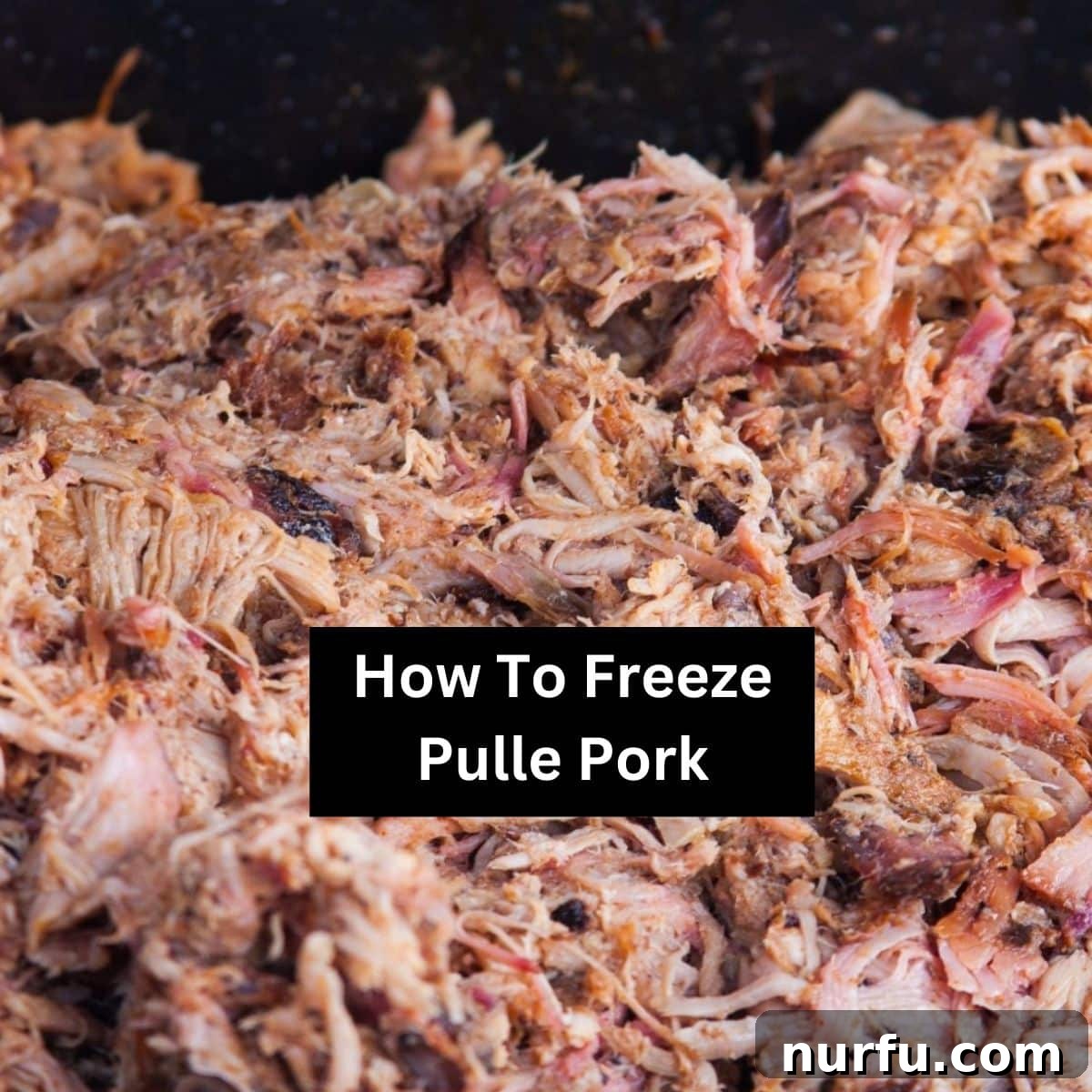
Unless you’re planning to feed a massive gathering, preparing a pork shoulder often results in an abundance of delicious leftovers. This leads many home cooks to wonder: Can you freeze pulled pork? The answer is a resounding yes!
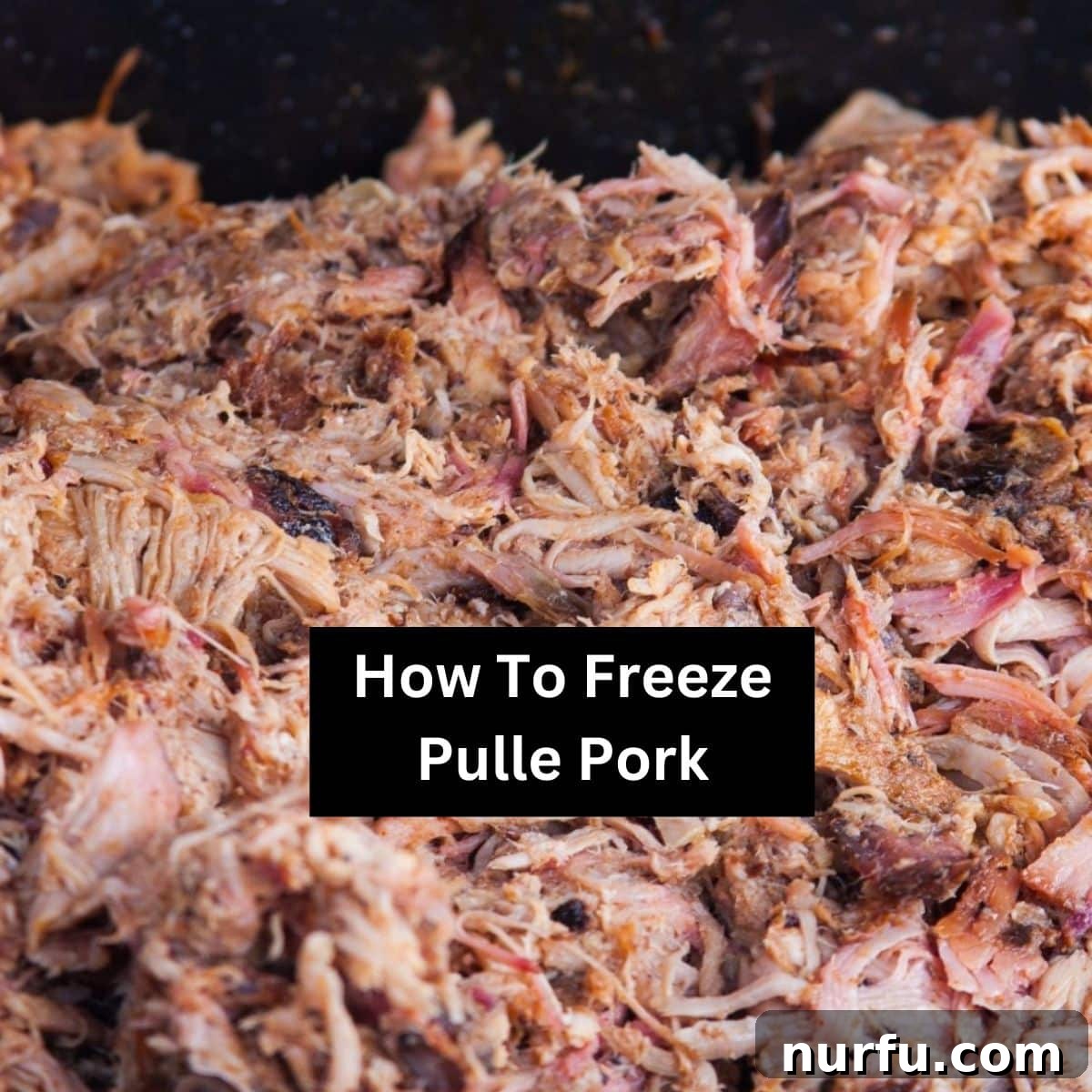
This comprehensive guide will show you precisely how to freeze pulled pork the right way, ensuring you can savor your culinary masterpiece for weeks, or even months, to come. When frozen properly, the meat retains its exceptional tenderness, succulence, and mouthwatering flavor. Imagine the convenience of having this ready-to-go meal patiently waiting in your freezer, making weeknight dinners or impromptu gatherings effortlessly delicious!
The process of making pulled pork, whether in a slow cooker, smoker, or oven, typically involves a substantial cut of meat. Unless you’re catering a large event, it’s highly probable you’ll end up with a generous amount of leftovers. That’s why mastering how to freeze pulled pork effectively is an invaluable skill for any kitchen enthusiast.
There’s nothing quite like fresh, perfectly cooked pulled pork. Its wonderful savory flavor, combined with a melt-in-your-mouth texture, is truly irresistible. The good news is that by following proper freezing techniques, your thawed and reheated pulled pork can be just as succulent and delightful as it was on the day it was first cooked. This guide simplifies the entire process, from initial cooling to long-term storage and expert reheating methods.
Whether you’re a fan of efficient freezer meals, dedicated to meal prepping, or simply need practical solutions for your extra pork, this guide has you covered. You’ll gain the knowledge to confidently store and later transform your frozen pulled pork into an array of favorite leftover pulled pork recipes, extending its culinary potential significantly.
Table of contents
- Can You Freeze Pulled Pork?
- What Exactly is Pulled Pork?
- Mastering the Art of Freezing Pulled Pork
- Optimal Methods for Reheating Frozen Pulled Pork
- Slow Cooker
- Oven
- Grill
- Stovetop
- Instant Pot
- Microwave
- Sous Vide
- Should You Freeze Pulled Pork with BBQ Sauce?
- Delicious Pork Recipes to Try
Can You Freeze Pulled Pork?
Absolutely, freezing pulled pork is an excellent way to preserve its quality and extend its shelf life. The key to successful freezing lies in minimizing moisture loss, ensuring the meat remains tender and juicy upon thawing and reheating. Without proper steps, it can become dry and stringy, losing its desirable texture.
Freezing pulled pork is not only possible but highly recommended for anyone who frequently cooks larger cuts of meat. It transforms a large meal into several convenient future meals, cutting down on food waste and saving valuable cooking time on busy days. Think of it as investing in your future meal solutions!
What Exactly is Pulled Pork?
Pulled pork refers to pork that has been slow-cooked at a low temperature for an extended period until it becomes incredibly tender, allowing it to be easily “pulled” apart with forks. This traditional slow-cooking method breaks down the connective tissues and fat, resulting in incredibly moist and flavorful meat. While most famously associated with American barbecue, particularly from the Southern states, where it’s often bathed in a tangy, smoky BBQ sauce and served in sandwiches, its versatility extends far beyond this classic presentation.
This incredibly adaptable ingredient can embrace a myriad of flavor profiles. Envision it transformed into savory carnitas for your next taco night, piled high on a gourmet burger, creating a robust Cubano sandwich, or even as a hearty addition to a vibrant salad. Its mild yet rich flavor base makes it a fantastic canvas for various cuisines and seasonings.
The most common and ideal cuts of meat used for pulled pork are pork shoulder or pork butt. Often used interchangeably, these cuts are sometimes also referred to as a Boston butt. While both originate from the front section of the pig (the “butt” refers to a historical term for a barrel used to store the meat, not the animal’s actual rear end), there are subtle distinctions between them.
- Pork Butt (or Boston Butt): This cut comes from the upper part of the pig’s shoulder, specifically from the shoulder blade area up to the spine. It typically has a higher fat content and more intramuscular fat (marbling), which contributes to its incredible tenderness and flavor when slow-cooked. It’s often rectangular in shape and includes part of the blade bone.
- Pork Shoulder (or Picnic Roast): This cut is located further down the leg, wrapping around the underside of the pig. It’s leaner than the pork butt but still contains enough fat and connective tissue to become wonderfully tender. It’s usually triangular in shape and often sold with the skin on.
Both cuts benefit immensely from low-and-slow cooking methods, such as smoking, braising, or using a slow cooker, allowing their tough collagen to break down into gelatin, resulting in that signature fall-apart texture. This inherent tenderness makes them perfect candidates for freezing, as their structure holds up well to the process.
Mastering the Art of Freezing Pulled Pork
Freezing is an excellent and efficient method for storing leftover pulled pork. The paramount secret to successfully freezing pulled pork and ensuring it remains delightful after thawing is to meticulously retain as much moisture as possible. By preventing the meat from drying out and succumbing to freezer burn, it will emerge from the freezer with that coveted melt-in-your-mouth texture, just as succulent as when it was freshly prepared.
- Cool Down Completely: Before any freezing can occur, the pulled pork must be completely cooled to room temperature. This is a critical step for both food safety and quality. Placing hot meat directly into the freezer can raise the freezer’s temperature, potentially affecting other frozen items and leading to ice crystals forming more rapidly on your pork, which contributes to dryness. If possible, let it cool on the counter for an hour or two, then transfer to the refrigerator to chill thoroughly for several hours or overnight.
- Strategic Portioning: Consider how you’ll use the pulled pork in the future.
- Individual Servings: For quick meals for one or two, portion the pulled pork into smaller, single-serving sizes. This allows you to thaw only what you need, reducing waste and speeding up reheating.
- Family-Size Portions: If you often cook for a larger group, larger portions may be more practical.
- Whole vs. Shredded: If you anticipate freezing a significant portion, you can shred only what you plan to eat immediately and leave larger chunks or even a whole piece of the pork butt intact. This can help retain moisture in larger pieces. However, if it’s already shredded, ensure it has cooled sufficiently to reabsorb its juices before packaging.
- Add a Splash of Liquid (Optional, but Recommended): To further ensure moisture retention, especially if the pork seems a bit dry or you haven’t reserved cooking juices, consider adding a tablespoon or two of broth, apple cider vinegar, or even a bit of water to each portion before freezing. This extra liquid will help keep the meat moist during freezing and reheating.
- Choose the Right Storage Container:
- Heavy-Duty Freezer Bags: These are excellent because you can easily press out excess air. Opt for “freezer” specific bags, as they are thicker and more resistant to punctures and freezer burn.
- Airtight Containers: Glass or plastic airtight containers work well, especially for larger portions or if you prefer not to use plastic bags. Ensure the container is freezer-safe and leaves minimal headspace once filled.
- Vacuum Sealer: For the ultimate protection against freezer burn and extended storage life, a vacuum sealer is highly effective. It removes virtually all air, sealing the meat tightly and preserving its quality for the longest duration possible.
- Eliminate Excess Air: This is arguably the most crucial step in preventing freezer burn, which occurs when air comes into contact with frozen food, causing dehydration and oxidation.
- For Freezer Bags: After filling the bag, press out as much air as possible before sealing. You can do this by laying the bag flat and rolling it from the bottom up, or by submerging most of the bag (leaving the opening above water) in a bowl of water, allowing the water pressure to push out the air, then sealing.
- For Containers: If using a container, ensure it’s packed tightly, leaving as little air pocket as possible between the food and the lid. You can even place a piece of plastic wrap directly on the surface of the pork before sealing the lid.
- Label and Date: Always label your frozen pulled pork with the date it was frozen and its contents. This simple step helps you keep track of your freezer inventory and ensures you consume the meat within its optimal timeframe.
- Freeze Flat: For easier storage and quicker thawing, arrange freezer bags flat on a baking sheet in your freezer until solid. Once frozen, they can be stacked vertically to save space.
When properly sealed and stored, pulled pork can be kept in the freezer for up to 6 months without significant loss of quality. Beyond this, it remains safe to eat but might experience some degradation in texture or flavor. It’s truly a versatile and economical meal that keeps on giving!
Optimal Methods for Reheating Frozen Pulled Pork
Reheating frozen pulled pork requires careful attention to ensure it regains its original tenderness and flavor without becoming dry. The central challenge with each method is to heat the meat thoroughly and evenly while simultaneously preventing any moisture loss. Here are several effective ways to bring your frozen pulled pork back to life, along with essential tips for each.
Crucial Pre-Reheating Steps:
Before you begin any reheating process, you’ll need to thaw the pulled pork first. This can be done safely in a couple of ways:
- In the Refrigerator: This is the safest and most recommended method. Transfer the frozen pork to the refrigerator overnight (or for up to 24 hours per pound of meat) until fully thawed.
- In a Cold Water Bath: For a quicker thaw, place the sealed bag of frozen pork in a large bowl of cold water. Change the water every 30 minutes to ensure it stays cold. A pound of pork can thaw in about an hour this way. Never use hot water, as it can bring the meat into the “danger zone” for bacterial growth.
- Microwave Thawing: While fastest, this method can sometimes lead to uneven thawing and can start cooking the edges. Use the defrost setting and ensure the pork is transferred to a microwave-safe dish. Best used if you plan to cook immediately.
Once thawed, a crucial step for almost all reheating methods is to add a splash of liquid to the meat. This helps to reintroduce moisture and prevent it from drying out as it heats. Excellent choices include reserved cooking juices from when you first prepared the pork, apple juice, chicken or vegetable broth, or even just a bit of water. The liquid gently steams the meat, locking in juiciness.
Regardless of the method chosen, it’s paramount for food safety that the pulled pork reaches an internal temperature of 165 degrees Fahrenheit (74 degrees Celsius). Use a meat thermometer to verify this.
Reheating Methods:
Slow Cooker
The slow cooker (or Crock-Pot) method is almost foolproof for reheating, as its low and slow heat environment is perfect for tender meats. It mimics the original cooking process, ensuring maximum moisture retention.
- Instructions: Place the thawed pulled pork into the slow cooker. Add your chosen liquid (broth, apple juice, or reserved juices) or your favorite barbecue sauce if you prefer to sauce it now. Stir to combine.
- Temperature & Time: Set the slow cooker to the “Warm” setting and let it heat for 2-3 hours, stirring occasionally. If you’re pressed for time, you can use the “Low” setting for 1-2 hours, but monitor it closely to prevent overcooking.
- Tips: The longer, slower reheat helps the meat fibers relax and absorb moisture. Check for the 165°F internal temperature before serving. This method is ideal for larger batches.
Oven
Reheating in the oven offers excellent results, particularly for larger quantities, and ensures even heating without constant supervision.
- Instructions: Preheat your oven to a moderate 225°F (107°C). Place the thawed pulled pork in an oven-safe roasting pan or baking dish. Pour in your chosen liquid (broth, apple juice, etc.) over the pork.
- Cover: Tightly cover the dish with aluminum foil. This traps the steam and prevents the meat from drying out.
- Time: Roast for approximately 30-45 minutes, or until the meat is thoroughly heated through to 165°F.
- Tips: If you wish to add BBQ sauce, do so during the last 5-10 minutes of heating, stirring it in and allowing it to warm with the meat. This prevents the sauce from scorching or drying out during the longer reheating time.
Grill
Using a grill can impart a lovely smoky flavor, reminiscent of its original preparation, and is perfect for a summer cookout.
- Instructions: Preheat your grill to a low setting. Place the thawed pulled pork, along with a splash of your chosen liquid, into a disposable aluminum pan.
- Cook: Set the pan directly on the grill rack. Close the lid and cook for 30-45 minutes, or until the internal temperature reaches 165°F.
- Tips: Check periodically to ensure the liquid hasn’t fully evaporated. If you like, stir in BBQ sauce during the final 5 minutes of reheating for a delicious glaze.
Stovetop
The stovetop method is quick and efficient, especially for smaller to medium-sized portions, but requires more active stirring and monitoring.
- Instructions: Add the thawed pulled pork and a sufficient amount of liquid (broth, water) to a large saucepan or skillet. Set the heat to medium-low.
- Cook: Cook, stirring frequently, for 10-20 minutes, or until the meat is hot all the way through and reaches 165°F.
- Tips: Keep a close eye on the liquid level, adding more as necessary to prevent the meat from sticking or drying out. This method is excellent if you’re looking to achieve slightly crispy edges for texture.
Instant Pot
An electric pressure cooker, like the Instant Pot, is an excellent tool for quickly and effectively reheating pulled pork, ensuring it remains incredibly tender and moist thanks to the high-pressure steam environment.
- Instructions: Pour at least 1 cup of liquid (water, broth) into the bottom of the Instant Pot liner to allow it to come to pressure. Place the trivet (steaming rack) inside the pot. Transfer your thawed pulled pork to a heat-safe dish (such as a metal bowl or Pyrex dish) and set it on top of the trivet.
- Cook: Close the Instant Pot lid, turn the sealing valve to the “Sealing” position, and set the cooker to “Steam” for 5 minutes.
- Release Pressure: Once the cooking time is complete, you can either allow the pressure to release naturally (NPR) for 5-10 minutes, then perform a quick release (QR), or if you’re in a hurry, perform an immediate quick release.
- Tips: This method is fantastic for preventing dryness and can even re-tenderize pork that might have started to dry out.
Microwave
When time is of the essence, the microwave is undoubtedly the quickest and easiest method for reheating pulled pork, particularly for single servings.
- Instructions: Place your thawed pulled pork in a microwave-safe dish. Add a generous splash of liquid (water, broth) or a dollop of barbecue sauce to keep it moist. Cover the dish with a microwave-safe lid or microwave-safe plastic wrap, leaving a small vent.
- Cook: Heat on high for about 2 minutes, then stir. Continue heating in 30-60 second intervals, stirring between each, until the meat is piping hot and reaches 165°F.
- Tips: Be cautious not to overcook, as the microwave can easily dry out meat. Stirring frequently helps ensure even heating.
Sous Vide
The sous vide method offers precise temperature control, making it ideal for gently reheating pulled pork to its exact desired temperature without any risk of overcooking or drying it out.
- Instructions: First, ensure your thawed pulled pork is in a vacuum-sealed, sous-vide-safe plastic bag. If it wasn’t frozen in one, transfer it now. Next, fill a large pot or sous vide container with water and use your sous vide immersion circulator to bring the water to 165°F (74°C).
- Reheat: Once the water reaches the target temperature, carefully place the sealed bag of pork into the water bath. Allow the meat to reheat for 45 minutes to 1 hour, depending on the thickness of the portion.
- Tips: This method guarantees perfectly tender and moist results every time. If you desire some crispy edges or a caramelized sauce, you can quickly finish the reheated pork under a broiler or in a hot skillet for a minute or two after removing it from the sous vide bath.
Should You Freeze Pulled Pork with BBQ Sauce?
While it’s generally possible to freeze pulled pork that has already been mixed with BBQ sauce, it’s often recommended to freeze the unsauced meat separately if feasible. Here’s why:
- Flavor Flexibility: Freezing the pork without sauce gives you maximum flexibility when it comes to reheating. You can then choose a different sauce each time you serve it, or even use the plain pork for other applications like tacos, chili, or stir-fries, which might not pair well with a pre-selected BBQ sauce.
- Texture Considerations: Some BBQ sauces, especially those with high sugar content or specific thickeners, can change texture slightly after freezing and thawing. They might become a bit watery or separate, requiring vigorous stirring upon reheating. While generally not a deal-breaker, it can slightly alter the desired consistency.
- Best Practice for Quality: For the absolute best quality pulled pork, freezing it without sauce allows the meat itself to be the primary focus of preservation. You can always add fresh sauce upon reheating, which often yields a brighter, fresher flavor and better texture.
However, if convenience is your top priority and you know you’ll always want your pulled pork with a specific BBQ sauce, as long as the sauce itself is freezer-safe (most commercial BBQ sauces are), you can certainly freeze your pork with the sauce already on it. Just ensure it’s well-mixed before freezing and packaged airtight to prevent freezer burn on both the meat and the sauce. If freezing with sauce, make sure to leave a little extra headspace in your container or bag, as liquids can expand slightly when frozen.
Delicious Pork Recipes to Try
Now that you’re a master of freezing and reheating pulled pork, why not explore other incredible pork dishes? Here are some fantastic recipes to inspire your next culinary adventure:
- Baked Pork Tenderloin: A lean and flavorful option that’s perfect for a quick weeknight meal.
- Baked Pork Chops: Simple, juicy, and adaptable to various seasonings.
- Air Fryer Pork Loin: Achieve tender, perfectly cooked pork loin with minimal effort and a fantastic crust.
- 14 Amazing Sauces for Pulled Pork: Elevate your pulled pork game with a variety of flavor-packed sauces.
Freezing pulled pork is a simple yet powerful technique that enhances your kitchen efficiency, reduces food waste, and ensures you always have a delicious, versatile meal component ready at a moment’s notice. By following these straightforward steps, you can confidently enjoy your homemade pulled pork long after its initial preparation. Happy cooking and freezing!
How do you like to use your pork leftovers? Let me know in the comments below!

How To Freeze Pulled Pork
Pin Recipe
Rate Recipe
Print Recipe
Ingredients
- 2 cups pulled pork
Instructions
-
Let pulled pork come to room temperature.
-
Place the pork in freezer safe zip-top bags or freezer safe airtight container. Make sure to remove as much air from the bag as you can.
-
Freeze for up to 6 months. Make sure to thaw before reheating.
Nutrition
Nutrition information is automatically calculated, so should only be used as an approximation.