
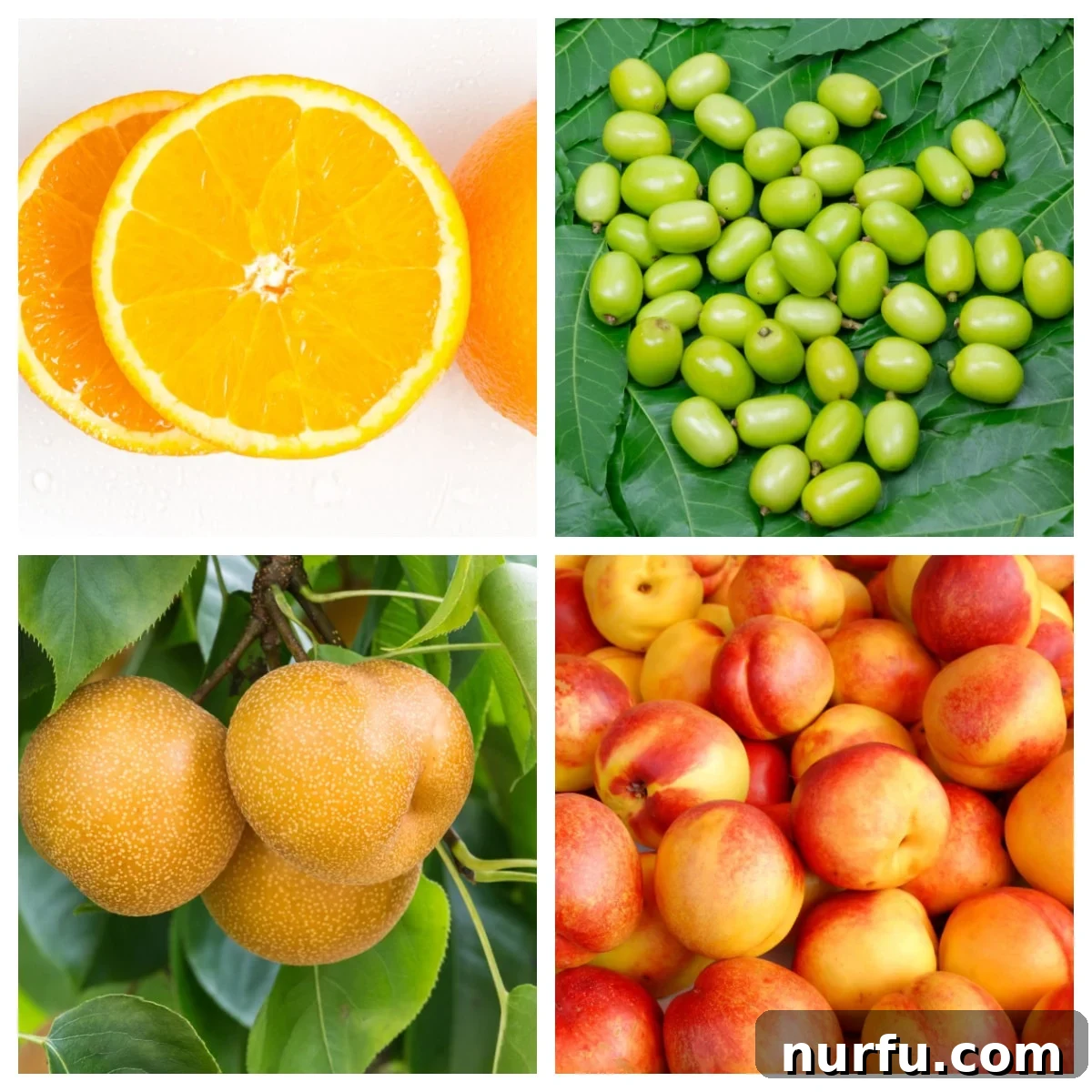
Discover 21 Fascinating Fruits That Start With N: Your Guide to Nutrient-Rich N-Fruits
In the vast and vibrant world of produce, fruits stand as essential pillars of a healthy diet, celebrated for their abundance of antioxidants, vital vitamins, and essential minerals. Consuming a diverse range of fruits is paramount for holistic well-being, offering everything from immune support to radiant skin. While many are familiar with common fruit bowl staples, there’s an exciting universe of lesser-known varieties waiting to be explored.
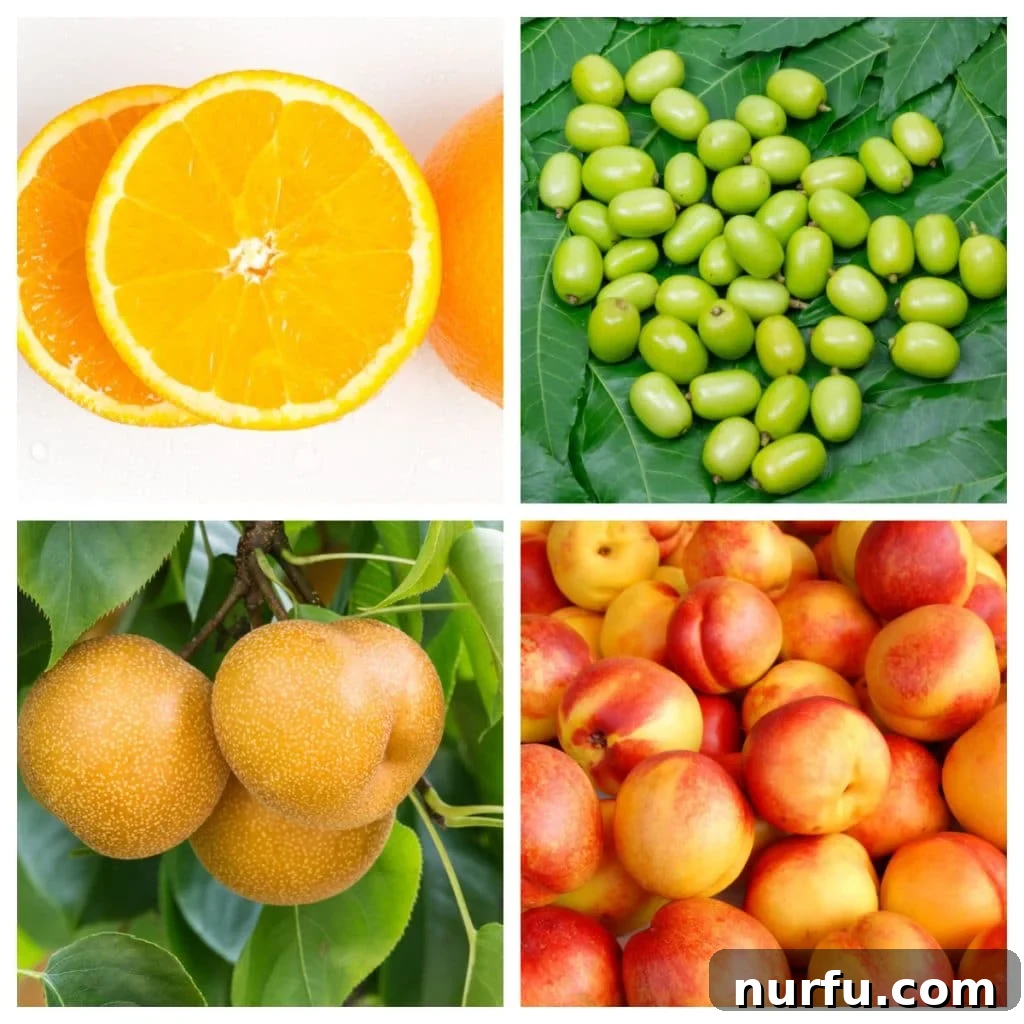
Are you looking to broaden your culinary horizons and introduce exciting new flavors and nutritional benefits into your daily routine? If you’re seeking to venture beyond the usual suspects and uncover some truly unique options, you’ve come to the right place. Just for fun, and with a keen eye on expanding your fruit knowledge, we’ve curated an extensive list of fruits that start with N. This comprehensive guide features everything from familiar finds often seen in your local grocery store’s produce section to exotic treasures you might not have encountered or even heard of before. Prepare to embark on a delightful journey through the alphabet, discovering the incredible diversity and appeal of these remarkable ‘N’ fruits!
1. Navel Orange
When envisioning a classic morning pick-me-up, a glass of fresh orange juice often springs to mind, largely due to its unparalleled vitamin C content and the invigorating glow it imparts. Among the vast array of citrus varieties, the Navel orange consistently stands out, widely celebrated for its exceptional sweetness and rich flavor profile, earning it a reputation as one of the world’s best-tasting oranges. These winter citrus gems are not only delicious but also a powerhouse of nutrients, including fiber and potassium, contributing significantly to a healthy immune system and overall vitality.
The distinctive name “Navel orange” is derived from its unique anatomical feature: a small, navel-like indentation at one end, which is actually a secondary, underdeveloped “twin” fruit embedded within the primary one. This characteristic makes them easily identifiable. Belonging to the vibrant citrus fruit family, Navel oranges are a winter harvest delight, typically ripening from November to May. Their thick, easy-to-peel skin and seedless, juicy segments make them a convenient and refreshing snack, perfect for eating fresh, adding to salads, or enjoying as a vibrant juice.
2. Nashi Pear
Imagine the best qualities of a pear and an apple combined into a single, delightful fruit – that’s precisely what you get with a Nashi pear. This intriguing fruit offers a crisp, refreshing crunch reminiscent of an apple, perfectly balanced with the sweet, succulent juiciness typically found in a ripe pear. Its unique texture and refreshing taste make it a versatile choice for a variety of culinary applications, from fresh salads to light desserts, or simply enjoyed on its own as a hydrating snack. Nashi pears are a great source of dietary fiber, vitamin C, and vitamin K, supporting digestive health and boosting antioxidant intake.
Adding to its intrigue, the Nashi pear is known by a plethora of names across different cultures and regions, including Nashi apple, apple pear, Asian pear, Korean pear, Japanese pear, Chinese pear, and sand pear. This abundance of names reflects its widespread popularity and diverse origins, primarily throughout East Asia. Visually, Nashi pears are typically rounder and firmer than traditional European pears, often exhibiting a beautiful golden-bronze or greenish-yellow skin, sometimes speckled with small, russet dots. Their high water content makes them incredibly refreshing, especially during warmer months, and their mild, sweet flavor pairs beautifully with both savory and sweet dishes. So, whether you call it an apple pear or an Asian pear, its delightful characteristics remain consistently appealing.
3. Nance Fruit
For those with an adventurous palate eager to explore fruits with unique names and even more distinctive flavors, the Nance fruit is an excellent candidate. These small, round, vibrant yellow fruits are not only visually appealing but also remarkably nutritious, packed with vitamins, minerals, and antioxidants. Nance fruits are typically harvested in late summer, gracing tropical and subtropical regions with their presence. They are a staple in many local cuisines, often enjoyed fresh or incorporated into traditional recipes.
Interestingly, Nance fruits are frequently referred to by charming alternative names such as Golden Spoon, Yellow Cherry, or Golden Cherry. These aliases are fitting, not only due to their rich golden hue but also because they serve as an invaluable nectar source for bees during the spring season, playing a crucial role in local ecosystems. While initially possessing a slight acidity when picked, Nance fruits develop a wonderfully sweet and tangy flavor once fully ripened, making them a delightful treat. They are commonly used to make desserts, jams, jellies, and refreshing beverages, offering a burst of tropical flavor that is both unique and invigorating.
4. Northern Spy Apple
What could be better than an apple that not only tastes exquisite but also carries a rich history? The Northern Spy apple is a revered, popular old variant of American winter apples, cherished for its distinct characteristics and versatility. This heritage apple boasts a large size and a striking greenish-yellow skin often streaked with red, making it visually appealing. Beyond its looks, the Northern Spy apple is a nutritional asset, offering dietary fiber and vitamin C, contributing to digestive health and immune support.
Renowned for its tender-crisp texture, crunchy exterior, and exceptionally creamy and juicy flesh, the Northern Spy apple offers a complex flavor profile. It presents a subtle acidity that beautifully balances its overall sweetness, often revealing delightful undertones of pear and a hint of cider. This makes it an ideal choice for a variety of culinary uses. While perfectly enjoyable when eaten fresh out of hand, Northern Spy apples truly shine in cooking and baking. They are highly prized for making premium apple pies, robust ciders, and flavorful sauces, holding their shape well during cooking and imparting a rich, aromatic taste that is hard to beat. Its enduring popularity is a testament to its superb quality and adaptability.
5. Natal Plum
Among the diverse world of plums, the Natal Plum holds a special place, making its way onto our list with its vibrant appearance and impressive nutritional value. At first glance, its bright red color and small size might lead one to mistake it for a miniature tomato, but don’t be fooled; this is indeed the unique Natal Plum. This attractive fruit, native to South Africa, adds a tropical flair to any fruit assortment, distinguished by its vibrant hue and plump form.
Natal Plums are typically tapered or pointed at one end, featuring a brilliant red outer peel that gives way to a similarly colored, succulent flesh. When sliced open, the fruit reveals a beautiful milky white sap, a characteristic feature that distinguishes it. Beyond its aesthetic appeal, the Natal Plum is a nutritional powerhouse, containing enormous amounts of Vitamin C, vital for immune function, as well as significant quantities of iron and potassium, which are crucial for energy and electrolyte balance. Traditionally, these plums have been utilized for their medicinal properties, particularly in treating common ailments like colds and flu. They have also been employed as a folk remedy for soothing toothaches, highlighting their long-standing cultural and health significance.
6. Nepali Hog Plum
For those seeking an authentic taste of the Himalayas from afar, the Nepali Hog Plum offers a remarkable culinary experience. This indigenous fruit of Nepal is widely recognized by its local name, Lapsi, and holds a cherished place in Nepali cuisine and culture. It presents a distinctive flavor profile that is both intensely sour and refreshingly unique, making it a memorable addition to any fruit enthusiast’s repertoire. Lapsi is also an excellent source of vitamin C, providing a significant boost to the immune system and contributing to overall health.
When mature, the Nepali Hog Plum typically exhibits a greenish-yellow color and an oval structure, resembling a small, firm plum. What truly sets it apart is its remarkable sourness, which persists even when the fruit is completely ripe. This tartness is celebrated and utilized in various traditional Nepali preparations. While some individuals enjoy the invigorating fresh flavor of Lapsi straight from the tree, it is most commonly processed into popular sweet and salty dried fruit nuggets or fruit leather, known as “achar” or “marmalade.” These preparations allow the unique flavor of Lapsi to be preserved and enjoyed year-round, adding a delightful tang to meals and snacks.
7. Neem Fruit
When considering the extensive healing properties associated with the Neem tree, often revered in traditional medicine, it’s no surprise that its fruit also offers remarkable benefits. The Neem fruit, an often-overlooked component of this miraculous tree, typically appears as a smooth, green, oval-shaped drupe, approximately 2 centimeters long, ripening to a yellow or greenish-yellow hue. This fruit, along with other parts of the Neem tree, is rich in bioactive compounds known for their anti-inflammatory, antibacterial, and antioxidant properties, making it a fascinating subject for health enthusiasts.
While the flowers of the Neem tree are occasionally used as a flavoring agent, they possess a distinct bitterness that necessitates cooking to mellow their taste; they are often fried or consumed raw alongside other vegetables. The pulp of the fully ripe Neem fruit, however, offers a more palatable experience. It can be consumed raw, cooked into various dishes, or even utilized in beverages, contributing a unique, slightly bitter-sweet flavor. The delicious pulp encases a single seed, which is the source of valuable neem oil. Exploring the Neem fruit allows one to delve deeper into the vast wellness potential of this ancient, revered plant.
8. Nonda Plum
The plum family truly shines on this list, revealing a surprising diversity that extends far beyond the common varieties. The Nonda Plum, a lesser-known but equally fascinating fruit, is a true wild delight, primarily found in the rugged landscapes of Northern Australia and Papua New Guinea. This resilient fruit typically ripens during the dry season, offering a valuable food source when other options might be scarce. The Nonda Plum is more than just a fruit; it’s a testament to nature’s adaptability and bounty, packed with natural sugars and essential nutrients to sustain those who forage for it.
The Nonda Plum is the fruit of a small tree or shrub scientifically known as *Parinari nonda*, belonging to the Chrysobalanaceae family. Its intriguing name was bestowed by the renowned Australian explorer, Ludwig Leichhardt, who first documented its presence and local uses. Distinctively, the fruit’s exterior is hard, tough, and often covered in fine brown hairs, offering a protective shell for the edible pulp within. When fully mature, the Nonda Plum presents a soft, sweet, and mealy pulp, often described as having a nutty or date-like flavor. Indigenous communities have long valued this fruit, consuming it fresh or grinding it into a flour, showcasing its historical importance as a wild food staple.
9. Naartjie Fruit
What could be more convenient and enjoyable than a seedless fruit, especially one that combines ease of peeling with a burst of sweet flavor? The Naartjie fruit, a delightful member of the citrus family, perfectly fits this description. Typically seedless, or with very few seeds, it boasts a thin, leathery skin generously dotted with numerous oil glands, which release a wonderful aroma when peeled. This South African citrus marvel is not only a treat for the taste buds but also a significant contributor to daily nutritional intake.
The Naartjie’s outer skin is remarkably easy to peel, making it a popular choice for quick snacks, particularly for children. However, the inner flesh requires a gentle touch due to its delicate nature; it cannot tolerate excessive force without bruising. Resembling a smaller, more intensely flavored mandarin orange, the Naartjie fruit offers a distinctly sweet and fragrant taste, often described as a perfect balance between a tangerine and an orange. Beyond its delicious flavor, Naartjie fruit is packed with powerful antioxidants and serves as a vital source of vitamin C, folate, and beta-carotene. These nutrients are crucial for strengthening the immune system, promoting healthy skin by lightening pigmentation, and supporting overall cellular health, making the Naartjie a truly beneficial addition to any diet.
10. Newtown Pippin Apples
While apples and the famous physicist Isaac Newton share a legendary, albeit apocryphal, connection, the Newtown Pippin Apple earns its renown through an entirely different, historical legacy. This esteemed apple variety, though not directly linked to the gravitational anecdote, was undeniably a well-known and highly valued apple of its era, marking its place in American horticultural history. Its enduring appeal lies in its complex flavor and remarkable versatility, making it a favorite among apple connoisseurs and culinary enthusiasts alike.
Indeed, the Newtown Pippin was one of the very first apple types cultivated in America, gaining immense popularity throughout the 18th century. It is believed to have originated as a chance seedling planted by early immigrants on Long Island, New York. Characterized by its pale green to yellow skin, sometimes with a blush, and a firm, crisp, juicy flesh, the Newtown Pippin offers a tart-sweet flavor with citrusy undertones that mellow and deepen in storage. This particularly adaptable apple is celebrated for its exceptional qualities in cooking, baking, and juicing, especially for concentrated cider. As a high-grade culinary apple, it holds its form beautifully when cooked, yielding a textured puree with a wonderfully rich and nuanced taste, making it indispensable for traditional apple recipes.
11. Nam Dok Mai
For many, mango is not just a fruit; it’s a tropical sensation, and the Nam Dok Mai variety is a luxurious addition to the pantheon of favorite mango types. While commonly associated with Thailand, where it is incredibly popular and revered as the “flower of the mango,” this exquisite cultivar actually has origins that can be traced back to Australia. Its smooth, buttery texture and intensely sweet flavor have captivated palates worldwide, solidifying its status as a premium mango variety.
The Nam Dok Mai mango lives up to the reputation of its mango lineage, offering a rich, sweet, and exquisitely fresh taste that is distinctively aromatic and juicy. Its golden-yellow skin, elegant elongated shape, and minimal fiber content make it a delight to eat fresh, often considered the ultimate dessert mango. Conversely, unripened Nam Dok Mai mangoes are prized for their extreme sourness and crisp texture, making them a key ingredient in many vibrant Thai cuisines, particularly in savory salads and dipping sauces, providing a sharp counterpoint to rich dishes. Globally celebrated for its superb quality and delectable flavor, the Nam Dok Mai mango is truly a fruit that everyone should experience at least once, promising a taste of tropical paradise with every bite.
12. Nutmeg Fruit
Nutmeg is primarily known globally as a beloved spice, adding warmth and depth to countless culinary creations. However, many are unaware that this fragrant spice is actually the seed of a remarkable fruit. The entire nutmeg fruit, originating from the evergreen nutmeg tree (*Myristica fragrans*), is a lesser-known but fascinating part of the plant, often resembling a small, yellowish peach or apricot. Finding the whole fruit outside of its native tropical regions, particularly Indonesia, is indeed quite rare, making it a unique discovery for the adventurous.
The outer flesh of the nutmeg fruit, which is typically discarded when harvesting the seed and mace (the aril covering the seed), has a slightly tart, aromatic flavor. While the seed itself is widely used in cuisines for its distinctive woody flavor and fragrance in both sweet and savory dishes, the fruit’s pulp also possesses culinary potential. A common, albeit traditional, way to utilize the fresh nutmeg fruit is to juice it, often combined with complementary flavors like ginger and concentrated lemon juice to create a refreshing and aromatic beverage. Additionally, the fruit’s flesh can be made into jams, jellies, or preserves. It can even be eaten fresh with bread or topped on cereals, imparting a subtly earthy and aromatic flavor that elevates any food experience, offering a delightful alternative to its more famous seed counterpart.
13. Naranjilla Fruit
Imagine a small, round, orange-like fruit that promises a taste sensation even more intriguing than a common orange—this is the allure of the Naranjilla. Its very name, derived from the Spanish word “naranja” meaning orange, and the diminutive “-illa,” translates to “little orange,” perfectly describing its appearance. This vibrant fruit, often called “lulo” in Ecuador and Colombia, is a true tropical gem, inviting curious palates to discover its unique and complex flavors. Despite its citrusy moniker, the Naranjilla’s taste is anything but ordinary, offering a tangy sweetness with notes of pineapple and lemon.
The Naranjilla is a small fruit with a surprisingly powerful punch of flavor. What makes it particularly deceptive is its botanical classification: contrary to its name and color, it is not related to the citrus family at all. Instead, it belongs to the Solanaceae family, making it a cousin to vegetables like eggplants, tomatoes, and potatoes. Unripe Naranjilla fruits are typically covered in small, protective brown hairs, giving them a fuzzy appearance somewhat resembling a kiwi. As it matures, the approximately 2.5-inch spherical fruit develops a smooth, leathery skin that eventually turns a vibrant orange hue. Inside, the Naranjilla’s flesh is a pale yellow-orange, featuring a thick ring of luscious green pulp speckled with tiny, thin seeds, creating a visually striking interior that is as captivating as its taste. This pulp is highly sought after for making refreshing juices, often sweetened to balance its natural tartness, and is a staple in Latin American cuisine for its invigorating and distinctive flavor.
14. Nere Fruit
An aesthetically pleasing fruit that also offers profound nutritional and medicinal benefits is undoubtedly worth exploring! The Nere fruit, with its rich reddish-orange color, presents an incredibly aesthetic appeal that is as captivating as its historical significance. This remarkable fruit is the product of the Nere tree (*Parkia biglobosa*), also widely known as the African locust bean tree or *dodongba*, primarily found thriving across the diverse environments of West and Central Africa. The Nere tree itself is revered in many cultures, providing shade, sustenance, and traditional remedies.
The Nere fruit is mainly cultivated for its valuable seeds and the sweet, powdery pulp contained within its elongated pods. The seeds are highly nutritious, rich in protein, fat, and calcium, and are commonly fermented to produce “dawadawa,” a savory condiment used extensively in West African cooking, adding a unique umami flavor to stews and soups. The sweet pulp, often consumed directly or processed into refreshing drinks and traditional sweets, is a good source of carbohydrates and vitamin C. Beyond its culinary uses, various parts of the Nere tree, including its fruit, bark, leaves, and flowers, are integral to traditional African medicines. They are employed to treat a wide array of ailments, from fevers and infections to digestive issues, underscoring the tree’s multifaceted importance to the communities it serves.
15. Nagami Kumquat
Among the smallest of orange-colored fruits, the Nagami Kumquat stands out not only for its diminutive size but also for its exceptionally unique way of consumption. This intriguing citrus fruit, typically oval or teardrop-shaped, boasts a smooth, shiny exterior that strikingly resembles a miniature olive, adding a touch of elegance to any fruit bowl. What truly sets the Nagami Kumquat apart is its mild, distinctly sweet rind that contrasts beautifully with its tangy, juicy pulp, offering a complex flavor experience in a single bite. These tiny powerhouses are also rich in vitamin C and fiber, making them a nutritious snack.
A fun and surprising fact about the Nagami Kumquat is that the entire fruit—peel, flesh, and even seeds—is edible! Unlike most citrus fruits where the peel is often bitter and discarded, the Nagami’s peel is the sweetest part, creating a delightful explosion of flavor when eaten whole. While some prefer to remove the tiny seeds, they are harmless to consume. Due to its unique balance of sweetness and acidity, the Nagami Kumquat is incredibly versatile in the kitchen. It can be enjoyed fresh, sliced into salads, candied, made into marmalades, or incorporated into both savory dishes, like glazes for poultry, and sweet desserts, adding a bright, zesty note. Its small size allows Nagami Kumquats to grow in dense clusters, making them highly productive and visually appealing, and the variety known as ‘Melwa’ is often considered the sweetest and most desirable type, perfect for those seeking the ultimate kumquat experience.
16. Nectacotum Fruit
Prepare to be delightfully confused when encountering a Nectacotum fruit, as its appearance might have you pondering whether it’s a peach, a plum, or a nectarine! This fascinating fruit is, in fact, a carefully cultivated hybrid, born from the crossing of a peach, a plum, and a nectarine. This genetic marvel results in a fruit that inherits the best characteristics of its parent varieties, offering a complex flavor profile and a unique texture that is both tender and juicy. The Nectacotum represents the innovative spirit of modern horticulture, aiming to combine superior traits into a single, delectable fruit.
Visually, the Nectacotum fruit is a stunner, often displaying a beautiful reddish-green skin that hints at its multifaceted parentage. Slice it open, and you’ll discover a light pink flesh that is as appealing to the eye as it is to the palate. The sweet and subtly tangy flavor of Nectacotum fruit blends exceptionally well, making it a versatile ingredient. Its inherent sweetness harmonizes beautifully with the tanginess of fresh berries in a fruit salad, or it can add a refreshing counterpoint to a vibrant green salad. One of its most appealing aspects is its impressive nutritional profile: it is remarkably high in vitamin C, crucial for immune health, while being naturally free of cholesterol, sodium, and fat, making it an excellent choice for health-conscious individuals. Furthermore, its versatility extends to both savory and sweet culinary applications, from making exquisite jellies and jams to being served alongside roasted potatoes and cured meats, proving its adaptability and culinary charm.
17. Nectarine
This smooth-skinned stone fruit often leads to playful confusion, frequently mistaken for its fuzzy cousin, the peach. However, the Nectarine, while closely related to peaches, stands as a distinct fruit in its own right, distinguished primarily by its smooth, brilliant skin devoid of the characteristic peach fuzz. Both nectarines and peaches are members of the *Prunus persica* species, underscoring their shared ancestry, yet the nectarine is a naturally occurring variety that developed without the velvety exterior. This subtle difference gives the nectarine a sleek appearance and a slightly firmer texture, contributing to its unique appeal.
Nutritionally, nectarines and peaches are nearly identical, offering equivalent quantities of dietary fiber, natural sugars, essential vitamins (like A and C), and minerals (such as potassium). However, their culinary attributes diverge slightly. Nectarines are known for maintaining their firmness exceptionally well during cooking, making them an excellent choice for grilled dishes, tarts, and cobblers where a more structured fruit is desired. Peaches, conversely, tend to soften more, which makes them ideal for baking into pies, jams, and dishes where a softer, more yielding texture is preferred. Beyond their culinary versatility, this delicious fruit is notably low in fat and calories, while actively aiding in the absorption of iron and potentially encouraging weight management, cementing its status as a healthy and delightful summer staple.
18. Nocera
For those who appreciate the sophisticated notes of fine red wine, the Nocera grape offers an elite experience that is not to be overlooked. While not a fruit typically consumed fresh, Nocera is an exceptional red wine grape variety indigenous to the sun-drenched vineyards of Sicily, Italy. This ancient grape cultivar is celebrated for producing distinctive, high-quality wines that embody the rich terroir of its Mediterranean home, offering a unique sensory journey for connoisseurs and enthusiasts alike. Its cultivation history dates back centuries, making it a true vinicultural treasure.
One of the remarkable characteristics of Nocera is its ability to maintain a decent level of acidity, even amidst the blazing Sicilian heat, a quality that is crucial for producing balanced and age-worthy wines. The grape is known for its thick-skinned berries, which are abundant in tannins, leading to structured wines with significant palate weight and a robust character. These wines typically present an intense alcoholic flavor, beautifully complemented by an elegant punch of fruity spice, often with notes of dark berries, plum, and a hint of Mediterranean herbs. Nocera wine is an excellent pairing for hearty meals, complementing rich and savory dishes such as deep-dish pizzas, slow-roasted beef, and aged cheeses, enhancing the dining experience with its profound depth and complex aromas.
19. Nannyberry
If you’re on a quest to discover and savor truly unique native fruits, the Nannyberry is an intriguing candidate that deserves your attention! This delightful wild fruit, native to North America, is a fantastic addition to our diverse list of fruits that start with N. Growing in inviting clusters on small trees or large shrubs (*Viburnum lentago*), Nannyberries are a true gift of the late fall season, ripening to an incredible sweetness that offers a unique flavor experience unlike many other berries. They are a valuable food source for wildlife and historically for indigenous peoples.
The taste profile of Nannyberries is particularly distinctive, often described as falling somewhere between the creamy sweetness of a banana and the rich, concentrated flavor of a prune. This intriguing combination is precisely why they are frequently referred to as “sweet viburnum.” When fully ripe, the fruits turn a dark blue to black color and become soft and luscious, making them perfect for fresh consumption or for making jams, jellies, and even fruit leathers. Their incredibly sweet flavor, combined with a mild, pleasant aroma, makes them a children’s favorite summer (or late fall) delight. So, this coming season, make sure not to miss out on the opportunity to try Nannyberries and experience this wild, wonderfully sweet treat firsthand.
20. Noni
The Noni fruit is another one of nature’s deceptive treasures that might initially lead you to believe it’s something more familiar, perhaps a mango, due to its somewhat similar size and color. However, a slight step closer—and a whiff of its distinctive aroma—will quickly reveal the truth. This fascinating and highly aromatic fruit, known scientifically as *Morinda citrifolia*, is native to Southeast Asia and Australasia, though it’s now widely cultivated in tropical regions around the world, revered for its traditional medicinal uses.
Characterized by its lumpy, yellowish-green appearance and approximately the size of a mango (though varying), the Noni fruit possesses a tangy, pungent smell that has famously been likened to that of strong cheese or even vomit, making it quite an acquired taste for fresh consumption. Its flavor is equally unique, often described as bitter and slightly acidic. Despite these challenging sensory attributes, Noni has been a cornerstone of traditional Polynesian, Southeast Asian, and Aboriginal Australian medicine for over 2000 years, used to treat a vast array of health issues including pain, inflammation, infections, and digestive problems. It is most commonly consumed as a juice, which is immensely popular among people seeking its purported health benefits. To make the taste more palatable, Noni juice is frequently mixed with other additives or sweeter fruit juices, such as grape or berry juice, creating a powerful wellness tonic that continues to garner global attention for its impressive therapeutic potential.
21. Nuts
When seeking a healthy, convenient, and incredibly versatile snack, nuts undoubtedly emerge as an absolute best friend in the culinary and nutritional world. While botanically, many “nuts” like almonds and walnuts are technically seeds or drupes, they are universally categorized as dry fruits in common parlance and culinary applications. This broad category encompasses a wide array of options—from crunchy almonds and earthy walnuts to creamy cashews and rich pecans—each packed with its own unique flavor profile and nutritional benefits. Their immense versatility means they can be literally used on and with almost everything, enhancing both sweet and savory dishes.
Beyond their use as versatile ingredients, nuts can be simply enjoyed on their own as a satisfying and nutrient-dense snack, offering sustained energy. Moreover, they are truly packed with powerful nutrients, including healthy fats (monounsaturated and polyunsaturated), protein, fiber, vitamins (like E and B vitamins), and essential minerals (such as magnesium, zinc, and selenium). These components contribute to heart health, brain function, and overall vitality. However, it is always best to consume nuts in moderation due to their calorie density, as excessive intake can lead to adverse effects on the body. Strategically incorporating nuts as toppings for your morning cereals, overnight oats, vibrant salads, refreshing smoothies, and delectable desserts, or simply as a side snack when you need a satisfying crunch, can be a game-changer. This mindful approach allows you to harness their incredible health benefits while simultaneously saving you from gaining unnecessary extra calories often found in processed chips and biscuits, making nuts an indispensable part of a balanced diet.
Explore More Fruit Varieties!
Our journey through the amazing world of fruits that start with ‘N’ has hopefully inspired you to try something new and exciting. The diversity of flavors, textures, and nutritional benefits found within these fruits is truly remarkable. But the exploration doesn’t stop here! If you’re eager to continue expanding your fruit knowledge and discover even more delicious and healthy options, we invite you to explore our other curated lists. Dive into new culinary adventures and nourish your body with the incredible bounty of nature.
- Fruits that start with S
- Fruits that start with B
- Fruits that start with E
- Fruits that start with H
Baked Nectarines with Cinnamon Honey
Pin Recipe
Rate Recipe
Print Recipe
Ingredients
1x2x3x
- 2 nectarines cut in half, seed removed
- 1/2 teaspoon ground cinnamon
- 1/4 cup honey
Instructions
-
Preheat oven to 350 degrees F.
-
Prepare a small baking dish by spraying with non-stick cooking spray.
-
Place the nectarine halves in the baking dish, ensuring they are cut-side up.
-
Drizzle honey evenly over the nectarines, then sprinkle with ground cinnamon.
-
Bake for approximately 20 minutes, or until softened and lightly caramelized.
Nutrition
Nutrition information is automatically calculated, so should only be used as an approximation.