
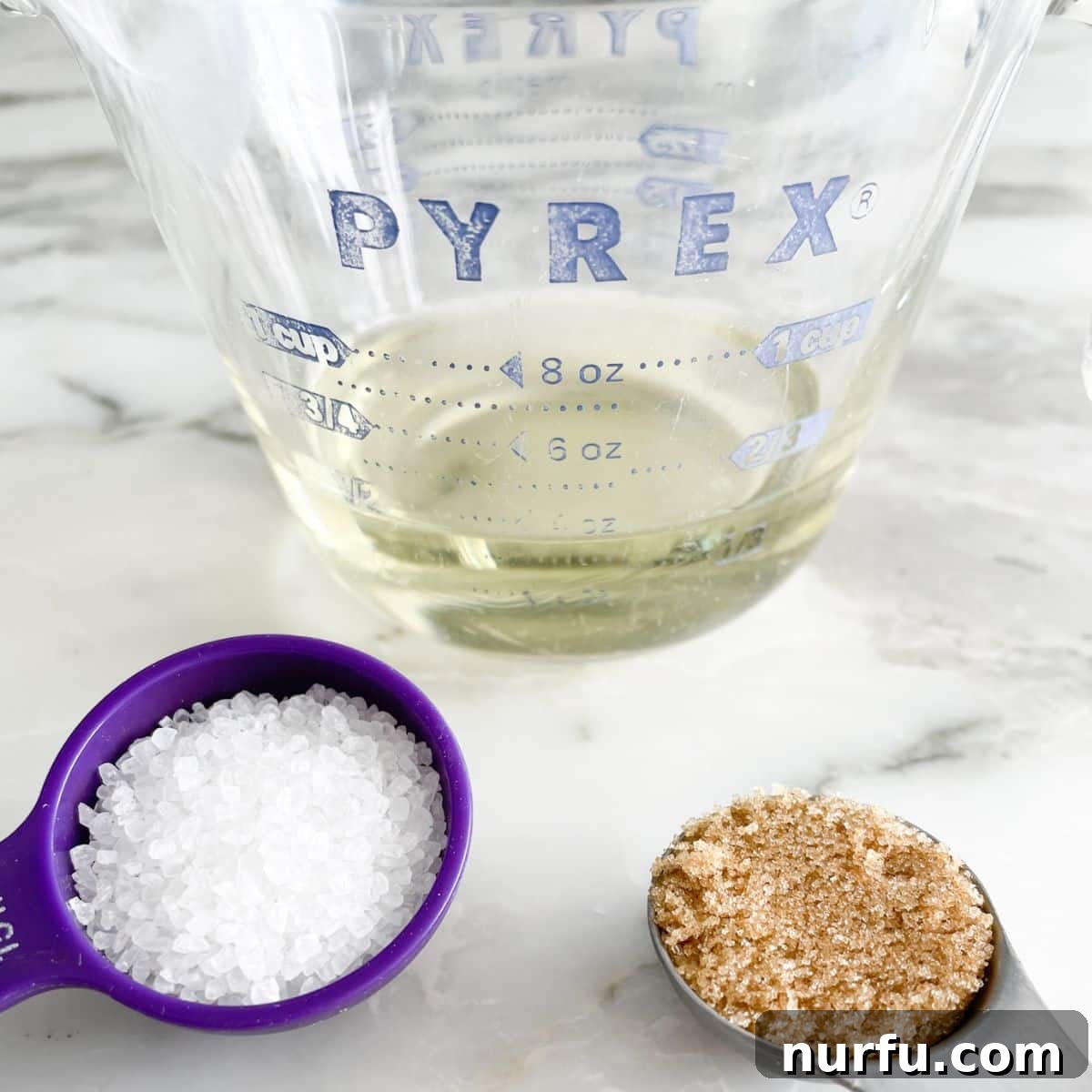
Navigating the kitchen can sometimes feel like solving a puzzle, especially when recipes use different units of measurement than you’re accustomed to. One of the most common culinary conundrums involves converting between fluid ounces and tablespoons. Whether you’re a seasoned chef or a beginner baker, understanding these fundamental conversions is key to achieving consistent and delicious results every time. This comprehensive guide will demystify the question, “How many tablespoons in an ounce?”, equip you with essential conversion knowledge, and share expert tips for accurate measuring of both wet and dry ingredients.
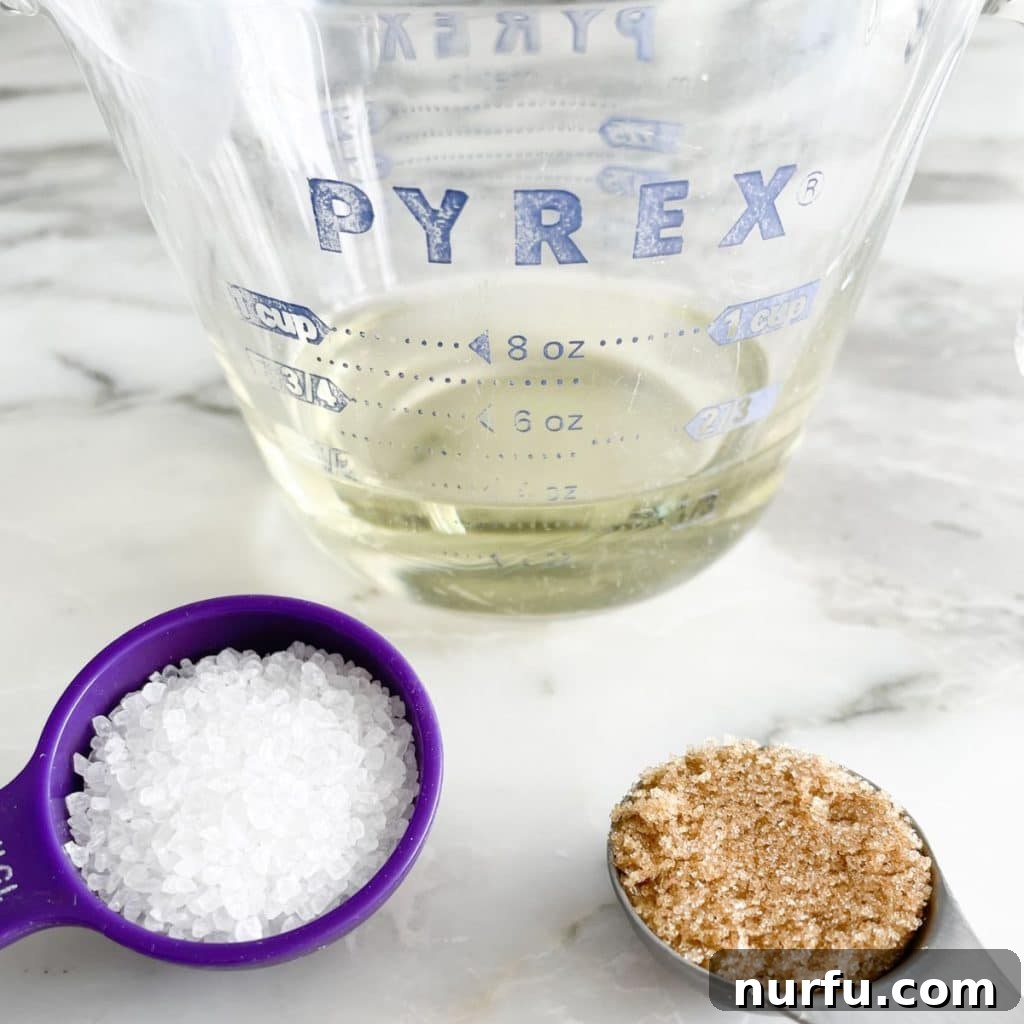
Many fantastic recipes, from intricate baking projects to simple weeknight dinners, often call for measurements in ounces. If your trusty measuring spoons are in tablespoons, a quick conversion becomes essential. We’re here to turn you into a kitchen measurement maestro, ensuring your culinary creations are always perfectly balanced.
Beyond this guide, you might find it useful to explore other common kitchen conversions, such as how many ounces in a pound or how many ounces in a cup, to further enhance your cooking accuracy.
The Fundamental Conversion: How Many Tablespoons in an Ounce?
Let’s get straight to the point: the core conversion that every home cook should know. Understanding this relationship is crucial for accurately scaling recipes up or down, or simply for using the right tools at hand.
There are precisely 2 tablespoons in 1 U.S. fluid ounce.
This simple ratio is the cornerstone of many liquid measurements in American recipes. It applies specifically to fluid ounces, which measure volume, rather than ounces of weight.
Here’s a quick reference table to help you visualize common conversions:
- 1 fluid ounce = 2 tablespoons
- 2 fluid ounces = 4 tablespoons
- 3 fluid ounces = 6 tablespoons
- 4 fluid ounces = 8 tablespoons
- 5 fluid ounces = 10 tablespoons
- 6 fluid ounces = 12 tablespoons
- 7 fluid ounces = 14 tablespoons
- 8 fluid ounces = 16 tablespoons (which is also 1 cup!)
- 16 fluid ounces = 32 tablespoons (which is also 2 cups or 1 pint!)
Mastering the Conversion: Tablespoons to Ounces and Vice Versa
Now that you know the basic ratio, let’s explore how to perform these conversions effortlessly in your kitchen.
Converting Tablespoons to Fluid Ounces
To convert a given number of tablespoons to U.S. fluid ounces, simply multiply the number of tablespoons by 0.5 (or divide by 2):
Number of Tablespoons × 0.5 = Fluid Ounces
Example 1: If a recipe calls for 5 tablespoons of oil, and you want to know how many fluid ounces that is:
5 tablespoons × 0.5 = 2.5 fluid ounces
Example 2: You have 12 tablespoons of a liquid ingredient.
12 tablespoons × 0.5 = 6 fluid ounces
Converting Fluid Ounces to Tablespoons
Conversely, if your recipe specifies fluid ounces and you need to use tablespoons, you’ll simply multiply the number of fluid ounces by 2:
Number of Fluid Ounces × 2 = Tablespoons
Example 1: A recipe requires 3 fluid ounces of milk.
3 fluid ounces × 2 = 6 tablespoons
Example 2: You need 0.5 fluid ounces of vanilla extract.
0.5 fluid ounces × 2 = 1 tablespoon
Understanding the Tablespoon (Tbsp)
The tablespoon, often abbreviated as “Tbsp” or “T,” is a unit of volume measurement widely used in the United States, Canada, and some other countries. It’s part of the US customary system, which itself is derived from the British imperial system.
Historically, a tablespoon was simply a large spoon used at the dinner table. Over time, its capacity became standardized for cooking purposes. In the U.S. system:
- 1 tablespoon is equal to 3 teaspoons (tsp).
- 1 tablespoon is equal to approximately 14.79 milliliters (ml).
- 1 tablespoon is equal to 1/2 of a U.S. fluid ounce.
Tablespoons are typically used for measuring smaller quantities of ingredients, such as spices, extracts, oil, or sugar, especially when a precise amount is needed to balance flavors in a dish. While a standard dinner spoon might approximate a tablespoon, for culinary accuracy, it’s always best to use a dedicated measuring spoon.
Demystifying the Ounce (oz): Weight vs. Volume
The term “ounce” can be a source of confusion because it refers to two different types of measurements: a unit of weight (mass) and a unit of volume (fluid ounce). Understanding the distinction is paramount for successful cooking and baking.
The Ounce as a Unit of Weight (Avoirdupois Ounce)
When a recipe or package refers to “ounces” without specifying “fluid,” it usually means avoirdupois ounces, which is a unit of weight. This is commonly used in the United States and some other countries that follow the imperial system. One avoirdupois ounce is part of a pound:
- 1 pound (lb) = 16 avoirdupois ounces (oz)
- 1 avoirdupois ounce = approximately 28.35 grams (g)
Weight measurements are typically used for dry ingredients like flour, sugar, meat, or vegetables, especially in baking where precision is critical. Measuring by weight with a kitchen scale is often considered the most exact form of measurement, as it accounts for density variations that volume measurements might miss (e.g., sifted flour versus packed flour).
Understanding the Fluid Ounce (fl oz)
A fluid ounce is distinct from an ounce of weight. It is a unit of volume, used specifically to measure liquids. This is the unit we’re concerned with when converting to tablespoons.
- 1 U.S. fluid ounce = 2 U.S. tablespoons
- 1 U.S. fluid ounce = approximately 29.57 milliliters (ml)
- 1 U.S. fluid ounce = 1/8 of a U.S. cup
Fluid ounces are essential for recipes that require precise amounts of liquid ingredients such as water, milk, oil, extracts, or sauces. It’s important to note that the U.S. fluid ounce is slightly different from the Imperial (British) fluid ounce. The Imperial fluid ounce is about 28.41 ml, making U.S. fluid ounces slightly larger. For most home cooking, especially with U.S. recipes, this minor difference is negligible, but it’s good to be aware of for international recipes.
The Critical Difference: Measuring Liquid vs. Dry Ingredients
One of the most common pitfalls in the kitchen is using the same measurement techniques for both liquid and dry ingredients. This fundamental distinction is vital for accurate results, particularly in baking, where ratios are delicate.
Dry ingredients are best measured by weight (using a scale) or by volume using specific dry measuring cups and spoons. Liquid ingredients are always measured by volume, typically with clear liquid measuring cups.
The reason for this difference lies in density and how ingredients settle. Dry ingredients like flour can be packed down, drastically changing their volume, while liquids maintain a consistent volume regardless of how they are transferred.
How to Accurately Measure Dry Ingredients
Dry ingredients include staples like flour, sugar, salt, spices, cornmeal, baking powder, and cocoa powder. For the most accurate results, especially with flour, a kitchen scale is highly recommended for measuring by weight. However, when measuring by volume with cups and spoons, proper technique is crucial.
Best Practices for Dry Ingredients (Volume):
- Spoon and Level: For flour and similar powders, gently spoon the ingredient into your dry measuring cup until it overflows. Do not pack it down or tap the cup.
- Level Off: Use a straight edge, such as the back of a knife or a flat spatula, to level off the excess ingredient from the top of the cup.
- Avoid Scooping: Scooping dry measuring cups directly into a bag of flour can compact the flour, leading to significantly more flour than intended.
- Use Dry Measuring Cups: These are designed to be filled to the rim and leveled, ensuring consistent volume.
While the focus of this article is tablespoons to fluid ounces (volume), it’s important to understand how tablespoons might be used for smaller quantities of dry ingredients (e.g., a tablespoon of baking soda). In such cases, the “spoon and level” technique applies.
| Tablespoons | Fluid Ounces (Volume) |
| 2 tablespoons | 1 ounce |
| 4 tablespoons | 2 ounces |
| 6 tablespoons | 3 ounces |
| 8 tablespoons | 4 ounces |
| 10 tablespoons | 5 ounces |
| 12 tablespoons | 6 ounces |
| 14 tablespoons | 7 ounces |
| 16 tablespoons | 8 ounces (1 cup) |
How to Accurately Measure Wet Ingredients
Liquid ingredients include water, milk, oils, vanilla extract, honey, syrups, and more. For these, you should always use transparent liquid measuring cups, which typically have a spout for easy pouring and markings that allow you to read the measurement at eye level.
Best Practices for Liquid Ingredients:
- Use Liquid Measuring Cups: These cups usually have a handle and a spout, with clear markings below the rim to prevent spills and allow for precise reading.
- Place on a Flat Surface: Always place your liquid measuring cup on a level counter or table before pouring.
- Read at Eye Level: Bend down so your eyes are level with the surface of the liquid. The measurement should be read from the bottom of the meniscus (the slight curve formed by the liquid’s surface).
- For Smaller Quantities: For amounts like a tablespoon or a teaspoon of liquid (e.g., extracts or flavorings), use standard measuring spoons and fill them completely, ensuring no overflow.
| Cups | Fluid Ounces | Tablespoons |
| 1/4 cup | 2 fluid ounces | 4 tablespoons |
| 1/2 cup | 4 fluid ounces | 8 tablespoons |
| 1 cup | 8 fluid ounces | 16 tablespoons |
| 2 cups | 16 fluid ounces (1 pint) | 32 tablespoons |
Expert Tips for Seamless Conversions and Accurate Measuring
Achieving culinary perfection often comes down to precision. Here are some invaluable tips to ensure your conversions and measurements are always on point:
- Invest in Quality Tools: A good set of measuring spoons, liquid measuring cups of various sizes, and a reliable kitchen scale are your best friends for accuracy.
- Utilize a Digital Kitchen Scale: For dry ingredients, especially in baking, weighing ingredients in grams or ounces by weight provides the highest level of accuracy and consistency, surpassing volumetric measurements.
- Understand Your Recipe’s Origin: Be mindful of whether a recipe is American (US Customary) or from another region (e.g., British Imperial or Metric), as unit definitions can slightly vary (e.g., U.S. vs. Imperial fluid ounce).
- Avoid Over- or Under-Measuring: Eyeballing measurements or not leveling correctly can significantly alter the outcome of your dish. Be meticulous, especially with leavening agents like baking soda or powder.
- Keep a Conversion Chart Handy: Print out or bookmark a reliable conversion chart (like the ones in this article) to quickly reference when you’re in the middle of cooking.
- Practice Makes Perfect: The more you cook and measure, the more intuitive these conversions and techniques will become. Don’t be afraid to experiment and learn from your experiences.
- Consider Online Converters: If you’re dealing with unusual quantities or need to convert across multiple systems (e.g., metric to imperial), an online kitchen converter can be a quick and easy tool.
Conclusion: Your Guide to Confident Kitchen Conversions
Mastering kitchen measurements and conversions is a foundational skill that empowers you to tackle any recipe with confidence. Remember the golden rule: there are 2 tablespoons in one U.S. fluid ounce. By understanding the difference between fluid ounces and ounces of weight, employing proper measuring techniques for wet and dry ingredients, and keeping reliable conversion charts within reach, you’ll ensure precision in all your culinary endeavors.
No longer will you hesitate when a recipe calls for an unfamiliar unit. With these tips and conversion tables, you’re well-equipped to measure accurately and consistently, leading to more successful and enjoyable cooking experiences. Happy cooking!
FAQ: Converting Tablespoons to Ounces
1 fluid ounce is equal to 2 tablespoons, and since 1 tablespoon equals 3 teaspoons, 1 fluid ounce is also equal to 6 teaspoons.
There are 8 fluid ounces in 1 U.S. cup. So, 1 fluid ounce is equal to 1/8 of a cup.
1 U.S. fluid ounce is approximately equal to 29.57 milliliters (ml). For rough conversions, 30 milliliters is often used as a close approximation.
No, there is a slight difference. A U.S. fluid ounce is approximately 29.57 ml, while a UK (Imperial) fluid ounce is approximately 28.41 ml. This small difference is usually negligible for most home cooking, but it’s important for very precise recipes or large batch cooking.
Recipes use “ounces” for dry ingredients to denote weight (avoirdupois ounce) and “fluid ounces” for liquids to denote volume. This is because dry ingredients have varying densities (e.g., a cup of flour weighs differently than a cup of sugar), making weight measurement more accurate for baking. Liquids, however, maintain a consistent density and are traditionally measured by volume.
Explore More Essential Kitchen Conversions
- How many teaspoons in a tablespoon?
- How many milliliters in an ounce?
- How many grams in a pound?
- How many cups in a quart, pint, or gallon?
- Oven temperature conversion