
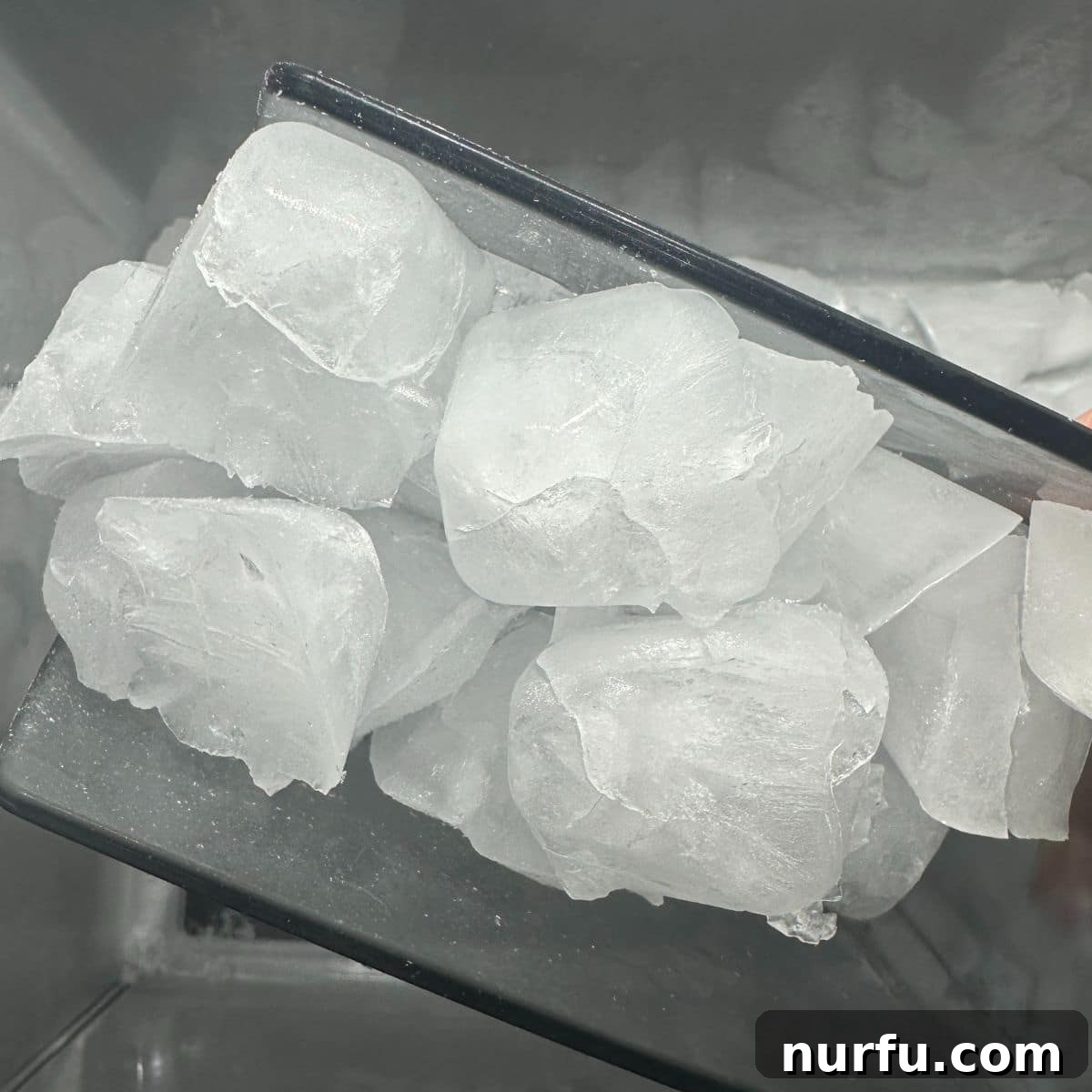
How Long Does It Take for Water to Freeze? Your Ultimate Guide to Making Ice Faster
Ever found yourself in a bind, craving a frosty drink or needing to chill beverages for a party, only to realize your ice supply is depleted? The question of “how long does it take for water to freeze” often pops up in moments of urgent need. Whether you’re filling ice cube trays, freezing water bottles for a cooler, or simply curious about the science behind it, understanding the factors that influence freezing time can be incredibly useful. In this comprehensive guide, we’ll dive into the specifics, offering practical tips and demystifying the process of turning liquid water into solid ice.
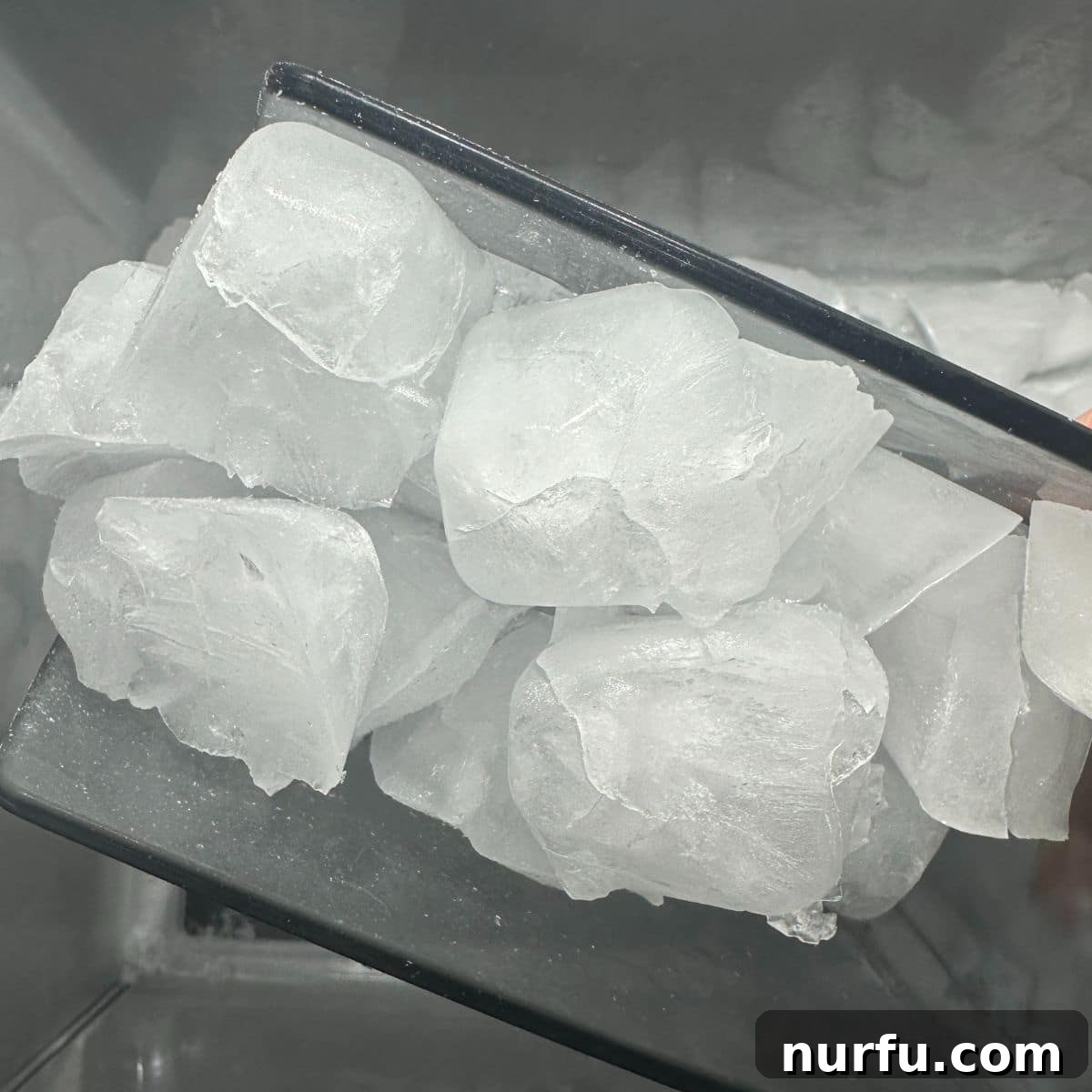
Table of Contents
- How Long Does It Take for Water to Freeze in Standard Ice Cube Trays?
- Can You Freeze Water Faster? Understanding Key Factors
- Initial Water Temperature: The Mpemba Effect
- Container Type and Size: Material Matters
- Freezer Efficiency and Placement
- How Long Does It Take Water to Freeze in an Ice Maker?
- How Long Does It Take a Bottle of Water to Freeze?
- The Science Behind Freezing Water
- Advanced Tips for Freezing Water Quickly
- Conclusion: Master the Art of Ice Making
How Long Does It Take for Water to Freeze in Standard Ice Cube Trays?
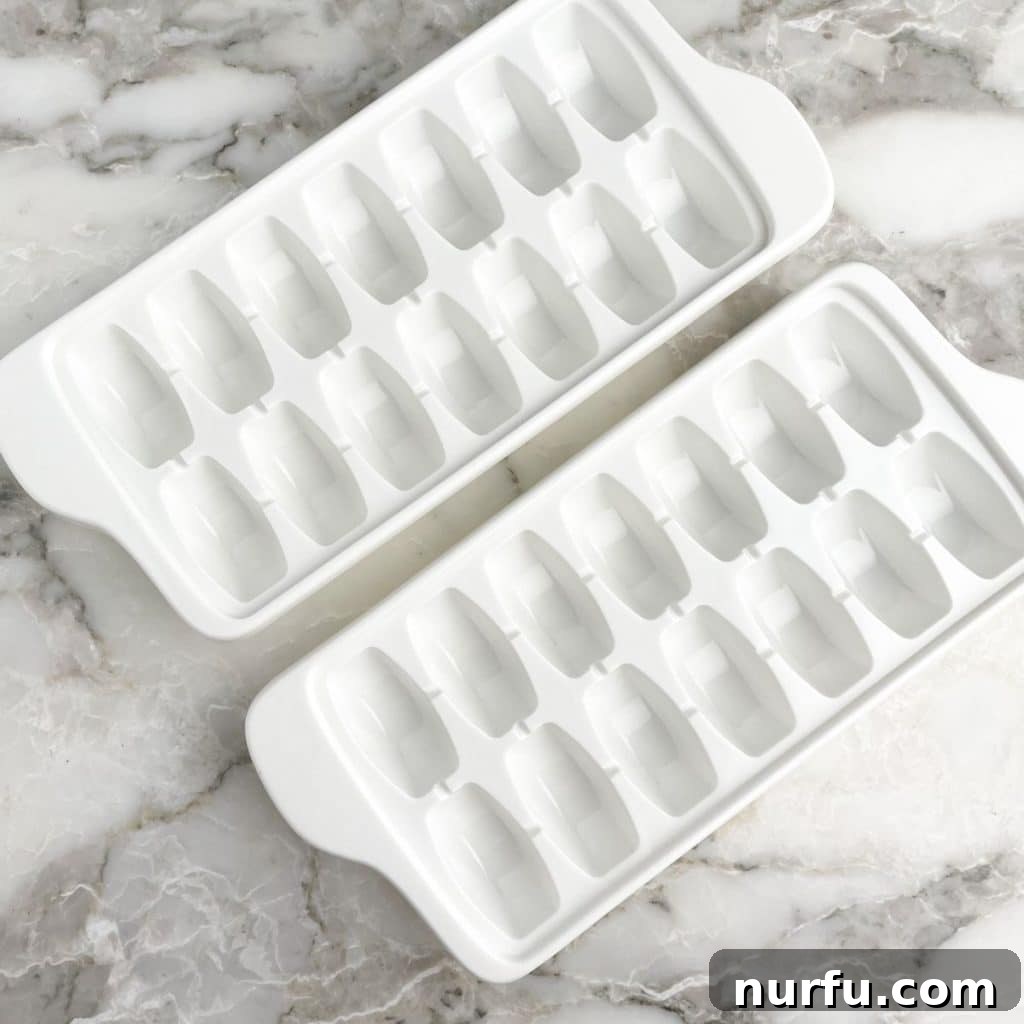
For most home freezers operating at the standard temperature of 0 degrees Fahrenheit (-18 degrees Celsius), you can expect water in a typical plastic ice cube tray to freeze solid within **3 to 4 hours**. This estimate applies to trays filled with room temperature water. It’s crucial to maintain a consistently closed freezer door during this period to prevent temperature fluctuations, which can significantly extend freezing times or result in partially frozen, slushy cubes.
The freezing point of water is universally known to be 32 degrees Fahrenheit (0 degrees Celsius). However, the actual time it takes for water to reach and sustain this temperature, then completely crystallize into ice, involves a complex process of heat transfer. The water must shed its latent heat of fusion – the energy required to change its state from liquid to solid – which takes a considerable amount of time, even once it reaches 0°C.
Factors like the initial temperature of the water, the material and design of your ice tray, and the internal environment of your freezer all play a role. Understanding these variables can help you optimize your ice production, especially when you need a quick batch.
Can You Freeze Water Faster? Understanding Key Factors
While 3-4 hours is the average, several factors can influence the speed at which water freezes. By manipulating these elements, you can potentially accelerate the ice-making process. Let’s explore the most significant variables:
Initial Water Temperature: The Mpemba Effect
Counter-intuitively, using extremely hot water can sometimes lead to faster freezing than cold water, a phenomenon known as the Mpemba effect. While the exact scientific reasons are still debated, theories include:
- Evaporation: Hot water evaporates more quickly, reducing the volume of water to be frozen.
- Convection: Hot water has more vigorous convection currents, which initially allow it to cool faster.
- Dissolved Gases: Hot water contains fewer dissolved gases, which can act as impurities and nucleation sites, potentially slowing freezing.
- Supercooling: Hot water might be less prone to supercooling, leading to faster crystallization once the freezing point is reached.
That said, using very cold water from the tap or filtered water that has been refrigerated is generally a more reliable and straightforward way to speed up the process compared to hot water. It simply has less heat energy to lose before reaching freezing temperatures.
Container Type and Size: Material Matters
The choice of container significantly impacts freezing time:
- Material: Metal ice cube trays (especially aluminum or stainless steel) are excellent thermal conductors, meaning they transfer heat away from the water much faster than plastic or silicone trays. This can shave precious time off the freezing process.
- Size and Shape: Smaller ice cubes have a larger surface area-to-volume ratio, allowing them to freeze quicker. Some specialized ice trays designed for crushed ice or mini cubes can produce ice in as little as 1-2 hours. Conversely, larger cocktail ice molds (for spheres or oversized cubes) will take longer, often 4 hours or more, due to the greater volume of water.
- Depth: Shallow ice trays expose more water surface to the cold air, facilitating faster freezing. Deeper trays, or those with thicker individual cube walls, will naturally require more time.
Freezer Efficiency and Placement
The state and settings of your freezer are paramount:
- Temperature Setting: A standard freezer is typically set to 0 degrees Fahrenheit (-18 degrees Celsius). Lowering the temperature, even by a few degrees (e.g., to -5°F or -20°C), can accelerate freezing. However, be mindful of energy consumption.
- Airflow: Good air circulation around your ice trays is critical. Avoid overcrowding the freezer, which can block cold air from reaching the water efficiently. Place trays where there’s ample space for air to move.
- Placement: The back of the freezer is generally the coldest spot. Placing ice trays there, rather than near the door, can help them freeze faster.
- Defrosting: A freezer with excessive frost buildup is less efficient. Regular defrosting ensures optimal performance and faster freezing times.
How Long Does It Take Water to Freeze in an Ice Maker?
Dedicated ice makers, whether built into your refrigerator or as freestanding countertop units, are designed for speed and efficiency. These machines often boast significantly faster freezing times compared to traditional ice cube trays in a standard freezer.
- Countertop Ice Makers: These popular appliances can typically produce a batch of ice in as little as 15-30 minutes, with a full basket often ready within 1 to 2 hours. Their dedicated cooling systems and optimized water flow allow for rapid heat extraction. Many countertop models also excel at producing “nugget” or “chewable” ice, and some can even create perfectly clear ice by freezing water in layers from the outside in, minimizing air bubbles.
- Built-in Refrigerator Ice Makers: While slightly slower than dedicated countertop units, built-in ice makers are still much faster than trays. They usually take around 90 minutes to 3 hours to produce a fresh batch of cubes, depending on the refrigerator’s overall temperature and the demand for ice.
The consistent water supply, efficient cooling coils, and often smaller cube sizes contribute to their superior speed, making them an excellent investment for those who frequently need ice.
How Long Does It Take a Bottle of Water to Freeze?
Freezing a bottle of water is a convenient alternative to ice cubes, especially for keeping coolers cold or ensuring you have chilled water throughout the day. The time it takes depends largely on the bottle’s size and material:
- Standard 16-ounce (500ml) Plastic Bottle: In a freezer set to 0 degrees Fahrenheit (-18 degrees Celsius), a full 16-ounce plastic water bottle will typically take about 1.5 to 2 hours (90-120 minutes) to freeze solid.
- Smaller 8-ounce (250ml) Plastic Bottle: A smaller bottle will freeze faster, usually within 45 minutes to 1 hour.
- Larger Bottles (e.g., 1-liter or 2-liter): These will take considerably longer, potentially 3 to 6 hours or more, due to the larger volume of water and thicker plastic, which can act as an insulator.
- Glass Bottles: Freezing water in glass bottles is generally not recommended as the expansion of water upon freezing can cause the glass to crack or shatter, creating a hazardous mess.
- Metal Bottles: Stainless steel or aluminum water bottles can freeze water more quickly than plastic due to their excellent thermal conductivity, similar to metal ice trays. However, ensure the bottle is not completely full to allow for water expansion.
To speed up the process, you can start with pre-chilled water and place the bottle in the coldest part of your freezer. Remember to leave a small amount of headspace in the bottle to prevent bursting as the water expands.
The Science Behind Freezing Water
Understanding the physics of freezing helps clarify why it takes a certain amount of time. Freezing is a phase transition where liquid water changes into solid ice. This process isn’t instantaneous once water reaches 0°C (32°F) for several reasons:
- Heat Transfer: For water to freeze, it must lose its thermal energy (heat) to the colder environment of the freezer. The efficiency of this heat transfer depends on the temperature difference between the water and the freezer, and the conductivity of the container.
- Latent Heat of Fusion: Even after water cools to 0°C, it remains liquid until it releases a significant amount of energy known as the latent heat of fusion. This is the energy required to change its molecular structure from a disordered liquid to an ordered crystalline solid. Water releases approximately 334 Joules of energy per gram to freeze. This energy must be absorbed by the freezer’s cooling system, which takes time.
- Crystallization and Nucleation: Ice crystals begin to form around tiny impurities or imperfections in the water (nucleation sites). These crystals then grow, gradually transforming the entire volume of water into ice. The purity of the water can influence this process; distilled water, with fewer impurities, sometimes needs to supercool below 0°C before freezing can begin, potentially taking longer to initiate the process but freezing quickly once it starts.
Essentially, your freezer isn’t just cooling the water; it’s actively working to remove the heat energy stored within it, first to reach freezing point, and then to solidify completely.
Advanced Tips for Freezing Water Quickly
Beyond the basics, here are some strategic approaches to produce ice cubes faster:
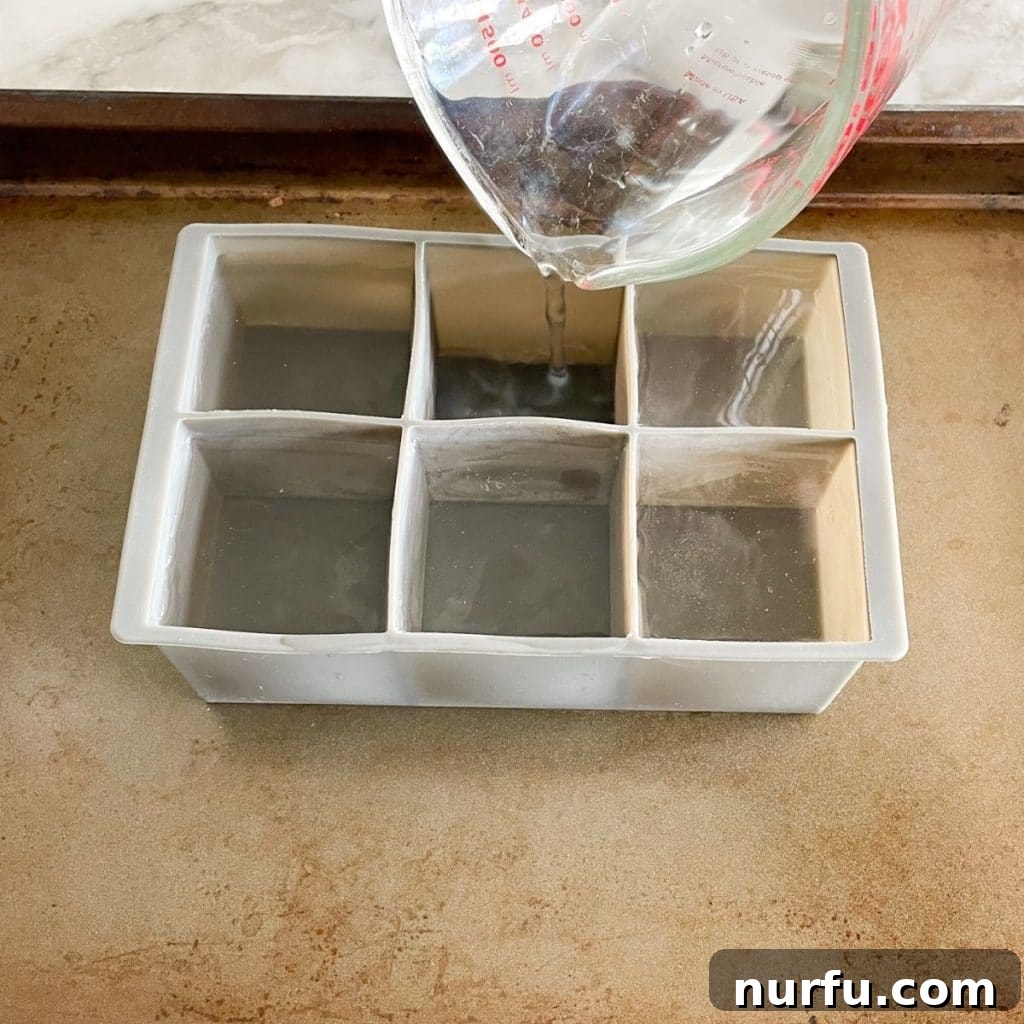
- Utilize Metal Trays and Surfaces: As mentioned, metal is a superior conductor. Using metal ice cube trays, or placing plastic/silicone trays directly on a metal baking sheet or cookie sheet in the freezer, significantly boosts heat transfer. The cold metal surface acts as a heat sink, drawing energy away from the water more efficiently.
- Start with Cold or Hot Water: While cold water requires less energy removal, don’t discount the Mpemba effect with hot water if you have the time for a potentially faster, albeit less predictable, outcome. For consistent speed, pre-chill your water in the refrigerator before filling trays.
- Reduce Water Volume: Filling ice cube compartments slightly less full or using trays that produce smaller cubes will result in quicker freezing. Less water means less heat to remove.
- Use Distilled or Bottled Water: Tap water contains dissolved minerals and gases that can slightly lower its freezing point and interfere with efficient crystallization. Distilled or filtered water, being purer, can sometimes freeze more predictably and potentially faster once nucleation begins.
- Optimize Freezer Temperature and Airflow: Ensure your freezer is set to its coldest safe temperature (typically 0°F / -18°C) and that there’s adequate space around the ice trays for cold air to circulate. Remove any items that block vents or create dense pockets.
- Pre-chill Your Trays: Place empty ice cube trays in the freezer for 10-15 minutes before filling them with water. This gives the tray itself a head start on cooling, so the water encounters an already frigid surface.
- Avoid Frequent Door Opening: Every time you open the freezer door, warm air rushes in, causing the internal temperature to rise. This forces your freezer to work harder to return to its optimal temperature, prolonging the freezing process for everything inside, including your ice.
By implementing these tips, you can reduce the waiting time for your ice and ensure you’re always prepared for that perfect frosty beverage.
How to Freeze Water: A Simple Guide
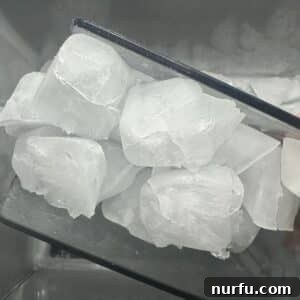
Learn the basic steps to freeze water effectively in an ice cube tray, ensuring you have plenty of ice for your drinks.
By: Heather Seeley
Prep time: 5 mins
Freeze time: 3 hrs
Total time: 3 hrs 5 mins
Servings: 2 (standard ice trays)
Equipment
- 1 ice cube tray (or more, as needed)
Ingredients
- 1 cup water (per standard ice cube tray)
Instructions
- Pour water into your ice cube tray or trays. Ensure not to overfill, leaving a small gap at the top to allow for expansion. Carefully place the filled trays in your freezer, ideally on a flat, stable surface.
- Freeze for approximately 3 hours. After this time, gently check if the ice cubes are frozen all the way through. If they still feel soft or slushy, allow them to freeze for an additional hour or until completely solid.
Nutrition
Nutrition information is automatically calculated, so should only be used as an approximation.
Additional Info
Course: Drinks
Cuisine: American
Conclusion: Master the Art of Ice Making
From a refreshing glass of water to a celebratory cocktail, ice is an indispensable component of countless drinks and cooling solutions. While the average time to freeze water in a standard ice cube tray is around 3 to 4 hours, numerous factors can influence this timeline. The initial temperature of the water, the material and size of your container, and the efficiency and settings of your freezer all play critical roles.
By understanding the science behind freezing and implementing practical tips like using metal trays, optimizing freezer airflow, or even experimenting with the Mpemba effect, you can significantly accelerate your ice production. Dedicated ice makers offer the fastest solutions for high demand, while knowing how long it takes to freeze a water bottle can be a lifesaver for outdoor activities.
No longer will you be caught off guard by an empty ice bucket. With this knowledge, you can efficiently manage your ice supply, ensuring you’re always prepared for any chilling need. So go ahead, fill those trays, adjust those settings, and enjoy perfectly frozen ice, precisely when you need it!