


Unlock Perfect Crispiness: Your Guide to the Best Oils for Air Fryers
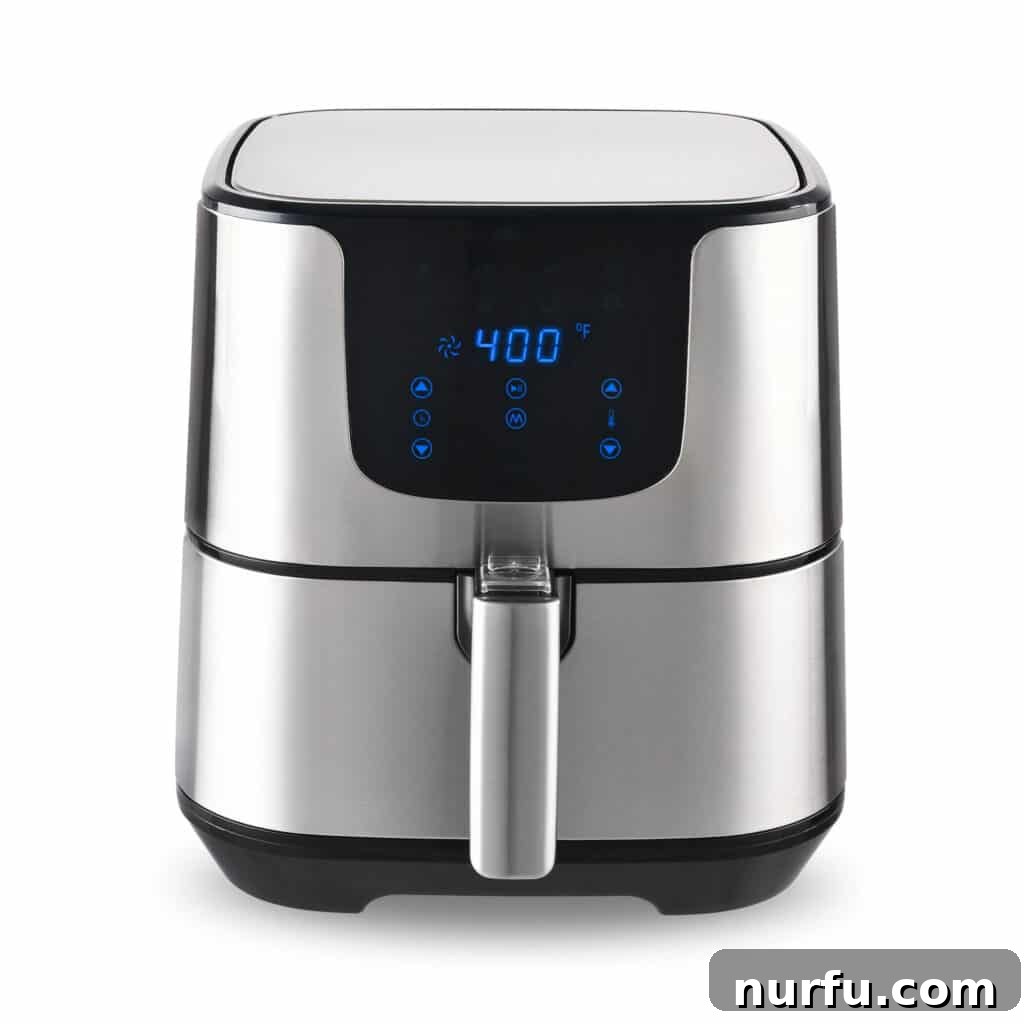
Air fryers have revolutionized home cooking, offering a healthier alternative to deep frying by circulating hot air to achieve that irresistible crispy texture with significantly less oil. These kitchen marvels allow you to enjoy your favorite “fried” foods, from crispy chicken wings to golden french fries, without soaking them in excessive grease. However, while the air fryer itself uses minimal oil, the choice of oil you do use can make a dramatic difference in the outcome – influencing not just the crispiness, but also the flavor, overall healthfulness, and even the safety of your cooking process. Choosing the right oil is paramount for achieving perfectly cooked, flavorful, and wonderfully crispy results every time you use your air fryer.
Many people mistakenly believe that air frying requires no oil at all. While it’s true that air fryers use far less oil than traditional deep frying, a light coating of the right oil is often the secret ingredient for that coveted golden-brown finish and superior crispness. Oil helps to conduct heat, prevent sticking, and enhance the food’s natural flavors, transforming good air-fried dishes into truly exceptional ones. But with so many options available, how do you pick the best oil for your air fryer? This comprehensive guide will help you navigate the world of cooking oils, highlighting the best choices for your air frying adventures and explaining why some oils are better avoided.
Discover the Best Oils to Use in an Air Fryer for Optimal Results
Selecting the ideal oil for your air fryer primarily comes down to two crucial factors: its smoke point and its flavor profile. The smoke point is the temperature at which an oil begins to burn and smoke, producing harmful compounds and imparting an unpleasant taste to your food. Since air fryers operate at high temperatures, often between 350°F and 400°F (175°C to 205°C), choosing an oil with a high smoke point is essential for safe and delicious cooking. A neutral flavor profile is often preferred to let the food’s natural taste shine through, but sometimes a specific oil can enhance the dish in delightful ways. Here are some of the top recommendations:
Avocado Oil: The High-Heat Champion
Avocado oil stands out as an excellent choice for air frying, boasting one of the highest smoke points among cooking oils, often exceeding 500°F (260°C). This makes it incredibly stable at the high temperatures typically used in air fryers, preventing it from smoking or breaking down. Its flavor is wonderfully neutral, allowing the natural tastes of your food to take center stage without any overpowering notes. While some delicate palates might detect a very subtle, mild avocado essence, it generally complements a wide range of dishes. Beyond its heat stability, avocado oil is celebrated for its health benefits, rich in monounsaturated fats and antioxidants, making it a wholesome addition to your air-fried meals. It’s perfect for achieving that desirable crispy texture on vegetables, meats, and anything requiring intense heat without flavor interference.
Olive Oil: A Versatile Kitchen Staple
Olive oil is a household favorite for good reason, and it can certainly be used in an air fryer, but with a slight caveat regarding its type. For general air frying where higher temperatures are involved (around 375°F-400°F or 190°C-205°C), light or refined olive oil is the preferred choice. These varieties have a higher smoke point, typically around 470°F (243°C), making them more suitable for the consistent high heat of an air fryer compared to extra virgin olive oil. Light olive oil also offers a more neutral flavor profile. Extra virgin olive oil (EVOO), with its lower smoke point (around 375°F or 190°C) and distinct fruity, peppery, and sometimes bitter notes, is best reserved for lower temperature air frying or used as a finishing oil after cooking to preserve its complex flavors and beneficial compounds. Using EVOO at very high temperatures can cause it to smoke and lose its desirable characteristics. For everyday air frying, opt for light olive oil to get delicious, crispy results without the risk of burning or a strong flavor clash.
Peanut Oil: For a Classic Deep-Fried Touch
Peanut oil is another fantastic contender for air frying, especially if you’re aiming to replicate the beloved flavors of classic deep-fried dishes in a healthier format. It boasts a high smoke point, usually around 450°F (232°C), which makes it very stable under the intense heat of an air fryer. What truly sets peanut oil apart is its unique flavor profile – a subtle sweetness and a distinct nutty essence that can beautifully enhance many foods, particularly Asian-inspired dishes, chicken, and spring rolls. It’s often the oil of choice for commercial deep frying, so using it in your air fryer can evoke that familiar, satisfying taste without the added grease. However, a crucial warning: DO NOT use peanut oil if you or anyone consuming the food has a peanut allergy. For those without allergies, it’s a superb option readily available in most pantries, offering a delicious alternative to neutral oils.
Grapeseed Oil: The Flavor-Neutral Workhorse
If you prioritize an oil that won’t interfere with your food’s original taste, grapeseed oil is an excellent selection for air frying. Renowned for its incredibly neutral flavor, it allows the inherent deliciousness of your ingredients to shine through without imparting any additional notes. This makes it exceptionally versatile for a wide array of recipes, from vegetables to seafood. Furthermore, grapeseed oil has a relatively high smoke point, typically around 420°F (215°C), ensuring it can withstand the high temperatures of air frying without smoking or degrading. Its light texture also contributes to a delicate crispness. It’s a great choice when you simply want to achieve a golden, crispy exterior and an extra boost of flavor and texture without altering the core profile of your dish.
Canola Oil: Economical and Mild
Canola oil is a widely accessible and economical option that performs admirably in an air fryer. It offers a moderate-high smoke point of around 400°F (204°C), making it suitable for most air frying applications. Its flavor is very mild and generally neutral, with just a hint of nutty sweetness that is barely perceptible in most dishes. This subtlety ensures that it won’t overpower the taste of your food. While it might be slightly “fattier” in perception than some other oils, canola oil is a good source of omega-3 fatty acids and monounsaturated fats, contributing to a balanced diet. It’s a reliable, everyday choice for achieving consistent crispiness without significant flavor alteration, making it a go-to for many home cooks.
Vegetable Oil: The All-Purpose Standard
Vegetable oil, often a blend of various plant-based oils like soybean, corn, and sunflower oils, is one of the most commonly used oils in kitchens across America. Its popularity stems from its affordability, widespread availability, and versatility. For air frying, vegetable oil is a dependable choice. It typically has a smoke point ranging from 400°F to 450°F (204°C to 232°C), depending on the specific blend, which is well within the safe range for most air fryer settings. Its primary advantage is its almost entirely neutral flavor profile. This means your food will achieve that desirable crispy texture without any unexpected or competing tastes, allowing the true flavors of your ingredients and seasonings to come through beautifully. When you need a straightforward, reliable oil for general air frying, vegetable oil is an excellent and practical option.
What Oils Should You Use with Caution or Avoid While Using an Air Fryer?
While many oils are suitable for air frying, some are best avoided or used with careful consideration due to their low smoke points or intensely strong flavors that might not complement every dish. Understanding these characteristics can help you prevent unpleasant smoke, burnt food, and undesirable tastes.
Coconut Oil: Flavorful but Prone to Burning
Coconut oil has gained significant popularity for its distinct tropical flavor and perceived health benefits. However, when it comes to air frying, it warrants caution. Unrefined (virgin) coconut oil has a relatively low smoke point, typically around 350°F (177°C). Many air fryer recipes call for temperatures well above this, meaning virgin coconut oil can easily start to smoke and burn, imparting a bitter, burnt taste to your food and potentially releasing undesirable compounds. Refined coconut oil has a higher smoke point, closer to 400°F (204°C), making it a slightly safer option for higher temperatures. Regardless, both types will impart a noticeable coconut flavor to your food. If you love coconut and are cooking at a lower temperature (below 350°F for virgin, or below 400°F for refined) and specifically desire that flavor, it can be an interesting choice. Otherwise, it’s generally best to avoid coconut oil for most air frying applications to prevent burning and unwanted flavors.
Corn Oil: High Smoke Point, Potent Flavor
Corn oil is another widely available and inexpensive oil with a high smoke point, usually around 450°F (232°C), which technically makes it suitable for high-heat cooking. However, it’s often included in the “avoid” list for air frying due to its relatively strong and distinct flavor. While some might find its mild, slightly sweet, and buttery taste acceptable or even enjoyable, it can be quite assertive and may not pair well with all types of food. If your goal is to let the natural flavors of your ingredients shine, corn oil might overpower them. It’s more commonly used in baking or for general frying where its flavor is either desired or masked by other ingredients. If you specifically want to give your air-fried food an “extra” flavor boost that aligns with corn oil’s profile, and you don’t mind its robust taste, you can certainly use it. Otherwise, opting for a more neutral oil is generally recommended to maintain culinary versatility.
Sesame Oil: Aromatic but Intense
Sesame oil, particularly the toasted variety, is a beloved ingredient in many Asian cuisines for its incredibly rich, nutty, and aromatic flavor. While it has a decent smoke point (refined sesame oil around 410°F or 210°C, toasted around 350°F or 177°C), its intensely strong flavor is the primary reason it’s often advised against for general air frying. A little sesame oil goes a very long way, and using it as the primary oil for coating food in an air fryer can easily overwhelm the dish, making the flavor too strong or even unpleasant. Cold-pressed (untoasted) sesame oil has a milder flavor and a slightly higher smoke point than toasted sesame oil, but it still carries a distinct sesame essence. It’s best reserved for finishing dishes, adding a few drops at the end of cooking, or for specific recipes where that strong sesame flavor is a key component. For most air-fried foods, using sesame oil as your main cooking oil can lead to an unbalanced and overpowering taste experience.
Essential Air Fryer Tips and Tricks for Perfectly Crispy Food
Beyond choosing the right oil, a few key techniques can elevate your air frying game, ensuring your food is consistently crispy, evenly cooked, and delicious. Mastering these tips will help you get the most out of your air fryer and your chosen cooking oil.
Always Grease Your Air Fryer Basket
Even if your air fryer boasts a non-stick coating or your recipe doesn’t explicitly call for oil on the food itself, it’s always a good practice to lightly grease the air fryer basket or rack. This simple step acts as an extra layer of protection, ensuring that your food won’t stick, especially items with a delicate coating or high sugar content. You can achieve this by lightly brushing a high smoke point oil onto the basket, using a non-aerosol oil sprayer for an even coating, or even rubbing a small knob of butter for an added rich flavor. Greasing also contributes to the overall crispiness and helps achieve that beautiful golden-brown exterior. Avoid aerosol cooking sprays, as they can sometimes damage the non-stick coating of your air fryer basket over time.
Less is More: The Right Amount of Oil
One of the primary benefits of an air fryer is its ability to deliver crispy results with minimal oil. Unlike deep frying, where food is submerged, air frying requires just a small amount to achieve perfection. A little oil truly goes a long way. For most items, 1-2 teaspoons of oil are sufficient to coat ingredients evenly. For breaded items, which tend to absorb more, 1-2 tablespoons might be needed to achieve a rich, golden crust. The goal is to lightly coat the food, not to soak it. Over-oiling can lead to greasy, soggy results and might even cause smoke in your air fryer. Tossing ingredients in a bowl with oil before placing them in the basket is often the most effective way to ensure even coverage without excess.
Understand Smoke Points for Optimal Flavor and Safety
The smoke point, or flashpoint, of an oil is the temperature at which it starts to break down, smoke, and produce unpleasant flavors and potentially harmful compounds. This is a critical factor for air frying, as these appliances reach high temperatures quickly. Always check the smoke point of your chosen oil and match it to your air fryer’s temperature settings. Because the heating coils in an air fryer are often in close proximity to the food, oil can start to smoke earlier than you might expect compared to an oven or stovetop. Using oils with high smoke points, such as avocado oil (approx. 520°F/270°C) or peanut oil (approx. 450°F/232°C), significantly reduces the risk of smoking, ensuring your food tastes great and your cooking environment remains safe and smoke-free. Keep a kitchen thermometer handy if you’re experimenting with different oils and temperatures.
Don’t Overcrowd the Basket
For truly crispy air-fried food, adequate air circulation is key. Overcrowding the air fryer basket prevents the hot air from reaching all surfaces of your food, leading to uneven cooking, steaming instead of crisping, and soggy results. Cook in batches if necessary, ensuring there’s enough space around each piece of food. This allows the air to circulate freely, promoting uniform cooking and that perfect crunch. While it might take a little longer to cook in batches, the superior texture and crispiness are well worth the extra effort.
Preheat Your Air Fryer
Just like a conventional oven, preheating your air fryer is crucial for optimal results. A preheated air fryer ensures that food starts cooking immediately at the correct temperature, leading to a crispier exterior and more even cooking. Most air fryers only take 3-5 minutes to preheat. Skipping this step can result in food that cooks slower, less evenly, and lacks that desired crispiness.
Shake and Flip for Even Cooking
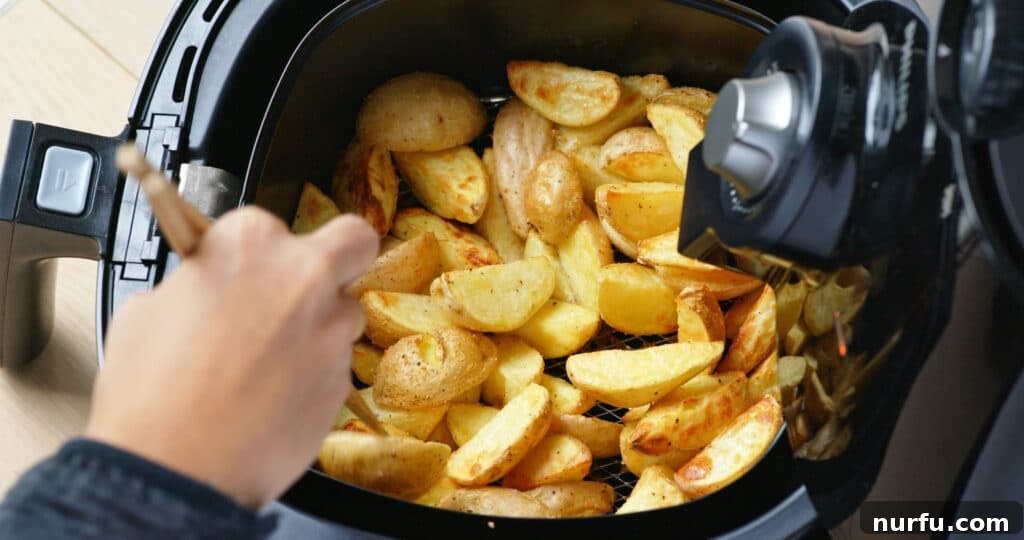
To ensure all sides of your food get exposure to the hot circulating air and achieve maximum crispiness, it’s important to shake the basket or flip your food halfway through the cooking process. This redistributes the items, preventing one side from becoming overly crisp while another remains soft. For smaller items like fries or tater tots, a good shake of the basket is enough. For larger items like chicken pieces or fish fillets, use tongs to carefully flip them.
Use an Oil Sprayer for Even Coating
An oil sprayer or mister is an invaluable tool for air frying. It allows you to apply a fine, even layer of oil to your food with just a few spritzes, ensuring thorough coverage without using excessive amounts. This method is far more efficient and effective than pouring or brushing oil, helping you achieve consistent crispiness and prevent food from becoming greasy. Choose a non-aerosol sprayer that you can fill with your preferred high smoke point oil, ensuring you avoid propellants found in commercial aerosol cans that can damage your air fryer’s non-stick coating.
Easy Air Fryer Recipes to Try with Your Chosen Oil
Now that you’re equipped with the knowledge of the best oils and essential tips, it’s time to put your air fryer to good use! Experiment with these delicious and simple recipes:
- Air Fryer Spaghetti Squash
- Air Fryer Meatloaf
- Air Fryer Chicken Breast