
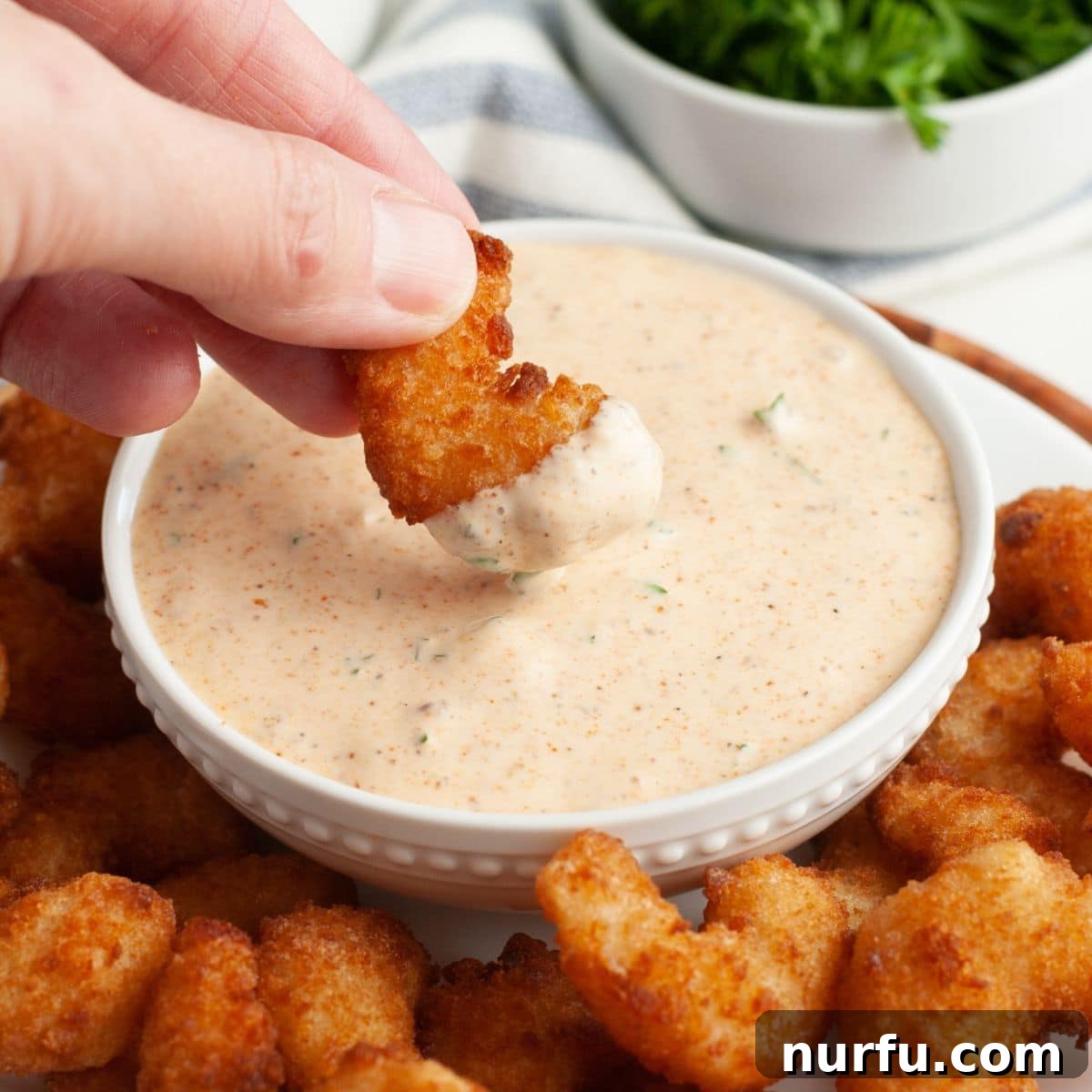
Welcome to the ultimate guide for crafting the most authentic and delectable **homemade Remoulade Sauce**. Tangy, creamy, and with just the right amount of spicy kick, this easy-to-make recipe promises to elevate an array of dishes, from succulent seafood to hearty sandwiches and beyond. Forget store-bought condiments; a freshly prepared **Louisiana-style Remoulade** offers unparalleled depth of flavor, adding a gourmet touch that your taste buds will thank you for. Similar in versatility to tartar sauce, but distinct in its vibrant, spiced profile, this sauce is a true culinary staple.
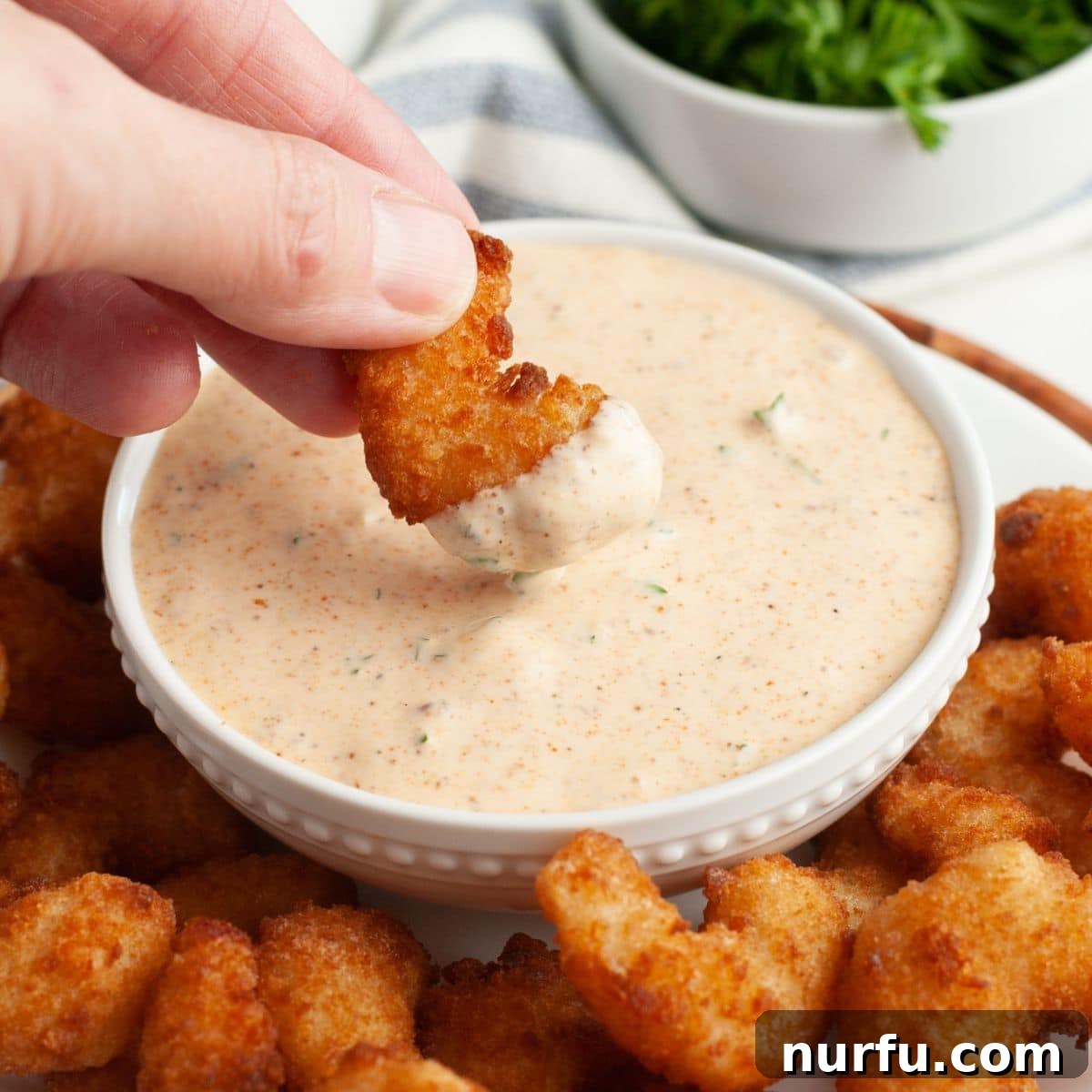
Table of Contents
- What is Remoulade Sauce?
- The Rich History of Remoulade
- Why Make Your Own Remoulade?
- Essential Ingredients for Authentic Remoulade
- Step-by-Step Guide to Making Louisiana-Style Remoulade
- Serving Suggestions: Unleash the Flavor
- Tips for the Perfect Remoulade
- Storage and Shelf Life
- Variations to Explore
- Other Homemade Sauce Recipes You’ll Love
- Homemade Remoulade Sauce Recipe Card
Whether you’re looking for the perfect dip to accompany crispy fried shrimp, a tantalizing spread for a robust sandwich, or a flavorful dressing to elevate a salad, **Remoulade sauce** is your answer. Its complex blend of savory, piquant, and creamy notes makes it incredibly versatile and utterly addictive. This sauce isn’t just a condiment; it’s an experience.
If you’re a connoisseur of bold, spicy flavors, you might also enjoy exploring other vibrant sauces like this copycat Mardi Gras mustard sauce, but for now, let’s dive into the world of **Remoulade**.
What is Remoulade Sauce?
**Remoulade sauce** is a classic cold sauce that originated in France, traditionally a mayonnaise-based condiment enhanced with a variety of herbs, capers, gherkins, and sometimes anchovy paste. It’s renowned for its rich, creamy texture and a delicately balanced, tangy flavor profile. However, its journey across the Atlantic led to a significant transformation, particularly in the vibrant culinary landscape of Louisiana.
In Louisiana, **Remoulade** took on a life of its own, evolving into the bolder, spicier, and more complex condiment we often associate with Cajun and Creole cuisine. This regional adaptation typically incorporates a robust blend of ingredients, including Creole mustard, horseradish, hot sauce, and a medley of aromatic spices like paprika and various Creole or Cajun seasonings. The result is a sauce that retains its creamy base but delivers an undeniable “kick,” making it the perfect accompaniment to the region’s rich seafood traditions and fried delicacies. This distinct **Louisiana-style Remoulade** is what we’re celebrating and recreating today.
The Rich History of Remoulade
To truly appreciate **Remoulade sauce**, it’s worth understanding its origins. The name “Rémoulade” itself is French, derived from “rémola,” a type of black radish, suggesting that radishes might have been a key ingredient in earlier versions of the sauce. The original French **Remoulade** is a sophisticated emulsion, often served with meats, fish, or celery root salad (céleri rémoulade).
When French culinary traditions migrated to Louisiana, they blended with African, Spanish, and Native American influences, giving birth to Creole and Cajun cuisines. This fusion brought about the birth of **Louisiana Remoulade**, a sauce that maintains its French elegance while embracing the bold, spicy character of Southern cooking. It reflects the inventive spirit of Creole cooks who adapted European recipes with local ingredients and robust flavors. Today, **Cajun Remoulade** is a testament to this rich cultural exchange, offering a sauce that is both familiar in its creamy base and exciting in its spicy, aromatic notes.
Why Make Your Own Remoulade?
While many excellent store-bought **Remoulade sauces** are available, crafting your own offers several undeniable advantages:
- **Superior Freshness and Flavor:** Homemade sauces always taste brighter and more vibrant. You control the quality of each ingredient, ensuring the freshest herbs and spices contribute to an unparalleled taste.
- **Customization to Your Palate:** Love a little extra heat? Prefer more tang? Making it yourself allows you to adjust every component to suit your personal preferences. You can dial up the horseradish, add more hot sauce, or experiment with different mustards.
- **No Unwanted Preservatives or Additives:** Store-bought condiments often contain artificial preservatives, colors, or high-fructose corn syrup. When you make **homemade Remoulade**, you know exactly what goes into it, ensuring a cleaner, healthier option.
- **Impress Your Guests:** There’s a certain satisfaction in serving a dish accompanied by a sauce you made from scratch. It adds a personal, gourmet touch that is sure to impress family and friends.
- **Cost-Effective:** Often, making sauces at home can be more economical than repeatedly purchasing gourmet versions from the grocery store.
Embracing the **homemade Remoulade sauce recipe** is not just about making a condiment; it’s about embracing a culinary craft that enhances your cooking and brings joy to your table.
Essential Ingredients for Authentic Remoulade
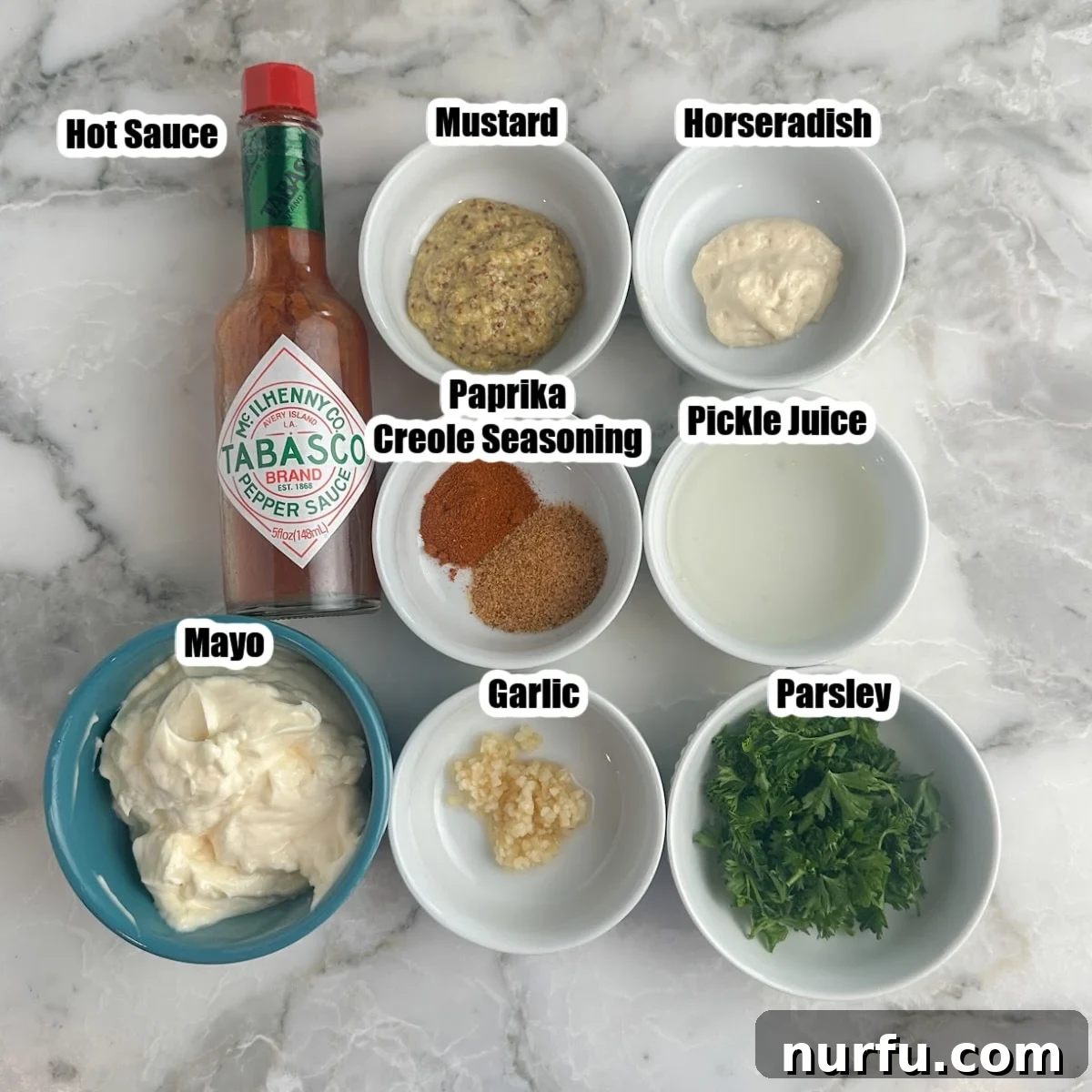
The magic of **Louisiana-style Remoulade** lies in its carefully selected combination of ingredients. Each component plays a crucial role in building the sauce’s signature creamy, tangy, and spicy profile. Here’s a detailed look at what you’ll need:
- Mustard: A key ingredient, particularly Creole mustard. This type of mustard offers a sharp, tangy, and slightly spicy flavor that is quintessential to authentic **Cajun Remoulade**. If Creole mustard isn’t available, a good quality whole grain mustard or a robust brown mustard can be substituted to provide a similar depth and texture.
- Mayonnaise: The creamy foundation of any **Remoulade sauce**. Use a full-fat, good-quality mayonnaise for the best texture and richness. It acts as the emulsifier, binding all the flavors together into a smooth, luscious condiment.
- Prepared Horseradish: This ingredient is essential for adding a distinctive pungency and a noticeable “heat” that clears the sinuses. Don’t confuse it with horseradish sauce, which often contains cream. You want pure, prepared horseradish for that sharp, spicy kick.
- Pickle Juice: A splash of pickle juice introduces a wonderful tanginess that brightens the sauce and balances the richness of the mayonnaise. Whether you opt for dill pickle juice for a savory note or sweet pickle juice for a subtle hint of sweetness, it adds a layer of complexity.
- Hot Sauce: To amplify the spicy character of **Louisiana Remoulade**, hot sauce is a must. Depending on your heat preference, you can choose a milder cayenne-based sauce or a fiery habanero blend. Start with a small amount and adjust to your taste to achieve your desired level of spice.
- Garlic: Freshly minced garlic provides an aromatic depth and savory intensity. Fresh is always best here; its pungent notes are indispensable for a truly flavorful sauce.
- Paprika: This spice contributes both color and a smoky or sweet undertone, depending on the type you choose. Smoked paprika will give your **Remoulade** a deeper, more rustic flavor, while sweet paprika offers a milder, slightly sweet warmth.
- Creole Seasoning: This is where the **Cajun** or **Creole** magic truly happens. A good quality Creole or Cajun seasoning blend typically contains a mix of salt, pepper, garlic powder, onion powder, cayenne pepper, and other herbs. It infuses the sauce with the distinctive, bold flavors of Louisiana. You can usually find these blends in the spice aisle of most grocery stores.
- Fresh Parsley: Beyond adding a vibrant pop of color, fresh chopped parsley provides a fresh, herbaceous note that brightens the overall flavor profile of the **Remoulade**. It’s the perfect finishing touch.
Step-by-Step Guide to Making Louisiana-Style Remoulade
Creating this flavorful **Louisiana-style Remoulade sauce** is incredibly straightforward, requiring minimal effort for maximum reward. The key is simply combining the ingredients and allowing the flavors to meld beautifully. For a comprehensive visual guide, you can refer to the full recipe video often found at the bottom of recipe cards.
Step One: Gather and Combine Ingredients
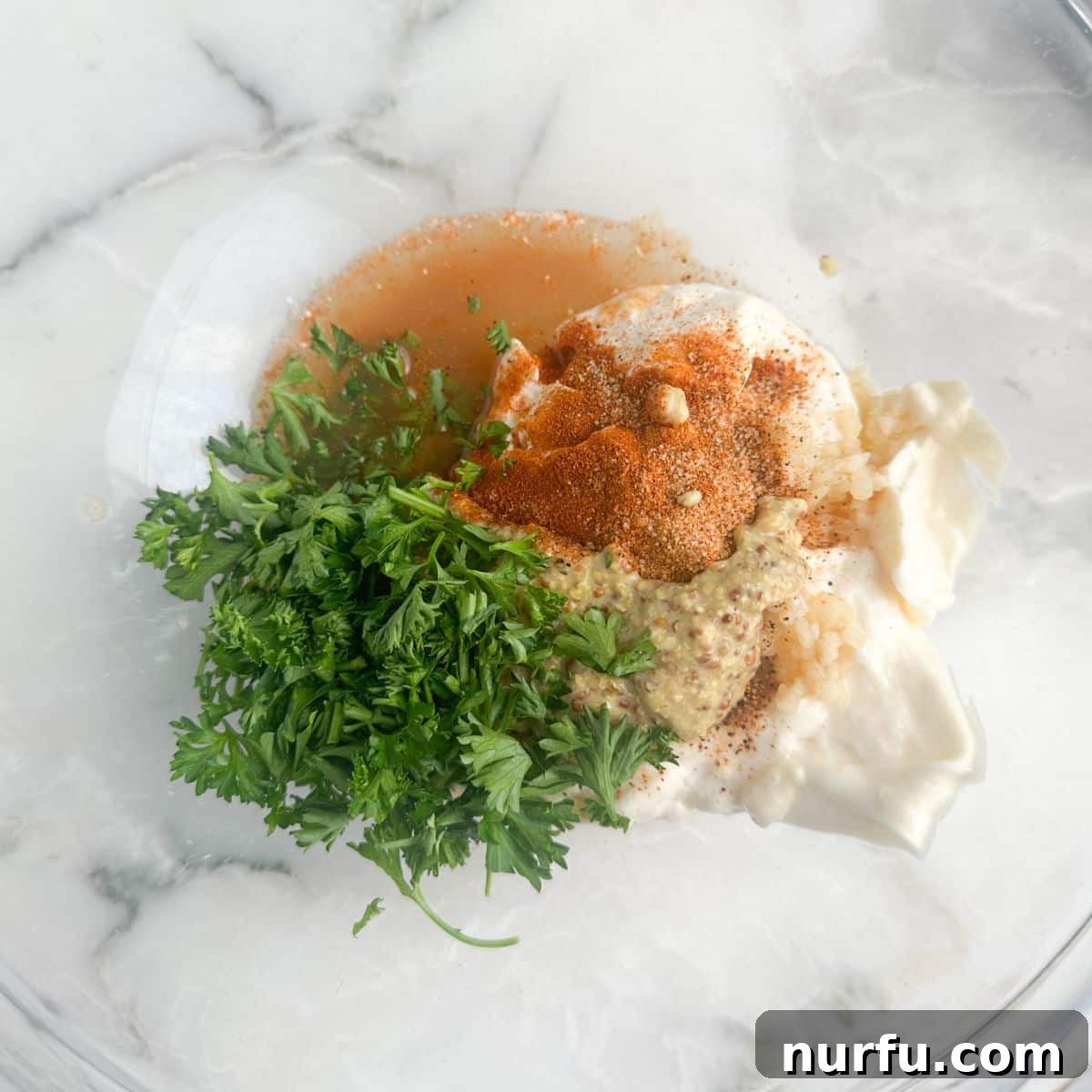
Begin by placing all the core ingredients into a medium-sized mixing bowl. This includes your generous cup of creamy mayonnaise, the essential Creole or brown mustard, the fiery kick of prepared horseradish, the tangy bright notes of pickle juice, your preferred amount of hot sauce for that perfect level of spice, freshly minced garlic, the colorful and flavorful paprika, the bold Creole seasoning, and the vibrant fresh parsley. Ensure all quantities are measured accurately to maintain the intended balance of flavors.
Step Two: Mix and Chill to Perfection
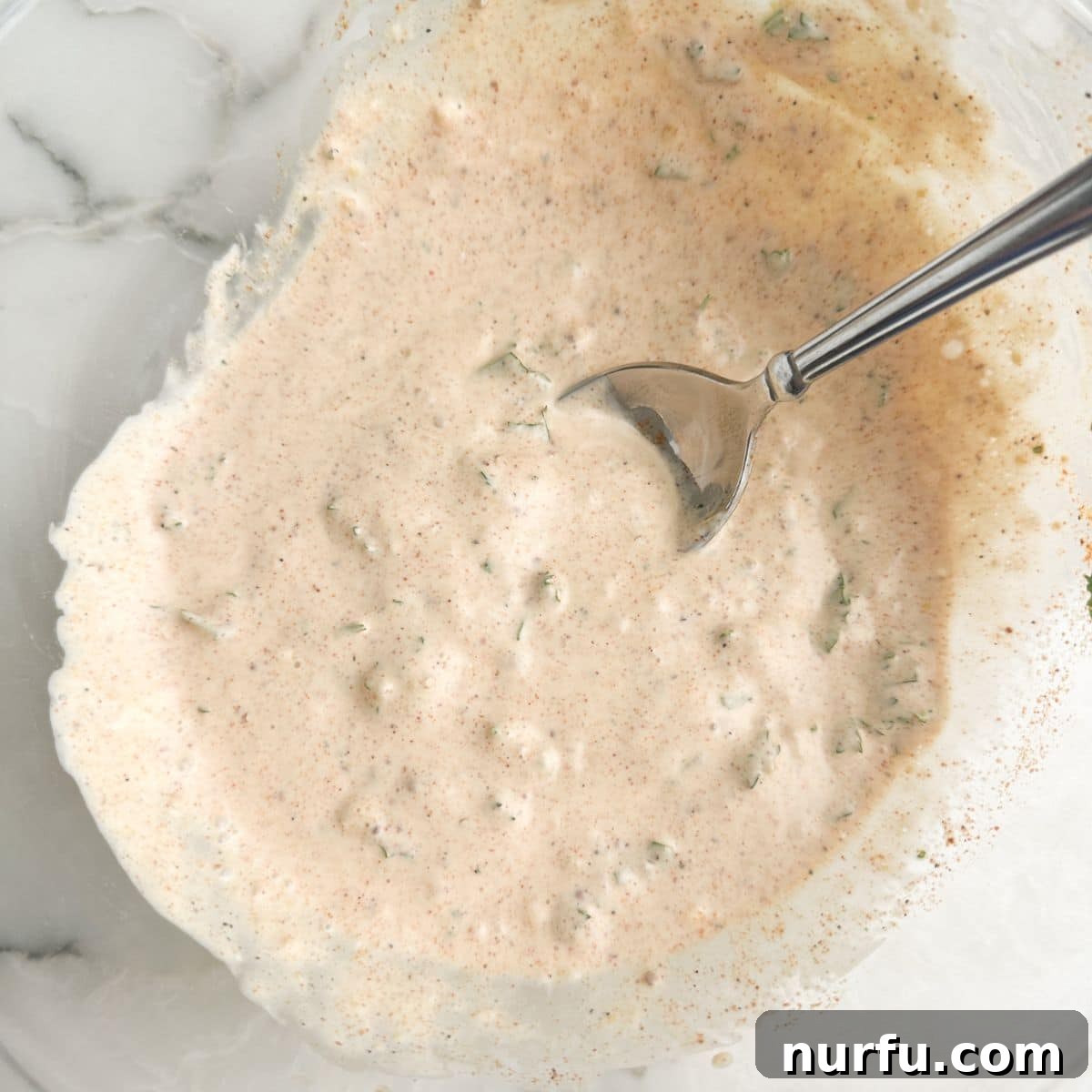
Once all ingredients are in the bowl, use a spoon or a small whisk to stir everything together thoroughly. Continue mixing until all components are fully combined, resulting in a smooth, uniform, and beautifully textured sauce. There should be no streaks of individual ingredients. Once well mixed, cover the bowl tightly with plastic wrap or transfer the **Remoulade sauce** to an airtight container. Store it in the refrigerator for at least 30 minutes, or ideally, for several hours. This chilling period is crucial as it allows the diverse flavors to fully harmonize and deepen, transforming from individual notes into a symphony of taste that is characteristic of the best **homemade Remoulade**. The longer it chills, the better the flavors will integrate.
Serving Suggestions: Unleash the Flavor
The beauty of **Remoulade sauce** lies in its incredible versatility. This dynamic condiment can transform simple dishes into extraordinary culinary experiences. Its tangy, creamy, and spicy profile makes it a perfect pairing for a vast array of foods. Here are some of our favorite ways to enjoy this delicious sauce:
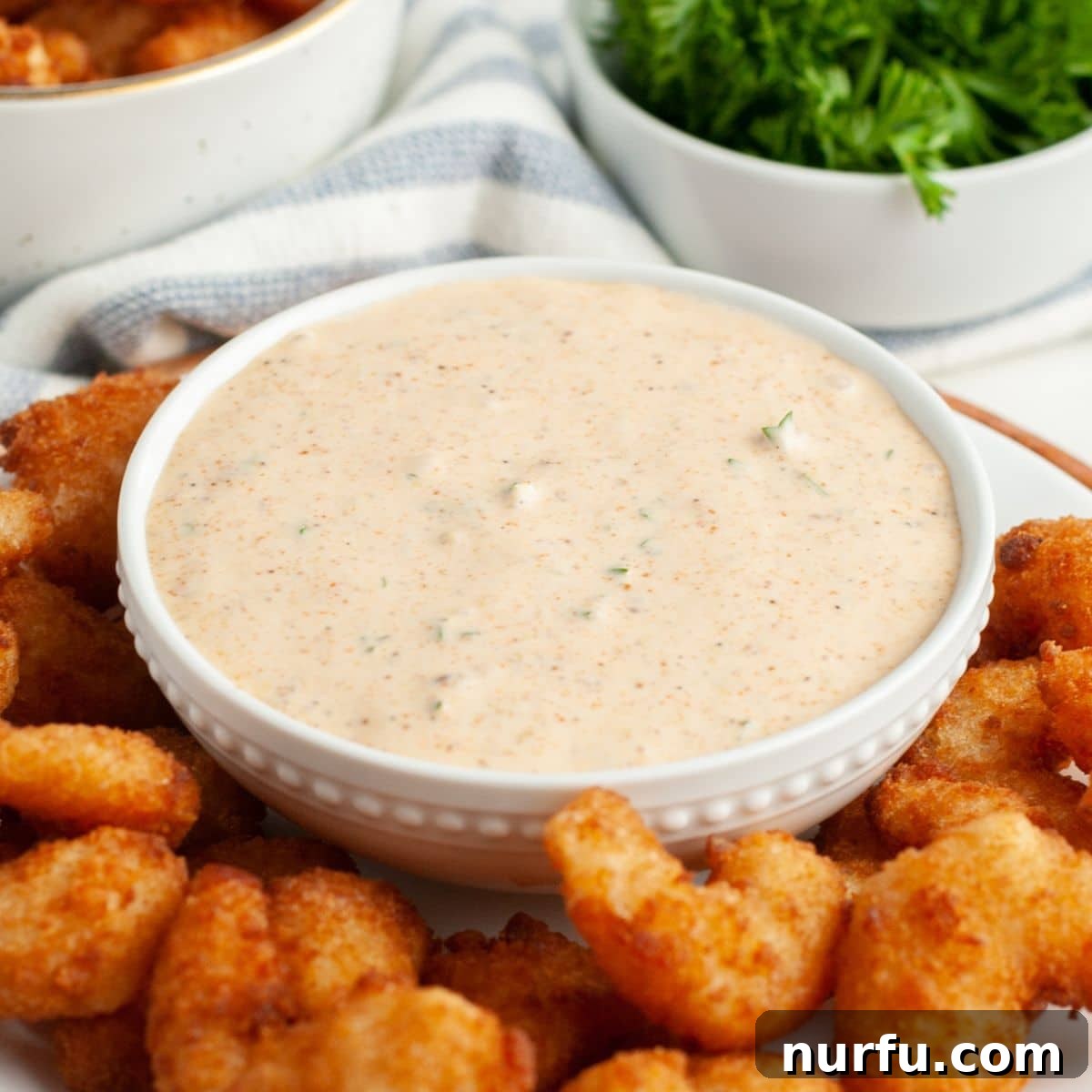
- **Seafood’s Best Friend:** This is perhaps the most classic pairing. Use it as a vibrant dipping sauce for fried shrimp, crispy fish sticks, tender hush puppies, or delicate crab cakes. It also works wonders with grilled or blackened fish, oysters, and even cold boiled shrimp.
- **Sandwich Sensation:** Elevate your sandwich game! **Remoulade** is a must-have spread for traditional New Orleans Po’ Boy sandwiches, whether filled with fried shrimp, oysters, or roast beef. It also adds incredible flavor to everyday turkey, ham, or veggie sandwiches.
- **Appetizer Ace:** Serve it alongside chicken croquettes, fried green tomatoes, onion rings, or French fries for an irresistible appetizer spread. Its bold flavor cuts through the richness of fried foods beautifully.
- **Poultry Perfection:** Don’t limit it to seafood. **Remoulade sauce** makes a fantastic dip for chicken wings, chicken tenders, or even as a unique dressing for a chicken salad.
- **Unexpected Pairings:** Get creative! Drizzle **Remoulade** over roasted vegetables, use it as a dressing for potato salad or coleslaw, or even as a zesty addition to deviled eggs. Its complex flavors can bring new life to many dishes you already love.
Truly, this **homemade Remoulade sauce** is so exceptionally good, you’ll find yourself wanting to put it on just about anything. It’s not merely a sauce; it’s a culinary highlight.
Tips for the Perfect Remoulade
While making **homemade Remoulade sauce** is straightforward, a few tips can help you achieve perfection every time:
- **Quality Ingredients Matter:** Since this sauce is so simple, the quality of each ingredient truly shines through. Use a good-quality mayonnaise, fresh garlic, and reputable Creole seasoning for the best results.
- **Taste and Adjust:** Don’t be afraid to taste the sauce after mixing and adjust the seasonings. Need more heat? Add another splash of hot sauce or a pinch of cayenne pepper. Crave more tang? A bit more pickle juice or a squeeze of lemon can do the trick.
- **Chill for Flavor Development:** The chilling step is not optional. Allowing the **Remoulade** to rest in the refrigerator for at least 30 minutes (or even overnight) enables all the flavors to meld and deepen, creating a much richer and more harmonious taste.
- **Fresh Herbs are Best:** While dried parsley could be used in a pinch, fresh chopped parsley adds a vibrant freshness and better texture that enhances the sauce significantly.
- **Consider Your Mustard:** If you can’t find Creole mustard, experiment with different brown or spicy mustards to find one that gives you a comparable zest and depth.
Storage and Shelf Life
Proper storage is key to enjoying your **homemade Remoulade sauce** safely and for as long as possible. Since it’s mayonnaise-based, it’s crucial to keep it refrigerated.
- **Refrigeration:** Always store **Remoulade** in an airtight container in the refrigerator. This prevents oxidation and keeps the sauce fresh.
- **Shelf Life:** When stored correctly, homemade Remoulade typically lasts for 5-7 days. It’s best to consume it within this timeframe for optimal flavor and safety.
- **Freezing:** Due to its mayonnaise base, **Remoulade sauce** does not freeze well. The emulsion can break upon thawing, resulting in a separated, unappetizing texture. It’s always best to make it fresh and enjoy it within a week.
Variations to Explore
While our **Louisiana-style Remoulade** recipe is a classic, don’t hesitate to experiment with variations:
- **Herbaceous Remoulade:** Add other fresh herbs like chives, tarragon, or dill for a different aromatic profile.
- **Smoky Remoulade:** Increase the amount of smoked paprika or add a dash of liquid smoke for an intense smoky flavor, perfect with barbecue.
- **Tangy Citrus Twist:** A squeeze of fresh lemon juice or lime juice can add an extra layer of brightness and tanginess.
- **Creamy Avocado Remoulade:** Blend in a quarter of a ripe avocado for an even creamier texture and a subtle, rich flavor.
- **Vegetarian/Vegan Options:** For a plant-based version, simply substitute regular mayonnaise with a good quality vegan mayonnaise.
Each small alteration can lead to a uniquely delicious sauce, allowing you to tailor your **Remoulade** to any dish or preference.
Other Homemade Sauce Recipes You’ll Love
If you’ve enjoyed the process of making your own **Remoulade sauce**, you might be inspired to try your hand at other homemade condiments. Crafting sauces from scratch allows for unparalleled freshness and flavor customization. Here are a few more homemade sauce recipes that are sure to become staples in your kitchen:
- Zesty Homemade Cocktail Sauce
- Sweet and Tangy Homemade Duck Sauce
- Bright and Aromatic Lemon Pepper Sauce
- Copycat Red Lobster Coconut Shrimp Sauce
- Creamy Wingstop Ranch Sauce Recreation
Experimenting with these recipes will undoubtedly enhance your culinary skills and add incredible depth to your home-cooked meals.
Did you make this vibrant **Louisiana-style Remoulade**? We’d love to hear about your experience! Share your thoughts and any creative serving ideas in the comments section below.
Remoulade Sauce Recipe
Tangy, creamy, spicy, this **Remoulade sauce recipe** is easy to make and packed full of flavor. Great for seafood, sandwiches, and more. This **homemade Remoulade sauce** will add a flavorful kick to any dish.
Ingredients
- 1 cup mayonnaise
- 2 tablespoons creole mustard or brown mustard
- 2 teaspoons prepared horseradish
- 1 tablespoon paprika
- 1 teaspoon Creole seasoning
- 1 teaspoon pickle juice
- 1 clove garlic, minced
- 2 splashes hot sauce
- 1 tablespoon fresh parsley, chopped
Instructions
-
Mix all the ingredients together in a bowl. Cover and store in the refrigerator until ready to serve.
Nutrition
Calories: 1578 kcal | Carbohydrates: 10g | Protein: 5g | Fat: 170g | Saturated Fat: 27g | Polyunsaturated Fat: 101g | Monounsaturated Fat: 39g | Trans Fat: 0.4g | Cholesterol: 94mg | Sodium: 1927mg | Potassium: 329mg | Fiber: 5g | Sugar: 3g | Vitamin A: 4451IU | Vitamin C: 7mg | Calcium: 67mg | Iron: 3mg
Nutrition information is automatically calculated, so should only be used as an approximation.