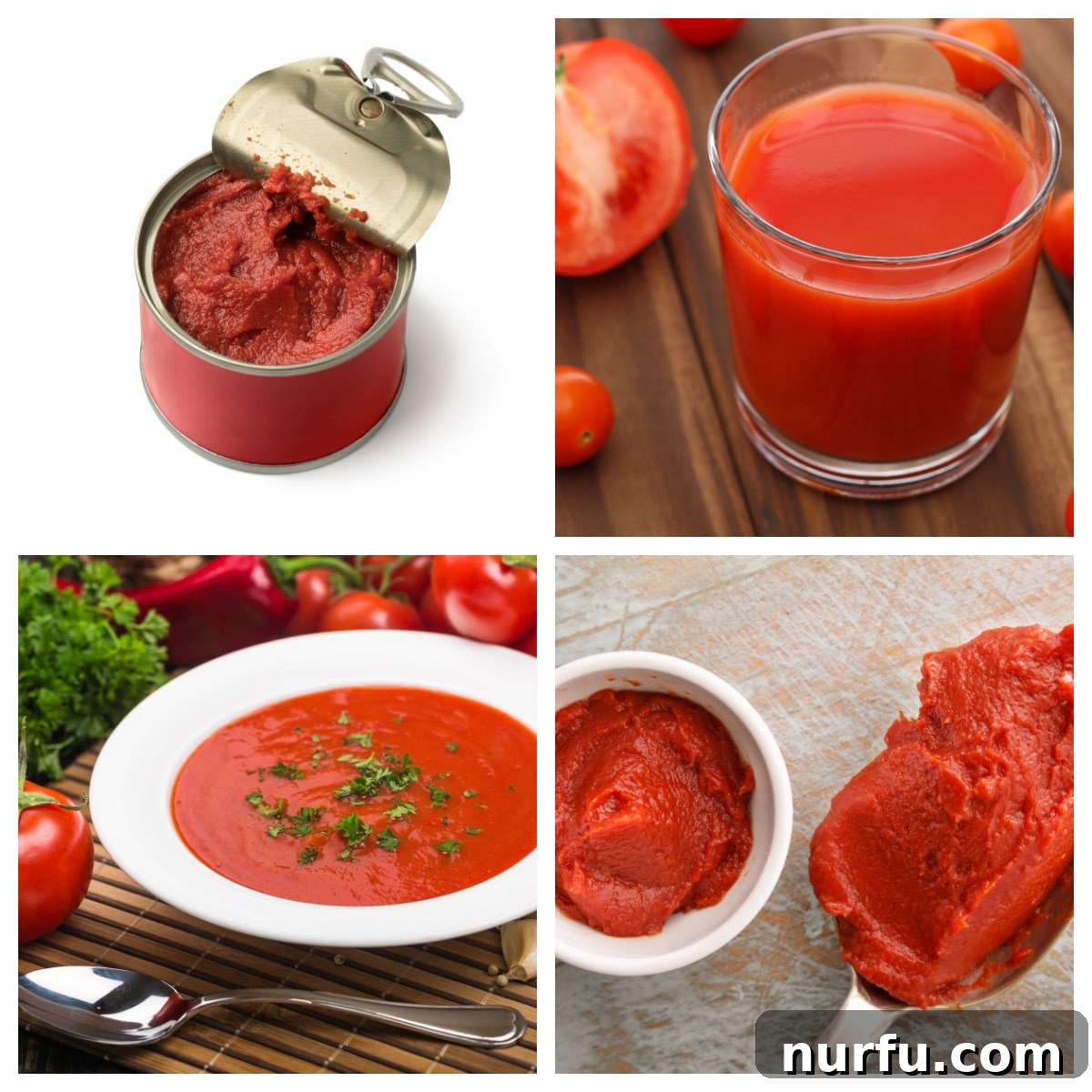
Tomato sauce is a fundamental ingredient cherished in countless culinary traditions worldwide. Its rich, tangy, and subtly sweet flavor forms the base for an incredible array of dishes, from comforting pasta sauces and vibrant pizzas to hearty stews and flavorful casseroles. Crafted by cooking down ripe tomatoes into a thick, smooth consistency, then often strained to remove seeds and peels, it delivers a unique depth that is hard to replicate. However, even the most organized home cook can find themselves in a predicament: reaching for that trusted can of tomato sauce only to discover an empty pantry shelf. When a recipe calls for this essential ingredient and you’re fresh out, a quick and effective substitute becomes crucial.
Fret not, culinary adventurers! We understand the urgency of such kitchen dilemmas. That’s why we’ve thoroughly explored and compiled the definitive guide to the best substitutes for tomato sauce. Whether you’re facing an empty can or simply seeking a fresh twist, our comprehensive list offers eleven ingenious alternatives, many of which can be whipped up using ingredients you likely already have on hand. These solutions will ensure your meal proceeds without a hitch, allowing you to salvage your recipe and impress your taste buds.
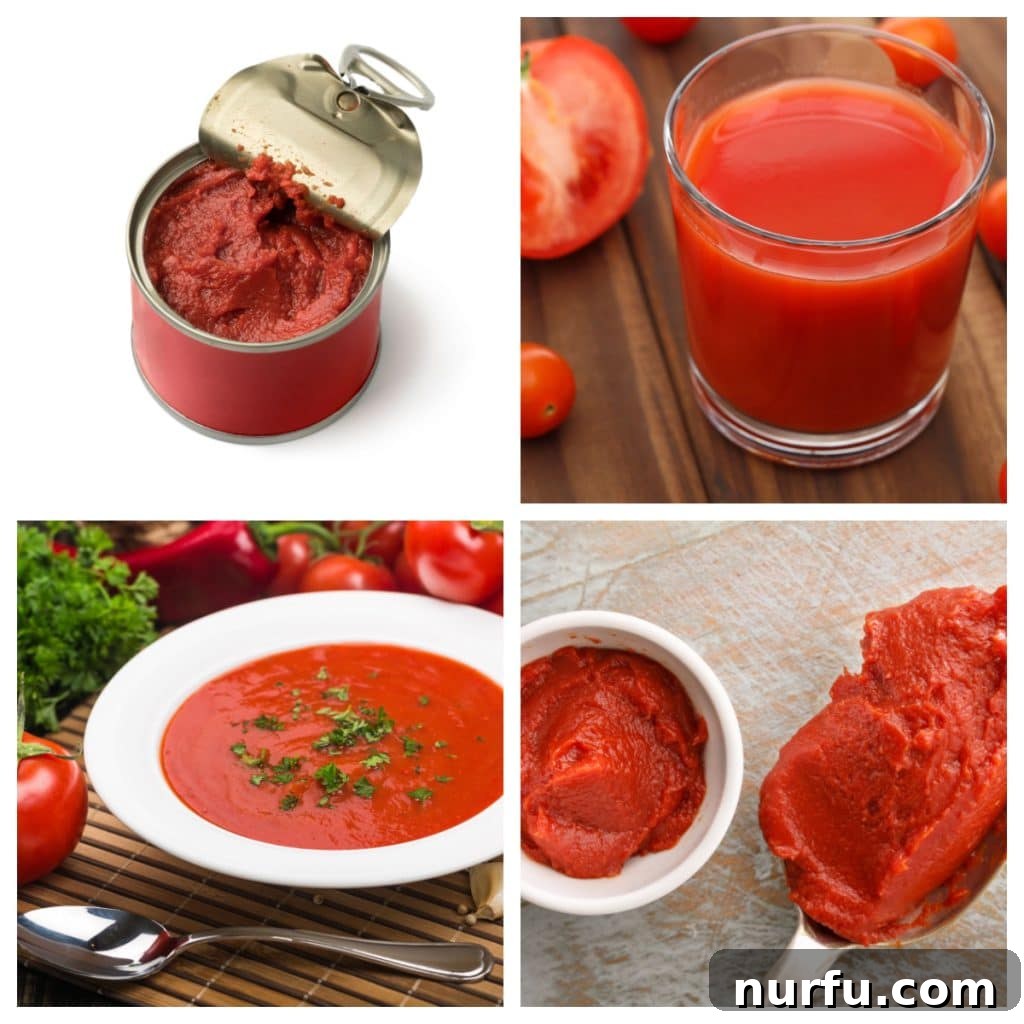
Mastering Tomato Sauce Substitutes: Your Ultimate Guide
In the realm of cooking, adaptability is a superpower. Having a backup plan – and even a backup to that backup plan – can save a meal from disaster and ignite your creative culinary spirit. Tomato sauce is a cornerstone ingredient in countless beloved recipes, from classic Italian pasta dishes like lasagna and baked mostaccioli to American comfort foods such as meatloaf and chili. Encountering a situation where you need to substitute it is not uncommon. Being well-prepared with a repertoire of alternatives will not only alleviate stress but also broaden your cooking horizons.
Our research has unearthed eleven fantastic substitutes for tomato sauce, utilizing a diverse array of common pantry items and fresh produce. From readily available spaghetti sauce to the surprisingly effective pureed red bell peppers (yes, trust us on this one!), there are numerous inventive ways to recreate that essential tomato base. This guide is designed to equip you with an arsenal of ideas, ensuring you’re ready to tackle any recipe, even if that elusive can of tomato sauce you were so sure was in the cupboard is nowhere to be found.
Table of Contents for Tomato Sauce Alternatives
- Mastering Tomato Sauce Substitutes: Your Ultimate Guide
- Top 11 Tomato Sauce Substitutes for Any Recipe
- 1. Canned Tomatoes: A Versatile Base
- 2. Tomato Paste: The Concentrated Powerhouse
- 3. Spaghetti Sauce: Pre-Seasoned Convenience
- 4. Tomato Puree: Smooth and Ready
- 5. Tomato Soup: The Unexpected Savior
- 6. Ketchup: Sweet and Tangy Twist
- 7. Marinara Sauce: Herb-Infused Italian Staple
- 8. Tomato Juice: Thicken Your Way to Success
- 9. Tomato Passata: The Uncooked Italian Secret
- 10. Fresh Tomatoes: From Garden to Sauce
- 11. Pureed Red Bell Peppers: A Flavorful Non-Tomato Alternative
- Easy Homemade Tomato Sauce from Paste
- Recipes Featuring Tomato Sauce
- More Essential Substitute Ideas
- FAQs About Tomato Sauce Substitutes
- Conclusion: Never Be Without Tomato Sauce Again
Top 11 Tomato Sauce Substitutes for Any Recipe
Each of these excellent options can generally be used as a 1:1 substitute, though some adjustments in seasoning and consistency may be required to perfectly match your recipe’s needs. Experimentation is key to discovering your favorite alternative!
1. Canned Tomatoes: A Versatile Base
Canned tomatoes are an absolute lifesaver when you need a tomato sauce substitute. Available in various forms—whole, diced, crushed, or stewed—they provide a robust tomato flavor. To transform them into a sauce, simply drain most of the liquid (especially from whole or diced), transfer them to a blender or food processor, and blend until smooth. For a richer, more developed flavor and thicker consistency, gently simmer the pureed mixture over medium-low heat, stirring occasionally, until it reaches your desired thickness. Don’t forget to enhance the flavor with classic Italian seasonings like oregano, basil, garlic powder, and a pinch of sugar to balance the acidity, mimicking the complexity of traditional tomato sauce.
2. Tomato Paste: The Concentrated Powerhouse
If you find a tube or small can of tomato paste lurking in your pantry, consider yourself incredibly lucky! Tomato paste is arguably the best substitute for tomato sauce due to its concentrated tomato flavor and its ability to be easily thinned to the desired consistency. To create a quick tomato sauce, combine equal parts tomato paste and water. For example, if your recipe calls for one cup of tomato sauce, mix ½ cup of tomato paste with ½ cup of water. Whisk them together until smooth. Taste as you go, and don’t hesitate to add a dash of olive oil, salt, pepper, and your favorite herbs (like basil, oregano, or a mixed Italian seasoning blend) to enhance the flavor profile and mimic a seasoned tomato sauce. This method yields a sauce very similar in texture and taste.
3. Spaghetti Sauce: Pre-Seasoned Convenience
Using a jar of spaghetti sauce or even a pizza sauce as a substitute for plain tomato sauce might seem like the most obvious choice, given their similar consistency and tomato base. However, a crucial point to remember is that these pre-made sauces are typically loaded with a complex array of seasonings, herbs, and sometimes even sugar. While convenient, their strong flavor profile can potentially overpower other ingredients in your dish. When opting for spaghetti sauce, be prepared to adjust the salt, herbs, and other spices in your overall recipe. It’s best suited for dishes where the strong, pre-existing flavors of the spaghetti sauce will complement rather than clash, such as a quick pasta bake or a rustic casserole.
4. Tomato Puree: Smooth and Ready
Tomato puree is another excellent and straightforward substitute for tomato sauce. It consists of cooked and strained tomatoes, resulting in a smooth, thick consistency that’s generally thicker than traditional tomato sauce but thinner than tomato paste. Its pure tomato flavor makes it a versatile base. If your recipe requires a thinner sauce, simply add small splashes of water or vegetable broth, stirring incrementally until you achieve your desired consistency. Alternatively, you can embrace its thicker texture, which can add a lovely richness to stews, chilis, or heartier sauces, creating a slightly different, yet equally delicious, final dish. Seasoning with salt, pepper, and herbs is recommended to elevate its flavor.
5. Tomato Soup: The Unexpected Savior
When you’re truly in a pinch, a can of condensed tomato soup can surprisingly come to the rescue as an emergency tomato sauce substitute. However, there are a few considerations. Tomato soup is typically thinner and often sweeter than regular tomato sauce, and it usually contains dairy or cream. To counteract its thinner consistency, reduce the amount of liquid added to your main recipe by about ¼ cup for every can of soup used, or simmer the soup directly to thicken it. It’s highly advisable to prepare the tomato soup substitute in a separate bowl first. This allows you to taste, adjust its flavor (by adding spices, a touch of vinegar for tang, or even a little tomato paste for depth), and tweak its consistency before integrating it into your main dish, ensuring it doesn’t drastically alter the intended outcome.
6. Ketchup: Sweet and Tangy Twist
We know what you might be thinking: ketchup, really? But in a culinary bind, tomato ketchup can indeed function as a substitute for tomato sauce, particularly in certain dishes. Ketchup has a distinct sweet and tangy flavor profile due to its sugar and vinegar content, which is significantly more pronounced than standard tomato sauce. Therefore, it works exceptionally well in recipes that can benefit from or already call for a touch of sweetness, such as meatloaf, barbecue sauces, or some slow-cooker dishes. If your recipe doesn’t align with a sweet-and-tangy profile, use ketchup sparingly and consider balancing its sweetness with savory elements, a dash of Worcestershire sauce, or a pinch of red pepper flakes for heat. It’s a last-resort option that can surprisingly deliver when used thoughtfully.
7. Marinara Sauce: Herb-Infused Italian Staple
Marinara sauce is an excellent and readily available substitute for plain tomato sauce, especially for Italian-inspired recipes. Similar to spaghetti sauce, marinara is typically a seasoned tomato sauce, often featuring garlic, onions, and various herbs like basil and oregano. Its vibrant, fresh tomato flavor makes it ideal for dishes such as homemade pizza, classic pasta recipes, or even as a dipping sauce. Since marinara is already flavorful, much like spaghetti sauce, you might need to adjust the other seasonings in your primary recipe to avoid over-seasoning. It’s generally less sweet than spaghetti sauce, making it a more direct flavor swap in many savory dishes.
8. Tomato Juice: Thicken Your Way to Success
Tomato juice, while primarily a beverage, can be ingeniously transformed into a viable tomato sauce substitute for most recipes. The main challenge lies in its thin consistency. To achieve a sauce-like thickness, you have two primary options. First, simmer the tomato juice over medium heat, allowing it to reduce and thicken naturally. This process also concentrates its flavor. Second, you can create a simple roux by melting butter or heating olive oil, whisking in an equal amount of flour, and cooking for a minute or two before gradually whisking in the tomato juice. This will quickly thicken the liquid to your desired consistency. Remember to season the thickened tomato juice with salt, pepper, Italian herbs, and perhaps a touch of garlic powder to build a flavor profile closer to that of traditional tomato sauce.
9. Tomato Passata: The Uncooked Italian Secret
Tomato passata, often labeled as strained tomatoes, is a fantastic, lesser-known substitute that closely resembles tomato sauce. It’s essentially uncooked, pureed tomatoes with the seeds and skin meticulously removed, resulting in an incredibly smooth, vibrant, and fresh-ttasting tomato product. Passata is typically thinner than a store-bought tomato sauce but thicker than tomato juice, making its consistency very manageable. You can easily reduce it over heat to thicken it further and intensify its natural tomato flavor, or use it as is for a lighter sauce. As a staple in many Italian kitchens, its quality and pure tomato essence make it an outstanding choice for any recipe calling for tomato sauce, guaranteeing an authentic and bright tomato flavor.
10. Fresh Tomatoes: From Garden to Sauce
If you have the luxury of time and a bounty of fresh, ripe tomatoes, crafting your own sauce from scratch is an incredibly rewarding option. While more labor-intensive, the results are unparalleled in freshness and flavor. Start by scoring the bottom of each tomato and blanching them briefly in boiling water, then transferring them to an ice bath. This makes peeling the skins incredibly easy. Once peeled, core the tomatoes and remove the seeds (optional, but recommended for a smoother sauce). Mash or finely chop the prepared tomatoes, then transfer them to a saucepan with a drizzle of olive oil. Simmer gently, allowing the mixture to reduce by at least half. This reduction concentrates the flavors and thickens the sauce. Season generously with salt, pepper, fresh or dried herbs, and garlic to taste. This homemade approach offers the purest, most vibrant tomato flavor.
11. Pureed Red Bell Peppers: A Flavorful Non-Tomato Alternative
This substitute might sound surprising, but pureed red bell peppers offer a brilliant, naturally sweet, and slightly smoky alternative for those seeking a non-tomato option or simply a unique flavor profile. The process is simple: roast red bell peppers whole until their skins are charred and blistered and the flesh is tender. Allow them to cool, then remove the skin, stems, and seeds. Blend the roasted peppers in a food processor until incredibly smooth. The resulting puree has a wonderful consistency that often requires no thinning, making it ready to use directly in most recipes calling for tomato sauce. It imparts a subtle sweetness and a beautiful red hue, working exceptionally well in sauces for chicken, fish, or as a base for creamy soups. Season with garlic, onion powder, and a touch of smoked paprika to enhance its savory depth.
Easy Homemade Tomato Sauce from Paste
Among all the substitutes, crafting your own basic tomato sauce from tomato paste offers unmatched convenience and control over flavor and consistency. It’s our top recommendation for a quick, reliable homemade option.
Easy Homemade Tomato Sauce from Paste
A super quick and simple method to create a versatile tomato sauce substitute using common pantry staples.
Total Time: 4 mins
Yields: 1 serving (approx. 3/4 cup)
Ingredients
- 1/2 cup tomato paste
- 1/4 cup water (or more, for desired consistency)
- Optional: 1/2 tsp olive oil, salt, black pepper, garlic powder, dried basil, or Italian seasoning to taste.
Instructions
- In a small bowl, combine the tomato paste and water.
- Stir vigorously with a spoon or whisk until the mixture is smooth and reaches your desired sauce consistency. Add more water, a teaspoon at a time, if a thinner sauce is needed.
- (Optional) Stir in olive oil, salt, pepper, garlic powder, and any desired dried herbs to enhance the flavor.
- Use immediately as a tomato sauce substitute in your favorite recipes.
Nutrition Information (Approximate)
- Calories: 107kcal
- Carbohydrates: 25g
- Protein: 6g
- Fat: 1g
- Saturated Fat: 1g
- Polyunsaturated Fat: 1g
- Monounsaturated Fat: 1g
- Sodium: 1038mg
- Potassium: 1328mg
- Fiber: 5g
- Sugar: 16g
- Vitamin A: 1998IU
- Vitamin C: 29mg
- Calcium: 49mg
- Iron: 4mg
Nutrition information is automatically calculated and should be used as an approximation only. Actual values may vary based on ingredients and preparation.
Additional Information
Course: Main Course, Side Dish
Cuisine: American, Italian
Recipes Featuring Tomato Sauce
Once you’ve mastered the art of substitution, you’ll be ready to tackle any recipe that calls for tomato sauce. Here are a couple of classic dishes where your newfound knowledge will come in handy:
- Baked Mostaccioli
- No Boil Lasagna
More Essential Substitute Ideas
The world of culinary substitutes is vast and incredibly useful. Broaden your kitchen versatility with these other helpful guides:
- Sage Substitutes
- Cornmeal Substitutes
- Mushroom Substitutes
FAQs About Tomato Sauce Substitutes
Q: Can I use pizza sauce instead of tomato sauce?
A: Yes, pizza sauce can be used, but be mindful that it’s often more heavily seasoned with herbs like oregano and basil, and sometimes contains more sugar or garlic than plain tomato sauce. Adjust other seasonings in your recipe accordingly to avoid an overpowering flavor.
Q: What’s the closest substitute to regular canned tomato sauce?
A: Tomato paste mixed with an equal amount of water is generally considered the closest substitute in terms of consistency and concentrated tomato flavor, allowing you to easily season it to match your recipe’s needs.
Q: How can I make a tomato sauce substitute less acidic?
A: Adding a pinch of sugar or a tiny bit of baking soda (a very small amount, like 1/4 teaspoon for a cup of sauce) can help neutralize the acidity. Simmering the sauce for a longer period also mellows out the acidic notes.
Q: Are there any gluten-free or allergy-friendly tomato sauce substitutes?
A: Most of the tomato-based substitutes (canned tomatoes, paste, puree, passata, fresh tomatoes, juice) are naturally gluten-free. For a non-tomato, allergy-friendly option, pureed roasted red bell peppers are an excellent choice, offering a similar color and natural sweetness without any tomato. Always check labels for hidden ingredients or cross-contamination if allergies are severe.
Q: Can I freeze homemade tomato sauce substitutes?
A: Absolutely! Most homemade tomato sauce substitutes, especially those made from canned tomatoes or paste, freeze beautifully. Store them in airtight containers or freezer bags for up to 3-6 months. Thaw overnight in the refrigerator or gently reheat on the stove when ready to use.
Conclusion: Never Be Without Tomato Sauce Again
Running out of a key ingredient like tomato sauce no longer needs to disrupt your cooking plans. With this comprehensive guide, you now possess a wealth of knowledge to confidently select and prepare the perfect substitute for any occasion. From the readily available canned tomatoes and versatile tomato paste to the surprising depth of pureed roasted red bell peppers, your kitchen is likely already stocked with the means to create delicious, tomato-rich flavors. Embrace the flexibility these alternatives offer, experiment with different seasonings, and continue to create amazing meals, knowing you’ll never be stumped by an empty can of tomato sauce again. Happy cooking!