
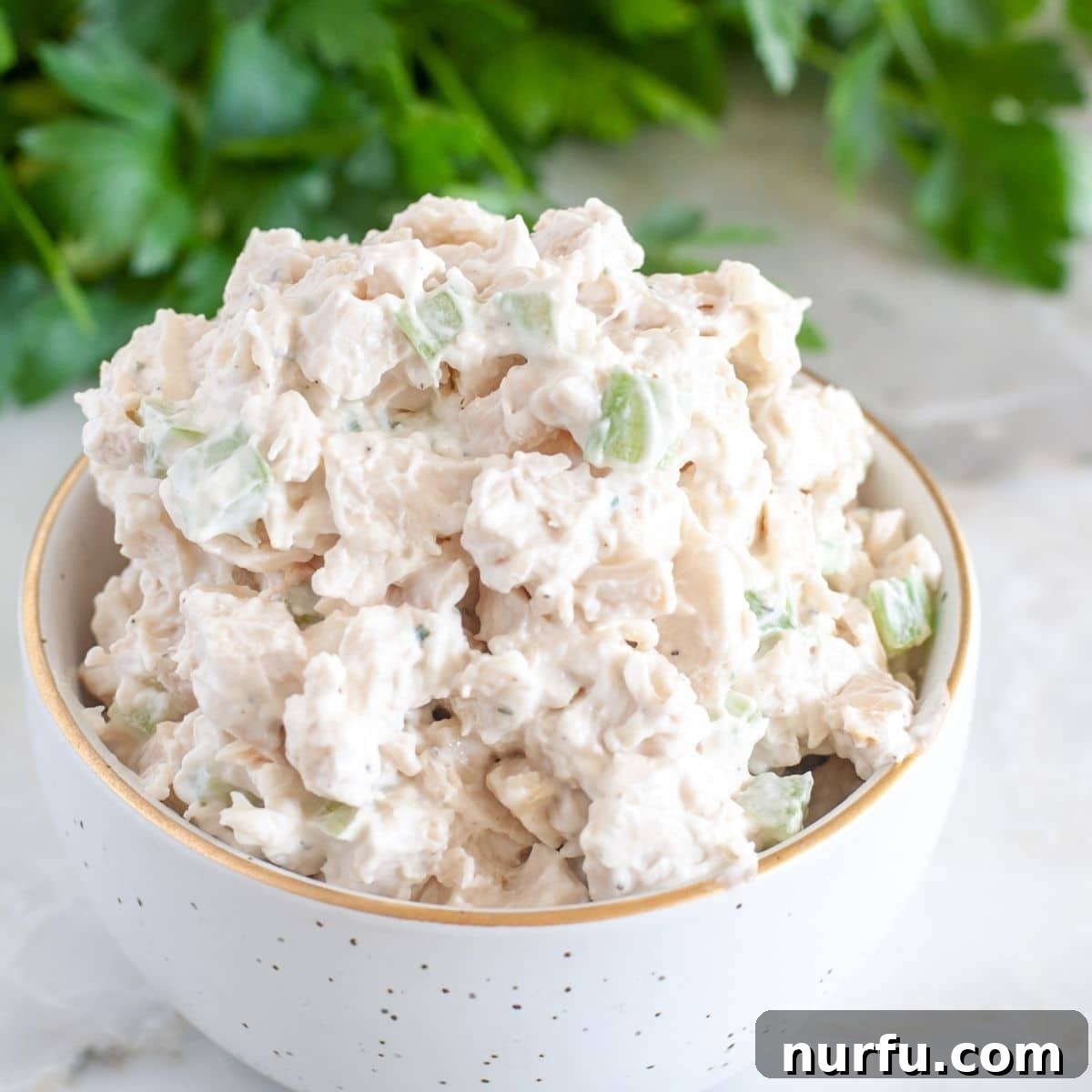
Chicken salad is a beloved classic, cherished for its versatility and delightful flavor profile. Whether you’re preparing for a casual lunch, a lively potluck, or a serene picnic, this dish consistently proves to be a crowd-pleaser. Its creamy texture, savory chicken, and customizable additions make it a staple in countless homes.
For those who embrace the convenience of meal prepping, the thought of whipping up a generous batch of chicken salad to enjoy throughout the week or even longer is incredibly appealing. However, this often leads to a crucial question: can you freeze chicken salad? It’s a common dilemma for busy individuals and culinary enthusiasts alike.
While the idea of having a ready-to-eat chicken salad always at hand is tempting, there are specific considerations and best practices to keep in mind before you stash your freshly made or store-bought batch into the freezer. Not all ingredients in chicken salad react the same way to freezing and thawing, which can significantly impact its texture and taste.
This comprehensive guide will delve deep into the world of freezing chicken salad. We’ll explore which ingredients freeze well, which ones don’t, and provide you with actionable tips for optimal storage, ensuring your chicken salad remains as delicious as the day it was made. Get ready to unlock the secrets to successful chicken salad preservation!
Looking for delightful chicken salad recipes to try? Here are some favorites:
- Refreshing Pineapple Chicken Salad
- Spicy Copycat Chicken Salad Chick Buffalo Barclay
- Sweet & Savory Copycat Chicken Salad Chick Fruity Fran
- Zesty Copycat Chicken Salad Chick Sassy Scotty
- Timeless Copycat Chicken Salad Chick Classic Carol
Can You Freeze Chicken Salad? The Definitive Answer
Yes, you absolutely can freeze chicken salad. However, the more precise and important question is, should you, and under what conditions? The success of freezing chicken salad largely hinges on its ingredients. Different components react uniquely to the freezing and thawing process, influencing the overall texture, consistency, and flavor of the final product.
The primary concern when freezing chicken salad often lies with its creamy base, typically made with mayonnaise or yogurt. These dairy or emulsion-based ingredients can sometimes separate or become watery upon thawing, leading to an undesirable texture. Additionally, certain fresh vegetables or fruits may lose their crispness and become soggy after being frozen.
Throughout this guide, we’ll meticulously explore common chicken salad ingredients, discuss their freezer-friendliness, and equip you with practical storage tips to maximize the quality of your frozen chicken salad. Our goal is to ensure your meal prep efforts result in delicious, satisfying meals every time.
Mastering the Art of Freezing Chicken Salad
Whether your chicken salad is a cherished family recipe or a convenient store-bought option, the golden rule for freezing it successfully is to do so as soon as possible. Prompt freezing helps to lock in freshness, preserve texture, and prevent the growth of unwelcome bacteria. While life’s hustle doesn’t always permit immediate action, aiming for speed is key.
For homemade chicken salad, ideally, you should transfer it to the freezer within an hour of preparation. This rapid chilling minimizes the time it spends in the “danger zone” (temperatures between 40°F and 140°F), where bacteria multiply most rapidly. The quicker it freezes, the better its quality will be upon thawing.
If you’re dealing with store-bought chicken salad and can’t rush it home to the freezer, ensure it remains adequately chilled during transit – perhaps by keeping it in an insulated bag with ice packs. The aim is still to get it into the freezer on the same day it was purchased. If the container is unopened, you can often freeze it directly. However, once opened, it’s best to portion it out for freezing.
Properly frozen chicken salad can maintain its quality for up to three months in the freezer. To avoid confusion and ensure food safety, always remember to clearly mark each container or bag with the freeze date. This simple step is vital for effective inventory management and preventing food waste.
Essential Freezer Tips for Chicken Salad Success
Here are some invaluable tips to ensure your frozen chicken salad retains its deliciousness and desirable texture:
- Freeze Promptly: As mentioned, aim to freeze your chicken salad within an hour of preparation for homemade versions, or on the day of purchase for store-bought.
- Portion Control: Divvy up your chicken salad into individual or family-sized portions. This not only makes thawing more convenient but also prevents you from having to thaw a large batch when you only need a small amount, reducing waste.
- Airtight Storage is Crucial: Use high-quality freezer-safe airtight containers or vacuum-sealed bags. Air exposure is the enemy of frozen food, leading to freezer burn and flavor degradation. Remove as much air as possible from bags before sealing.
- Address Excess Liquid: If your chicken salad appears to have excess liquid from ingredients like celery or grapes, it’s advisable to drain some of it before freezing. This can help minimize sogginess upon thawing.
- Consider Dairy-Free or Post-Thaw Additions: For the best results, consider freezing the chicken and other non-dairy ingredients separately, then adding mayonnaise, yogurt, or other creamy dressings once the salad has thawed. Alternatively, use dairy-free substitutes that are known to freeze better, such as certain plant-based dressings or coconut milk-based creams.
- Optimal Storage Duration: While chicken salad can last longer, its peak quality in the freezer is typically maintained for about 2-3 months. Beyond this, while still safe to eat, the texture and flavor may start to diminish.
Freezing Chicken Salad with Yogurt: A Detailed Look
The question of freezing chicken salad made with yogurt often arises because frozen yogurt, in its dessert form, thrives in the freezer. However, regular yogurt used in savory dishes behaves quite differently when subjected to freezing temperatures.
Unlike its dessert counterpart, plain yogurt does not hold up optimally in the freezer. The fundamental reason lies in its composition: yogurt contains a significant amount of water and protein. When yogurt freezes, the water content crystallizes, forming ice crystals. Upon thawing, these ice crystals melt, separating from the protein and causing the yogurt’s emulsion to break down. This results in a grainy, watery, and unappetizing texture that is far from the creamy consistency you expect in chicken salad.
So, while you *can* technically freeze chicken salad that contains yogurt, you might find the thawed product to be less than desirable. The integrity of the salad’s texture can be significantly compromised.
Given that yogurt-based chicken salad is often incredibly delicious and a healthier alternative to mayo-based versions, it’s understandable why you wouldn’t want to skip it. A superior approach is to freeze the chicken and any non-dairy mix-ins (like celery or herbs) separately. Then, once you’re ready to serve, thaw the chicken mixture and fold in fresh yogurt, along with any other perishable ingredients, for the best possible flavor and texture.
Navigating Freezing Chicken Salad with Hard-Boiled Eggs
Eggs, particularly hard-boiled eggs, present a unique challenge when it comes to freezing. Their behavior in the freezer depends heavily on how they are prepared. While certain forms of egg (like raw yolks or beaten whole eggs) freeze quite well, hard-boiled eggs in chicken salad require careful consideration.
If your chicken salad recipe includes hard-boiled eggs, especially the whites, it’s generally best to avoid freezing them. The whites of hard-boiled eggs undergo a significant textural change when frozen and subsequently thawed. They tend to become rubbery, spongy, and somewhat watery, losing their pleasant firm yet tender consistency. While this doesn’t make the salad unsafe to eat, it undeniably detracts from the overall sensory experience and appeal.
On the other hand, hard-boiled egg yolks tend to fare much better in the freezer. They retain their crumbly, rich texture more effectively than the whites. If you’re committed to including eggs in your frozen chicken salad, a viable compromise is to omit the egg whites entirely and only incorporate the yolks. Alternatively, you can freeze the chicken salad without any hard-boiled eggs and simply add freshly chopped hard-boiled eggs after the salad has thawed and been refreshed.
The Crisp Debate: Freezing Chicken Salad with Grapes
The addition of grapes brings a delightful burst of sweetness and a satisfying crunch to chicken salad, elevating its flavor and texture profile. It’s a favorite for many, including myself. However, the delicate nature of grapes makes them a tricky ingredient when it comes to freezing.
Grapes, like many fruits with high water content, are prone to becoming soft, mushy, and somewhat soggy after being frozen and thawed. The freezing process causes the water inside the grape cells to expand and form ice crystals, which rupture the cell walls. When thawed, these cells collapse, leading to a significant loss of the grape’s signature crispness and firmness.
While grapes do freeze better when dry and whole, when incorporated into a chicken salad, they tend to absorb some moisture and interact with other ingredients. This often exacerbates the issue, resulting in grapes that have a less than appealing texture post-thawing. If the sweet crunch of fresh grapes is an essential element of your chicken salad experience, then freezing the salad with grapes is generally not recommended.
The best approach for grape lovers is to freeze the chicken salad mixture without the grapes. Once you’ve thawed your desired portion of chicken salad, gently stir in fresh, halved grapes just before serving. This ensures that you get to enjoy that beloved pop of sweetness and refreshing crunch, preserving the integrity of your dish.
Freezing Store-Bought Chicken Salad: The Costco Example
Many popular retailers, like Costco, offer pre-made chicken salad that is both convenient and delicious. If you’ve ever bought a large tub and wondered if you can extend its life, the good news is yes, you can freeze Costco chicken salad or similar store-bought varieties.
The principles for freezing store-bought chicken salad are largely the same as for homemade. The most crucial recommendation is to portion it out into your desired serving sizes before freezing. This prevents you from having to thaw a massive container of chicken salad when you only need a small amount, which can lead to quality degradation and potential waste.
Transfer the portions into airtight, freezer-safe containers or heavy-duty freezer bags, ensuring as much air as possible is removed. Label each package with the date to keep track of its freezer life. When stored properly, Costco chicken salad can generally maintain its quality in the freezer for about 2 months. Remember that, like homemade versions, the texture of certain ingredients (especially creamy bases or fresh vegetables) may change slightly upon thawing, so be prepared to stir it well and perhaps add fresh elements to refresh it.
Freezing Chicken Salad Sandwiches: Convenience with a Caveat
Meal prepping for the family often includes the idea of preparing a batch of chicken salad sandwiches to grab and go. The good news is that, yes, you can freeze chicken salad sandwiches for future enjoyment. This can be a real time-saver for busy weekdays or packed lunches.
However, it’s important to be aware of a potential issue upon defrosting. Just as the creamy base of chicken salad can separate when frozen and thawed, the moisture released from the filling can be absorbed by the bread. This means that when your chicken salad sandwiches defrost, you might unfortunately end up with some soggy bread. The texture of the filling itself might also be slightly altered, leaning towards a more watery consistency.
To minimize sogginess, consider these tips: use heartier bread types that hold up better to moisture, and for best results, spread a thin layer of butter or cream cheese on the bread before adding the chicken salad filling – this creates a barrier. Alternatively, if texture is paramount, freeze the chicken salad filling separately and assemble the sandwiches fresh once the filling is thawed. This guarantees crisp bread and a perfectly textured salad.
Optimal Refrigerator Storage for Chicken Salad
While freezing offers a long-term storage solution, the most common and often preferred method for short-term preservation of chicken salad is refrigeration. This method is ideal for enjoying your salad within a few days, maintaining its fresh taste and optimal texture.
For proper storage in the refrigerator, always use an airtight container. Airtight containers are excellent at preserving the freshness of perishable foods and significantly extending their shelf-life by minimizing exposure to air and preventing the absorption of other food odors in the fridge. Glass containers are often preferred for their non-reactive nature and ability to maintain food quality.
Similar to freezer storage, portioning your chicken salad into smaller containers can be beneficial, especially if you plan to eat it over several days. This allows you to take out only what you need, reducing repeated exposure of the entire batch to warmer temperatures. However, unlike freezing where portioning is almost mandatory for successful thawing, if you prefer, you can store the entire batch in one large airtight container in the fridge.
When refrigerating chicken salad, it is paramount to consume it within 3 to 5 days, at most. Beyond this timeframe, the risk of bacterial growth increases, and the quality of the salad can rapidly diminish. Furthermore, always store the chicken salad as soon as possible after preparation to prevent any potential contamination and maintain peak freshness.
Always rely on your senses before consuming any refrigerated food. If you pull out your chicken salad and notice any unusual or funny smells, an “off” flavor, or the presence of mold, do not hesitate. These are clear indicators that the chicken salad has either not been stored properly or has simply passed its edible prime. In such cases, it is always safest to discard it immediately to avoid any health risks.
Understanding Room Temperature Limits for Chicken Salad: Food Safety First
When enjoying chicken salad, particularly at events like picnics or potlucks, the critical factor to always prioritize is food safety. Chicken salad, with its creamy, often mayonnaise or yogurt-based dressing, is highly susceptible to bacterial growth if left at room temperature for too long. These dairy or egg-based emulsions create an ideal environment for harmful bacteria to multiply rapidly, especially on warm days.
The longer your chicken salad sits out within the “danger zone” (temperatures between 40°F and 140°F), the higher the chance for bacterial contamination and potential foodborne illness. This is particularly true if the ambient temperature is high, as the rate of bacterial growth accelerates significantly.
According to food safety guidelines from the FDA, if the ambient temperature is 90°F (32°C) or hotter, perishable foods like chicken salad should not be left out for more than one hour. For cooler room temperatures (below 90°F), you have a slightly longer window, but it’s still crucial to refrigerate or consume the chicken salad safely within two hours.
When you’re ready to thaw frozen chicken salad, always choose safe defrosting methods. The best and safest ways include transferring it to the refrigerator overnight or submerging the sealed container in a bath of cool (not warm or hot) water, changing the water every 30 minutes to keep it cool. It is strongly recommended to avoid thawing chicken salad by leaving it out on the kitchen counter at room temperature, as this quickly moves it into the danger zone and increases the risk of bacterial growth.
Conclusion: Enjoying Chicken Salad Safely and Deliciously
Chicken salad truly is one of those timeless, comforting homestyle dishes that will continue to be cherished for generations. Unfortunately, its deliciousness doesn’t grant it an indefinite shelf-life. Understanding how to store it properly is crucial for both enjoyment and food safety.
While you certainly can freeze chicken salad, it’s important to approach it with an awareness of how different ingredients will react to the process. The key takeaway is that certain components, particularly creamy dressings, hard-boiled egg whites, and fresh, crunchy vegetables or fruits like grapes, may not defrost with their original texture and appeal. The clever trick around this is often to freeze the base chicken mixture and then add these more delicate, freezer-unfriendly ingredients fresh after thawing.
Beyond freezing, paying close attention to how and when you store your chicken salad – whether in the refrigerator or during serving at room temperature – is paramount. Adhering to food safety guidelines ensures that your delicious creation doesn’t perish before you get the chance to savor every last bite. Proper handling guarantees maximum flavor and prevents any unnecessary waste or health risks.
If this discussion has left you with a strong craving for chicken salad, just as it has for me, I highly recommend exploring some exciting variations. Why not whip up my personal favorite spicy chicken salad for a truly satisfying meal? Or, for those focused on wholesome eating, this practical chicken salad meal prep recipe offers a fantastic solution for healthy and delicious family lunches later in the week. Enjoy!
Expand Your Freezing Knowledge: Related Guides
Interested in learning more about freezing other common ingredients and dishes? Explore these helpful resources:
- Can you freeze lettuce?
- Can you freeze mint leaves?
- Can you freeze cream cheese?
- Can you freeze egg salad?
- Can you freeze guacamole?